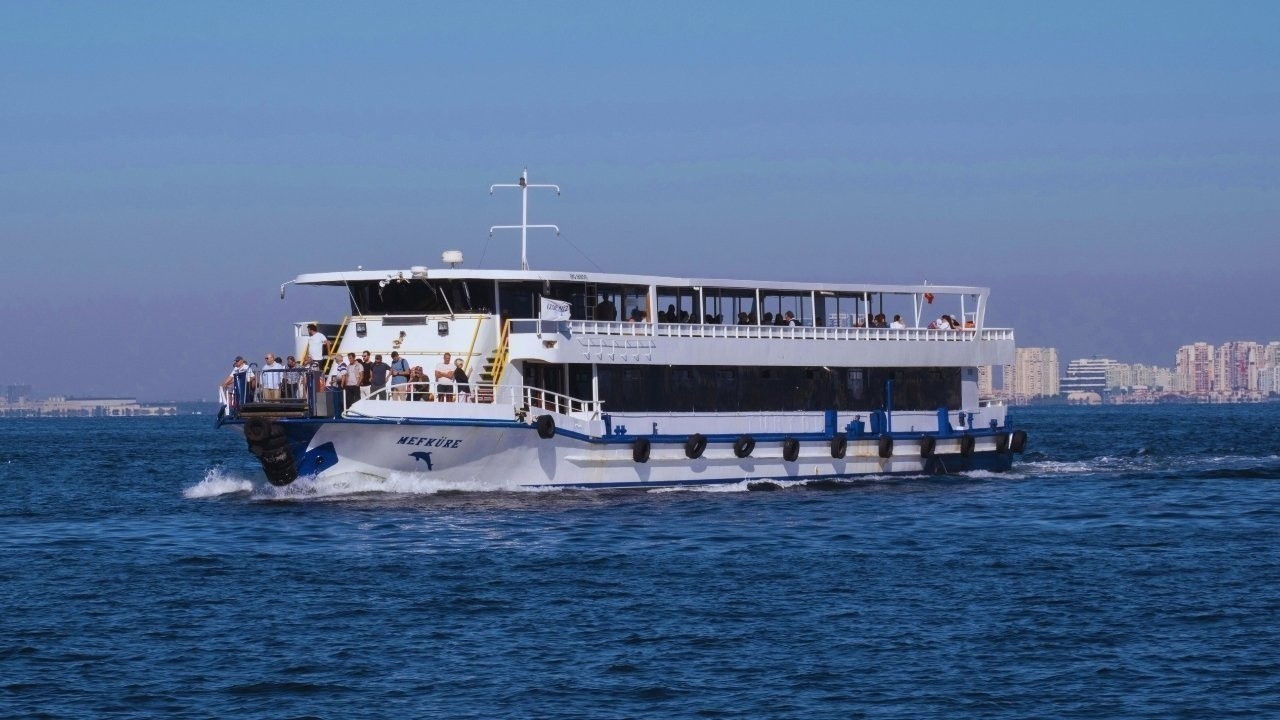
Post by : Anis Karim
Last week saw a fresh wave of timetable changes for ferry services linking mainland hubs to island communities — and the effects are already being felt across daily commutes, weekend escapes and the local economies that rely on reliable sailings. For island residents who depend on the ferry for work, school, shopping and social life, the revised schedule brings both opportunities and disruptions. Meanwhile, weekend visitors and tourism-oriented travellers are adjusting plans, analysing arrival and return windows, and rethinking how and when they travel.
These revisions were introduced after operational reviews, vessel availability assessments and user-feedback sessions. While the intention is to align ferry times more closely with peak demand, reduce downtime, and improve fleet efficiency, the transition has not been painless for all. In particular, commuters whose days begin early and weekenders who plan flexible trips are having to adapt.
This article explores the key changes to the ferry timetable, how island commuters and weekend travellers are responding, where the pain points lie, and what practical steps people can take to navigate the new normal.
Last week’s revisions cover a spectrum of adjustments: altered departure and arrival times, changed weekend sailing frequencies, new vessel assignments, and some removal or consolidation of off-peak trips.
Some routes have trimmed down late-night departures, meaning island residents returning from mainland shifts or social outings may find fewer options.
To better synchronise with mainland transport links (buses, trains), some first sailings of the day now depart slightly earlier — a benefit for early commuters but one that may require earlier alarm clocks.
The number of round-trips on Saturdays and Sundays has been altered: some services increased to meet tourist demand, others reduced due to lower off-peak usage, which affects flexibility for spontaneous trips.
Ferries previously used for island-mainland services have been reassigned to higher-capacity or maintenance-intensive routes; this means the vessels serving certain islands may change, with slight differences in boarding times or dock assignments.
Efforts have been made to align ferry landings with peak bus/train departures and arrivals — a positive move in theory, but one that may disrupt previous independent coordination by island residents.
While the goal is improved overall efficiency and better-matching of supply with demand, the change-over week has exposed a mix of relief, adaptation and frustration among users.
For residents of islands who rely on ferry links for daily living – getting to jobs, dropping children at school, accessing mainland services – the timetable changes carry distinct implications.
Those who board the first ferry of the day may now have to depart their homes earlier if the revised schedule moves the departure time forward. That means adjusting morning routines, possibly arranging for earlier childcare or altering breakfast plans.
The reduction or elimination of some late-evening sailings has created concern among workers finishing shifts later than usual. With fewer return slots, the risk of being stranded or forced to remain on the mainland overnight increases.
Because some ferry landings now aim to match bus/train schedules, island commuters who previously had more flexible landing times may now find themselves at terminals outside transport-link windows. This can mean longer waits or additional transfers.
When the ferry schedule is less convenient, commuters may incur additional costs (taxi/bus to alternate docks) or spend more time waiting. Over a month this can affect work–life balance and household logistics.
Changes to departure/arrival times ripple into family life: children’s school commute, partner’s schedules, household tasks all need readjustment. Island living often hinges on the predictability of the ferry – disruption matters.
Even small changes in daily routine can stress commuters accustomed to a reliably timed link. Feedback from island community forums shows some users are worried, uncertain, or resentful of the altered schedule.
While some commuters will benefit (e.g., faster morning departures or better mainland transport link), many are adjusting to the realignment of daily rhythms.
Weekenders — day-trippers, overnight visitors, families escaping to the island for leisure — face a different set of challenges stemming from the timetable revision.
If the number of evening sailings has been reduced, visitors planning a late ferry back may need to confirm earlier slots, book tickets ahead or stay overnight rather than return the same day.
With fewer “flex” sailings, securing a return trip often requires planning ahead. Visitors cannot reliably count on walk-up boarding late in the day.
Earlier first sailings are positive for early-start trips, but visitors who previously boarded later in the morning may now find peak-time crowds or slightly earlier windows.
Operators of island cafés, guest-houses, tour boats are adjusting their scheduling to match the revised ferry flows. Some are promoting “early arrival” deals or “stay-overnight” packages to mitigate return constraints.
Weekend travellers during holiday windows (festival weekends, school breaks) may see changes in crowd-patterns: clusters of arrivals aligned with the new schedule, and possibly longer queues or packed sailings at specific times.
With fewer sailings, a delayed ferry can have greater knock-on effects. Visitors who miss their “reserved slot” might find limited alternatives, especially late Sunday afternoons when some services are scaled back.
For weekend-travellers, awareness of the revised timetable is now critical to a smooth outing — casual assumptions no longer suffice.
Beyond personal travel, the timetable changes ripple into wider social and economic space for island communities and tourism.
Island cafés, eateries, shops that rely on weekend visitor traffic are adjusting hours or promotions. The new schedule may shift visitor peaks earlier in the day or create larger groupings in certain time-slots.
For island-based workers commuting to the mainland or vice-versa, the changed ferry schedule may influence job choice, shift planning or willingness to take overtime work.
Reliable transport has always underpinned the viability of island living for mainland-workers. If ferry options reduce, it may affect choices of where people live, how long their commute is, and thereby housing demand.
Some island residents feel the changes were insufficiently consulted. Transport authorities are under pressure to maintain lifeline connectivity even while improving efficiency.
Local tourism bodies are promoting adjusted sailing times as part of their visitor-information. Messaging emphasises early-start day trips, overnight stays and pre-booking emphasised by the revised schedule.
In sum, the impact goes beyond timetables — it alters daily rhythms, economic flows and life-choices for island communities.
It’s not all downside. There are clear benefits expected or already emerging from the revision — provided users adjust.
Earlier sailings and better alignment with mainland transport mean island residents can reach jobs, schools or errands sooner.
By reallocating vessels and trimming unused off-peak sailings, the operator may reduce delays, maintenance pressure and cancellations — which in turn could improve overall reliability.
For peak arrival windows (morning/afternoon) weekenders may find extra capacity or more consolidated service offerings, making island trips more predictable.
With fewer ambiguous or under-utilised sailings, both commuters and visitors can plan around more stable “core” sailings rather than being caught by rarely used time-slots.
Better-utilised services may free up operator resources for upgrades (new vessels, better terminals, faster boarding) which benefit island access long-term.
Thus, while adjustment is needed, the revision offers tangible upside if embraced with the right mindset.
No change is without friction. The revisions have drawn criticism and highlighted certain risks.
Commuters working late or socialising in towns may feel penalised by fewer return sailings; this may restrict flexibility.
Some island residents report that changes to ferry times are not fully synchronised with bus or train connections on the mainland, leading to waiting or missed links.
Not all users were aware of the timetable changes in advance; some discovered after boarding delays or altered routines.
Weekend visitors who assume “normal” salings may find fewer options, leading to anxiety or aborted trips.
With sailings consolidated into fewer prime-time slots, there is a possibility of crowding, longer boarding lines and reduced comfort — especially on high-demand weekends.
Island residents may feel they are bearing the cost of efficiency improvements and may push for consultation, compensatory services or alternative transport links.
These form the trade-offs of the new timetable regime — efficiency versus absolute flexibility, peaked service versus fully spread accessibility.
Here are some actionable tips for those navigating the revised ferry timetable.
Always consult updated schedules on the operator’s website or app — the changes may differ per route and per day (weekday vs weekend).
If you’re commuting, aim for the revised first-sailing to avoid stress; adjust alarms, plan morning routines and account for any new arrival times.
For a day-trip, ensure you have secured the return sailing — late-afternoon or evening slots may be limited.
If you need a bus or train after disembarking, check mainland link times carefully — a slight change in ferry arrival may mean missing the connection.
Given the change-over, build in extra time for boarding, check-in and possible vessel switches; avoid assuming the “old” schedule.
If your ferry return window is tight or cut, staying overnight may simplify transport stress and give you more flexibility.
If you’re a frequent user (commuter), make sure your pass aligns with the new schedule; for visitors, check if “early arrival” deals exist.
If you face issues (missed connection, late return, overcrowding), report it — transport operators depend on user feedback to refine schedules further.
With these steps, travellers can navigate the revision with minimal disruption.
Operators typically review performance after schedule changes; data on passenger volumes, delays, boarding times and feedback will likely trigger further tweaks.
If a route’s demand remains strong despite fewer sailings, operators may reinstate additional off-peak or late-evening runs.
Efficiencies may free up resources for improved terminals, digital boarding, faster turnaround and possibly larger vessels.
High-season (summer, holiday weekends) may warrant temporary additional sailings to match visitor demand; island communities and tourism boards will watch closely.
Island residents may push for formal review processes, dedicated commuter sailings or compensation for schedule changes that adversely impact them.
Essentially, the timetable revision is a step — but not the final shape of service. Ongoing adaptation is likely.
Last week’s ferry-timetable revisions mark a significant moment for both island commuters and weekend-travellers alike. The changes reflect shifts in demand, operational efficiency and transport-link integration—but they also impose new patterns of travel, new planning obligations and new rhythms of daily life. For island residents whose routines depend on reliably timed ferries, the revision demands adaptation. For weekenders and leisure visitors, the opportunity still exists for rich, stress-free outings — provided the schedule is respected.
In many ways, the revised timetable underscores an important truth: transport is not just about getting from A to B — it is an anchor of everyday life for island communities and a gateway for recreational escape. When those anchors shift, lives adjust, economies pivot and tourists recalibrate. The key for all parties now is awareness, planning and feedback. Change may bring short-term inconvenience, but with proper adjustment, the new schedule can deliver better alignment, stability and service for the long term.
This article is intended for informational purposes only and does not constitute official transport guidance. Ferry timetable changes vary by route, operator and date. Travellers, commuters and island residents should check the latest official schedules, notices and service bulletins before planning their journeys.
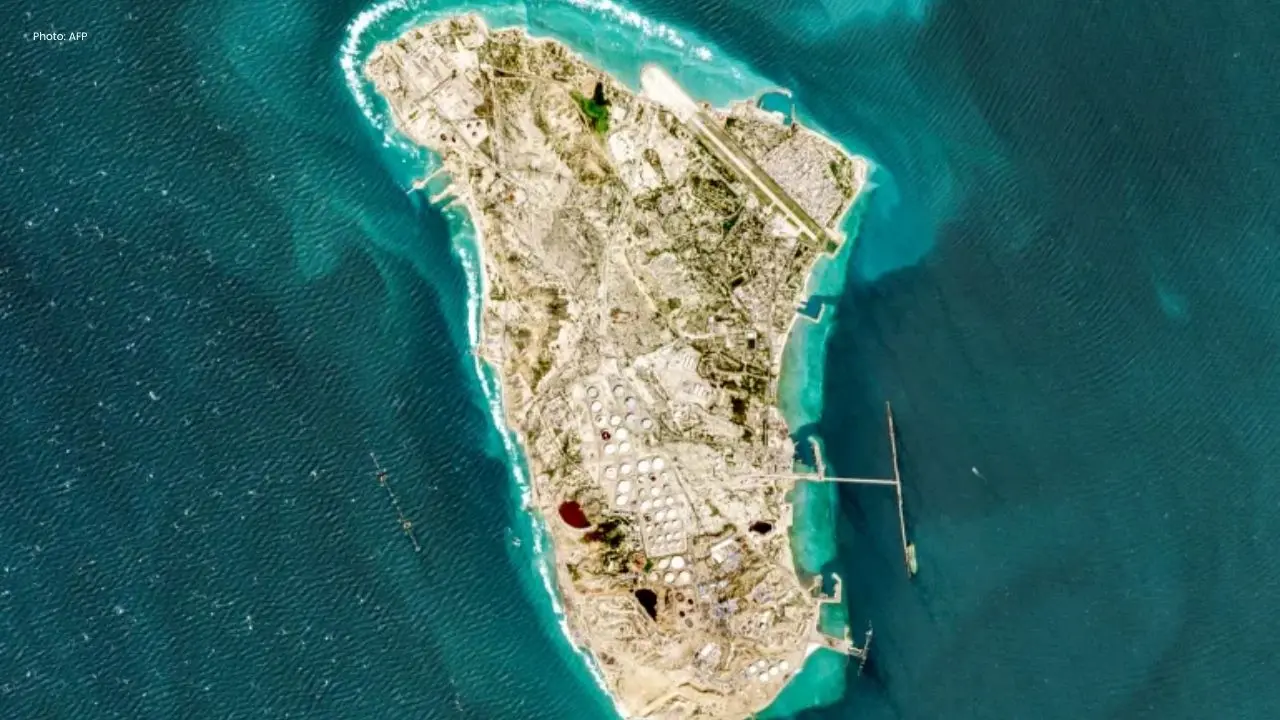
Explosions Erupt at Iran’s Critical Kharg Island Oil Hub
Kharg Island, vital to Iran's oil exports, witnesses blasts amid US-Iran tensions, with military str

Trial Commences for Baby Trafficking in Indonesia
The trial of 19 suspects in Indonesia's baby trafficking case has launched, involving 34 infants, wi

Edmonton ER Stabbing Raises Urgent Safety Concerns
A stabbing at Edmonton's Royal Alexandra Hospital ER highlights urgent calls for improved safety mea

Family Finds Possible Child Remains During Park Easter Hunt
A California family's Easter egg hunt in Long Beach park uncovers possible human remains of a child,
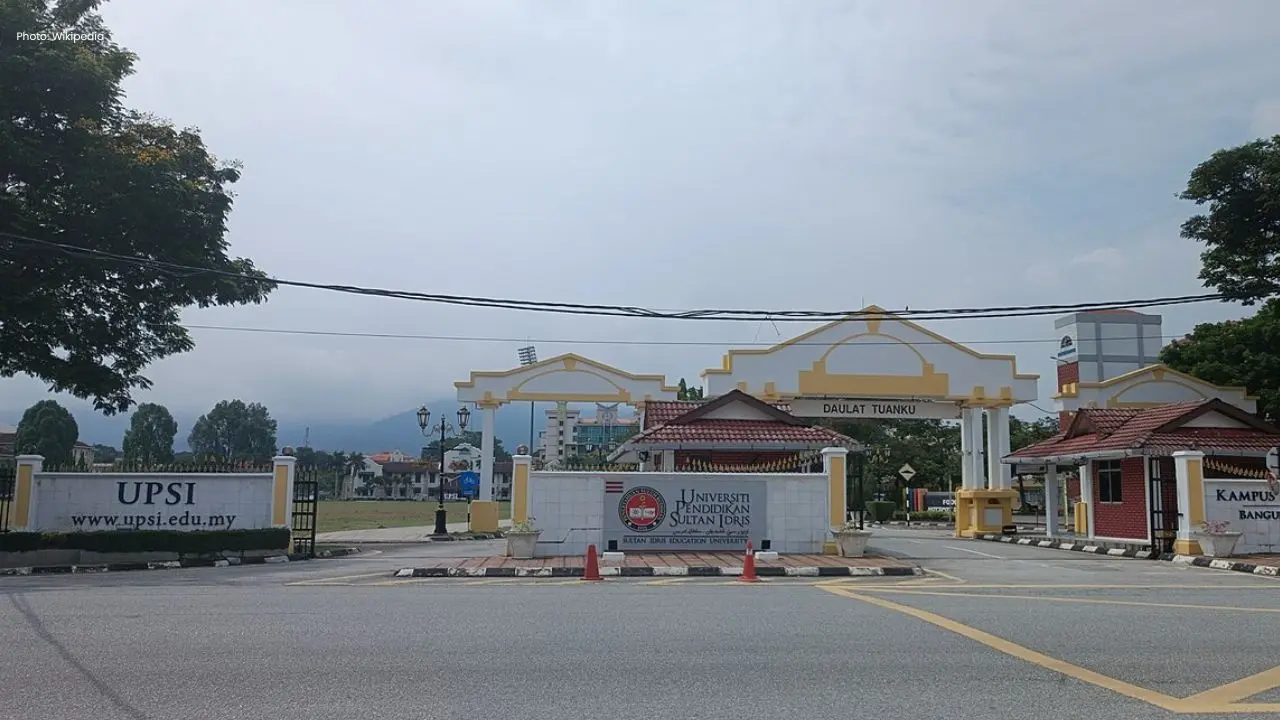
Sudden Heart Attack Claims Life of UPSI Cleaner
A 53-year-old cleaner at UPSI dies from a sudden heart attack; police confirm no foul play in the ea
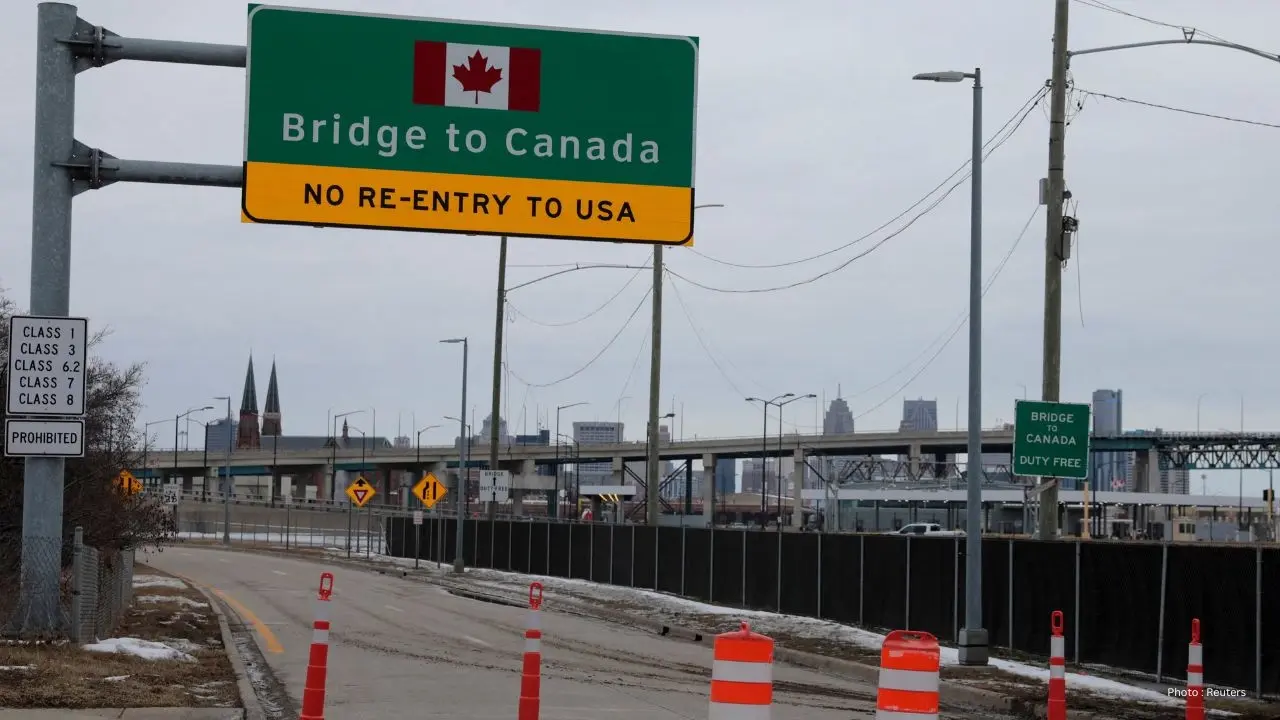
Blue Water Bridge Surges Past Ambassador as Key Trade Route
With rising tolls, the Blue Water Bridge now surpasses Ambassador Bridge as the busiest U.S.-Canada

Malaysia's New Medical Stockpile Initiative
Malaysia launches a strategic buffer stock for medical supplies to combat shortages due to global su


The UAE Wellness Secret: 7 Life-Changing Tips
Discover 7 simple UAE wellness tips to stay healthy active and stress-free Easy daily habits for bet

UAE Art Show in Seoul Challenges Stereotypes
Exhibition in Seoul highlights diverse UAE art, moving beyond luxury stereotypes to explore identity

Starbucks Strikes Major Partnership for China Growth
Starbucks teams with Boyu Capital, selling a majority stake in China unit to ramp up store growth an

Couple Among Three Charged in Massive Meth Trafficking Case in Malaysia
Three charged in Malaysia for trafficking 510kg of meth; if convicted, they could face severe penalt
Murder Suspect Returns to Geylang Crime Scene for Investigation
Singapore police revisit Geylang as a 48-year-old suspect faces charges in the fatal stabbing of a 7

NASA Launches Artemis II Crew for 10-Day Lunar Mission
NASA launches Artemis II with four astronauts for a 10-day Moon mission, marking the first crewed lu

Dubai RTA, Ministry Partner for Family First Programme
Dubai RTA and Ministry of Family partner to enhance transport, urban spaces, and services under Fami

Bank of Baroda Faces Abu Dhabi Legal Battle over NMC Collapse
Bank of Baroda’s involvement in Abu Dhabi litigation tied to the NMC Healthcare collapse raises repu