Post by : Anis Karim
The significance of electricity often emerges only when it fails to meet demand. For most of the year, it flows quietly into homes, businesses, and healthcare facilities, largely unnoticed. However, when government alerts are issued, grid managers discuss "stress conditions," and demand peaks hit record numbers, electricity quickly transitions to a topic of national concern.
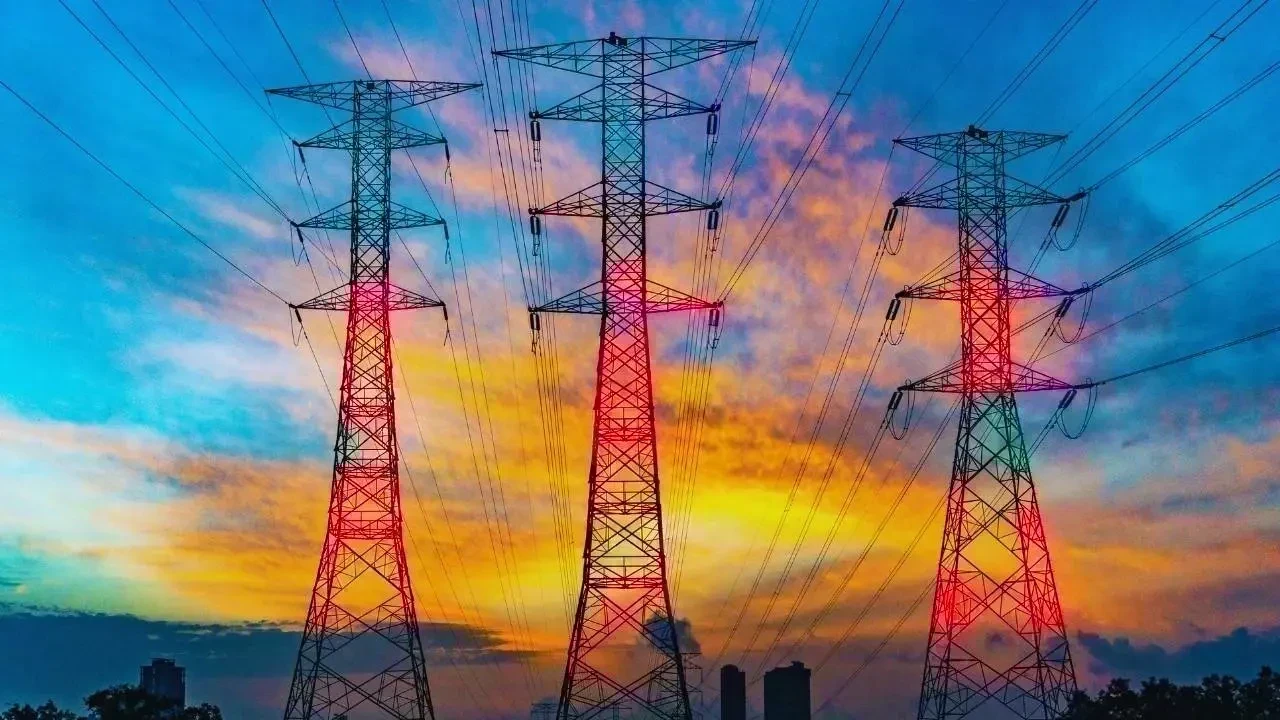
India's power grid currently finds itself under intense scrutiny. The surging demand, especially due to heat waves, inconsistent regional supply, and transmission limitations are pushing the system to its operational limits. While authorities assure the public, these circumstances shed light on persistent issues within India's energy framework.
This narrative is not about an impending crisis; rather, it reveals a system strained under pressure and what that might mean for India's future energy demands.
Grid stress indicates a situation where electricity demand nears or slightly exceeds acceptable supply limits. This condition diminishes the system's capability to adapt to sudden changes.
When reserves run low, even minor disturbances, such as plant failures or unexpected demand spikes, can have major repercussions.
A power grid under stress can still operate, though with diminished safety margins. Authorities continuously monitor frequency and balance to prevent conditions from deteriorating into failure.
Heat has been a significant factor in the rise of demand. Increased temperatures lead to higher air-conditioning use, particularly in metropolitan areas, causing sudden spikes in load during peak hours.
Elevated levels of industrial production and various infrastructure projects contribute to a higher baseline electricity demand, which remains steady and challenging to reduce.
As urban households begin to utilize more energy-intensive devices, electricity consumption per person keeps rising, putting additional long-term pressure on the grid.
Ministry of Power representatives have asserted that the system remains stable, with contingency measures ready. They claim that demand-supply disparities are effectively managed through real-time coordination.
The Central Electricity Authority recognizes periods of limited supply but emphasizes proactive planning and inter-regional cooperation in preventing large-scale disturbances.
Operators and major transmission utilities have been put on high alert, ensuring quick responses to faults and imbalances.
India's power production is unevenly distributed, with certain regions generating excess electricity while others heavily depend on national imports.
Even when there is adequate power nationally, transmission issues can hinder the smooth supply across regions, leading to heightened stress in areas of high demand.
Heatwaves and local storms do not impact every region uniformly, resulting in simultaneous spikes in demand and disruptions.
Despite the rise of renewable sources, coal continues to be critical to India's energy supply. Any disruption in coal resources can tighten supply margins quickly.
Power plant coal levels are under close observation. Efficient rail and port logistics are crucial for stable power generation.
While reducing coal use is a long-term aim, authorities stress that reliability must not falter during peak demand periods.
Renewables now contribute significantly to India's installed capacity, providing essential relief to the grid, particularly during sunny hours.
However, the intermittency of solar and wind power can stress the system when sudden drops in output occur without adequate backup measures.
Grid stress has underscored the necessity for investments in energy storage, forecasting tools, and adaptable generation strategies for better renewable integration.
Several transmission corridors are currently near their capacity limits, particularly during demand surges. Aging systems heighten fault vulnerability.
New transmission developments are often lagging behind the increasing demand, creating temporary congestions.
Investments in smart grids, real-time monitoring and automation are becoming vital for managing the evolving load patterns.
Though national outages are unlikely, authorities may have to consider local load management during extreme scenarios.
Industries might need to reschedule non-critical energy use outside peak periods to alleviate pressure on the grid.
Citizens are frequently reminded to utilize electricity judiciously during peak hours to support grid reliability.
Short interruptions can disrupt manufacturing and services, leading to economic ramifications.
Operational costs rise when backup facilities are utilized or inefficient units are triggered, potentially affecting future tariffs.
A reliable power supply is pivotal for fostering investment trust. Ongoing grid stress might heighten concerns regarding infrastructure reliability.
India has previously encountered similar stress during heatwaves and economic surges. These instances have led to gradual enhancements in planning.
Compared to former years, demand forecasting and inter-agency cooperation have significantly improved, reducing sudden failure risks.
Operators are utilizing sophisticated tools for real-time load and frequency management, adjusting supply as needed.
Power surpluses from low-demand states are being redirected to high-demand areas to maintain equilibrium.
Backup generation along with reserve margins are being prioritized during periods of high demand.
Plans for new thermal, hydro, and renewable projects aim to address increasing demand over the coming decade.
Battery and pumped storage solutions are increasingly recognized as critical for mitigating grid stress.
Promoting the use of efficient appliances, smart meters, and flexible pricing can help stabilize peak demand.
Climate change is intensifying the frequency of heatwaves, storms, and flooding, placing added stress on energy infrastructure.
Future grid designs must proactively consider extreme weather conditions, rather than relying solely on past weather data.
Concerns about power supply can escalate quickly, as energy is fundamental to daily life. Even precautionary messages can prompt public anxiety.
Authorities emphasize the need for clear, timely communication to mitigate misinformation and prevent panic.
Experts suggest that while the current stress is manageable, it serves as a clear indication that demand is surpassing infrastructure improvements.
The manner in which the grid copes with these tensions will influence trust in India's energy evolution.
Although India's power grid is resilient, it operates under significant stress. Increasing demand, climatic challenges, and infrastructural gaps necessitate heightened vigilance and official communication. Immediate risks may appear under control, but the situation underscores a larger truth: India's energetic aspirations require prompt, innovate strategies and resilient grid advancements.
Going forward, the discourse must transcend crisis response towards sustained readiness. In a rapidly advancing economy, electricity constitutes not just a utility, but the backbone of progress.
This article serves an informative purpose and should not be taken as technical, regulatory, or investment guidance. Power supply conditions and related policies can shift due to demand, meteorological changes, and operational factors. Readers should depend on official updates for real-time information.

Family Wins “Family of the Year 2026” at Noor Al Quran Event in Ras Al Khaimah
A family honored at the Noor Al Quran initiative in Ras Al Khaimah for Quran memorization and strong

US Approves $16.5B Arms Deal Amid Iran War Escalation
US approves $16.5B arms sale to Gulf allies and $7B to UAE, boosting defence amid Iran tensions whil

UAE Busts Hezbollah-Iran Terror Network, Members Held
UAE authorities have broken a terror network linked to Hezbollah and Iran, arresting members accused

Swiatek Stunned by Linette in Miami Open Upset Shock
Iga Swiatek suffered a shocking defeat to Magda Linette at the Miami Open, marking her first opening

UAE Orphan Fund Raises AED 3.3 Billion in Ramadan Drive
UAE’s Mother of the Nation Orphan Fund raises AED 3.3B in Ramadan, boosting support for education, h

Ramadan in the UAE: Reflections on Humanity, Leadership, and Lasting Values
A heartfelt Ramadan reflection by Osama Regaah on UAE’s spirit of humility, unity, and leadership, a

Dhurandhar 2 Opens Big, Crosses ₹100 Cr on Day 1
Ranveer Singh starrer Dhurandhar 2 earns ₹102 Cr on day one despite delays, beating past Bollywood o


Bank of Baroda Faces Abu Dhabi Legal Battle over NMC Collapse
Bank of Baroda’s involvement in Abu Dhabi litigation tied to the NMC Healthcare collapse raises repu

Top Museum Openings of 2026 Set to Transform Global Tourism
From Los Angeles to Abu Dhabi and Brussels, 2026 brings major museum launches—Lucas Museum, Guggenhe

UAE Tour Highlights UAE’s Strength in Hosting Global Sports Events
Abu Dhabi Sports Council says the successful UAE Tour reflects the UAE’s leading role in hosting maj

EU Seeks Clarity from US After Supreme Court IEEPA Ruling
European Commission urges full transparency from the US on steps after Supreme Court ruling, emphasi
SpaceX Launches 53 New Satellites for Expanding Starlink Network
SpaceX launches 53 Starlink satellites in two Falcon 9 missions, breaking reuse records and expandin

RTA Awards Contract for Phase II of Hessa Street Upgrade in Dubai
Phase II of Hessa Street Development to add bridges, tunnel, and upgraded intersections, doubling ca

UAE Gold Prices Today, Monday 16 February 2026: Dubai & Abu Dhabi Updated Rates
Gold prices in UAE on 16 Feb 2026 updated: 24K around AED 599.75/gm, 22K AED 555.25/gm, and 18K AED
Over 25 Ahmedabad Schools Receive Bomb Threat Email, Authorities Investigate
More than 25 schools in Ahmedabad evacuated after bomb threat emails mentioning Khalistan. Authoriti