Post by : Sam Jeet Rahman
The Everest Base Camp (EBC) trek is one of the most iconic trekking experiences in the world. In 2026, it continues to attract adventure lovers, first-time high-altitude trekkers, and nature enthusiasts who want to experience the Himalayas up close. This guide explains the Everest Base Camp trek cost, detailed trekking route, and the best season to go, written clearly for planning without confusion.
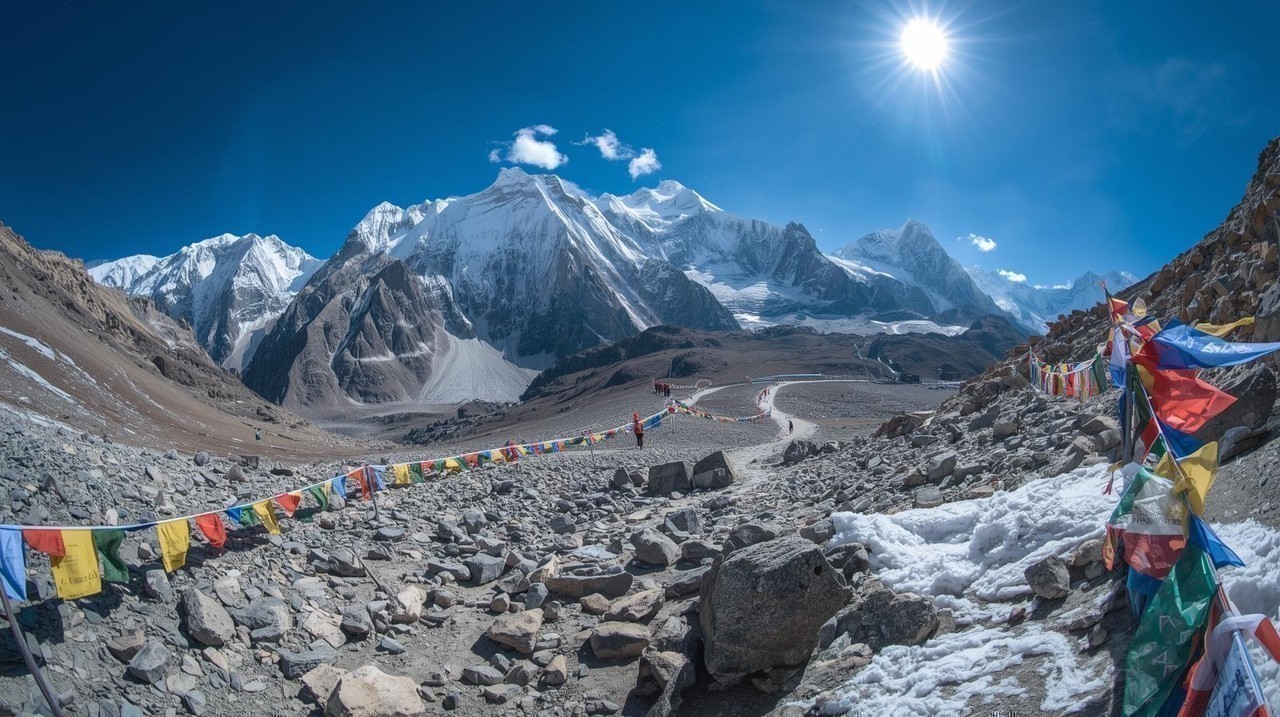
The Everest Base Camp trek takes you through Nepal’s Khumbu region to the base of Mount Everest at an altitude of 5,364 meters (17,598 feet). The journey offers dramatic mountain views, Sherpa culture, monasteries, glaciers, and suspension bridges. The trek is challenging but achievable for fit beginners with proper acclimatization.
The classic Everest Base Camp route starts with a flight from Kathmandu to Lukla, which is considered one of the most scenic flights in the world. From Lukla, the trek follows well-established villages and trails used by climbers and locals.
The usual trekking route is:
Lukla to Phakding
Phakding to Namche Bazaar
Namche Bazaar acclimatization day
Namche Bazaar to Tengboche
Tengboche to Dingboche
Dingboche acclimatization day
Dingboche to Lobuche
Lobuche to Gorakshep
Gorakshep to Everest Base Camp
Gorakshep to Kala Patthar (viewpoint)
Return trek via the same route to Lukla
This route is popular because it allows gradual altitude gain, proper rest days, and access to lodges and medical facilities.
The total trekking distance is approximately 130 kilometers (round trip). Most trekkers complete the journey in 12 to 14 days, including acclimatization days. The daily walking time ranges from 5 to 7 hours depending on altitude and pace.
The cost of the Everest Base Camp trek in 2026 depends on travel style, services, and season.
Budget trekkers usually spend ₹1,10,000 to ₹1,40,000 per person. This includes permits, local transport, food, tea-house stays, and basic guide services.
Mid-range trekkers spend ₹1,60,000 to ₹2,00,000 per person. This includes guided trekking, porter support, better lodging, domestic flights, and meals.
Premium or fully guided packages can cost ₹2,20,000 to ₹2,80,000 or more, including experienced guides, porters, oxygen support, better accommodation in Kathmandu, and full logistics.
International flight tickets to Kathmandu are not usually included and are charged separately.
Trekkers need two main permits. The Khumbu Pasang Lhamu Rural Municipality Permit and the Sagarmatha National Park Entry Permit. Combined, permit costs are approximately ₹4,500 to ₹6,000 depending on nationality and seasonal updates.
Accommodation during the trek is mainly in tea houses. Rooms are basic with twin beds and shared bathrooms at higher altitudes. Cost per night ranges from ₹500 to ₹2,000, increasing as altitude rises.
Food costs are higher at altitude due to transportation challenges. A daily food budget of ₹1,500 to ₹2,500 is realistic. Meals include dal bhat, noodles, soups, eggs, potatoes, and tea.
Hiring a licensed guide costs around ₹2,000 to ₹3,000 per day. Porters cost approximately ₹1,500 to ₹2,000 per day and usually carry up to 15–20 kg. Hiring local staff improves safety and supports the local economy.
The best seasons for the Everest Base Camp trek are spring and autumn.
Spring season runs from March to May. Weather is stable, temperatures are moderate, and rhododendron forests bloom. This is also the main Everest climbing season, so trails are lively.
Autumn season runs from September to November. Skies are clear, views are sharp, and conditions are dry. This is considered the best overall season for visibility and trekking comfort.
Winter season from December to February is extremely cold, especially at night, with heavy snowfall at higher elevations. Trekking is possible but challenging and not ideal for beginners.
Monsoon season from June to August brings rain, cloud cover, and flight delays. Trails can be slippery, and mountain views are limited.
The Everest Base Camp trek is rated as moderate to challenging. No technical climbing skills are required, but good physical fitness is essential. Cardiovascular endurance, leg strength, and mental preparedness are key. Altitude is the main challenge, not distance.
Proper acclimatization is critical. Rest days at Namche Bazaar and Dingboche allow the body to adapt. Symptoms like headache, nausea, and dizziness should never be ignored. Slow ascent and hydration are essential for safety.
Key items include layered clothing, down jacket, thermal wear, waterproof outerwear, trekking boots, gloves, woolen socks, sleeping bag, sunscreen, sunglasses, and basic medicines. Charging electronics and hot showers cost extra at higher altitudes.
Mobile network coverage is available up to certain villages but becomes unreliable higher up. Wi-Fi is available in many tea houses at an extra cost. Power charging is usually paid per device.
The trek is not just about reaching base camp. It is about experiencing Sherpa hospitality, walking beneath the world’s tallest peaks, and pushing personal limits. The views of Everest, Lhotse, Ama Dablam, and Nuptse leave a lifelong impression.
The Everest Base Camp trek in 2026 remains a once-in-a-lifetime journey for adventure seekers. With proper planning, the right season, and realistic budgeting, it is achievable even for first-time high-altitude trekkers. Understanding costs, routes, and seasonal conditions helps ensure a safe and memorable experience.
Disclaimer: Trek costs, weather conditions and permit rules may change based on local regulations and seasonal factors. Always confirm details with authorized trekking agencies before planning.
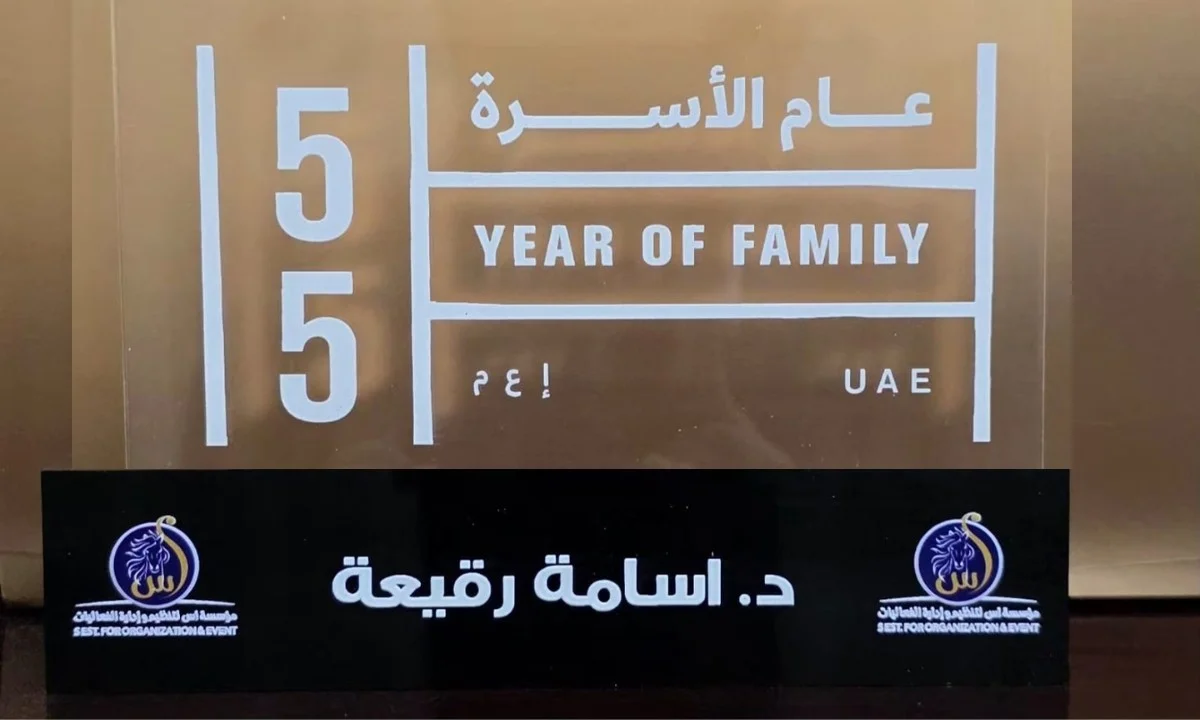
Family Wins “Family of the Year 2026” at Noor Al Quran Event in Ras Al Khaimah
A family honored at the Noor Al Quran initiative in Ras Al Khaimah for Quran memorization and strong

US Approves $16.5B Arms Deal Amid Iran War Escalation
US approves $16.5B arms sale to Gulf allies and $7B to UAE, boosting defence amid Iran tensions whil
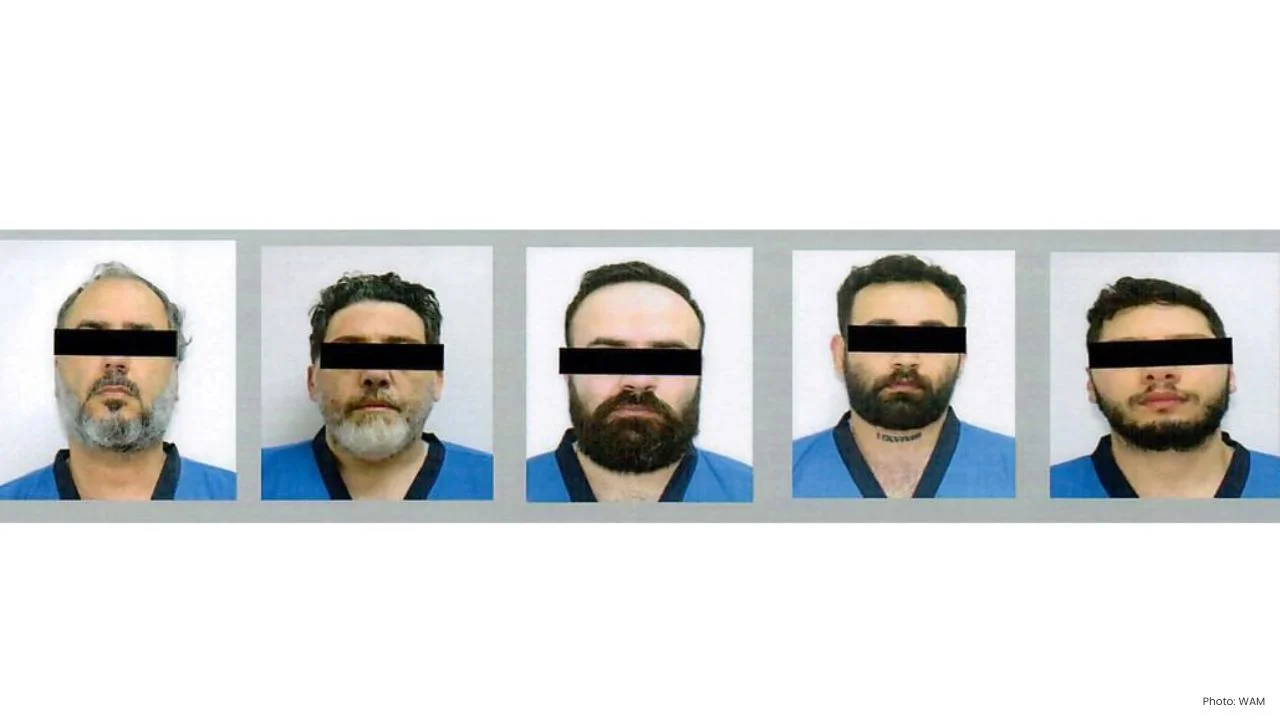
UAE Busts Hezbollah-Iran Terror Network, Members Held
UAE authorities have broken a terror network linked to Hezbollah and Iran, arresting members accused

Swiatek Stunned by Linette in Miami Open Upset Shock
Iga Swiatek suffered a shocking defeat to Magda Linette at the Miami Open, marking her first opening

UAE Orphan Fund Raises AED 3.3 Billion in Ramadan Drive
UAE’s Mother of the Nation Orphan Fund raises AED 3.3B in Ramadan, boosting support for education, h

Ramadan in the UAE: Reflections on Humanity, Leadership, and Lasting Values
A heartfelt Ramadan reflection by Osama Regaah on UAE’s spirit of humility, unity, and leadership, a
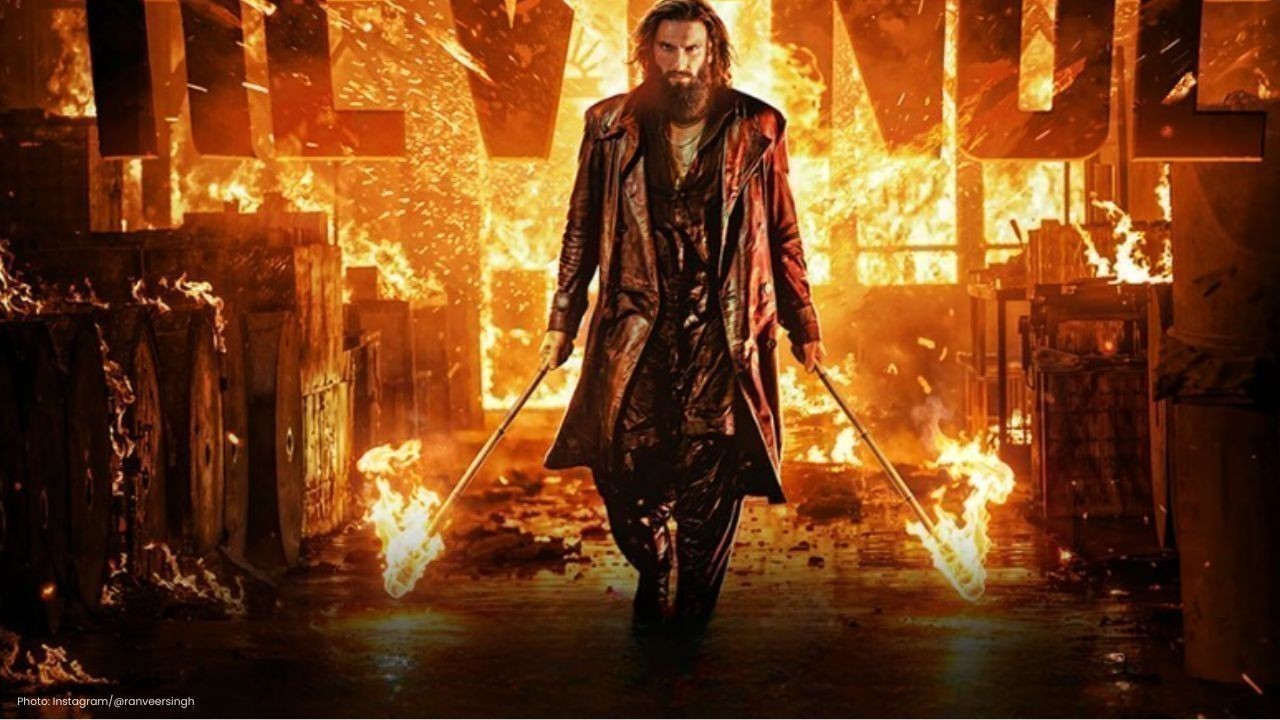
Dhurandhar 2 Opens Big, Crosses ₹100 Cr on Day 1
Ranveer Singh starrer Dhurandhar 2 earns ₹102 Cr on day one despite delays, beating past Bollywood o


Bank of Baroda Faces Abu Dhabi Legal Battle over NMC Collapse
Bank of Baroda’s involvement in Abu Dhabi litigation tied to the NMC Healthcare collapse raises repu
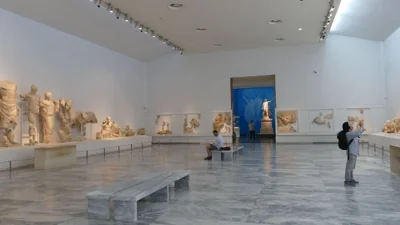
Top Museum Openings of 2026 Set to Transform Global Tourism
From Los Angeles to Abu Dhabi and Brussels, 2026 brings major museum launches—Lucas Museum, Guggenhe
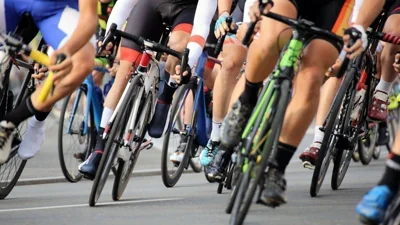
UAE Tour Highlights UAE’s Strength in Hosting Global Sports Events
Abu Dhabi Sports Council says the successful UAE Tour reflects the UAE’s leading role in hosting maj
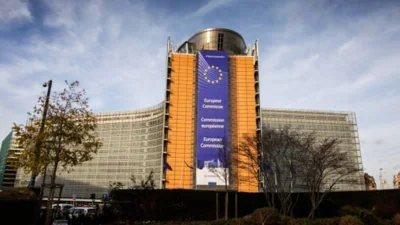
EU Seeks Clarity from US After Supreme Court IEEPA Ruling
European Commission urges full transparency from the US on steps after Supreme Court ruling, emphasi
SpaceX Launches 53 New Satellites for Expanding Starlink Network
SpaceX launches 53 Starlink satellites in two Falcon 9 missions, breaking reuse records and expandin

RTA Awards Contract for Phase II of Hessa Street Upgrade in Dubai
Phase II of Hessa Street Development to add bridges, tunnel, and upgraded intersections, doubling ca

UAE Gold Prices Today, Monday 16 February 2026: Dubai & Abu Dhabi Updated Rates
Gold prices in UAE on 16 Feb 2026 updated: 24K around AED 599.75/gm, 22K AED 555.25/gm, and 18K AED
Over 25 Ahmedabad Schools Receive Bomb Threat Email, Authorities Investigate
More than 25 schools in Ahmedabad evacuated after bomb threat emails mentioning Khalistan. Authoriti