
Post by : Anis Karim
Once a topic relegated to drought-affected areas, water scarcity is now a part of daily routines—marked by reduced water supply hours, reliance on tankers, increasing water bills, and usage restrictions. What used to be a sporadic inconvenience has evolved into a consistent struggle for countless individuals.
This change highlights a severe underlying issue. Water scarcity transcends isolated incidents; it is driven by the interplay of population growth, climate change, urban expansion, and mismanagement.
As populations swell, so does the necessity for water—for drinking, cooking, sanitation, agriculture, and industrial needs. Conversely, freshwater resources have not seen significant increases.
The disparity between demand and availability is growing, leading to immense stress on rivers, lakes, and aquifers.
Urban areas are heavy consumers of water. Rapid growth has not only amplified demand but has also diminished natural replenishing zones due to concrete structures.
Cities now vie with rural farming for the same dwindling water supplies.
Groundwater has become the go-to water source for many regions. Over-extraction through boreholes has resulted in declining water tables, compelling households and farmers to dig deeper each year.
Once groundwater levels fall beyond a certain threshold, recovery becomes incredibly challenging.
Since groundwater depletion isn’t promptly visible, its severity is often underestimated. By the time wells run dry, extensive damage has occurred.
This hidden depletion significantly contributes to the long-term issue of water scarcity.
Climate change has rendered rainfall patterns erratic. Extended dry spells followed by torrential downpours hinder effective water storage.
Excessive rain often flows off without replenishing aquifers, while long dry periods deplete existing reserves.
Higher temperatures speed up evaporation from lakes, reservoirs, and soil, diminishing the usable water even when rainfall appears adequate.
The combined effects exacerbate shortages throughout the year.
Agriculture is the largest user of freshwater. Crops that require high water usage, especially in unsuitable climates, deplete local water sources rapidly.
Subpar irrigation practices only exacerbate waste, limiting water for other needs.
As water supplies dwindle, farmers find themselves with diminishing yields and increasing costs. This situation affects food supply, prices, and rural livelihoods.
Ultimately, water scarcity in agriculture resonates with everyone.
A considerable amount of treated water is wasted due to leaking pipes and outdated infrastructure, limiting effective supply without meeting demand.
Addressing leakages often proves economically viable yet remains neglected.
In numerous urban areas, water availability differs greatly across neighborhoods. Some receive daily supplies while others depend on tankers or private vendors.
Such disparities transform water into a social and economic divide.
People are modifying their daily habits—reusing water, minimizing usage, and stocking supplies when possible. Water management has now become as crucial as meal planning.
Shortages take a toll on hygiene, health, and overall quality of life.
With rising scarcity, the cost of acquiring water escalates. Reliance on tanker services, bottled water, and private boreholes raises household expenses.
For many, the financial burden of water scarcity cannot be overlooked.
Limited water availability significantly impacts sanitation and hygiene, heightening the risk of waterborne diseases and public health concerns.
The repercussions are even more pronounced in densely populated, low-income areas.
Scarcity often forces individuals to utilize lower-quality water sources. Contamination risks escalate when supply systems are under strain.
Access to safe water becomes increasingly difficult as availability diminishes.
Sectors like manufacturing, energy production, and construction heavily rely on water. Shortages interrupt operations and inflate costs.
Water scarcity is emerging as a significant risk to business continuity.
Regions with unreliable water supplies face challenges in attracting investment. Over time, water stress can hinder economic progress.
Water security increasingly correlates with economic stability.
While conserving water is essential, it cannot address the crisis alone. Without strategic planning, storage, and management, savings will prove temporary.
Long-term solutions necessitate systemic transformation.
Water challenges are region-specific. Generic solutions often fail to address localized needs.
Community engagement plays a pivotal role in effective management.
Collecting rainwater and facilitating groundwater recharge can significantly boost local water resources. These approaches are most effective when widely adopted.
They help transform rainfall into a long-term asset instead of mere runoff.
Cities must incorporate water management strategies into their planning processes. Protecting wetlands, lakes, and recharge zones is critical.
Water-sensitive designs can alleviate future pressures.
Transitioning to water-efficient irrigation methods and appropriate crops can minimize water usage while sustaining productivity.
Reforming agriculture stands central to resolving water scarcity.
Water shortages no longer just occur during summer months. Many regions are now under constant stress.
This ongoing reality calls for both behavioral and policy modifications.
Addressing water scarcity isn’t solely the responsibility of governments. Households, businesses, and communities must all contribute.
The choices we make daily hold lasting effects.
Water scarcity has shifted from mere headlines to a tangible issue in our homes. It reshapes our routines, financial burdens, health, and future security. While the crisis has been gradual, its ramifications are increasingly challenging to overlook.
Addressing water scarcity necessitates more than just quick fixes. It demands smarter utilization, enhanced planning, and a collective shift in how we perceive the value of water. As availability declines, both awareness and proactive efforts must expand—because water is now not merely a resource; it is a daily challenge.
This article serves as informational content. Water availability and the associated challenges are influenced by regional climate, infrastructure, and governance.
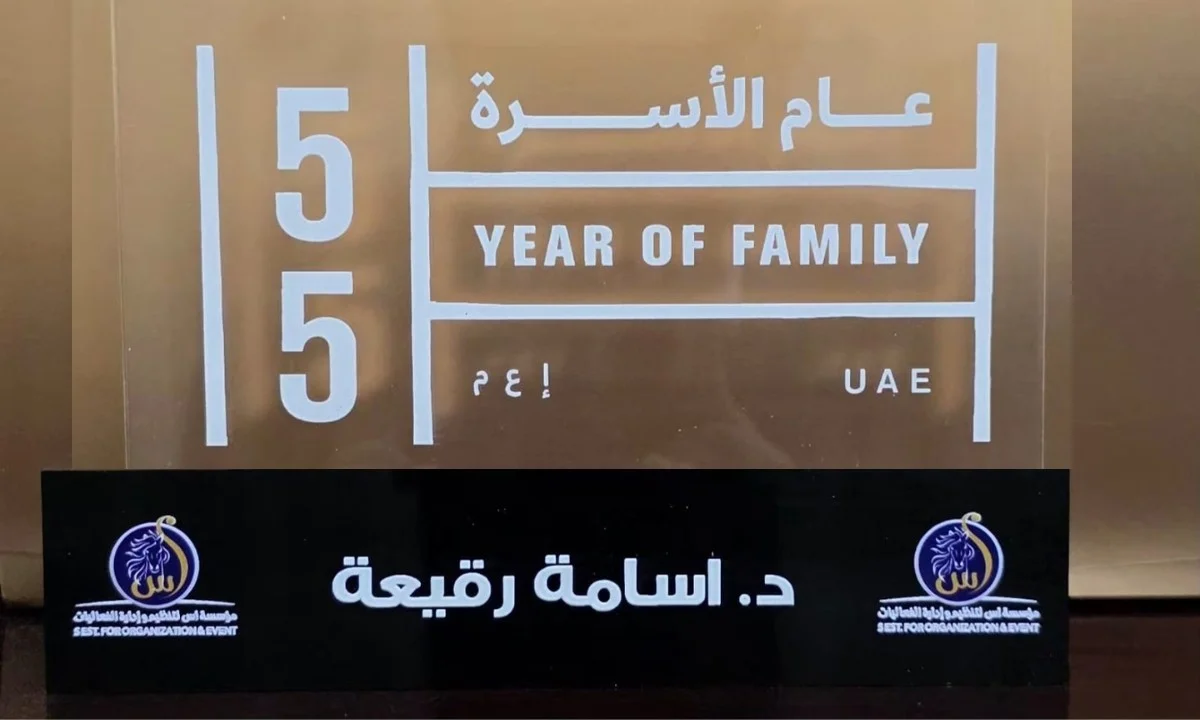
Family Wins “Family of the Year 2026” at Noor Al Quran Event in Ras Al Khaimah
A family honored at the Noor Al Quran initiative in Ras Al Khaimah for Quran memorization and strong

US Approves $16.5B Arms Deal Amid Iran War Escalation
US approves $16.5B arms sale to Gulf allies and $7B to UAE, boosting defence amid Iran tensions whil

UAE Busts Hezbollah-Iran Terror Network, Members Held
UAE authorities have broken a terror network linked to Hezbollah and Iran, arresting members accused

Swiatek Stunned by Linette in Miami Open Upset Shock
Iga Swiatek suffered a shocking defeat to Magda Linette at the Miami Open, marking her first opening

UAE Orphan Fund Raises AED 3.3 Billion in Ramadan Drive
UAE’s Mother of the Nation Orphan Fund raises AED 3.3B in Ramadan, boosting support for education, h

Ramadan in the UAE: Reflections on Humanity, Leadership, and Lasting Values
A heartfelt Ramadan reflection by Osama Regaah on UAE’s spirit of humility, unity, and leadership, a

Dhurandhar 2 Opens Big, Crosses ₹100 Cr on Day 1
Ranveer Singh starrer Dhurandhar 2 earns ₹102 Cr on day one despite delays, beating past Bollywood o


Bank of Baroda Faces Abu Dhabi Legal Battle over NMC Collapse
Bank of Baroda’s involvement in Abu Dhabi litigation tied to the NMC Healthcare collapse raises repu

Top Museum Openings of 2026 Set to Transform Global Tourism
From Los Angeles to Abu Dhabi and Brussels, 2026 brings major museum launches—Lucas Museum, Guggenhe

UAE Tour Highlights UAE’s Strength in Hosting Global Sports Events
Abu Dhabi Sports Council says the successful UAE Tour reflects the UAE’s leading role in hosting maj

EU Seeks Clarity from US After Supreme Court IEEPA Ruling
European Commission urges full transparency from the US on steps after Supreme Court ruling, emphasi
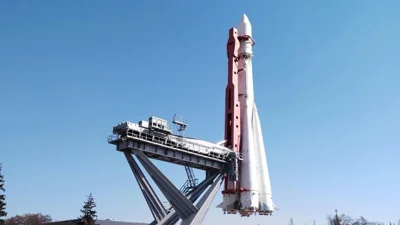
SpaceX Launches 53 New Satellites for Expanding Starlink Network
SpaceX launches 53 Starlink satellites in two Falcon 9 missions, breaking reuse records and expandin

RTA Awards Contract for Phase II of Hessa Street Upgrade in Dubai
Phase II of Hessa Street Development to add bridges, tunnel, and upgraded intersections, doubling ca

UAE Gold Prices Today, Monday 16 February 2026: Dubai & Abu Dhabi Updated Rates
Gold prices in UAE on 16 Feb 2026 updated: 24K around AED 599.75/gm, 22K AED 555.25/gm, and 18K AED

Over 25 Ahmedabad Schools Receive Bomb Threat Email, Authorities Investigate
More than 25 schools in Ahmedabad evacuated after bomb threat emails mentioning Khalistan. Authoriti