Post by : Anis Karim
Hepatitis A is an acute liver infection triggered by the hepatitis A virus (HAV). This highly contagious virus spreads mainly through the fecal-oral route. Hepatitis A leads to liver inflammation, which can impair its functioning temporarily, with symptoms typically surfacing 14 to 28 days post-exposure. Unlike other hepatitis types, such as B or C, hepatitis A does not result in chronic liver conditions, and most individuals recover completely, gaining lifelong immunity post-infection or vaccination. Nonetheless, older adults, those with weakened immune systems, and individuals with pre-existing liver issues can face more severe complications. The World Health Organization (WHO) identifies unsafe water supply, poor sanitation, and inadequate hygiene as primary contributors to hepatitis A outbreaks globally.
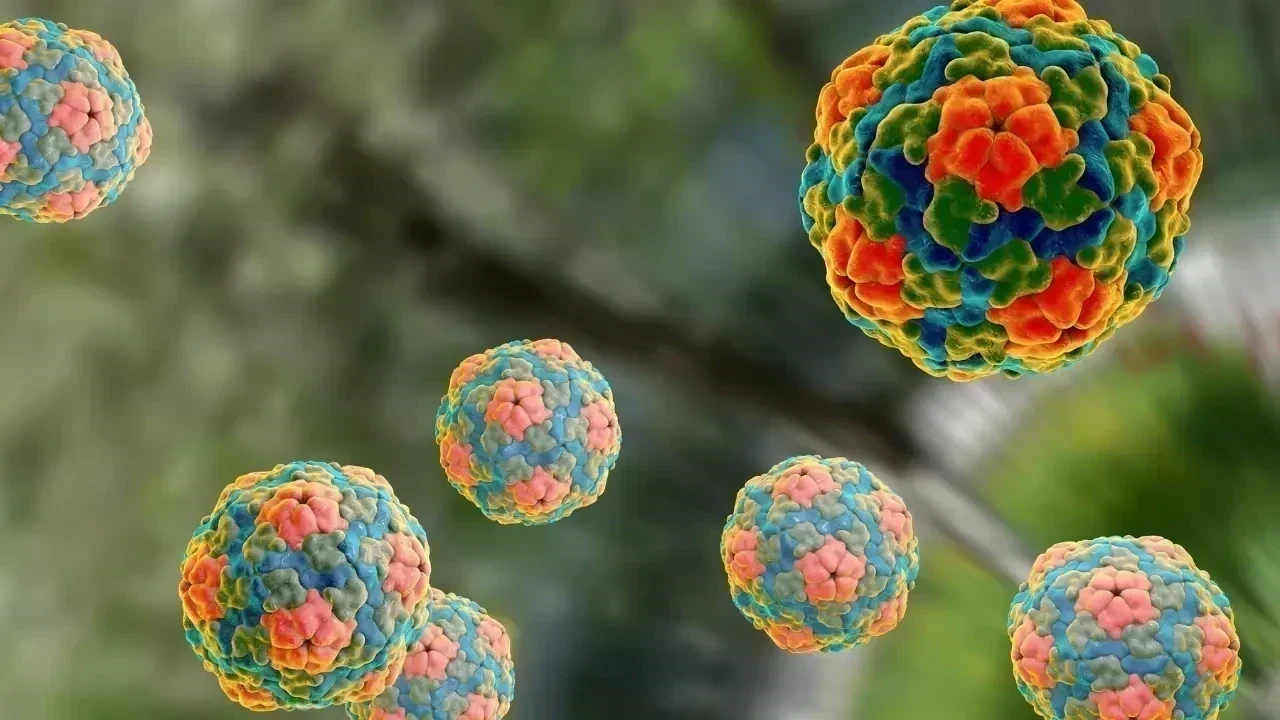
Hepatitis A infection is caused by the hepatitis A virus (HAV), an RNA virus that exists in a non-enveloped form and infects liver cells, leading to inflammation. It typically transmits when a person ingests food or water contaminated by the feces of an infected individual. This fecal-oral transmission is particularly prevalent in underdeveloped areas with poor sanitation and hygiene conditions. Furthermore, HAV is resilient in the environment, surviving on various surfaces and foods, thus enhancing its spread.
Hepatitis A can manifest symptoms ranging from mild to severe illness. Although most individuals recover within weeks or months and do not suffer permanent liver damage, rare instances of acute liver failure can occur, especially among high-risk populations. Importantly, recovering from hepatitis A generally leads to lifelong immunity, making reinfection highly unlikely.
The predominant transmission method of HAV is through fecal-oral contact, meaning the virus must be ingested via contaminated material. Common transmission routes include:
Consuming food prepared by someone infected with HAV who did not wash their hands effectively after using the restroom.
Drinking water that is tainted with fecal matter.
Eating raw or undercooked shellfish gathered from polluted waters.
Engaging in close contact with an individual who is infected, even if asymptomatic.
Certain sexual practices may result in transmission via oral-anal contact.
It’s important to note that HAV is not transmitted through casual contact like sneezing or coughing; direct ingestion of contaminated material is necessary.
Outbreaks are more prevalent in regions where sanitation is inadequate, water treatment practices are poor, and personal hygiene is neglected. Such conditions raise the risk of food or water contamination.
Symptoms typically develop 2–6 weeks after exposure. During this incubation phase, the virus replicates within the liver, and some individuals, especially children, may not exhibit any symptoms, remaining contagious.
When symptoms do manifest, they can include:
Fever and fatigue
Loss of appetite, nausea, and vomiting
Abdominal pain primarily in the upper right area beneath the ribs
Dark urine and pale, clay-color stools
Jaundice — yellowing of the skin and eyes
Joint pain and muscle aches
**Mild diarrhea or constipation can occur in some cases.
Most adults will endure visible symptoms for several weeks, while children may have less noticeable or more subtle forms of the infection.
While most recover fully without enduring side effects, cases of acute liver failure are rare but can be critical, especially among older adults, those with liver disease, or individuals with compromised immune systems. Hospitalization may be necessary in such instances.
Diagnosis often begins with a thorough medical history and physical examination, paying close attention to jaundice and abdominal sensitivity. Healthcare providers will also consider possible exposure history, travel, food intake, and contact with known cases.
Blood tests are crucial for confirming an HAV infection. These tests usually look for specific antibodies that signify recent infection (IgM) or past exposure or immunity (IgG). Elevated liver enzymes in blood work can further indicate liver inflammation.
Currently, there is no specific antiviral treatment for hepatitis A, so care focuses on supportive measures to aid recovery and ensure comfort:
Rest — minimizing physical activity enables the body to combat the infection.
Hydration — maintaining fluid intake helps prevent dehydration, especially if vomiting or diarrhea occurs.
Nutrition — a balanced diet can bolster liver health and recovery.
Avoidance of alcohol and substances that stress the liver until fully recovered.
Most people recover between a few weeks to a couple of months, influenced by age, overall health, and symptom severity.
Seek medical help for severe symptoms like persistent vomiting, confusion, signs of dehydration, or indicators of liver failure. High-risk individuals should have consistent monitoring by a healthcare professional.
The most effective route to prevent hepatitis A is through vaccination. This safe and effective vaccine is administered in a two-dose regimen, with a booster recommended several months later. Individuals who are vaccinated develop lasting immunity against HAV.
Vaccination is particularly crucial for:
All young children as part of their routine immunization schedule.
Travelers heading to regions where hepatitis A is prevalent.
Individuals with chronic liver diseases or other health issues that heighten their risk.
Persons experiencing homelessness or living in conditions with poor sanitation.
Maintaining personal and community hygiene is vital in preventing the spread of infection:
Thoroughly wash hands with soap and water before meals and after bathroom use.
Ensure access to safe drinking water and effective sewage treatment.
Avoid consumption of raw or undercooked shellfish sourced from potentially contaminated waters.
Implement safe food practices, especially in areas identified as high risk.
These preventive measures are especially important in settings affected by outbreaks or lacking appropriate sanitation.
Outbreaks are more frequent in regions with insufficient public health infrastructure, unsafe water sources, or low vaccination uptake. Recently, there have been notable outbreaks in areas like Kerala, India, with substantial case numbers and fatalities, underscoring the ongoing public health issues surrounding HAV.
Responses to public health crises typically focus on rapid identification of cases, vaccination campaigns, promoting good hygiene and improving sanitation systems to limit further outbreaks.
Individuals recovering from hepatitis A can usually manage symptoms at home through rest, hydration, and nutritious eating. Avoiding alcohol and liver-stressing substances during recovery is crucial. Follow-ups with healthcare providers are essential to monitor liver function and track recovery progress.
People diagnosed with HAV are advised to limit contact with others while contagious, employ diligent hand hygiene, and inform close contacts so they may undergo evaluation and, if necessary, vaccination.
Hepatitis A continues to be a notable, yet largely preventable, liver infection. Understanding its transmission, recognizing symptoms early, and promoting vaccination and hygiene are fundamental to minimizing its occurrence. While most individuals recover completely, proactive prevention and medical care are critical in managing hepatitis A and enhancing public health safety.
Disclaimer:
This article is designed for informational purposes only and is not a substitute for professional medical advice. If you suspect you have hepatitis A, consult a qualified healthcare provider for a definitive diagnosis and personalized recommendations.

Family Wins “Family of the Year 2026” at Noor Al Quran Event in Ras Al Khaimah
A family honored at the Noor Al Quran initiative in Ras Al Khaimah for Quran memorization and strong

US Approves $16.5B Arms Deal Amid Iran War Escalation
US approves $16.5B arms sale to Gulf allies and $7B to UAE, boosting defence amid Iran tensions whil

UAE Busts Hezbollah-Iran Terror Network, Members Held
UAE authorities have broken a terror network linked to Hezbollah and Iran, arresting members accused

Swiatek Stunned by Linette in Miami Open Upset Shock
Iga Swiatek suffered a shocking defeat to Magda Linette at the Miami Open, marking her first opening

UAE Orphan Fund Raises AED 3.3 Billion in Ramadan Drive
UAE’s Mother of the Nation Orphan Fund raises AED 3.3B in Ramadan, boosting support for education, h

Ramadan in the UAE: Reflections on Humanity, Leadership, and Lasting Values
A heartfelt Ramadan reflection by Osama Regaah on UAE’s spirit of humility, unity, and leadership, a

Dhurandhar 2 Opens Big, Crosses ₹100 Cr on Day 1
Ranveer Singh starrer Dhurandhar 2 earns ₹102 Cr on day one despite delays, beating past Bollywood o


Bank of Baroda Faces Abu Dhabi Legal Battle over NMC Collapse
Bank of Baroda’s involvement in Abu Dhabi litigation tied to the NMC Healthcare collapse raises repu

Top Museum Openings of 2026 Set to Transform Global Tourism
From Los Angeles to Abu Dhabi and Brussels, 2026 brings major museum launches—Lucas Museum, Guggenhe

UAE Tour Highlights UAE’s Strength in Hosting Global Sports Events
Abu Dhabi Sports Council says the successful UAE Tour reflects the UAE’s leading role in hosting maj

EU Seeks Clarity from US After Supreme Court IEEPA Ruling
European Commission urges full transparency from the US on steps after Supreme Court ruling, emphasi

SpaceX Launches 53 New Satellites for Expanding Starlink Network
SpaceX launches 53 Starlink satellites in two Falcon 9 missions, breaking reuse records and expandin

RTA Awards Contract for Phase II of Hessa Street Upgrade in Dubai
Phase II of Hessa Street Development to add bridges, tunnel, and upgraded intersections, doubling ca

UAE Gold Prices Today, Monday 16 February 2026: Dubai & Abu Dhabi Updated Rates
Gold prices in UAE on 16 Feb 2026 updated: 24K around AED 599.75/gm, 22K AED 555.25/gm, and 18K AED

Over 25 Ahmedabad Schools Receive Bomb Threat Email, Authorities Investigate
More than 25 schools in Ahmedabad evacuated after bomb threat emails mentioning Khalistan. Authoriti