Post by : Sam Jeet Rahman
Biometric payments—using your palm, face, fingerprint, or even your voice to make transactions—are rapidly becoming the next big shift in global payment technology. With major companies introducing palm-based scanners, facial recognition payment systems, and biometric-enabled ATMs, the world is moving closer to a future where cards, cash, and even phones are no longer necessary. But with convenience comes concern. People worry: Is it actually safe to store and use biometric data for payments? What if the system gets hacked? Can your identity be misused? This article explains how biometric payments work, how secure they really are, and what risks you need to be aware of before using them.
Biometrics offer quick, contactless, and password-free payments. Consumers no longer need to pull out a card, type PINs, or unlock their phones.
No passwords to forget. Fast authentication. Lower risk of stolen cards. Convenient for public places. Less physical contact, which increased acceptance post-pandemic.
Because physical biometrics cannot be easily lost, forgotten, or replicated, businesses prefer them for strengthening security while improving customer experience.
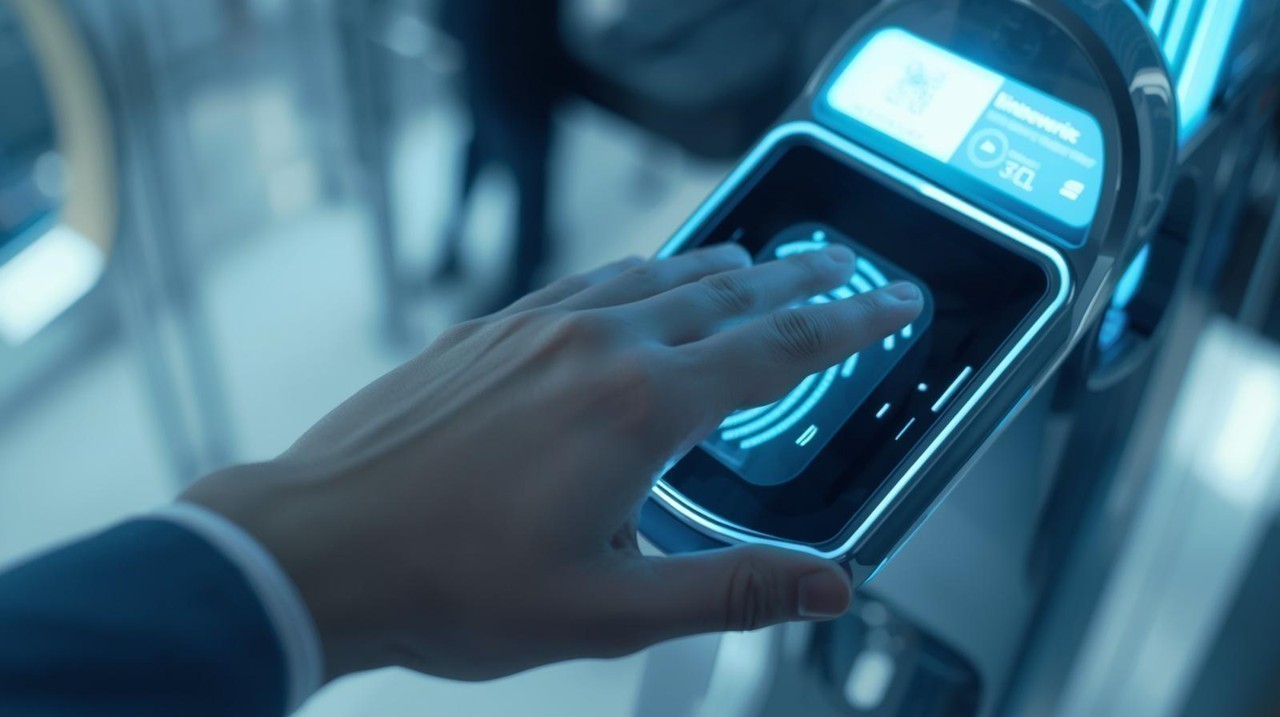
Biometric payment systems use unique physical identifiers like facial structure, palm vein patterns, or fingerprints to authenticate a transaction.
Your biometric data is scanned. The system converts it into encrypted digital code. This code is matched with your stored profile. If matched, payment is approved instantly.
Importantly, most systems do not store raw images. They store encrypted mathematical representations that cannot be reverse-engineered into your actual biometric image.
Biometrics go far beyond fingerprints. Newer systems rely on deeper and more unique biological markers.
Facial recognition for mobile payments and kiosks. Palm-vein or palm-print scanning. Fingerprint scanners in apps and payment devices. Voice-based payment authentication.
Palm-based payments are gaining fast adoption because vein patterns inside the hand are extremely difficult to replicate, making them highly secure.
Biometric data is considered more secure than traditional passwords because it’s unique to each person and cannot be guessed.
Biometrics cannot be forgotten or stolen physically. Encrypted templates prevent raw data leaks. Multi-factor options (biometric + token) offer layered security. Spoofing detection prevents fake faces or fingerprints from working.
Many systems also add liveness detection to ensure the biometric belongs to a real, living person rather than a photograph or replica.
This is a common fear. While no system is 100 percent hack-proof, biometric systems make theft extremely difficult.
They cannot recreate your face or palm from encrypted templates. They cannot use your biometrics without physical presence. They cannot bypass liveness checks easily.
Most attacks on payment systems happen through weak passwords or phishing—not through biometrics.
Even though rare, it is a valid concern. Passwords can be changed; fingerprints cannot.
Encrypted biometric templates cannot be converted back to real biometric images. Biometric systems use advanced hashing that changes with each scan. Multi-layer storage protocols isolate data from external networks.
For added protection, biometric payments are often combined with device-level authentication, making misuse nearly impossible.
People worry that storing fingerprints or facial data might allow companies to track them.
Most systems store data locally on devices, not on company servers. Palm-vein systems don’t capture external images; they scan sub-surface patterns. Regulations such as GDPR and PCI DSS restrict how biometric data can be used.
In many cases, biometric authentication increases privacy because users don’t need to share email IDs, phone numbers, or card details.
The adoption is expanding quickly, driven by customer demand for faster and more secure payment experiences.
Retail checkouts with face or palm scans. Public transport tap-and-go systems. Gyms and membership access. Airport boarding and duty-free shopping. Digital wallets using face unlock.
As adoption increases, businesses benefit from reduced fraud and faster processing times.
Biometrics are ideal for anyone who values speed, convenience, and security.
Frequent travelers. Busy shoppers. Users who misplace cards often. People who prefer contactless transactions. Anyone wanting stronger security than passwords.
However, those uncomfortable with biometric data storage can continue using traditional methods without restrictions.
Even though biometrics are secure, they still come with certain risks.
Technical glitches if sensors fail. Difficulty using the system with injuries or biometric changes. Limited acceptance across all merchants. Potential misuse if regulations aren't followed by service providers.
Choosing reputable providers and reading privacy policies can reduce these risks significantly.
The next few years will bring even more advanced solutions combining biometrics with artificial intelligence.
Voice and behavior-based payments. Multi-biometric systems using face + palm together. Ultra-secure vein recognition across ATMs. AI-powered fraud detection monitoring patterns in real time.
Biometrics will eventually replace PINs and passwords altogether, creating a highly secure and seamless global payment ecosystem.
Biometric payments offer fast, secure, and convenient ways to complete transactions. With advanced encryption, liveness detection, and government-regulated storage standards, using your face or palm to pay is generally safe. While no system is perfect, biometric payments significantly reduce fraud and simplify everyday transactions. As long as users choose trusted providers and understand how data is stored, biometric payments are a reliable and future-ready option.
This article is intended solely for informational purposes and does not constitute technical, financial, or legal advice. Biometric payment systems vary by provider, region, and device, and security levels may differ based on implementation. Readers should review the terms, privacy policies, and security practices of their chosen payment platforms before relying on biometric payment methods.

Family Wins “Family of the Year 2026” at Noor Al Quran Event in Ras Al Khaimah
A family honored at the Noor Al Quran initiative in Ras Al Khaimah for Quran memorization and strong
US Approves $16.5B Arms Deal Amid Iran War Escalation
US approves $16.5B arms sale to Gulf allies and $7B to UAE, boosting defence amid Iran tensions whil
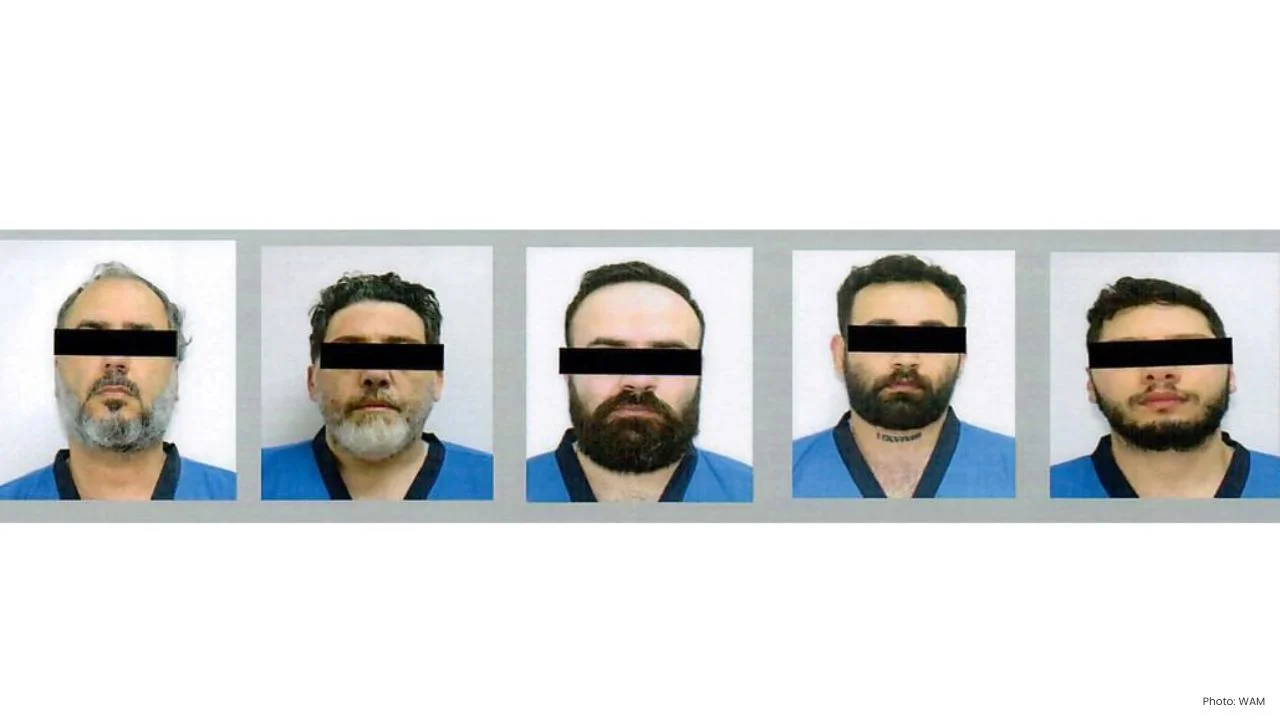
UAE Busts Hezbollah-Iran Terror Network, Members Held
UAE authorities have broken a terror network linked to Hezbollah and Iran, arresting members accused

Swiatek Stunned by Linette in Miami Open Upset Shock
Iga Swiatek suffered a shocking defeat to Magda Linette at the Miami Open, marking her first opening

UAE Orphan Fund Raises AED 3.3 Billion in Ramadan Drive
UAE’s Mother of the Nation Orphan Fund raises AED 3.3B in Ramadan, boosting support for education, h

Ramadan in the UAE: Reflections on Humanity, Leadership, and Lasting Values
A heartfelt Ramadan reflection by Osama Regaah on UAE’s spirit of humility, unity, and leadership, a

Dhurandhar 2 Opens Big, Crosses ₹100 Cr on Day 1
Ranveer Singh starrer Dhurandhar 2 earns ₹102 Cr on day one despite delays, beating past Bollywood o


Bank of Baroda Faces Abu Dhabi Legal Battle over NMC Collapse
Bank of Baroda’s involvement in Abu Dhabi litigation tied to the NMC Healthcare collapse raises repu

Top Museum Openings of 2026 Set to Transform Global Tourism
From Los Angeles to Abu Dhabi and Brussels, 2026 brings major museum launches—Lucas Museum, Guggenhe
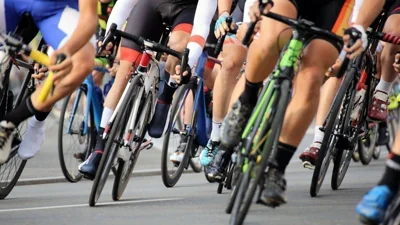
UAE Tour Highlights UAE’s Strength in Hosting Global Sports Events
Abu Dhabi Sports Council says the successful UAE Tour reflects the UAE’s leading role in hosting maj
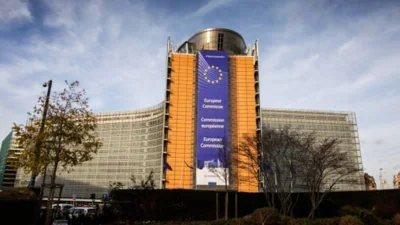
EU Seeks Clarity from US After Supreme Court IEEPA Ruling
European Commission urges full transparency from the US on steps after Supreme Court ruling, emphasi

SpaceX Launches 53 New Satellites for Expanding Starlink Network
SpaceX launches 53 Starlink satellites in two Falcon 9 missions, breaking reuse records and expandin

RTA Awards Contract for Phase II of Hessa Street Upgrade in Dubai
Phase II of Hessa Street Development to add bridges, tunnel, and upgraded intersections, doubling ca

UAE Gold Prices Today, Monday 16 February 2026: Dubai & Abu Dhabi Updated Rates
Gold prices in UAE on 16 Feb 2026 updated: 24K around AED 599.75/gm, 22K AED 555.25/gm, and 18K AED
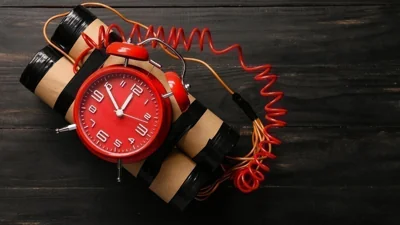
Over 25 Ahmedabad Schools Receive Bomb Threat Email, Authorities Investigate
More than 25 schools in Ahmedabad evacuated after bomb threat emails mentioning Khalistan. Authoriti