Post by : Michael Darzi
For much of modern history, the world economy has revolved around the United States, Europe, and a handful of advanced economies. They set the rules, controlled global finance, and influenced how trade, investment, and technology shaped our lives. Emerging markets, often labeled “developing nations,” were considered dependent on aid, foreign investment, and guidance from the West.
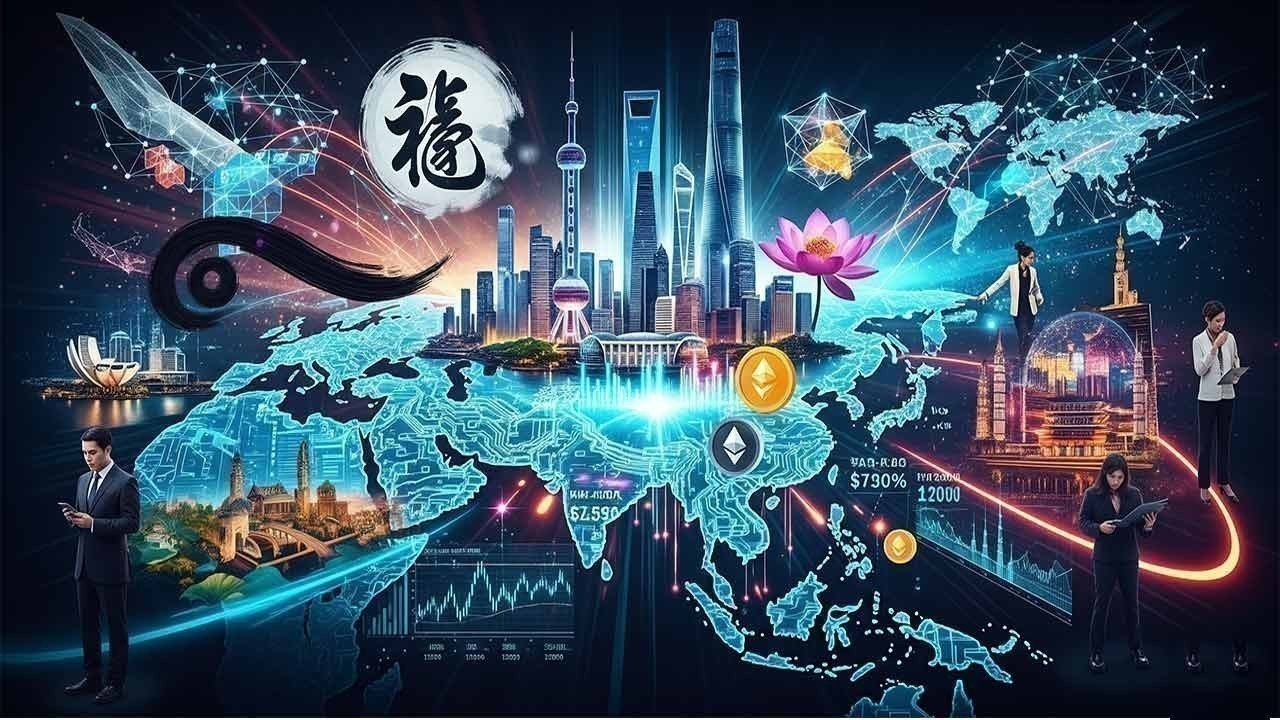
But in 2025, the global picture is changing dramatically. A silent power shift is underway, led by Asia and other emerging markets. These regions are no longer followers—they are becoming leaders in innovation, digital finance, and sustainable growth. Together, they now account for a major share of global GDP and represent the new center of gravity in the world economy.
Asia has become the beating heart of this global shift. With over 4.5 billion people, a young and ambitious workforce, and fast-expanding cities, Asia is now the largest marketplace for goods, services, and ideas.
India has transformed from a service-outsourcing hub to a global digital powerhouse. With the success of UPI (Unified Payments Interface), India has shown the world how fintech innovation can reach even the smallest towns and villages. The country’s booming startup ecosystem, investments in artificial intelligence, and rapid move toward renewable energy are positioning India as a trendsetter in the global economy.
China is also reshaping its role. Once known as the “world’s factory,” it is investing heavily in electric vehicles, robotics, and green technologies. Even with slower growth compared to the past decade, China remains central to global supply chains and is now competing to lead in future industries instead of simply supplying the world with low-cost goods.
Countries like Vietnam, Indonesia, and the Philippines are benefiting from the “China Plus One” strategy, where global firms diversify their production. With rising middle-class populations, strong manufacturing bases, and a growing appetite for digital technologies, Southeast Asia has become one of the fastest-growing regions in the world.
The message is clear: Asia is not copying the West. It is forging its own path, combining government-driven strategies with entrepreneurial energy and digital-first models.
The shift extends beyond Asia. Emerging economies across Africa, Latin America, and the Middle East are gaining confidence and becoming active players on the world stage.
Africa’s Youth Advantage: Africa has the youngest population globally, and this is becoming its biggest strength. Mobile banking in Kenya, e-commerce platforms in Nigeria, and renewable projects in South Africa are showing how Africa is leapfrogging old models and embracing digital-first solutions.
Middle East’s Diversification: The Gulf states are no longer relying only on oil. The UAE and Saudi Arabia are investing in technology, logistics, and green projects. With strategic locations, they are becoming bridges between Asia, Africa, and Europe, hosting trade corridors like the India-Middle East-Europe Economic Corridor.
Latin America’s Resources: Brazil, Mexico, and Chile are rich in food, lithium, and renewable energy resources. With the global push for clean energy, Latin America’s role is expanding quickly, making it an essential partner for the future of energy security.
Together, these regions are moving away from dependence on the West and building their own trade systems, financial networks, and alliances.
One of the most significant changes happening quietly is the shift away from dollar dominance. While the US dollar is still the most widely used global currency, more countries are experimenting with local currency settlements:
India and the UAE have already begun settling oil and trade deals in rupees and dirhams.
China and Russia are expanding trade in yuan.
African nations are exploring regional currency unions.
This shift doesn’t mean the dollar is disappearing, but it shows that financial power is becoming more distributed, giving emerging markets greater control over their economic future.
For decades, investors saw emerging markets as “high risk, high reward.” Political instability, weak institutions, and fragile infrastructure made them unpredictable. But today, many of these markets have stabilized and modernized.
Governments are stronger and more transparent.
Infrastructure has improved with smart cities, ports, and high-speed connectivity.
Digital tools and regulations make investments safer and faster.
With climate change and global supply chain disruptions forcing diversification, emerging economies are now seen as reliable partners rather than risky bets. Companies worldwide are relocating factories, opening offices, and tapping into new consumer markets in Asia, Africa, and Latin America.
The rise of emerging markets is impressive, but challenges still exist:
Income inequality and poverty gaps remain significant.
Dependence on commodities makes some economies vulnerable.
Political instability and regional conflicts can slow progress.
Climate change poses serious threats, especially for coastal nations.
Yet, these challenges are driving innovation. From climate-smart agriculture in Africa to renewable megaprojects in Asia, emerging markets are turning difficulties into opportunities for growth.
The global economic map is being redrawn into a multipolar world. Instead of a single center of power in the West, we now see multiple growth hubs:
Trade deals bypassing traditional Western-led systems.
New technologies being tested first in Asia and Africa.
Global companies depending on emerging markets for both talent and consumers.
Stronger political and economic alliances among the Global South.
The future will not be about the West leading and others following. It will be about shared leadership across continents.
The rise of Asia and emerging markets marks one of the most important transformations of our time. The world’s next breakthroughs in digital finance, clean energy, and global trade will likely emerge not from Wall Street or London, but from Mumbai, Nairobi, São Paulo, and Jakarta.
The silent power shift is no longer a prediction — it is reality. Emerging markets are writing the new rules of the global economy, and their heartbeat is strong enough to reshape the world order for decades to come.
Disclaimer
The views and analysis presented in this article are for informational purposes only. DXB News Network provides this content to help readers understand trends in Asia and emerging markets. The information is based on available data and expert insights at the time of publication and may evolve over time. DXB News Network does not guarantee the accuracy, completeness, or outcomes of any financial or investment decisions based on this article. Readers are advised to conduct their own research or consult professional advisors before making decisions.
Family Wins “Family of the Year 2026” at Noor Al Quran Event in Ras Al Khaimah
A family honored at the Noor Al Quran initiative in Ras Al Khaimah for Quran memorization and strong
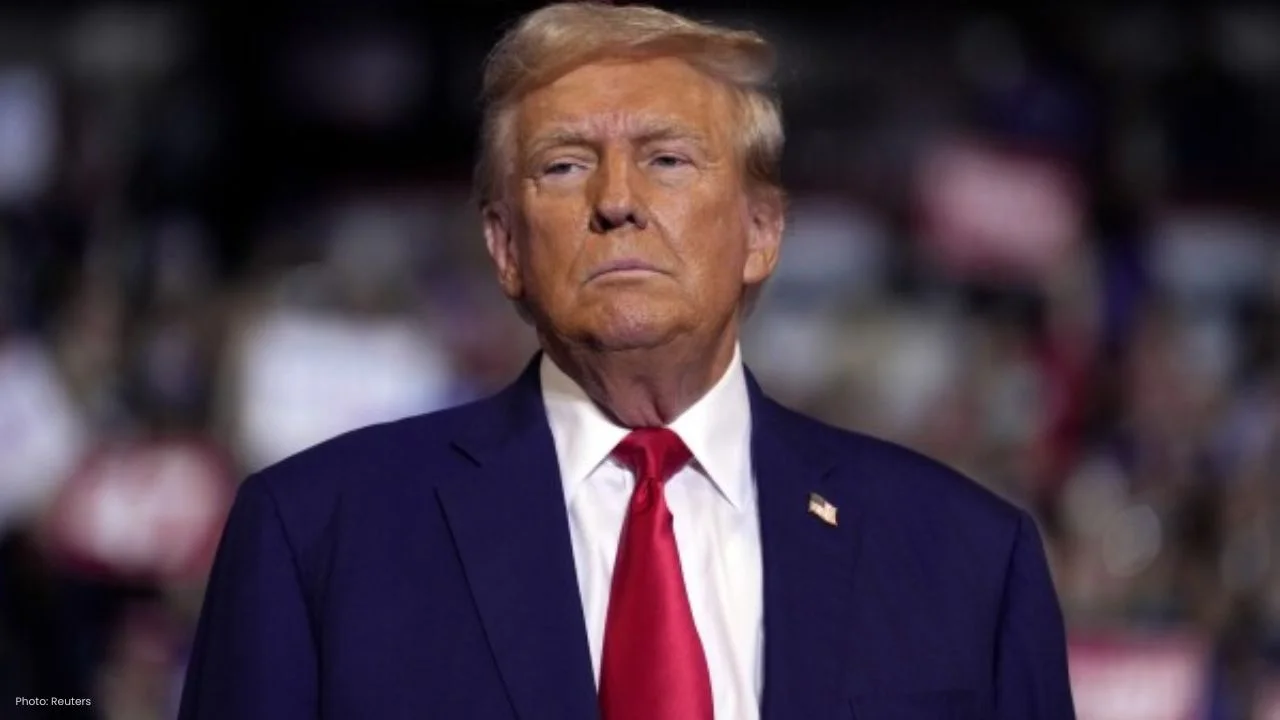
US Approves $16.5B Arms Deal Amid Iran War Escalation
US approves $16.5B arms sale to Gulf allies and $7B to UAE, boosting defence amid Iran tensions whil

UAE Busts Hezbollah-Iran Terror Network, Members Held
UAE authorities have broken a terror network linked to Hezbollah and Iran, arresting members accused

Swiatek Stunned by Linette in Miami Open Upset Shock
Iga Swiatek suffered a shocking defeat to Magda Linette at the Miami Open, marking her first opening

UAE Orphan Fund Raises AED 3.3 Billion in Ramadan Drive
UAE’s Mother of the Nation Orphan Fund raises AED 3.3B in Ramadan, boosting support for education, h
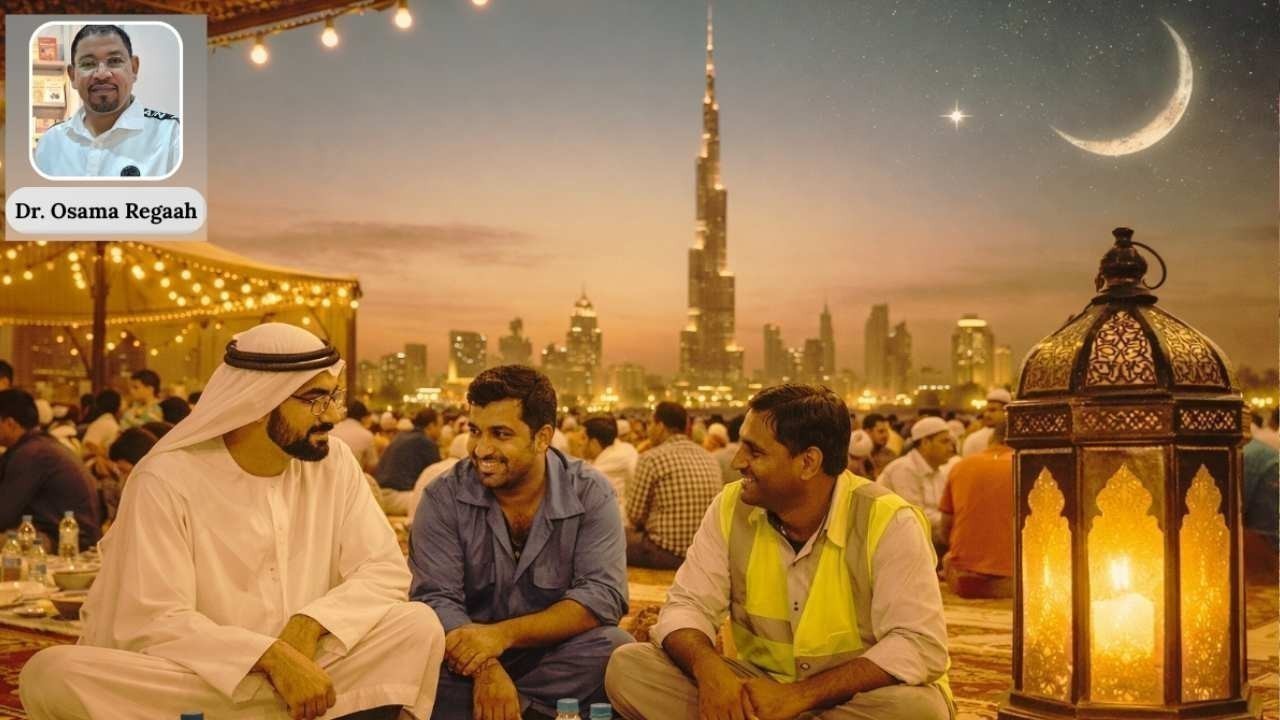
Ramadan in the UAE: Reflections on Humanity, Leadership, and Lasting Values
A heartfelt Ramadan reflection by Osama Regaah on UAE’s spirit of humility, unity, and leadership, a

Dhurandhar 2 Opens Big, Crosses ₹100 Cr on Day 1
Ranveer Singh starrer Dhurandhar 2 earns ₹102 Cr on day one despite delays, beating past Bollywood o


Bank of Baroda Faces Abu Dhabi Legal Battle over NMC Collapse
Bank of Baroda’s involvement in Abu Dhabi litigation tied to the NMC Healthcare collapse raises repu

Top Museum Openings of 2026 Set to Transform Global Tourism
From Los Angeles to Abu Dhabi and Brussels, 2026 brings major museum launches—Lucas Museum, Guggenhe

UAE Tour Highlights UAE’s Strength in Hosting Global Sports Events
Abu Dhabi Sports Council says the successful UAE Tour reflects the UAE’s leading role in hosting maj
EU Seeks Clarity from US After Supreme Court IEEPA Ruling
European Commission urges full transparency from the US on steps after Supreme Court ruling, emphasi
SpaceX Launches 53 New Satellites for Expanding Starlink Network
SpaceX launches 53 Starlink satellites in two Falcon 9 missions, breaking reuse records and expandin
RTA Awards Contract for Phase II of Hessa Street Upgrade in Dubai
Phase II of Hessa Street Development to add bridges, tunnel, and upgraded intersections, doubling ca

UAE Gold Prices Today, Monday 16 February 2026: Dubai & Abu Dhabi Updated Rates
Gold prices in UAE on 16 Feb 2026 updated: 24K around AED 599.75/gm, 22K AED 555.25/gm, and 18K AED

Over 25 Ahmedabad Schools Receive Bomb Threat Email, Authorities Investigate
More than 25 schools in Ahmedabad evacuated after bomb threat emails mentioning Khalistan. Authoriti