Author : Mukesh Kumar
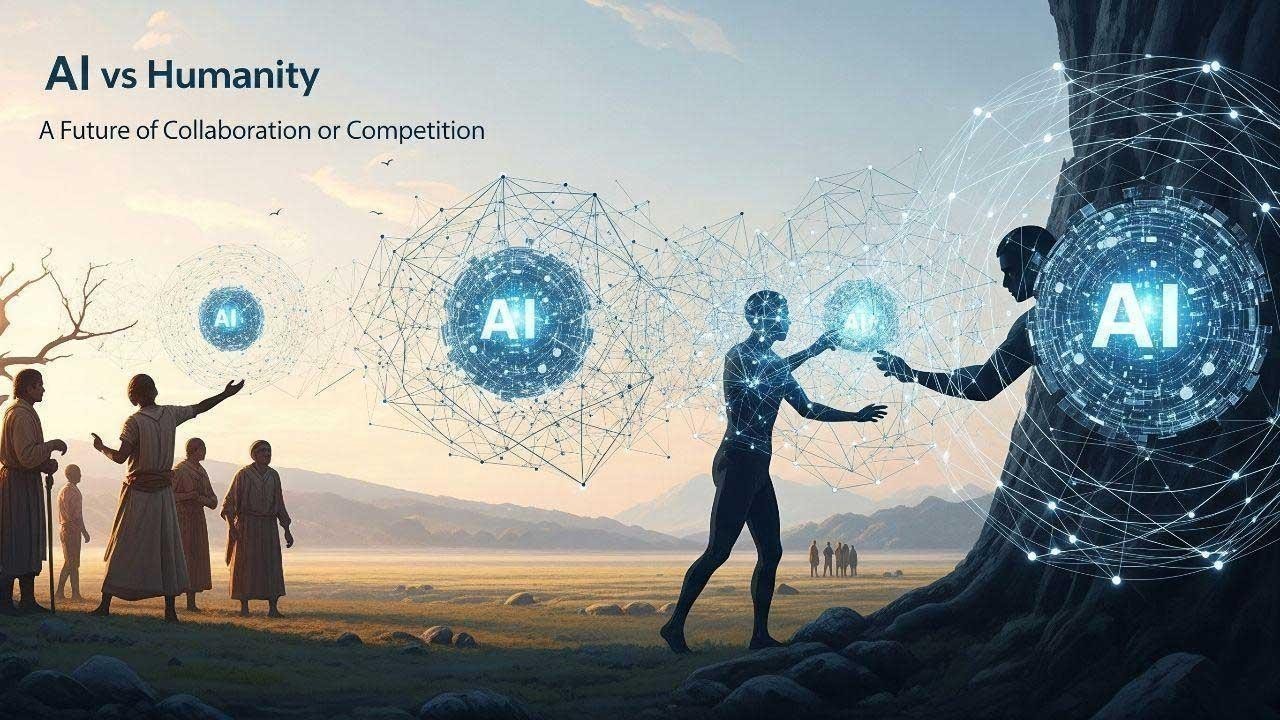
In our fast-changing digital world, one big question is on everyone's mind: Will machines work with us—or replace us? As technology becomes more powerful and intelligent, the line between human effort and machine efficiency is starting to blur. This is not science fiction anymore. It is our present, and it is shaping our future.
Every day, we see machines performing tasks that once needed human hands, human minds, and human emotions. From driving cars to writing articles, booking appointments to diagnosing diseases—technology is doing it all. But is this progress something to celebrate, or should we be worried?
Let’s dive deep into this important topic: Is the future about human-machine collaboration, or will it become a battle for survival?
Over the last decade, machines have entered nearly every part of our lives. Smart assistants answer our questions. Robots help in hospitals. Software checks our grammar. Even in creative fields—like music, art, and design—machines are beginning to leave their mark.
Many people welcome these changes. They believe machines can take away the stress of routine work, help us live longer, and solve problems faster. In factories, robots can do dangerous tasks. In education, digital tools can support teachers. In offices, automation can speed up work and reduce errors.
But with this comfort comes concern.
One of the biggest fears surrounding technology is the loss of human jobs. Already, many sectors are seeing changes. Self-checkout systems are replacing cashiers. Chatbots are replacing customer service agents. Autonomous vehicles may soon replace delivery drivers.
A report from the World Economic Forum suggests that millions of jobs could be lost or changed due to automation in the next decade. This doesn’t mean humans will become useless—but it does mean the way we work will change completely.
People will need new skills. Basic education will no longer be enough. Training in digital tools, creative thinking, and problem-solving will become essential.
Here’s the good news: Not all jobs will disappear. In fact, new kinds of jobs will be created. But the skills required for these roles will be different.
Jobs of the future will need a mix of technical knowledge and human qualities—like emotional intelligence, leadership, and ethics. For example:
A nurse may work with a medical robot, but human care and empathy will still matter.
A teacher may use smart tools to personalize lessons, but the bond with students is irreplaceable.
An architect may design using digital software, but creativity will always come from the human mind.
Governments, schools, and businesses must work together to reskill the workforce. Lifelong learning should become a habit, not an option.
Instead of asking, “Will machines replace us?” we should ask, “How can we work together?” Machines are powerful, but they have no emotions, values, or dreams. That’s where humans still lead.
Imagine a world where:
Doctors use machines to diagnose faster, but still make the final decision.
Farmers use smart sensors to monitor crops, but their experience guides the process.
Writers and creators use tools to assist them, not replace them.
This kind of collaboration is possible—but only if we guide technology with care and responsibility.
One of the biggest concerns is not just what machines can do—but who is controlling them.
Companies, developers, and governments must create strong policies to make sure that technology is used fairly and safely. Just like we have traffic rules for cars, we need ethical rules for machines. These rules must cover privacy, job safety, fairness, and data protection.
Transparency is key. People should know when a decision is made by a human—and when it's made by a machine.
If we want to build a future where humans and machines thrive together, we must act today. Here are four simple but powerful steps:
Stay Informed – Learn about the latest changes in technology. Awareness is the first step to safety.
Keep Learning – Upgrade your skills regularly. Online courses, workshops, and webinars can help.
Support Ethical Technology – Choose companies and products that use technology for good.
Join the Conversation – Talk to others. Ask questions. Be a part of discussions on the future of work and society.
The future is not about machines taking over the world. It is about how we use machines to improve the world.
Technology is a tool, not a master. It can lift us or limit us—depending on how we choose to use it. Machines may be fast and efficient, but they cannot love, care, or dream.
So let’s not fear the future. Let’s shape it—with wisdom, ethics, and courage.
Because the real question is not:
"Will machines replace us?"
But rather:
"Will we rise to lead with heart, mind, and responsibility?"
This article is intended for educational and informational purposes only. The views and opinions expressed are based on current public discourse and general expert perspectives. DXB News Network does not provide financial, legal, or career advice.
Readers are encouraged to independently verify any facts, follow developments responsibly, and consult professionals when making decisions related to employment, technology, or policy matters.
DXB News Network remains committed to delivering balanced, fact-based content that helps our audience stay informed in an ever-evolving world.

Dubai Property Market Faces War-Driven Slowdown
Dubai’s real estate market shows early slowdown as Iran war impacts investor confidence, with fallin

Trump Hints at Ending Military Ops as US Eases Iran Oil Sanctions
Trump may soon end US military action in the Middle East as Iran attacks continue. US temporarily ea

Aryna Sabalenka Survives Tough Battle at Miami Open
World No.1 Aryna Sabalenka wins a tight match vs Ann Li at Miami Open. Top seeds Alcaraz, Rybakina,
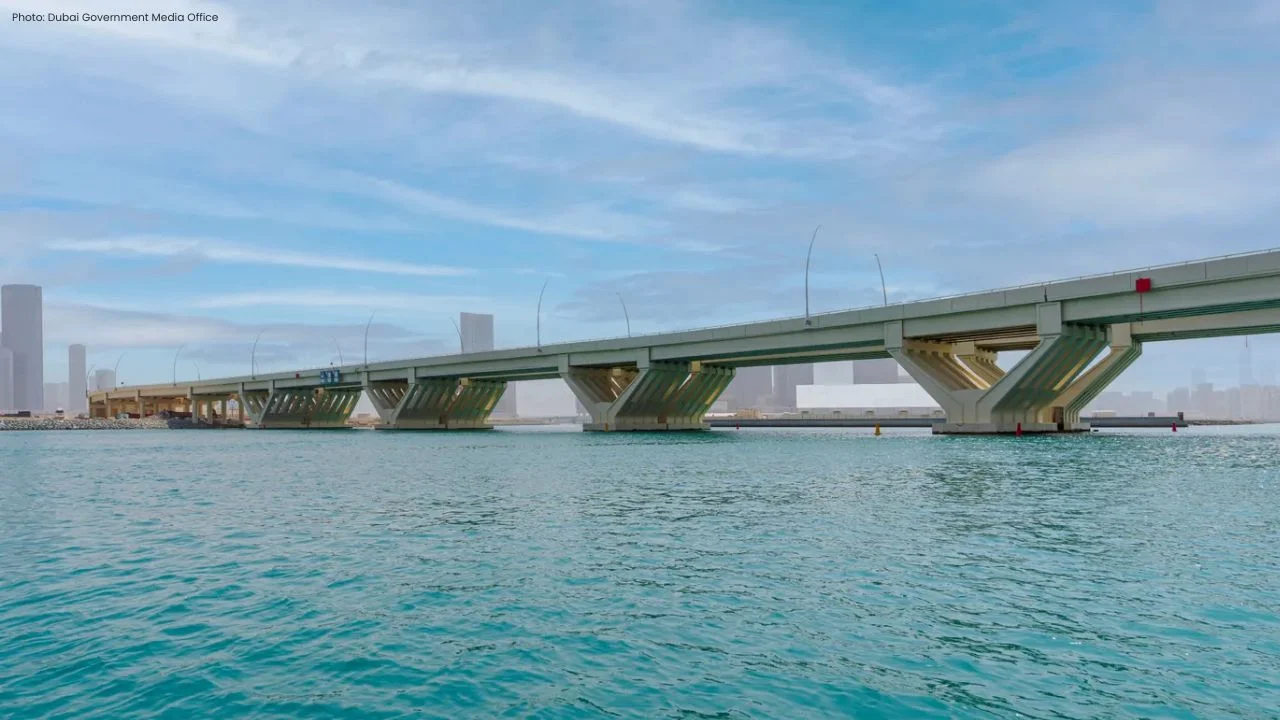
Abu Dhabi Opens Two New Bridges to Cut Traffic by 60%
DMT launches two high-capacity bridges linking Al Reem Island to E‑12, reducing travel time by 15 mi
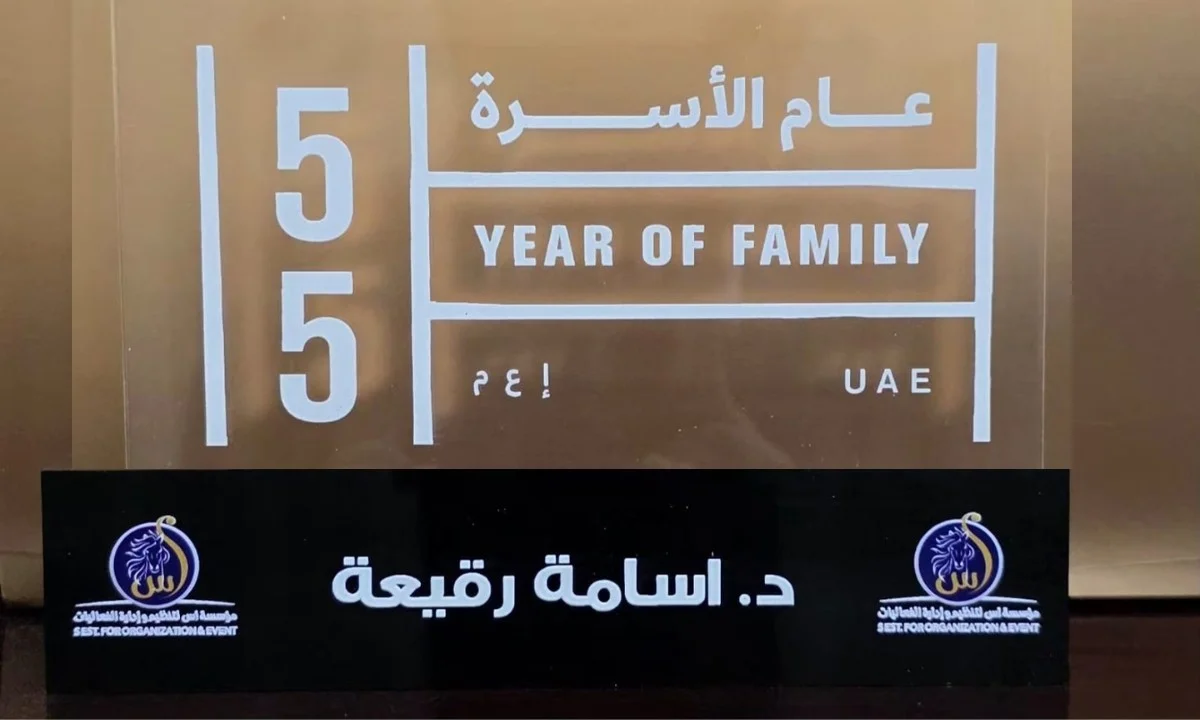
Family Wins “Family of the Year 2026” at Noor Al Quran Event in Ras Al Khaimah
A family honored at the Noor Al Quran initiative in Ras Al Khaimah for Quran memorization and strong

US Approves $16.5B Arms Deal Amid Iran War Escalation
US approves $16.5B arms sale to Gulf allies and $7B to UAE, boosting defence amid Iran tensions whil

UAE Busts Hezbollah-Iran Terror Network, Members Held
UAE authorities have broken a terror network linked to Hezbollah and Iran, arresting members accused


Bank of Baroda Faces Abu Dhabi Legal Battle over NMC Collapse
Bank of Baroda’s involvement in Abu Dhabi litigation tied to the NMC Healthcare collapse raises repu

Top Museum Openings of 2026 Set to Transform Global Tourism
From Los Angeles to Abu Dhabi and Brussels, 2026 brings major museum launches—Lucas Museum, Guggenhe

UAE Tour Highlights UAE’s Strength in Hosting Global Sports Events
Abu Dhabi Sports Council says the successful UAE Tour reflects the UAE’s leading role in hosting maj

EU Seeks Clarity from US After Supreme Court IEEPA Ruling
European Commission urges full transparency from the US on steps after Supreme Court ruling, emphasi
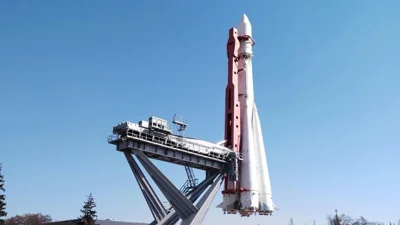
SpaceX Launches 53 New Satellites for Expanding Starlink Network
SpaceX launches 53 Starlink satellites in two Falcon 9 missions, breaking reuse records and expandin

RTA Awards Contract for Phase II of Hessa Street Upgrade in Dubai
Phase II of Hessa Street Development to add bridges, tunnel, and upgraded intersections, doubling ca

UAE Gold Prices Today, Monday 16 February 2026: Dubai & Abu Dhabi Updated Rates
Gold prices in UAE on 16 Feb 2026 updated: 24K around AED 599.75/gm, 22K AED 555.25/gm, and 18K AED

Over 25 Ahmedabad Schools Receive Bomb Threat Email, Authorities Investigate
More than 25 schools in Ahmedabad evacuated after bomb threat emails mentioning Khalistan. Authoriti