Post by : Sam Jeet Rahman
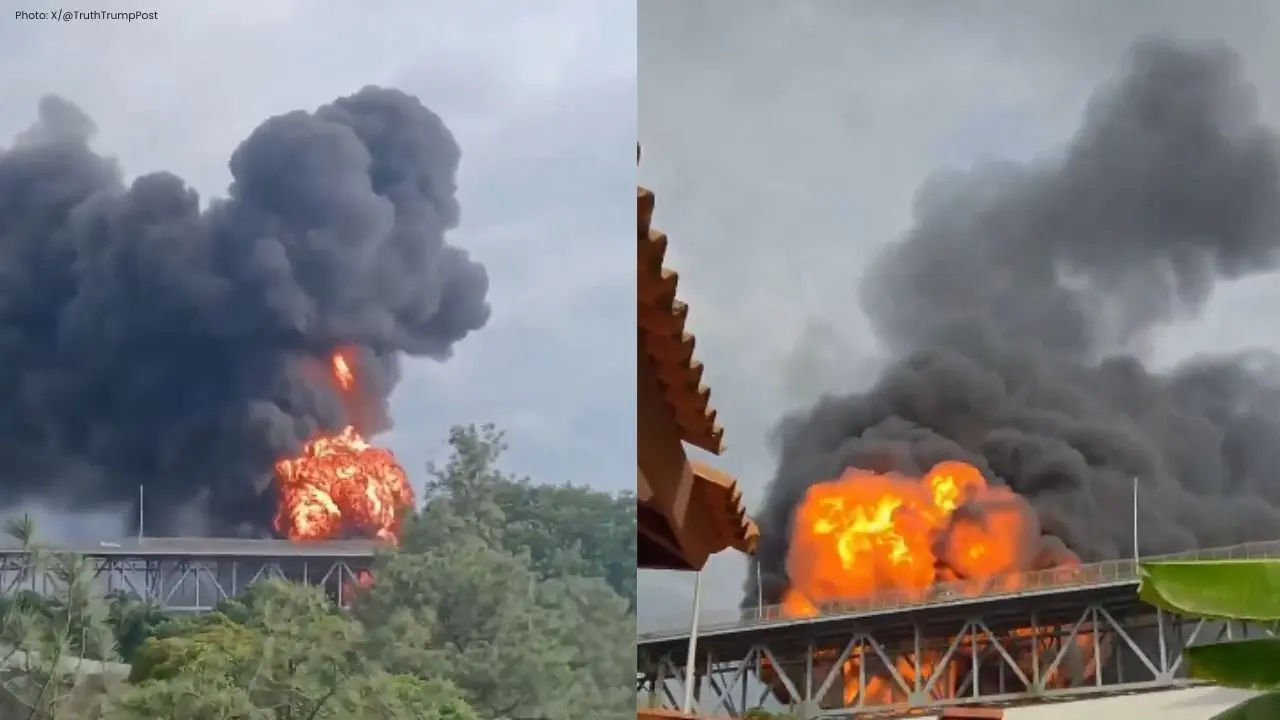
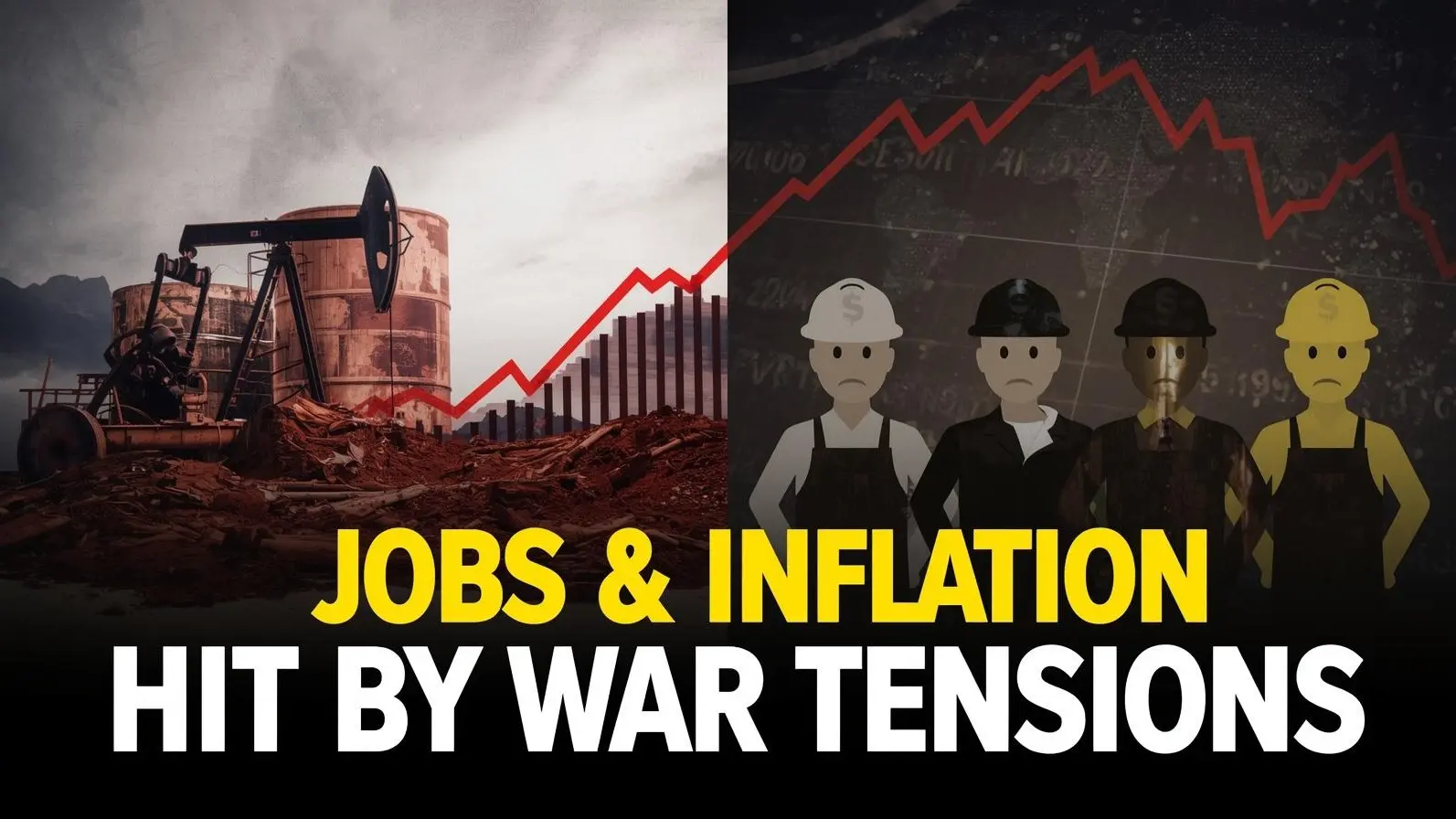
The ongoing conflict involving the United States and Iran is no longer just a geopolitical issue—it is now directly influencing the US economy, job market, and everyday cost of living. What may seem like a distant war is actually affecting fuel prices, hiring decisions, business confidence, and inflation levels across America.
At the center of this economic ripple effect is the Strait of Hormuz, a critical global oil route. When tensions rise in this region, the consequences are felt immediately in the US economy because energy prices influence almost every sector.
The biggest economic impact starts with oil prices.
Due to the conflict, global oil supply has been disrupted, pushing crude prices sharply higher. In some cases, oil has surged above $110 per barrel, with US fuel prices rising significantly.
This happens because:
Oil is not just another commodity—it is the foundation of modern economies. When oil prices rise, the cost of almost everything else follows.
Higher oil prices directly translate into higher inflation, and this is already happening in the US.
Here’s how the chain reaction works:
This has led to:
Even industries like agriculture are affected, as fuel and fertilizer costs increase.
Economists are warning that this could lead to long-lasting inflation, where prices stay elevated for an extended period.
The current situation is particularly difficult for policymakers.
Normally, inflation can be managed through interest rate changes. However, war-related inflation is caused by supply disruptions, not consumer demand.
This creates a difficult situation:
This raises concerns about a situation similar to stagflation, where:
One of the most visible effects of rising costs and uncertainty is in the job market.
Businesses are becoming more cautious due to:
As a result:
Many service-based industries, which employ a large portion of the workforce, are particularly affected.
The impact is not the same across all industries.
Sectors facing challenges:
These industries rely heavily on fuel and stable supply chains, making them more vulnerable to rising costs.
Sectors benefiting from the situation:
Energy firms are benefiting from higher oil prices, while defense companies are seeing increased demand due to rising geopolitical tensions.
Companies across the US are adjusting their strategies to manage the situation.
Common responses include:
For example, transportation and delivery companies are adding fuel surcharges, which ultimately increase prices for customers.
This creates a cycle where rising costs continue to push inflation higher.
For the average American, the effects are already becoming noticeable.
People are experiencing:
At the same time, job opportunities may become less stable, making it harder for households to manage rising expenses.
This combination of higher costs and slower income growth puts pressure on overall living standards.
The uncertainty caused by war tensions is also affecting financial markets.
Reduced investor confidence can lead to:
This further adds to the economic pressure.
If tensions continue, the risk of a broader economic slowdown increases.
Possible outcomes include:
The longer the disruption in global oil supply continues, the more severe these effects could become.
One of the most critical factors is how long the conflict lasts.
If disruptions in the Strait of Hormuz continue, the impact on inflation and jobs could deepen significantly.
The US economy is strong but deeply connected to global systems.
Even with domestic energy production, the country is still influenced by:
This means external conflicts can still have a major impact on the US economy.
War tensions between the United States and Iran are creating a significant economic ripple effect, influencing both inflation and job growth.
At the core of this impact is the rise in energy prices, which is increasing costs across industries and forcing businesses to adjust their strategies.
Right now, the US faces a challenging balance:
If tensions continue, the risk of a deeper economic slowdown cannot be ignored.
The coming weeks will be crucial in determining whether the situation stabilizes or leads to more serious economic consequences.
This article is for informational purposes only and reflects current economic trends. Economic conditions may change based on global developments.

Anwar Champions South China Sea Code at ASEAN Summit
Malaysia's PM Anwar Ibrahim calls on ASEAN and China to expedite the South China Sea Code of Conduct

Trump Administration Discontinues Protections for Transgender Students
The U.S. has stopped agreements that safeguard transgender students, bringing uncertainty to civil r
Dubai World Trade Centre Sees Record Growth in 2025
Dubai World Trade Centre records strong 2025 growth with rising global participation, expanded venue

Trump Backs Ex-UK Advisor Steve Hilton for California Governorship
Trump endorses Steve Hilton for California governor, energizing his campaign ahead of a crucial prim

IPL Fades to Rain While PSL Excels in Cricket Showcase
Weather disrupts IPL in Kolkata; PSL shines as Multan Sultans deliver outstanding performances, igni

Großschartner Shines with Third at Itzulia ITT Opener
Felix Großschartner finished third in Itzulia Basque Country stage 1, 27 seconds behind winner Paul

Ajman Property Market Records 938 Deals in March
Ajman’s real estate sector recorded 938 transactions worth AED1.66 billion in March, reflecting stea


The UAE Wellness Secret: 7 Life-Changing Tips
Discover 7 simple UAE wellness tips to stay healthy active and stress-free Easy daily habits for bet

UAE Art Show in Seoul Challenges Stereotypes
Exhibition in Seoul highlights diverse UAE art, moving beyond luxury stereotypes to explore identity

Starbucks Strikes Major Partnership for China Growth
Starbucks teams with Boyu Capital, selling a majority stake in China unit to ramp up store growth an

Couple Among Three Charged in Massive Meth Trafficking Case in Malaysia
Three charged in Malaysia for trafficking 510kg of meth; if convicted, they could face severe penalt
Murder Suspect Returns to Geylang Crime Scene for Investigation
Singapore police revisit Geylang as a 48-year-old suspect faces charges in the fatal stabbing of a 7
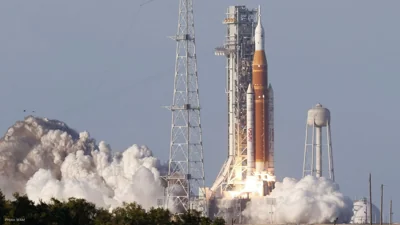
NASA Launches Artemis II Crew for 10-Day Lunar Mission
NASA launches Artemis II with four astronauts for a 10-day Moon mission, marking the first crewed lu
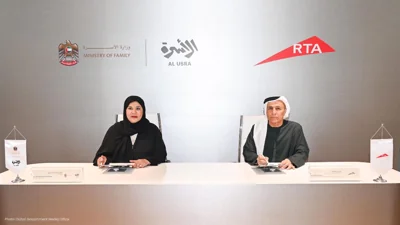
Dubai RTA, Ministry Partner for Family First Programme
Dubai RTA and Ministry of Family partner to enhance transport, urban spaces, and services under Fami

Bank of Baroda Faces Abu Dhabi Legal Battle over NMC Collapse
Bank of Baroda’s involvement in Abu Dhabi litigation tied to the NMC Healthcare collapse raises repu