Post by : Zayd Kamal
The way people travel has changed dramatically over the years, and technology is at the heart of this transformation. The Future of Travel: How Technology is Changing Tourism is shaping a new era where convenience, personalization, and sustainability are key priorities. From artificial intelligence to virtual reality, emerging innovations are making travel more accessible, immersive, and efficient. As we move forward, these technological advancements are set to redefine the tourism industry, offering travelers unprecedented experiences and businesses new opportunities to thrive.
AI-powered platforms are revolutionizing how people plan their trips. Chatbots and virtual assistants provide instant customer support, answering travel-related queries 24/7. Websites use AI to analyze traveler preferences and suggest personalized itineraries, making trip planning more seamless than ever. Airlines, hotels, and tour operators leverage AI for predictive pricing, ensuring that travelers get the best deals based on real-time demand.
Moreover, AI-driven translation apps are breaking down language barriers, allowing travelers to communicate effortlessly in foreign countries. As AI technology continues to evolve, its impact on the travel industry will only deepen, making it easier for tourists to explore new destinations without challenges.
Imagine experiencing a destination before you even book a ticket. Virtual reality (VR) and augmented reality (AR) are making this possible. Travel companies and tourism boards now offer virtual tours, allowing potential visitors to explore landmarks, hotels, and attractions from their homes. This immersive technology helps travelers make informed decisions and enhances their anticipation for upcoming trips.
AR, on the other hand, enhances real-world experiences by overlaying digital information onto physical environments. Museum visitors can use AR apps to access additional details about exhibits, while travelers can navigate cities with interactive maps and real-time translations. These innovations make exploration more engaging and informative, redefining how people interact with new places.
The Internet of Things (IoT) is playing a significant role in The Future of Travel: How Technology is Changing Tourism by streamlining various aspects of the journey. Smart luggage equipped with GPS tracking allows travelers to monitor their bags in real time, reducing the stress of lost belongings. Hotels are integrating IoT devices to enhance guest experiences, enabling them to control room settings such as lighting and temperature through smartphones.
Airports also benefit from IoT advancements, with biometric check-ins and automated security screening reducing wait times. These smart solutions make travel more convenient, efficient, and secure, elevating the overall experience for modern tourists.
Blockchain is transforming the travel industry by ensuring secure, transparent, and hassle-free transactions. Airlines and hotels are adopting blockchain-based payment systems to offer fast, fraud-resistant transactions. Additionally, decentralized travel booking platforms eliminate intermediaries, allowing travelers to book directly with service providers at lower costs.
Blockchain also enhances data security for travelers, ensuring that personal information remains protected while booking flights, hotels, and experiences. As this technology becomes more mainstream, it will continue to build trust and efficiency in the travel sector.
As travelers become more conscious of their environmental impact, technology is driving sustainable tourism initiatives. Electric and hybrid vehicles are reducing carbon footprints, while AI-powered energy management systems help hotels optimize resource usage. Many travel companies are investing in carbon offset programs, allowing tourists to contribute to environmental conservation efforts.
Moreover, digital innovations such as e-tickets and mobile check-ins minimize paper waste, promoting eco-friendly travel practices. Sustainable tourism is a growing priority, and technology is ensuring that future travel is both enjoyable and responsible.
Self-driving cars, high-speed trains, and urban air mobility solutions are set to revolutionize transportation in the coming years. Autonomous taxis and shuttle services are being tested in major cities, promising safer and more efficient mobility options. Hyperloop technology, with its ultra-fast transportation system, aims to shorten travel times between destinations dramatically.
In the aviation sector, electric and hydrogen-powered planes are under development, paving the way for greener air travel. These advancements will redefine how people move from one place to another, making travel faster, safer, and more environmentally friendly.
With remote work becoming increasingly popular, technology is enabling a new wave of digital nomads. High-speed internet, coworking spaces, and digital tools allow professionals to work from anywhere in the world. Countries are recognizing this trend and offering digital nomad visas to attract long-term travelers who contribute to local economies.
Technology has made it possible for individuals to balance work and travel seamlessly, fostering a lifestyle that combines adventure with professional growth. As businesses continue to adopt flexible work policies, the digital nomad movement will only expand, further transforming global travel patterns.
The Future of Travel: How Technology is Changing Tourism highlights how technological advancements are reshaping the way people explore the world. Artificial intelligence (AI) is revolutionizing travel planning by offering personalized recommendations and instant customer support. Virtual reality (VR) and augmented reality (AR) are enhancing tourism experiences by allowing travelers to preview destinations and access interactive information. The Internet of Things (IoT) is making travel smarter with innovations like GPS-enabled luggage tracking and biometric airport check-ins. Blockchain technology is ensuring secure and seamless transactions, reducing fraud and enhancing data privacy.
Sustainability is also a key focus, with green technology promoting eco-friendly travel through energy-efficient accommodations and digital solutions that minimize waste. Autonomous vehicles and hyperloop technology are set to redefine transportation, making travel faster and more sustainable. Additionally, the rise of digital nomadism is transforming the future of work, allowing professionals to work remotely while traveling the world. These innovations promise a more personalized, efficient, and environmentally responsible travel experience in the years to come.
This article is published for informational purposes only. While every effort has been made to ensure accuracy, DXB News Network does not take responsibility for any decisions made based on this content. Readers are encouraged to verify details and consult relevant experts before making travel-related choices.

Dubai Allows 24/7 Truck Movement to Boost Logistics
Dubai extends 24/7 truck movement to support logistics, excluding key tunnels. Authorities urge driv
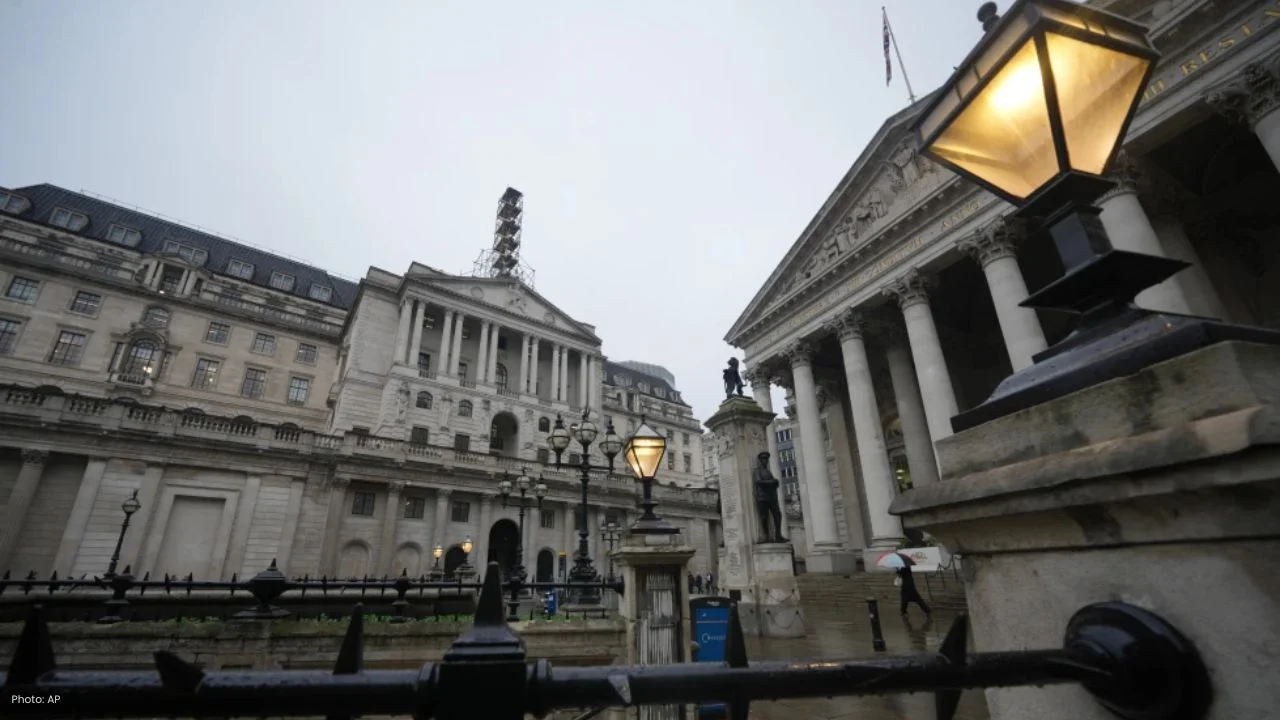
BoE Holds Rates at 3.75% as Iran War Fuels Inflation
Bank of England holds rates at 3.75% as Iran war drives oil prices up, raising inflation risks and d

Ananya Panday shines at Lakme Fashion Week 2026
Ananya Panday walked as showstopper for Rahul Mishra at Lakme Fashion Week 2026, wearing an ivory ou

Gold Prices Edge Up, Set for Third Weekly Decline
Gold prices rose slightly but are heading for a third weekly loss as a strong US dollar and Fed tigh

Philippine Airlines Suspends Dubai, Doha Flights Till April 30
Philippine Airlines has suspended Manila-Dubai and Doha flights till April 30 due to Middle East ten

Deadly Factory Fire in Daejeon Kills 11, Several Missing
A massive fire at an auto parts factory in Daejeon, South Korea, has killed 11 people, injured 59, a

Sanofi Opens Innovation Centre in Chengdu China
Sanofi opens its first China Innovation Centre in Chengdu, boosting R&D, clinical trials, and supply


Bank of Baroda Faces Abu Dhabi Legal Battle over NMC Collapse
Bank of Baroda’s involvement in Abu Dhabi litigation tied to the NMC Healthcare collapse raises repu

Top Museum Openings of 2026 Set to Transform Global Tourism
From Los Angeles to Abu Dhabi and Brussels, 2026 brings major museum launches—Lucas Museum, Guggenhe

UAE Tour Highlights UAE’s Strength in Hosting Global Sports Events
Abu Dhabi Sports Council says the successful UAE Tour reflects the UAE’s leading role in hosting maj

EU Seeks Clarity from US After Supreme Court IEEPA Ruling
European Commission urges full transparency from the US on steps after Supreme Court ruling, emphasi

SpaceX Launches 53 New Satellites for Expanding Starlink Network
SpaceX launches 53 Starlink satellites in two Falcon 9 missions, breaking reuse records and expandin

RTA Awards Contract for Phase II of Hessa Street Upgrade in Dubai
Phase II of Hessa Street Development to add bridges, tunnel, and upgraded intersections, doubling ca

UAE Gold Prices Today, Monday 16 February 2026: Dubai & Abu Dhabi Updated Rates
Gold prices in UAE on 16 Feb 2026 updated: 24K around AED 599.75/gm, 22K AED 555.25/gm, and 18K AED

Over 25 Ahmedabad Schools Receive Bomb Threat Email, Authorities Investigate
More than 25 schools in Ahmedabad evacuated after bomb threat emails mentioning Khalistan. Authoriti