Post by : Anis Karim
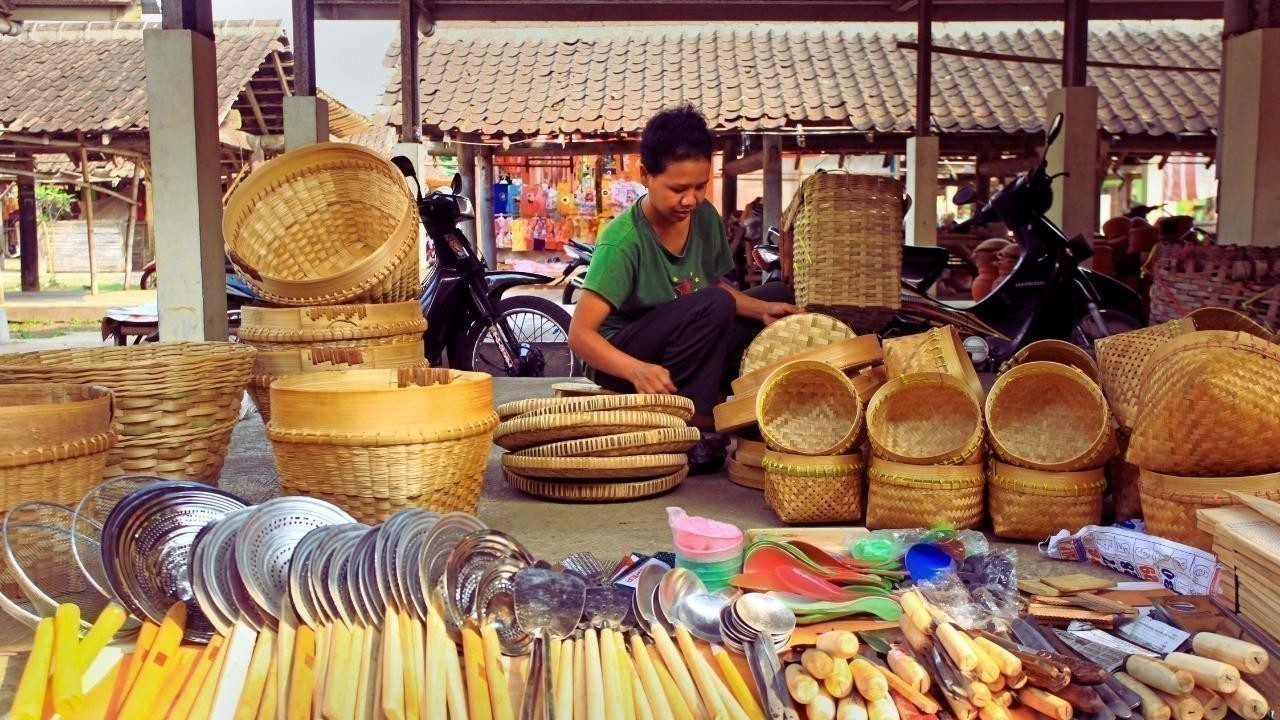
In the past few decades, global trade has been largely dominated by factory-produced goods and fast-moving consumer products. Yet, quietly and steadily, artisan markets—those vibrant centers of handmade crafts, local goods, and unique cultural products—are making a significant comeback. This resurgence isn't just a nostalgic return to traditional craftsmanship but a powerful shift in how people consume and trade goods worldwide. From bustling cities to remote villages, artisans are regaining prominence, offering products with soul, story, and sustainability.
Several factors have fueled the revival of local artisan markets:
Consumer Shift Towards Authenticity: Buyers are tired of identical factory-made items. Handcrafted goods offer uniqueness and cultural value.
Rise of Conscious Consumerism: People now prefer ethical sourcing, supporting small businesses over big corporations.
Digital Revolution: Artisans are using online platforms to reach global audiences without middlemen.
Tourism Revival: Post-pandemic travelers crave authentic experiences, making artisan markets a key attraction.
This confluence of cultural, economic, and digital changes has turned local artisans from forgotten tradespeople into global entrepreneurs.
Unlike machine-produced goods, artisan products carry stories of generations, cultural identity, and personal craftsmanship. Whether it's handwoven textiles, hand-painted pottery, or artisanal soaps, every item tells a tale of creativity and heritage. Consumers value the imperfections of handwork—each minor inconsistency reflects authenticity. Moreover, many artisan goods use eco-friendly materials, traditional methods, and sustainable practices, appealing to eco-conscious buyers.
Artisan markets have deep roots across various continents:
Asia: From the batik artisans of Indonesia to India’s intricate handloom weavers, Asia boasts some of the oldest and most diverse artisan cultures. Artisan fairs in Bangkok, Bali, and Jaipur attract global buyers.
Africa: African artisan markets are rich in handmade jewelry, carvings, and textiles. Nairobi’s Maasai Market and Morocco’s souks draw tourists and exporters alike.
Latin America: Markets in Mexico, Peru, and Guatemala flourish with vibrant fabrics, ceramics, and traditional toys.
Europe: Cities like Florence, Paris, and Istanbul preserve artisan traditions in leatherwork, glassmaking, and embroidery.
Middle East: From Persian carpets to Arabic calligraphy, artisan craftsmanship continues to thrive in local bazaars.
This global revival highlights a universal appreciation for heritage and handmade excellence.
E-commerce has been a game-changer for artisans:
Global Reach: Platforms like Etsy, Amazon Handmade, and Shopify enable artisans to sell worldwide without intermediaries.
Social Media Marketing: Instagram and Facebook allow artisans to showcase their work directly to customers.
Virtual Marketplaces: Initiatives like the “Virtual Grand Bazaar” have emerged during the pandemic, helping artisans survive lockdowns.
Digital Payments: Easier transactions through QR codes and mobile wallets bring artisan businesses into the digital economy.
Technology is giving artisans the power to remain local but sell global.
For travelers, visiting artisan markets is more than shopping—it's an immersive cultural experience. Markets like Bangkok’s Chatuchak, Istanbul’s Grand Bazaar, and Marrakesh’s Medina are destinations in themselves. Tourists seek not only products but stories, crafts demonstrations, and human connection. This travel-artisan link revives local economies and keeps traditional crafts alive.
Post-pandemic, the demand for open-air markets and local tours has only grown. Travelers now prioritize authentic, sustainable experiences—an advantage for artisan markets.
Recognizing the socio-economic potential, many governments and NGOs support artisan sectors:
Skill Development: Programs train young artisans in traditional crafts with modern design sensibilities.
Financial Aid: Microloans and grants help artisans invest in better tools and materials.
Market Access: Governments organize national fairs, international expos, and cultural festivals.
Cultural Preservation: NGOs work to document endangered crafts and promote them through exhibitions and trade fairs.
Such initiatives not only uplift marginalized communities but also safeguard intangible cultural heritage.
Even big brands are recognizing the value of artisan work:
Luxury Fashion: High-end brands collaborate with artisans for hand-embroidered, bespoke collections.
Home Décor Brands: Companies like IKEA partner with rural artisans for exclusive product lines.
Sustainable Labels: Ethical fashion brands proudly display their artisan partnerships on product labels.
This corporate-artisan fusion ensures fair wages for artisans while providing unique products to mainstream consumers.
Artisan markets contribute more than just cultural preservation:
Job Creation: They provide employment in rural and urban areas without heavy industrialization.
Women Empowerment: In many regions, artisan work is a key source of income for women, promoting gender equality.
Community Development: Artisan cooperatives often invest in local infrastructure, education, and health.
Sustainable Economies: Low-carbon, low-waste production models support environmental goals.
Thus, artisan revival is also an economic strategy for inclusive, grassroots development.
Despite the resurgence, challenges persist:
Mass Market Competition: Cheap factory alternatives flood markets, undercutting artisans.
Raw Material Costs: Traditional materials can be expensive or hard to procure.
Skill Gaps: Younger generations sometimes avoid artisan professions due to lack of profitability.
Market Access: Many artisans still lack digital literacy or resources to access broader markets.
Cultural Erosion: Modernization threatens traditional techniques and designs.
Addressing these requires coordinated efforts across public policy, private sector, and civil society.
Ethical Labeling: Certifications like “Fair Trade” and “Handmade Verified” will gain importance.
Hybrid Products: Merging tradition with contemporary designs to appeal to modern aesthetics.
Cultural Tourism Expansion: Destination marketing increasingly focused on artisan villages and craft trails.
Virtual Craft Festivals: Online fairs allowing artisans to connect globally without physical travel.
Sustainable Packaging: Eco-friendly materials will become standard even in artisan packaging.
These trends signal that artisan markets are here to stay and adapt.
The comeback of artisan markets is not just a business trend—it’s a cultural movement redefining global trade. Amid fast fashion, factory goods, and digital conveniences, people are seeking connection, authenticity, and sustainability. Local artisans offer exactly that: products crafted with heart, rooted in history, and mindful of the environment.
From rural villages to global cities, the world is rediscovering the magic of handmade goods. This resurgence strengthens communities, preserves heritage, and brings soulful richness back to commerce. The next time you choose between a mass-produced product and a handcrafted one, remember: you’re not just buying an item—you’re supporting a story, a culture, and a future.
This article is for informational purposes only. Market trends and availability of artisan goods may vary by location.

UAE Airlines Restart Flights, Passengers Advised to Check Updates
UAE airlines resume limited flights as airspace reopens. Passengers advised to confirm schedules and

UAE and Oman Leaders Exchange Eid Greetings, Discuss Regional Peace
UAE and Oman leaders exchange Eid Al Fitr greetings and discuss regional tensions, stressing dialogu

Harmanpreet Kaur Moves Up to 7th in ICC Women’s ODI Rankings
Harmanpreet Kaur moves to 7th in ICC Women’s ODI rankings after scoring two fifties against Australi

Rajpal Yadav Granted Relief in ₹9 Crore Cheque Bounce Case
Delhi HC grants Rajpal Yadav relief in ₹9 crore cheque bounce case as he paid part of dues, extendin

Dr. Krishna Priya: Transforming Pain into Purpose Through Education, Art, and Healing in the UAE
A powerful journey of resilience as Dr Krishna Priya transforms pain into purpose through education,

Oscars 2026 Ratings Drop 9% Despite Strong Digital Buzz
The 98th Oscars saw a 9% drop in TV viewership but strong growth in social media engagement, staying

UAE Central Bank Unveils Major Financial Support Plan
CBUAE announces a financial resilience package to boost liquidity, ease rules, and support lending,


Bank of Baroda Faces Abu Dhabi Legal Battle over NMC Collapse
Bank of Baroda’s involvement in Abu Dhabi litigation tied to the NMC Healthcare collapse raises repu

Top Museum Openings of 2026 Set to Transform Global Tourism
From Los Angeles to Abu Dhabi and Brussels, 2026 brings major museum launches—Lucas Museum, Guggenhe

UAE Tour Highlights UAE’s Strength in Hosting Global Sports Events
Abu Dhabi Sports Council says the successful UAE Tour reflects the UAE’s leading role in hosting maj

EU Seeks Clarity from US After Supreme Court IEEPA Ruling
European Commission urges full transparency from the US on steps after Supreme Court ruling, emphasi

SpaceX Launches 53 New Satellites for Expanding Starlink Network
SpaceX launches 53 Starlink satellites in two Falcon 9 missions, breaking reuse records and expandin

RTA Awards Contract for Phase II of Hessa Street Upgrade in Dubai
Phase II of Hessa Street Development to add bridges, tunnel, and upgraded intersections, doubling ca

UAE Gold Prices Today, Monday 16 February 2026: Dubai & Abu Dhabi Updated Rates
Gold prices in UAE on 16 Feb 2026 updated: 24K around AED 599.75/gm, 22K AED 555.25/gm, and 18K AED

Over 25 Ahmedabad Schools Receive Bomb Threat Email, Authorities Investigate
More than 25 schools in Ahmedabad evacuated after bomb threat emails mentioning Khalistan. Authoriti