Post by : Anis Karim
Oceans, which cover over two-thirds of our planet, play a critical role in climate regulation, oxygen production, and sustaining millions. However, they have been sidelined in policy for years. That perception is swiftly changing in 2026.
Marine ecosystems are at the core of international discussions, with alarm bells ringing over the deterioration of coral reefs, fisheries, mangroves, and deep-sea habitats. The impacts of climate change, rising temperatures, and pollution coalesce into an urgent crisis.
This moment is characterized by a newfound urgency. Governments, organizations, and local communities are shifting from awareness to decisive action, realizing ocean health directly impacts human survival.
Marine biodiversity encompasses an extensive variety of organisms, from tiny plankton to majestic whales, forming vital ecosystems that support fisheries and coastal protection.
Healthy, diverse oceans are resilient. A decline in biodiversity weakens ecosystems, making them more susceptible to environmental shocks.
Recent scientific studies indicate steep declines in marine species. Coral reefs, often termed as the ocean's rainforests, are among the worst-hit ecosystems.
The ocean's capacity to absorb excess heat from climate change is both a boon and a bane, putting immense stress on marine organisms.
Increased frequency of marine heatwaves leads to severe coral bleaching, significantly reducing the corals' recovery chances.
As the oceans take in carbon dioxide, the increasing acidity adversely affects shell-building creatures such as corals and mollusks, disrupting food chains.
Overfishing poses a significant threat to marine ecosystems. Many vital fish populations are being fished at unsustainable rates.
Illegal fishing practices continue to hinder conservation efforts, especially in international waters.
The decline in fish stocks jeopardizes food security and livelihoods for millions, particularly in developing regions.
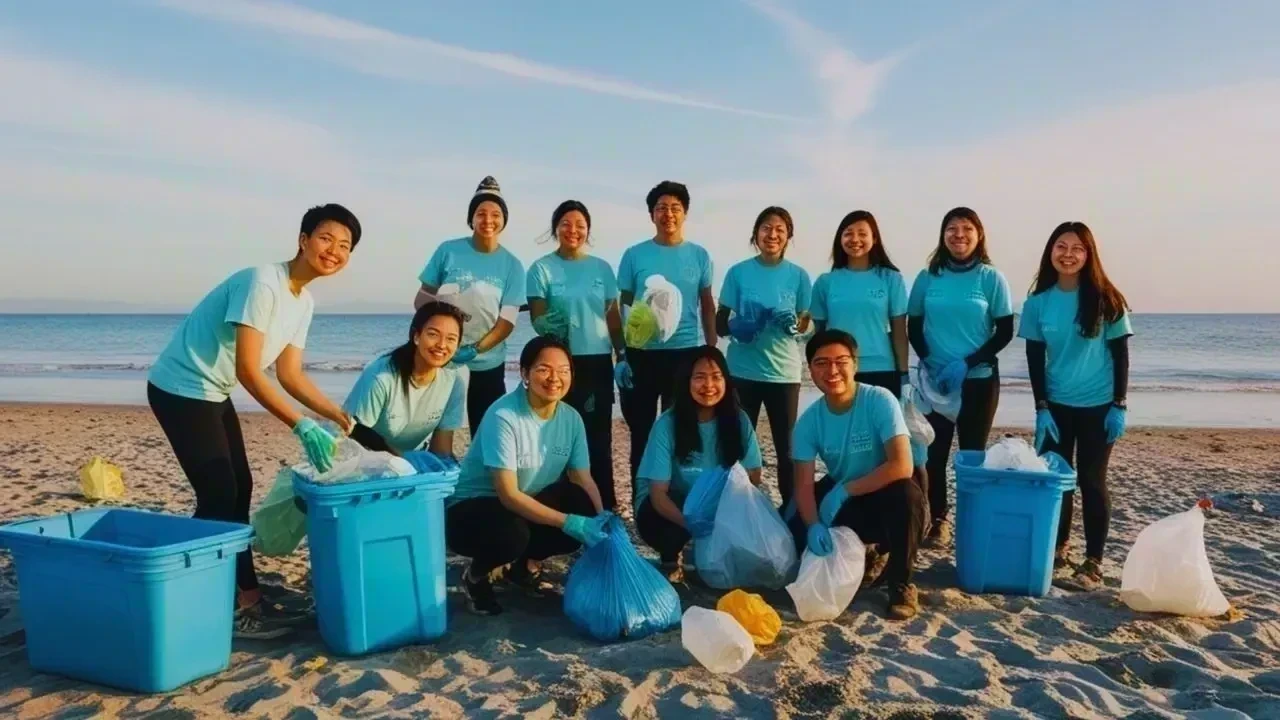
Plastic waste has emerged as a prominent symbol of ocean degradation. Each year, millions of tons pollute the oceans, breaking down into microplastics and infiltrating food sources.
Marine creatures frequently ingest plastics, leading to injury and death.
Microplastics have been discovered in seafood, salt, and even tap water, raising alarms over potential health risks.
A key development in 2026 is the global increase of marine protected areas designed to limit human activity, aiding ecosystem recovery.
Research confirms that well-managed protected areas foster biodiversity and boost fish populations.
Global agreements are working towards protecting at least 30% of ocean areas by 2030, with progress steadily increasing.
Significant portions of the ocean remain outside national jurisdictions. The High Seas Treaty, endorsed by the United Nations, signifies a new era in ocean governance.
This treaty facilitates the establishment of protected areas in international waters and mandates environmental impact assessments.
Without proper governance, the high seas risk exploitation. Coordinated global initiatives are crucial for biodiversity protection.
Conservation strategies are evolving, emphasizing active restoration efforts, including coral nurseries and assisted reef rehabilitation.
Although restoration cannot substitute for climate action, it holds promise for safeguarding vital reef ecosystems.
Local communities increasingly participate in monitoring and restoring reefs, merging traditional methods with scientific approaches.
Mangroves and seagrasses are recognized for their ability to capture carbon, termed blue carbon, while also safeguarding coastlines from erosion.
Restorative efforts for mangroves promise climate mitigation, biodiversity conservation, and support for local communities.
Advancements in satellite technology, AI, and drones are transforming ocean surveillance, enabling near real-time detection of illegal practices.
These innovations enhance regulatory enforcement and transparency in secluded ocean areas.
Local fishers and divers offer critical data through mobile platforms, strengthening conservation initiatives.
Numerous countries are steering towards evidence-based fisheries management, establishing catch limits aligned with ecosystem health.
Certification and traceability programs empower consumers to choose sustainable options.
Synchronizing economic incentives with conservation goals is viewed as critical for enduring success.
Seafood is a primary protein source for billions; ensuring sustainable fisheries is vital for future food security.
While aquaculture is growing, it must be managed efficiently to prevent environmental harm.
Coastal communities are often the first to bear the consequences of ocean degradation. Empowering them through rights-based management is proving more effective than traditional methods.
Youth-led initiatives are injecting urgency into ocean conservation, reshaping public views through social media and grassroots activism.
Oceans support trillions in industries. Degraded ecosystems jeopardize economic stability and growth, making preventive conservation more cost-effective.
Numerous conservation initiatives face funding shortages and lax enforcement, particularly in developing countries.
If global emissions remain high, conservation efforts risk lagging behind the escalating issues of warming and acidification.
The developments in ocean conservation this year highlight the undeniable link between marine biodiversity and human existence. Despite substantial challenges, a global commitment to action is forming.
Choices made now regarding protection and sustainable practices will dictate ocean health for generations.
The oceans are critical, living systems under stress but can recover with appropriate actions. Efforts in 2026 signify both the urgency of conservation and a chance for revitalization.
It’s clear: delay incurs costs on ecosystems and lives, while collaboration and scientific advocacy can restore ocean health for a sustainable tomorrow.
This article aims to inform and editorialize. The success of conservation relies on sound policies, funding, and international collaboration. Readers should stay updated through legitimate scientific resources.

Dubai Allows 24/7 Truck Movement to Boost Logistics
Dubai extends 24/7 truck movement to support logistics, excluding key tunnels. Authorities urge driv
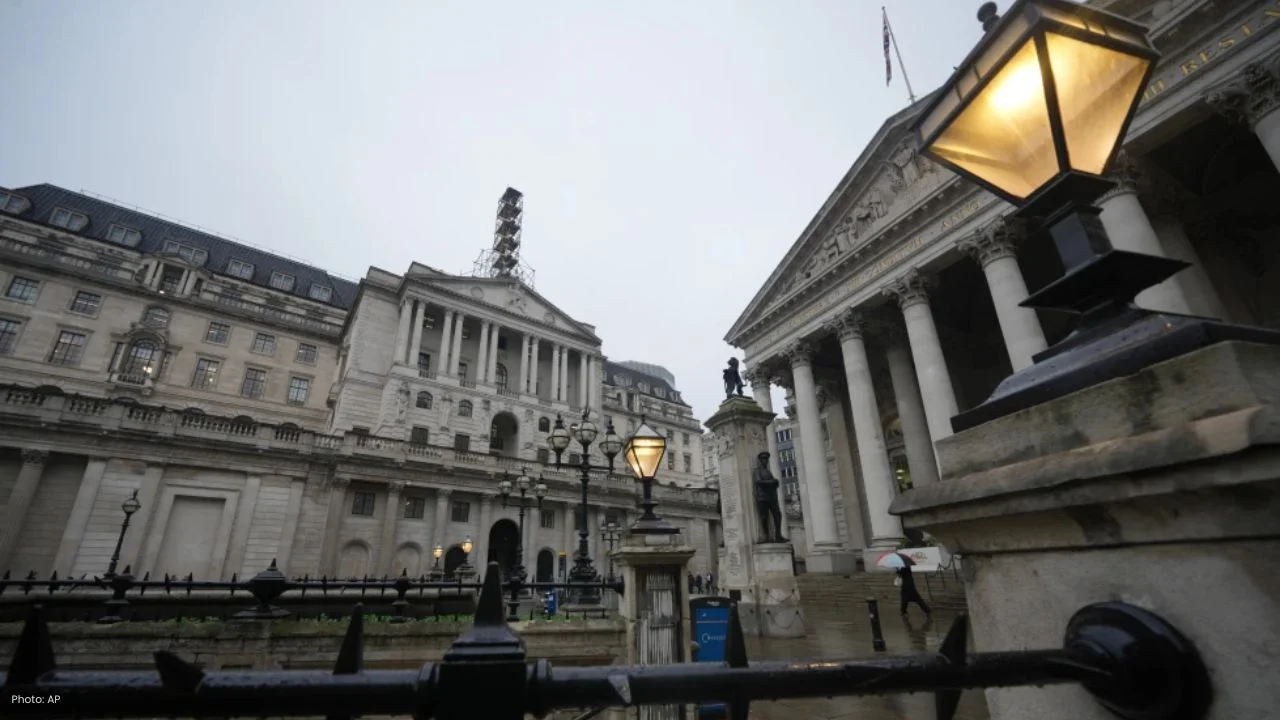
BoE Holds Rates at 3.75% as Iran War Fuels Inflation
Bank of England holds rates at 3.75% as Iran war drives oil prices up, raising inflation risks and d

Ananya Panday shines at Lakme Fashion Week 2026
Ananya Panday walked as showstopper for Rahul Mishra at Lakme Fashion Week 2026, wearing an ivory ou

Gold Prices Edge Up, Set for Third Weekly Decline
Gold prices rose slightly but are heading for a third weekly loss as a strong US dollar and Fed tigh

Philippine Airlines Suspends Dubai, Doha Flights Till April 30
Philippine Airlines has suspended Manila-Dubai and Doha flights till April 30 due to Middle East ten

Deadly Factory Fire in Daejeon Kills 11, Several Missing
A massive fire at an auto parts factory in Daejeon, South Korea, has killed 11 people, injured 59, a

Sanofi Opens Innovation Centre in Chengdu China
Sanofi opens its first China Innovation Centre in Chengdu, boosting R&D, clinical trials, and supply


Bank of Baroda Faces Abu Dhabi Legal Battle over NMC Collapse
Bank of Baroda’s involvement in Abu Dhabi litigation tied to the NMC Healthcare collapse raises repu

Top Museum Openings of 2026 Set to Transform Global Tourism
From Los Angeles to Abu Dhabi and Brussels, 2026 brings major museum launches—Lucas Museum, Guggenhe

UAE Tour Highlights UAE’s Strength in Hosting Global Sports Events
Abu Dhabi Sports Council says the successful UAE Tour reflects the UAE’s leading role in hosting maj

EU Seeks Clarity from US After Supreme Court IEEPA Ruling
European Commission urges full transparency from the US on steps after Supreme Court ruling, emphasi

SpaceX Launches 53 New Satellites for Expanding Starlink Network
SpaceX launches 53 Starlink satellites in two Falcon 9 missions, breaking reuse records and expandin

RTA Awards Contract for Phase II of Hessa Street Upgrade in Dubai
Phase II of Hessa Street Development to add bridges, tunnel, and upgraded intersections, doubling ca

UAE Gold Prices Today, Monday 16 February 2026: Dubai & Abu Dhabi Updated Rates
Gold prices in UAE on 16 Feb 2026 updated: 24K around AED 599.75/gm, 22K AED 555.25/gm, and 18K AED

Over 25 Ahmedabad Schools Receive Bomb Threat Email, Authorities Investigate
More than 25 schools in Ahmedabad evacuated after bomb threat emails mentioning Khalistan. Authoriti