Post by : Anis Karim
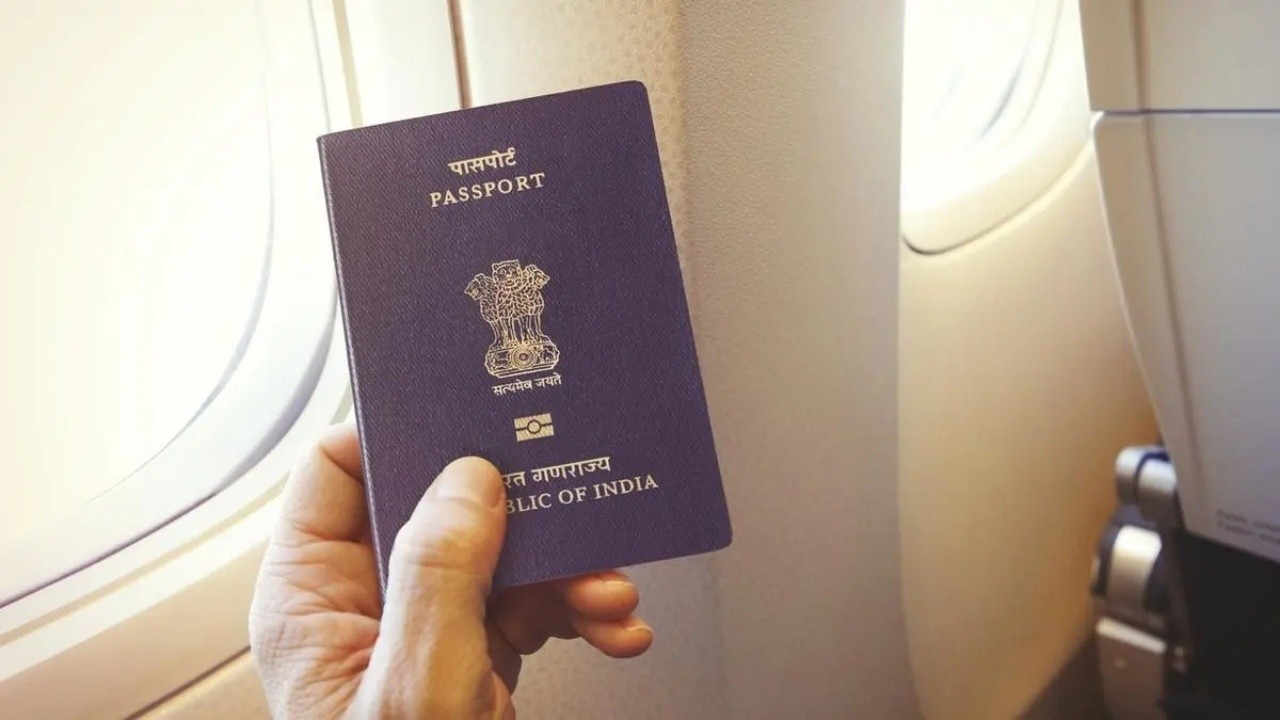
India has officially begun rolling out the next generation of travel documents—the e-passport. Unlike the traditional booklet that millions of Indians currently hold, the new e-passport includes an embedded electronic chip containing secure biometric and personal information. This marks one of the biggest technological upgrades in Indian travel documentation history.
More than 120 countries already issue chip-enabled passports that meet global aviation and security standards. With India joining this ecosystem, its citizens gain stronger protection from identity fraud, improved global recognition and the ability to use automated immigration systems at many airports.
The rollout is part of the government’s modernisation efforts under the upgraded Passport Seva Programme. Designed to make travel documentation more secure, efficient and future-ready, the e-passport reflects India’s long-term vision for digital identity and global mobility.
A traditional Indian passport is essentially a printed booklet containing personal details and a photograph. While still valid, it has limitations in the digital security era.
The e-passport, however, is a hybrid of a physical booklet and digital identification technology. The key addition is a small, contactless chip embedded inside the cover. This chip contains encrypted biometric and demographic data about the passport holder.
The chip cannot be accessed casually; it requires special scanners used at immigration counters and e-gates. The encryption ensures that the data cannot be easily altered, copied or forged, making the document far more secure than the older version.
A small gold-coloured biometric symbol on the cover of the e-passport indicates the presence of the chip. This visual marker also helps airport systems recognise it instantly.
The traditional passport remains valid until expiry. The new e-passport simply represents the future standard for fresh and renewed documents.
The shift to e-passports is the result of multiple strategic and practical considerations.
India is one of the world’s most travelled populations, both for work and tourism. With global airports increasingly using biometric verification and automated immigration gates, countries issuing chip-enabled passports enjoy smoother and safer travel.
Security is another key factor. Traditional passport forgery, identity manipulation and document tampering are rising challenges in global mobility. The chip dramatically reduces such risks because every data point stored inside is digitally signed and extremely difficult to replicate.
The modernisation of the Passport Seva Programme also plays a major role. India is upgrading its entire passport issuance ecosystem to make it more digital, more efficient and better aligned with global norms. The e-passport fits into this larger vision.
For Indian citizens abroad, the new document strengthens their global travel profile and improves recognition at foreign borders, especially in countries where biometric systems are mandatory.
The working mechanism of an e-passport is simple but highly secure. Understanding it helps travellers appreciate why this upgrade matters so much.
Inside the back cover of the passport lies a secure microprocessor chip and antenna. This chip stores encrypted personal information such as the holder’s full name, passport number, date of birth, photograph and biometric markers like fingerprints.
When a traveller presents the e-passport at immigration, a scanner reads the chip’s data contactlessly. The system verifies that the information on the chip matches the live biometrics of the traveller standing before the scanner.
If everything matches, the system authenticates the traveller instantly. This process occurs much faster than manual verification and drastically minimizes human error or document tampering.
Because the chip is digitally signed, any attempt to alter its data would immediately break the signature, triggering alerts during inspection. This makes the e-passport both tamper-evident and highly trustworthy.
Any Indian citizen who is eligible for a traditional passport is eligible for an e-passport. The application process is exactly the same as the current one. Applicants can choose whether they are applying for a fresh passport or for renewal of an existing one.
Appointments continue to be booked through the Passport Seva Portal. Citizens must visit a Passport Seva Kendra or Post Office Passport Seva Kendra for document verification and biometric capture. The data collected during this process is stored on the passport chip.
Not all centres are issuing e-passports yet. The rollout is being phased, beginning with major cities. Over time, all passport offices in India will transition to issuing only chip-enabled passports.
Indians living abroad will receive e-passports through embassies and consulates as the rollout expands internationally.
The most visible way to identify an e-passport is the biometric symbol—an internationally recognised icon—printed on the cover. This symbol lets immigration systems instantly recognise that the document contains an embedded chip.
Inside the passport, the data page looks similar to current booklets, except the back cover is slightly thicker due to the chip embedded within it.
No. All current Indian passports remain fully valid until their listed expiry date. There is no requirement for citizens to replace their existing passports immediately. The e-passport will gradually become the default for new issuances and renewals.
Travellers who hold valid traditional passports can continue to travel normally until it is time for renewal. Those who want to benefit sooner from faster e-gates and biometric verification may voluntarily apply for an e-passport through the renewal route.
The advantages of the new e-passport extend across security, convenience and global mobility.
Improved Security
The chip-enabled passport significantly reduces the chances of identity theft, impersonation, duplication or document manipulation. This is crucial at a time when global identity fraud is becoming more sophisticated.
Faster Immigration Clearance
With automated e-gates now common in major international airports, travellers holding chip-enabled passports experience much faster entry and exit. The document is scanned instantly, reducing queues and manual checks.
Global Travel Compatibility
Many countries prefer or even require chip-enabled passports for smooth border processing. India’s gradual migration to this standard ensures its citizens are aligned with global travel norms.
Modernised Indian Passport Services
Along with the e-passport, the Passport Seva system is being upgraded with improved digital interfaces, better tracking, smoother workflows and reduced processing delays.
Future-Readiness
As travel increasingly shifts to biometric and automated verification, India’s e-passport ensures its citizens are prepared for the next decade of border technology.
While the e-passport brings several advantages, the transition phase may generate some challenges.
Not all passport offices may issue e-passports initially. Availability will differ between states until the rollout becomes nationwide. This may create confusion among applicants about whether their centre supports the new format.
Awareness is another potential challenge. Many travellers may not know how an e-passport works, whether it is mandatory or how to identify it. Public education will play an important role in ensuring smooth adoption.
Some international airports may not yet support biometric e-gates. This means benefits may vary depending on the destination country’s infrastructure.
Privacy concerns may also arise. Because the document contains sensitive biometric information, users will naturally expect strong protection and responsible use of their data. The security architecture of the chip helps address these concerns, but awareness is essential.
The introduction of e-passports has far-reaching implications beyond just convenience at airports.
Automated immigration systems become more efficient when supporting chip-verified travellers. This reduces congestion at border points, supports tourism, improves passenger flow and frees immigration officers to focus on complex cases rather than routine checks.
Security agencies benefit from reduced document fraud, better verification tools and quicker identification of mismatches or irregularities.
For India’s diaspora, the new passport signals an enhanced global identity standard and demonstrates the country’s commitment to modern travel documentation systems.
At a diplomatic level, the shift aligns India with the global community of nations adopting next-generation biometric passports, enhancing the international reputation of Indian travel documents.
Travellers applying for or renewing their passports should check whether their local Passport Seva Kendra currently issues e-passports. If not, they may receive the traditional format until their region transitions.
Those planning international travel soon can continue using their existing passports. There is no urgency to change unless one specifically wants the latest features.
Travellers should also ensure they keep their e-passports safe from physical damage. Although the chip is protected inside the cover, bending or excessive damage could affect readability.
When travelling abroad, it is useful to know whether the destination airport supports automated e-gates. Not every airport does, and experiences may vary accordingly.
The launch of India’s e-passport marks a modern shift in how personal identity and global mobility are managed. It brings greater security, faster processing, enhanced international compatibility and the benefits of digital-age verification to millions of citizens.
While traditional passports remain valid for years to come, the e-passport represents the future—one where travel is smoother, safer and more aligned with global standards.
As the rollout expands across India and abroad, the e-passport will soon become the default travel document for citizens. It stands as a key milestone in India’s journey toward efficient, technology-driven public services and seamless global mobility.

Dubai Allows 24/7 Truck Movement to Boost Logistics
Dubai extends 24/7 truck movement to support logistics, excluding key tunnels. Authorities urge driv
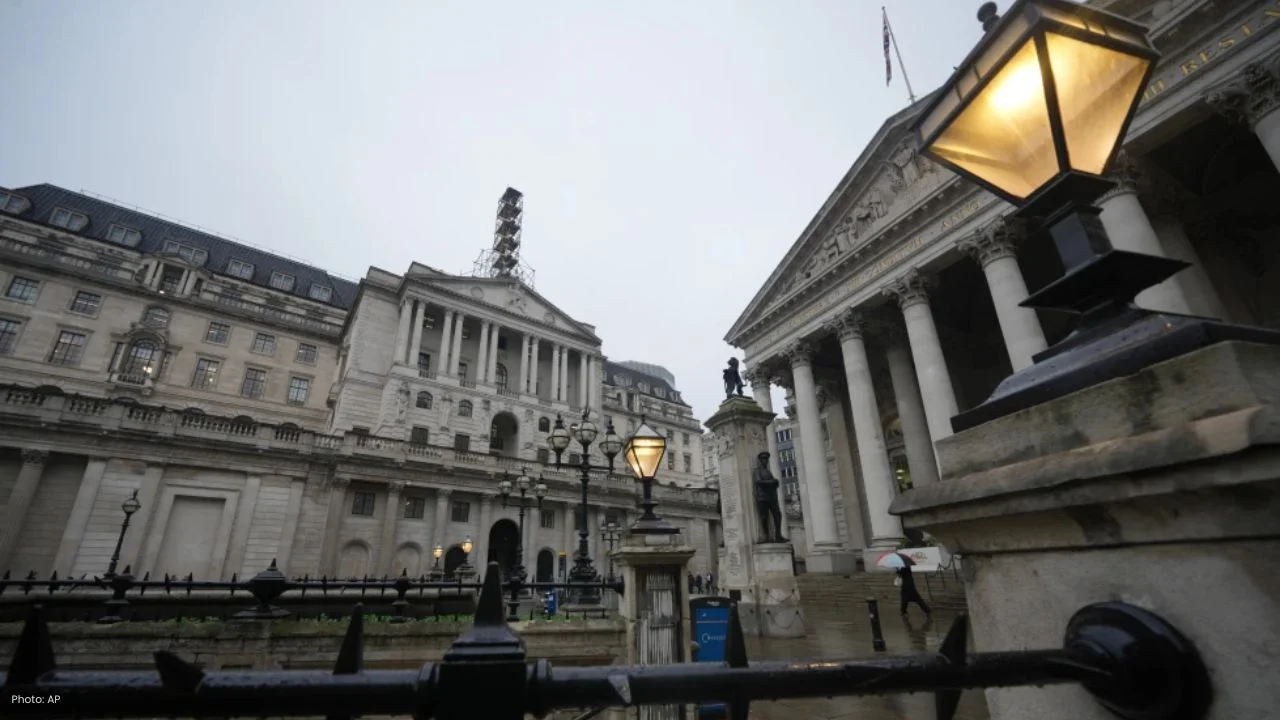
BoE Holds Rates at 3.75% as Iran War Fuels Inflation
Bank of England holds rates at 3.75% as Iran war drives oil prices up, raising inflation risks and d

Ananya Panday shines at Lakme Fashion Week 2026
Ananya Panday walked as showstopper for Rahul Mishra at Lakme Fashion Week 2026, wearing an ivory ou

Gold Prices Edge Up, Set for Third Weekly Decline
Gold prices rose slightly but are heading for a third weekly loss as a strong US dollar and Fed tigh

Philippine Airlines Suspends Dubai, Doha Flights Till April 30
Philippine Airlines has suspended Manila-Dubai and Doha flights till April 30 due to Middle East ten

Deadly Factory Fire in Daejeon Kills 11, Several Missing
A massive fire at an auto parts factory in Daejeon, South Korea, has killed 11 people, injured 59, a

Sanofi Opens Innovation Centre in Chengdu China
Sanofi opens its first China Innovation Centre in Chengdu, boosting R&D, clinical trials, and supply


Bank of Baroda Faces Abu Dhabi Legal Battle over NMC Collapse
Bank of Baroda’s involvement in Abu Dhabi litigation tied to the NMC Healthcare collapse raises repu

Top Museum Openings of 2026 Set to Transform Global Tourism
From Los Angeles to Abu Dhabi and Brussels, 2026 brings major museum launches—Lucas Museum, Guggenhe
UAE Tour Highlights UAE’s Strength in Hosting Global Sports Events
Abu Dhabi Sports Council says the successful UAE Tour reflects the UAE’s leading role in hosting maj
EU Seeks Clarity from US After Supreme Court IEEPA Ruling
European Commission urges full transparency from the US on steps after Supreme Court ruling, emphasi

SpaceX Launches 53 New Satellites for Expanding Starlink Network
SpaceX launches 53 Starlink satellites in two Falcon 9 missions, breaking reuse records and expandin

RTA Awards Contract for Phase II of Hessa Street Upgrade in Dubai
Phase II of Hessa Street Development to add bridges, tunnel, and upgraded intersections, doubling ca

UAE Gold Prices Today, Monday 16 February 2026: Dubai & Abu Dhabi Updated Rates
Gold prices in UAE on 16 Feb 2026 updated: 24K around AED 599.75/gm, 22K AED 555.25/gm, and 18K AED

Over 25 Ahmedabad Schools Receive Bomb Threat Email, Authorities Investigate
More than 25 schools in Ahmedabad evacuated after bomb threat emails mentioning Khalistan. Authoriti