Post by : Anis Karim
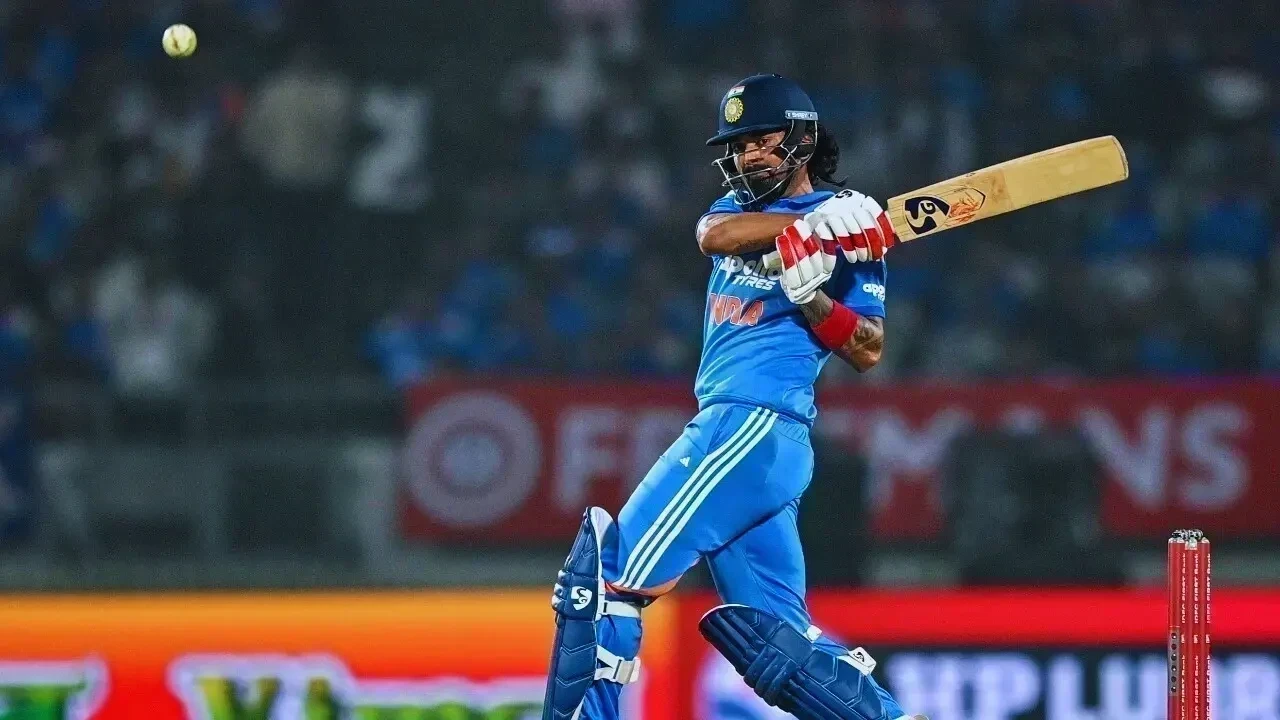
The inaugural One Day International between India and New Zealand was crucial for both teams. For India, it was a platform to assert dominance on home soil and evaluate their squad dynamics. New Zealand aimed to challenge a robust ODI side in unfamiliar territory.
Played before an engaging crowd, the contest was highly anticipated. While New Zealand fought valiantly, India showcased their control during pivotal moments, taking an early series lead.
India won the toss and opted to bat first, confident in their batting depth on a pitch that appeared favorable for scoring initially. The surface provided an even bounce and offered some help to seamers at the beginning, while the middle overs were expected to slow down.
The weather conditions remained stable throughout, and with no heavy dew, a fair contest unfolded between bat and ball.
India’s opening pair took a steady approach, focusing on wicket preservation during the powerplay. Rather than forcing boundaries, they prioritized safe strikes and rotation, ensuring a steady flow of runs without unnecessary risks.
This careful beginning allowed India to withstand early pressure from New Zealand’s seam bowlers, who maintained disciplined lines and lengths.
Once a solid platform was established, the middle order stepped up. Batsmen executed smart shot selection, choosing to place the ball rather than clear the boundary, thereby keeping the run rate healthy while mitigating risks.
Key partnerships during this phase were vital, preventing New Zealand from applying consistent pressure. Even when wickets fell, new batters quickly settled in to maintain scoring continuity.
The closing stages of India’s innings were crucial. With wickets in reserve, a swift acceleration occurred in the final ten overs. Effective striking and quick singles added significant runs, pushing the total to a competitive level.
Lower-order contributions highlighted India’s batting strength, ensuring they posted a total potent enough to challenge New Zealand's chase.
New Zealand commenced their chase boldly, displaying intent against both pace and spin. The openers secured early boundaries, keeping up with the required run rate and momentarily swinging the momentum in their favor.
Their aggressive approach reflected confidence, providing a solid foundation.
The match shifted notably during the middle overs. India’s bowlers tightened their lines, effectively varying their pace and positioning aggressive field settings. This resulted in frequent wickets, disrupting New Zealand's tempo.
With partnerships failing to establish, the required run rate climbed, compelling batters to take riskier shots.
Despite some resistance from the lower middle order, New Zealand found it difficult to regain control. India’s bowlers remained unflustered in the closing overs, executing their strategies well and efficiently sealing the victory.
New Zealand was ultimately bowled out short of the target, losing the opening ODI to India.
India’s bowling showcased discipline and adaptability. Seamers utilized the new ball intelligently, while spinners effectively controlled the middle overs by varying pace and flight. This collective approach ensured New Zealand never found a rhythm.
Conversely, New Zealand’s bowlers began promisingly but struggled in the latter stages of India’s innings, missing key lengths and delivering loose balls that allowed India crucial momentum.
Fielding played a subtle yet vital role in the outcome of the match. India demonstrated sharpness and alertness, saving runs and taking opportunities as they arose. The intensity remained high, reflecting strong on-field communication.
New Zealand’s performance was generally tidy, but a few lapses proved costly in such a closely contested game.
India’s performance underscored the depth of their squad, with multiple players contributing across disciplines. This balance reduces reliance on individual brilliance and enhances their prospects for the series.
For New Zealand, this match highlighted the importance of converting promising starts into substantial partnerships. Stability in the middle order and execution under pressure will be essential for upcoming matches.
With a 1–0 lead, India heads into the next ODI with momentum. They are likely to maintain a similar squad while fine-tuning their execution. Conversely, New Zealand may look to adjust strategies, especially in the middle overs, to remain competitive.
The rivalry intensifies, and the upcoming matches promise to deliver close contests.
The first ODI showcased structured cricket and strategic decision-making. India’s prowess in key phases with both bat and ball was decisive, earning them a well-deserved victory and an early series advantage.
As the series unfolds, expect both teams to refine tactics further, pushing for superiority.
Disclaimer:
This article is for informational purposes and is based on match events and general analysis. It does not represent any official team or board statements.

Dubai Allows 24/7 Truck Movement to Boost Logistics
Dubai extends 24/7 truck movement to support logistics, excluding key tunnels. Authorities urge driv

BoE Holds Rates at 3.75% as Iran War Fuels Inflation
Bank of England holds rates at 3.75% as Iran war drives oil prices up, raising inflation risks and d

Ananya Panday shines at Lakme Fashion Week 2026
Ananya Panday walked as showstopper for Rahul Mishra at Lakme Fashion Week 2026, wearing an ivory ou

Gold Prices Edge Up, Set for Third Weekly Decline
Gold prices rose slightly but are heading for a third weekly loss as a strong US dollar and Fed tigh

Philippine Airlines Suspends Dubai, Doha Flights Till April 30
Philippine Airlines has suspended Manila-Dubai and Doha flights till April 30 due to Middle East ten

Deadly Factory Fire in Daejeon Kills 11, Several Missing
A massive fire at an auto parts factory in Daejeon, South Korea, has killed 11 people, injured 59, a

Sanofi Opens Innovation Centre in Chengdu China
Sanofi opens its first China Innovation Centre in Chengdu, boosting R&D, clinical trials, and supply


Bank of Baroda Faces Abu Dhabi Legal Battle over NMC Collapse
Bank of Baroda’s involvement in Abu Dhabi litigation tied to the NMC Healthcare collapse raises repu

Top Museum Openings of 2026 Set to Transform Global Tourism
From Los Angeles to Abu Dhabi and Brussels, 2026 brings major museum launches—Lucas Museum, Guggenhe

UAE Tour Highlights UAE’s Strength in Hosting Global Sports Events
Abu Dhabi Sports Council says the successful UAE Tour reflects the UAE’s leading role in hosting maj

EU Seeks Clarity from US After Supreme Court IEEPA Ruling
European Commission urges full transparency from the US on steps after Supreme Court ruling, emphasi

SpaceX Launches 53 New Satellites for Expanding Starlink Network
SpaceX launches 53 Starlink satellites in two Falcon 9 missions, breaking reuse records and expandin

RTA Awards Contract for Phase II of Hessa Street Upgrade in Dubai
Phase II of Hessa Street Development to add bridges, tunnel, and upgraded intersections, doubling ca

UAE Gold Prices Today, Monday 16 February 2026: Dubai & Abu Dhabi Updated Rates
Gold prices in UAE on 16 Feb 2026 updated: 24K around AED 599.75/gm, 22K AED 555.25/gm, and 18K AED

Over 25 Ahmedabad Schools Receive Bomb Threat Email, Authorities Investigate
More than 25 schools in Ahmedabad evacuated after bomb threat emails mentioning Khalistan. Authoriti