Post by : Sam Jeet Rahman
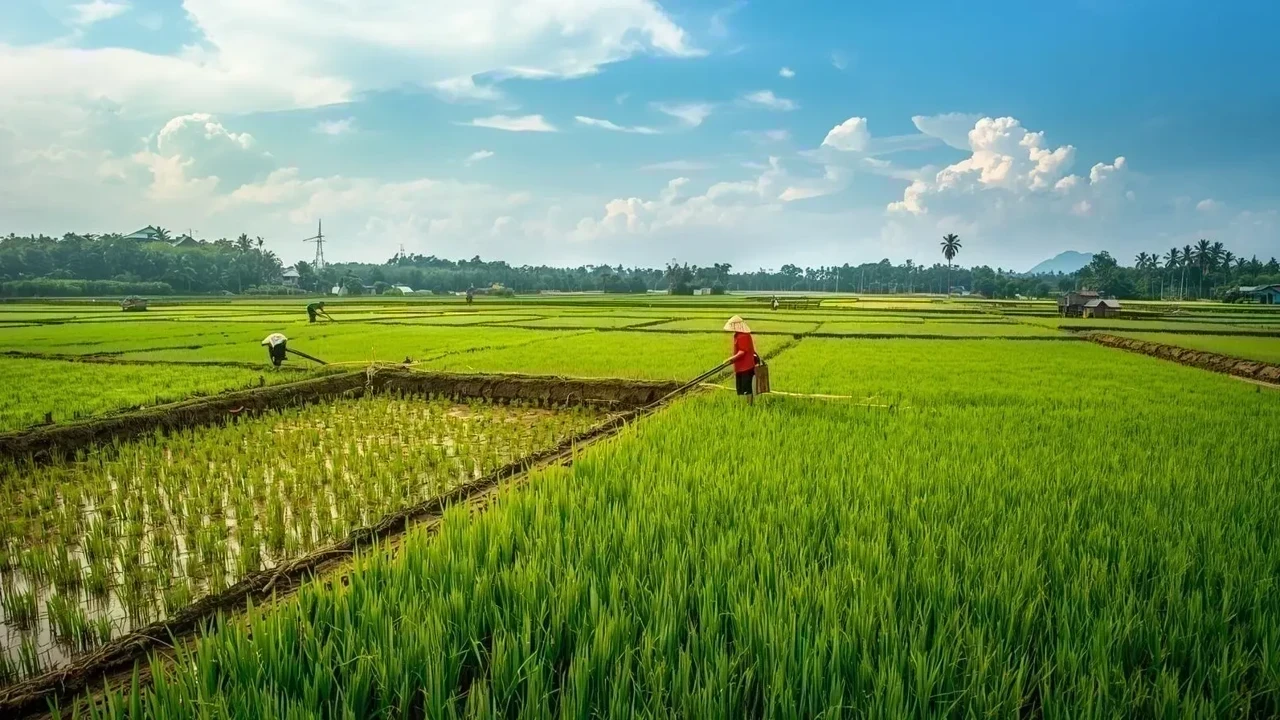
India achieving the position of the world’s largest rice producer, surpassing China in total output, marks a historic shift in global agriculture. Rice is not just another crop for India; it is a staple food, a livelihood source for millions of farmers, and a strategic commodity that influences food security, rural income, and international trade. This development reflects years of agricultural adaptation, policy support, technological progress, and farmer resilience rather than a sudden or accidental outcome.
This article explains how India reached this milestone, why China’s position changed, what factors drove India’s rise, and what this means for the global food system, all in a clear and informative manner.
Rice feeds more than half of the world’s population. In many Asian and African countries, rice is consumed daily and forms the foundation of food security. Any change in the global rice production ranking has consequences for:
International food prices
Export-import dependencies
Climate-resilient agriculture planning
Geopolitical food strategies
India and China together account for over 50% of global rice production, making shifts between them especially significant.
India overtaking China in rice production is the result of structural differences in agricultural systems and evolving national priorities.
India cultivates rice across a larger geographical area than China. Rice is grown extensively in states like West Bengal, Uttar Pradesh, Punjab, Andhra Pradesh, Telangana, Odisha, Chhattisgarh, Tamil Nadu, Bihar, and Assam. Even marginal increases in yield across such a wide area translate into massive production gains.
China, on the other hand, has gradually reduced rice-growing land due to:
Urbanization
Industrial expansion
Crop diversification
Labor shortages in rural areas
This difference in land allocation plays a crucial role in output totals.
India has steadily improved per-hectare rice yields through better seed varieties, improved irrigation, and mechanization. While China historically had higher yields, the gap has narrowed significantly.
Indian farmers have adopted:
High-yielding varieties (HYV)
Hybrid rice seeds
Short-duration crop cycles
Improved pest and disease control
These improvements allowed India to raise output even without aggressive land expansion.
India’s position as the top rice producer is strongly linked to long-term policy support.
The Minimum Support Price (MSP) for rice has provided income certainty to farmers. Guaranteed procurement reduces risk and encourages farmers to continue rice cultivation even during uncertain weather conditions.
India’s large public food programs require substantial rice stocks. This creates stable domestic demand, ensuring that production remains economically viable.
Large-scale irrigation projects, canals, tube wells, and subsidized electricity have reduced dependency on monsoon rains in key rice-growing regions.
Subsidies on fertilizers, seeds, and farm equipment lower production costs and improve farmer profitability, supporting sustained output growth.
Technology has played a silent but powerful role in India’s rice production success.
New rice varieties offer:
Higher yield potential
Resistance to pests and diseases
Tolerance to floods and droughts
Shorter growing periods
This allows multiple cropping cycles in some regions.
Use of transplanters, harvesters, and threshers has reduced labor dependency and post-harvest losses. Mechanization also helps farmers manage large fields efficiently during short harvesting windows.
Weather alerts, soil testing, crop advisory apps, and satellite monitoring have improved decision-making at the farm level, reducing losses and improving output consistency.
China remains a major rice producer, but several factors have limited its output growth.
Chinese consumers are gradually shifting toward:
Wheat-based foods
Meat and dairy
Processed foods
This reduces domestic pressure to expand rice output.
Rising rural wages and aging farming populations have increased production costs. Many younger workers move to urban jobs, reducing agricultural labor availability.
China faces stricter environmental regulations related to water use, soil health, and pollution. Rice is a water-intensive crop, and limits on groundwater extraction affect expansion.
China has diversified into higher-value crops such as fruits, vegetables, and oilseeds, optimizing land use for profitability rather than sheer volume.
Climate variability plays a major role in agricultural output.
Despite increasing unpredictability, India has experienced adequate monsoon coverage in major rice belts in recent seasons, supporting higher acreage and yields.
Flood-prone regions in eastern India now use submergence-tolerant rice varieties, reducing crop loss during heavy rainfall.
India’s ability to produce rice across kharif, rabi, and summer seasons gives it an output advantage over countries limited to fewer cycles.
India is not only the largest producer but also one of the largest rice exporters in the world.
India exports:
Basmati rice
Non-basmati white rice
Parboiled rice
Broken rice
This diversity allows India to serve multiple global markets across Asia, Africa, the Middle East, and Europe.
Lower production costs and large-scale farming make Indian rice more affordable in global markets, strengthening export demand.
Large domestic production allows India to maintain buffer stocks while still exporting surplus, enhancing global supply stability.
Higher production at the national level has direct and indirect effects on farmers.
Stable procurement and export demand reduce income volatility for rice farmers.
Rice cultivation supports millions of jobs across farming, transport, milling, packaging, and trade.
Fertilizers, irrigation equipment, seed companies, and agri-tech startups benefit from sustained rice production growth.
While high production is positive, it raises sustainability challenges.
Rice cultivation consumes large volumes of water, particularly in northern states relying on groundwater.
Excessive fertilizer use can degrade soil quality over time.
Flooded rice fields contribute to greenhouse gas emissions, raising climate concerns.
India is increasingly exploring:
Direct-seeded rice
Alternate wetting and drying techniques
Micro-irrigation
Climate-smart agriculture practices
These approaches aim to balance output with environmental responsibility.
India leading global rice production has broader implications.
Higher output reduces the risk of global shortages during climate shocks or geopolitical disruptions.
Many developing countries rely on affordable rice imports. India’s production strength supports food access in vulnerable regions.
As a top producer and exporter, India plays a key role in shaping international rice prices.
Despite its leadership position, India faces ongoing challenges.
Climate unpredictability
Water scarcity
Rising input costs
Need for sustainable practices
Addressing these challenges is critical to maintaining long-term leadership.
India’s rice production leadership is expected to continue if:
Yield growth remains steady
Sustainability measures scale up
Farmer income protection continues
Climate adaptation technologies expand
The focus is gradually shifting from volume growth to efficient and sustainable production.
India surpassing China in rice production is not merely a statistical achievement. It reflects structural strengths, farmer adaptability, and policy continuity. At the same time, it highlights the responsibility India now holds in ensuring global food stability while protecting its own environmental and agricultural future.
Rice remains deeply connected to India’s economy, culture, and food security. Leading the world in its production places India at the center of global agricultural conversations for years to come.
This article is intended for informational and educational purposes only. Agricultural data and production trends are based on publicly available estimates and may change due to climate conditions, policy updates, or revised reporting. Readers should refer to official agricultural bodies for the most current statistics and analysis.
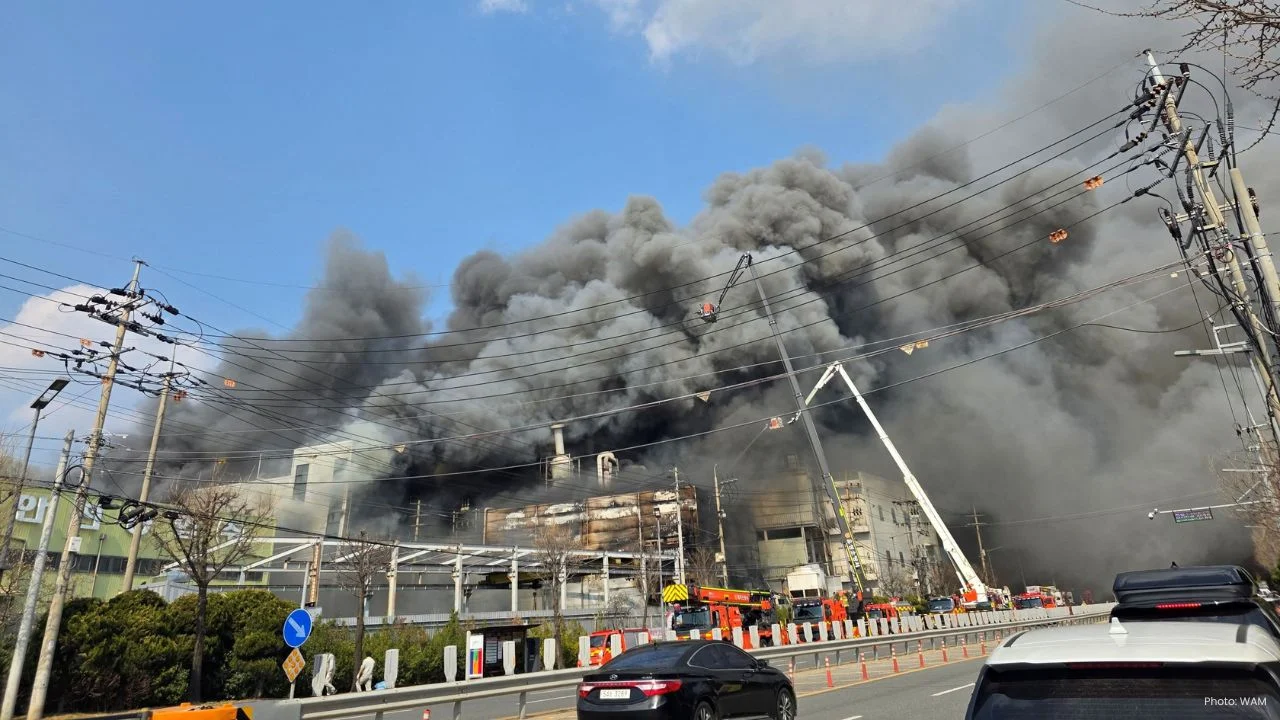
Deadly Factory Fire in Daejeon Kills 11, Several Missing
A massive fire at an auto parts factory in Daejeon, South Korea, has killed 11 people, injured 59, a

Sanofi Opens Innovation Centre in Chengdu China
Sanofi opens its first China Innovation Centre in Chengdu, boosting R&D, clinical trials, and supply

Jordan, Egypt Condemn Terror Plot Targeting UAE
Jordan and Egypt strongly condemn a terror plot targeting the UAE’s economy, reaffirming support for

Elon Musk Found Liable in Twitter Investor Case
A US jury found Elon Musk liable for misleading Twitter investors in 2022 deal, awarding up to $2.1

BTS Comeback Concert Draws 260K Fans in Seoul
BTS holds a mega comeback concert in Seoul with 260,000 fans, marking their first album in 3 years a
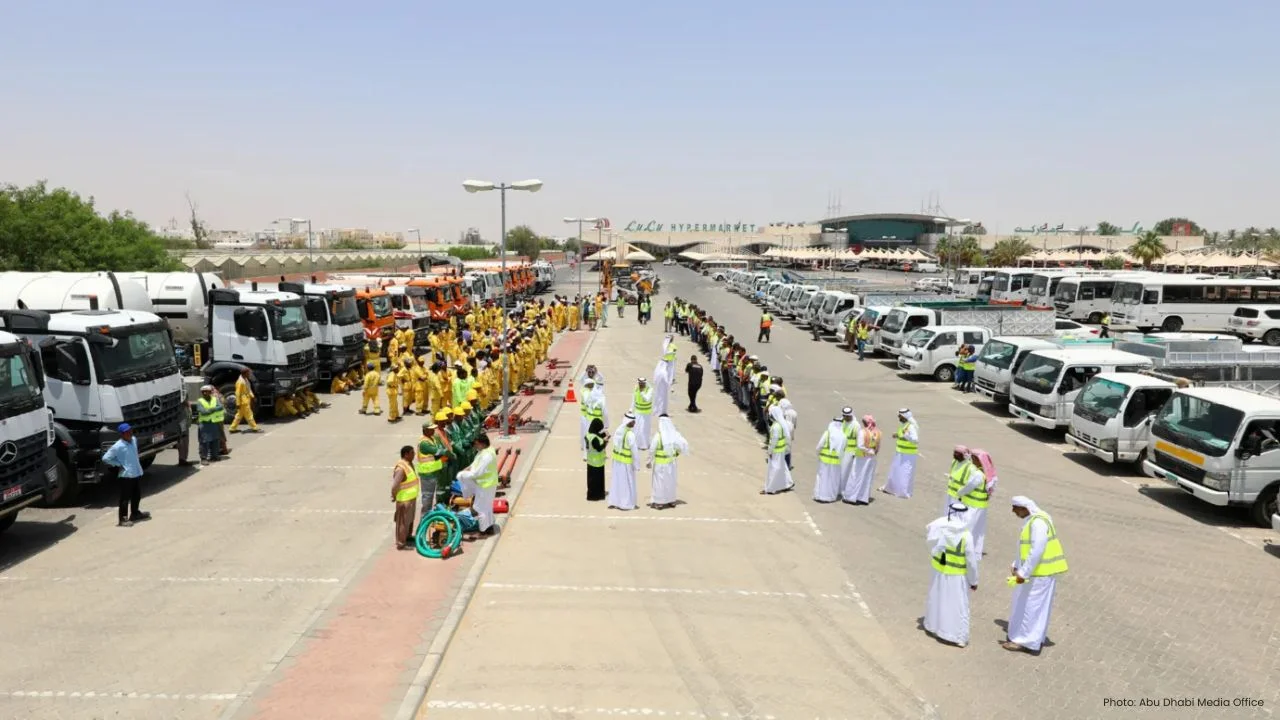
UAE DMT Prepares for Weather Alert March 21–27
Abu Dhabi’s DMT activates emergency plans, deploys teams, and urges public caution as unstable weath

Dubai Property Market Faces War-Driven Slowdown
Dubai’s real estate market shows early slowdown as Iran war impacts investor confidence, with fallin


Bank of Baroda Faces Abu Dhabi Legal Battle over NMC Collapse
Bank of Baroda’s involvement in Abu Dhabi litigation tied to the NMC Healthcare collapse raises repu

Top Museum Openings of 2026 Set to Transform Global Tourism
From Los Angeles to Abu Dhabi and Brussels, 2026 brings major museum launches—Lucas Museum, Guggenhe

UAE Tour Highlights UAE’s Strength in Hosting Global Sports Events
Abu Dhabi Sports Council says the successful UAE Tour reflects the UAE’s leading role in hosting maj

EU Seeks Clarity from US After Supreme Court IEEPA Ruling
European Commission urges full transparency from the US on steps after Supreme Court ruling, emphasi
SpaceX Launches 53 New Satellites for Expanding Starlink Network
SpaceX launches 53 Starlink satellites in two Falcon 9 missions, breaking reuse records and expandin

RTA Awards Contract for Phase II of Hessa Street Upgrade in Dubai
Phase II of Hessa Street Development to add bridges, tunnel, and upgraded intersections, doubling ca

UAE Gold Prices Today, Monday 16 February 2026: Dubai & Abu Dhabi Updated Rates
Gold prices in UAE on 16 Feb 2026 updated: 24K around AED 599.75/gm, 22K AED 555.25/gm, and 18K AED

Over 25 Ahmedabad Schools Receive Bomb Threat Email, Authorities Investigate
More than 25 schools in Ahmedabad evacuated after bomb threat emails mentioning Khalistan. Authoriti