Post by : Zayd Kamal
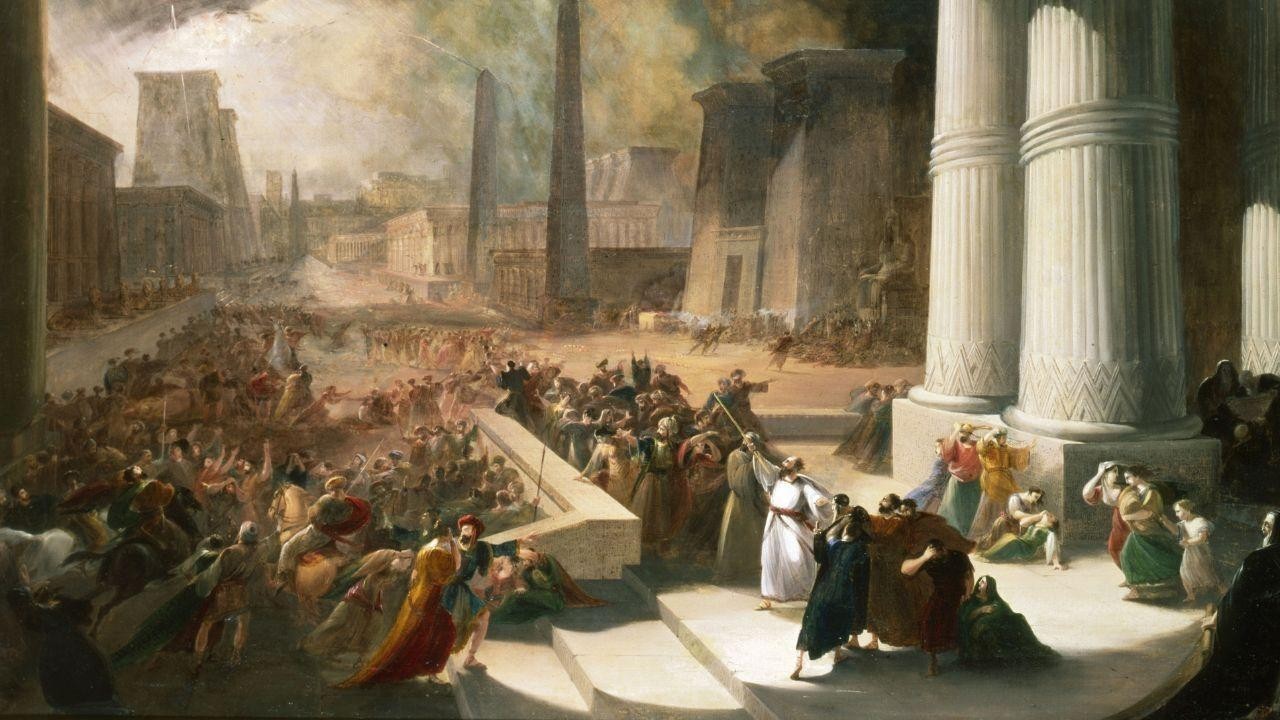
From towering pyramids to intricate legal systems, how ancient cultures shaped the world we live in today is a fascinating story of innovation, resilience, and influence. The customs, discoveries, and wisdom of early civilizations continue to impact our daily lives in ways we may not always recognize. Whether it’s the democratic ideals of ancient Greece, the architectural marvels of Rome, or the mathematical advancements of Mesopotamia, these legacies are still woven into modern society. Let's take a closer look at how these early societies laid the foundation for the world we know today.
One of the most significant contributions of ancient cultures is the development of writing and language. The Sumerians of Mesopotamia introduced cuneiform around 3100 BCE, one of the earliest forms of written communication. This allowed civilizations to document laws, trade, and stories, leading to structured societies. The Egyptian hieroglyphs, Chinese characters, and Phoenician alphabets influenced countless modern languages. Today’s alphabets and writing systems have evolved from these early scripts, enabling global communication and the preservation of knowledge.
Many legal and political systems today trace their origins back to ancient civilizations. The Code of Hammurabi, established by the Babylonians around 1754 BCE, is one of the earliest recorded legal codes, promoting the idea of justice and law enforcement. Similarly, ancient Greece introduced democracy, allowing citizens to participate in governance. Rome’s legal system influenced modern legal frameworks, including trial procedures, legal representation, and property rights. The principles of law and order that emerged thousands of years ago still define societal structures in today’s world.
Ancient cultures revolutionized architecture and engineering, leaving behind timeless structures that inspire modern designs. The Egyptians built the Great Pyramids, using advanced techniques that still puzzle engineers. The Romans perfected concrete, creating structures like the Colosseum and aqueducts, which influenced today’s urban planning and infrastructure. Greek columns and symmetry in architecture can be seen in modern government buildings, museums, and universities. The ingenuity of ancient builders continues to shape cities and landscapes worldwide.
Our understanding of science and mathematics owes much to ancient cultures. The Babylonians developed a base-60 numeral system, leading to the 60-minute hour and 360-degree circle. Greek philosophers like Pythagoras and Euclid laid the foundations for geometry, which is still used in engineering and design. Ancient Egyptians and Chinese pioneered medical practices, including surgeries, herbal medicine, and acupuncture. These early discoveries continue to guide modern scientific and medical advancements.
The teachings of ancient philosophers still influence modern education and thought. Socrates, Plato, and Aristotle’s works remain foundational in philosophy, ethics, and politics. Confucian principles emphasize respect, discipline, and social harmony, shaping education and governance in many Asian cultures. The concept of formal education, developed by the Greeks and later refined by the Romans, continues to shape modern schooling systems. The pursuit of knowledge, critical thinking, and ethical debates that started thousands of years ago still drive intellectual progress today.
Art, music, and literature have been integral parts of human expression for centuries. The epics of Homer, the Sanskrit scriptures of India, and the poetry of ancient China have influenced global literature. Ancient Greek theater set the stage for modern drama and performance arts. The artistic styles of the Renaissance, inspired by Roman and Greek techniques, continue to shape contemporary creativity. From classical compositions to architectural masterpieces, ancient cultures remain at the heart of artistic evolution.
The economic principles developed by ancient civilizations continue to influence modern trade and commerce. The Silk Road, a vast trade network linking China, India, the Middle East, and Europe, laid the foundation for globalization. Coin-based economies, introduced by the Lydians, evolved into modern banking systems. Agricultural advancements by early societies enabled food surplus, population growth, and urbanization. Today’s interconnected global economy can be traced back to these early trade networks and financial systems.
Religious beliefs and practices from ancient cultures have shaped societies across generations. Hinduism, Buddhism, Judaism, Christianity, and Islam have their roots in ancient civilizations, influencing morality, ethics, and cultural traditions. Ancient mythologies, such as those from Greece, Egypt, and Mesopotamia, continue to inspire literature, films, and art. The spiritual philosophies of early civilizations remain embedded in modern belief systems, guiding values and traditions worldwide.
The contributions of ancient cultures continue to shape modern society in profound ways. From the invention of writing by the Sumerians to the legal frameworks established by the Babylonians and Romans, these civilizations laid the groundwork for structured governance and communication. Architectural marvels like the Egyptian pyramids and Roman aqueducts influence today’s urban design, while mathematical and scientific advancements from Mesopotamia, Greece, and China continue to drive innovation. Philosophy, education, art, and literature from early civilizations inspire contemporary thought and creativity. Additionally, trade networks such as the Silk Road played a crucial role in developing the modern global economy. Religious beliefs and spiritual practices that originated thousands of years ago still shape cultural identities and traditions today. The lasting impact of these early societies is a testament to their resilience, ingenuity, and influence on the world we live in.
This article is published by DXB News Network for informational purposes only. While we strive for accuracy, historical interpretations may vary, and readers are encouraged to conduct further research.

Deadly Factory Fire in Daejeon Kills 11, Several Missing
A massive fire at an auto parts factory in Daejeon, South Korea, has killed 11 people, injured 59, a

Sanofi Opens Innovation Centre in Chengdu China
Sanofi opens its first China Innovation Centre in Chengdu, boosting R&D, clinical trials, and supply
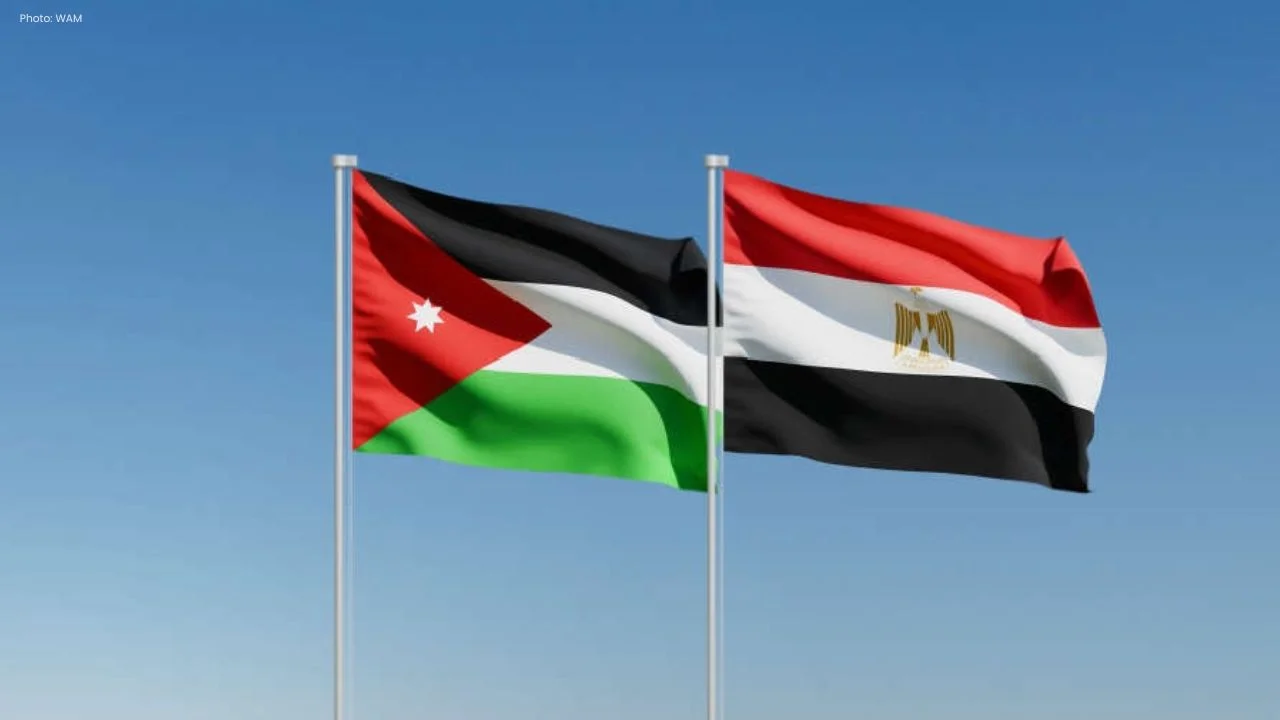
Jordan, Egypt Condemn Terror Plot Targeting UAE
Jordan and Egypt strongly condemn a terror plot targeting the UAE’s economy, reaffirming support for

Elon Musk Found Liable in Twitter Investor Case
A US jury found Elon Musk liable for misleading Twitter investors in 2022 deal, awarding up to $2.1

BTS Comeback Concert Draws 260K Fans in Seoul
BTS holds a mega comeback concert in Seoul with 260,000 fans, marking their first album in 3 years a
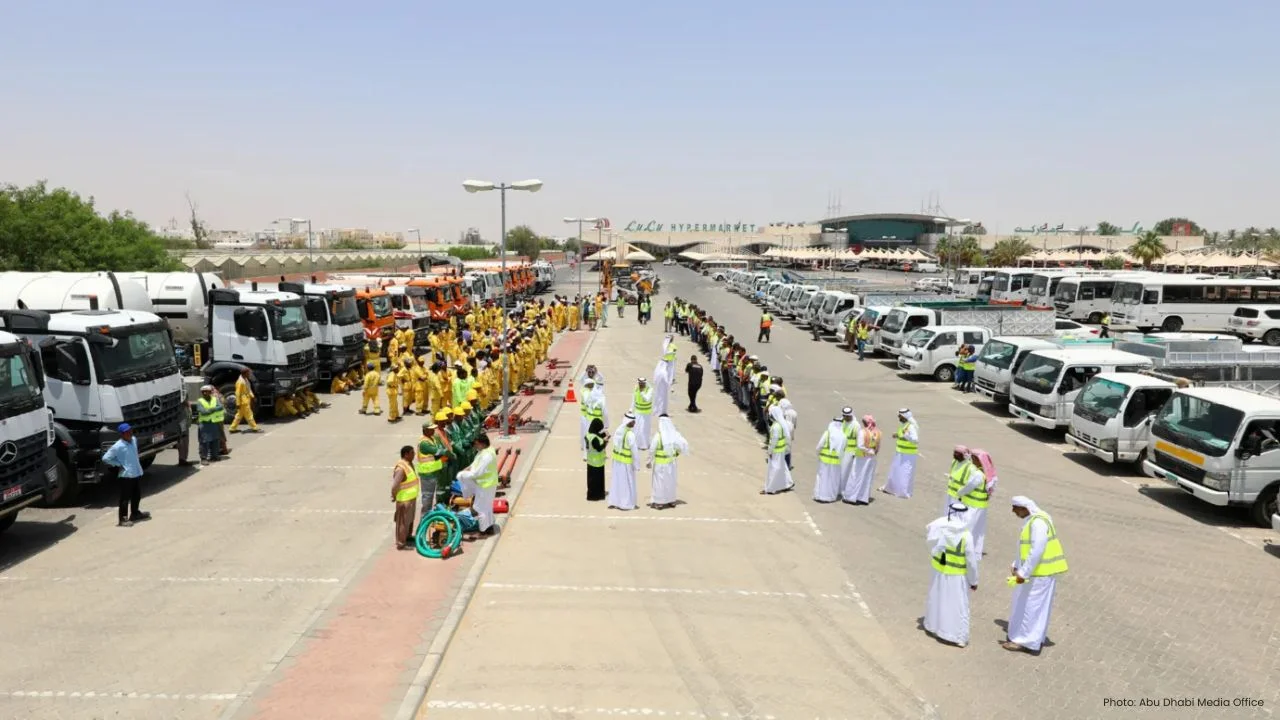
UAE DMT Prepares for Weather Alert March 21–27
Abu Dhabi’s DMT activates emergency plans, deploys teams, and urges public caution as unstable weath

Dubai Property Market Faces War-Driven Slowdown
Dubai’s real estate market shows early slowdown as Iran war impacts investor confidence, with fallin


Bank of Baroda Faces Abu Dhabi Legal Battle over NMC Collapse
Bank of Baroda’s involvement in Abu Dhabi litigation tied to the NMC Healthcare collapse raises repu
Top Museum Openings of 2026 Set to Transform Global Tourism
From Los Angeles to Abu Dhabi and Brussels, 2026 brings major museum launches—Lucas Museum, Guggenhe

UAE Tour Highlights UAE’s Strength in Hosting Global Sports Events
Abu Dhabi Sports Council says the successful UAE Tour reflects the UAE’s leading role in hosting maj
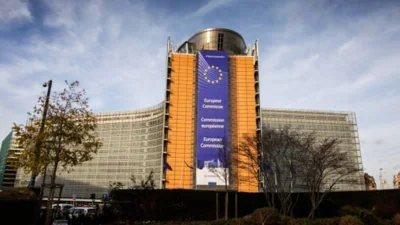
EU Seeks Clarity from US After Supreme Court IEEPA Ruling
European Commission urges full transparency from the US on steps after Supreme Court ruling, emphasi
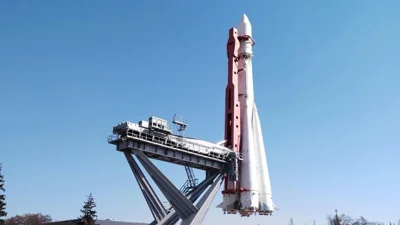
SpaceX Launches 53 New Satellites for Expanding Starlink Network
SpaceX launches 53 Starlink satellites in two Falcon 9 missions, breaking reuse records and expandin

RTA Awards Contract for Phase II of Hessa Street Upgrade in Dubai
Phase II of Hessa Street Development to add bridges, tunnel, and upgraded intersections, doubling ca

UAE Gold Prices Today, Monday 16 February 2026: Dubai & Abu Dhabi Updated Rates
Gold prices in UAE on 16 Feb 2026 updated: 24K around AED 599.75/gm, 22K AED 555.25/gm, and 18K AED

Over 25 Ahmedabad Schools Receive Bomb Threat Email, Authorities Investigate
More than 25 schools in Ahmedabad evacuated after bomb threat emails mentioning Khalistan. Authoriti