
Post by : Anis Karim
Travel has always been a gateway to discovery. For decades, planning a trip meant sitting with piles of brochures, browsing endless blogs, or relying on travel agents to design the ideal getaway. Then came search engines, online portals, and travel platforms that gave travellers access to global information at their fingertips.
Yet even with that shift, something remained challenging: too much information and not enough clarity. Modern travellers want convenience, precision, flexibility, and personalised recommendations — without spending weeks researching every detail. This is exactly where artificial intelligence steps in.
Today, intelligent systems can curate trips, suggest itineraries, track prices, design routes, translate languages, and help travellers make decisions with the accuracy and insight of a professional advisor. From the moment a destination idea appears in your mind to the second you land back home, AI makes the journey smoother, smarter, and more meaningful.
This isn’t a minor upgrade. It is a revolution in how we explore the world.
Just a few years ago, travel planning meant searching online and manually comparing reviews, airline sites, and blogs. The burden fell on the traveller to sift through information. Today, the equation has flipped — technology does the filtering, sorting, and decision-making to match personal preferences.
Instead of asking, “Where should I go?” travellers now ask, “What is the best trip for me?”
AI-powered systems scan traveller behaviour, interests, budgets, and schedules to create tailored options. This shift from search to smart guidance dramatically cuts down research time while boosting confidence in choices.
Planning no longer feels like work — it feels like having a dedicated travel advisor who knows you well and curates experiences just for you.
One of the most transformative changes is itinerary creation. Instead of generic travel guides, travellers now receive personalised routes designed around their tastes — whether someone loves food markets, hidden cafés, history museums, luxury resorts, nature hikes, nightlife or budget backpacking.
Intelligent systems consider factors like:
– interests and hobbies
– preferred pace (relaxed vs activity-packed)
– weather patterns
– crowd levels
– seasonal events
– dietary needs
– mobility concerns
– travel style and budget
The result is a trip shaped like a personal dream, not a template. Even the sequence of activities can be optimised to minimise travel time, avoid rush hours, and maximise enjoyment.
Booking travel was once a guessing game — hoping to find the best fare or fearing missing out on deals. Intelligent systems can track pricing trends, predict fare drops, and send alerts when flights or hotels hit ideal cost ranges.
Hotel choices no longer depend solely on star ratings; recommendations are filtered by vibe, interior quality, neighbourhood style, guest purpose, and preferences like pet-friendliness, fitness facilities, breakfast availability, or scenic views.
Even travellers without time to compare options can now book confidently in minutes. The decision fatigue that once made booking stressful has faded into the background.
Travel rarely goes exactly as planned. Weather changes, flight delays, museum queues, and transportation hiccups can surprise even the most experienced traveller. Intelligent travel systems now provide real-time updates, suggesting alternatives instantly and ensuring that plans remain flexible and enjoyable.
Imagine being notified before traffic builds up on your way to the airport, or learning that a popular attraction is overcrowded and being advised to visit a nearby hidden gem instead. Intelligent systems make trips dynamic, not disruptive.
They keep travellers informed, calm, and in control — even when circumstances shift.
Language confusion once caused many travellers to avoid unfamiliar destinations or rely heavily on tour groups. Today, voice and text translation tools break down barriers effortlessly. Travellers can speak with locals, read menus, ask directions, and understand signs without stress.
From street markets in Bangkok to cafés in Paris to taxi rides in Tokyo, communication feels more natural and respectful. Travellers no longer feel like outsiders — they feel welcomed, confident, and included.
The world feels smaller, friendlier, and easier to navigate.
Safety is a major priority for travellers, especially for solo explorers, women, families, and first-timers in a new region. Intelligent systems analyse neighbourhood conditions, real-time news updates, transportation safety records, and crowd density to help travellers choose the safest and most efficient routes.
Navigation becomes intuitive — with step-by-step guidance, landmark awareness, and route optimisation that adapts to walking, driving, biking or public transit.
This gives travellers a sense of security and independence, allowing them to explore freely without fear of getting lost or ending up in risky areas.
Gone are the days when budget travel meant sacrificing comfort or missing out on memorable experiences. Intelligent travel systems help travellers stretch their money wisely.
They monitor price patterns, recommend affordable dining spots, suggest free activities, highlight best times to book, and create cost-efficient itineraries without compromising enjoyment.
Suddenly, students can backpack smarter, families can maximise holiday value, and luxury travellers can avoid unnecessary overspending. Every traveller wins.
Guidebooks often list the same top attractions — meaning crowds, queues, and repeated itineraries. Modern travellers crave uniqueness. Intelligent systems analyse local behaviour patterns, recent reviews, and social signals to uncover hidden cafés, beautiful viewpoints, charming neighbourhoods, seasonal experiences, and cultural activities beyond tourist trails.
Travellers can enjoy:
– secret spots loved by locals
– boutique stays
– artisanal food markets
– neighbourhood walks
– small-group cultural experiences
– community-led tours
Instead of seeing a place, travellers feel it — deeply and authentically.
Planning travel with friends or family can lead to endless debates and spreadsheet battles. Intelligent coordination tools now make group planning smooth. They gather preferences, match common interests, divide budgets, suggest compromises, and even handle shared payments.
Suddenly, planning together becomes an enjoyable bonding experience, not a stressful debate cycle.
Whether it's a family reunion in a hilltown or a friends’ trip to a coastal city, the process feels balanced, fair, and fun.
Modern travellers are increasingly conscious of their footprint. Intelligent systems help recognise eco-friendly travel choices — from recommending rail journeys over short flights to highlighting eco-certified stays and low-waste dining options.
This drives responsible travel culture without forcing travellers to sacrifice comfort or convenience.
Sustainability becomes practical, not idealistic.
What lies ahead? Even greater personalisation. Soon, systems may anticipate your moods, track energy levels during trips, adjust itineraries based on weather in real time, recommend social experiences for solo travellers, and remember preferences down to pillow choice and music taste.
Travel will feel even more intuitive, human-centred, and immersive — blending creativity, comfort, technology, and cultural authenticity in perfect harmony.
Tomorrow’s traveller won’t just visit new places — they will live them, effortlessly and meaningfully.
The rise of intelligent travel planning marks a turning point in global exploration. What once took days now takes minutes. What once felt overwhelming now feels empowering. With tailored itineraries, smart booking, intuitive navigation, translation ease, sustainability tools, hidden-gem discovery, and real-time support, modern travellers enjoy journeys that feel personal, seamless, safe, and deeply meaningful.
Travel remains an art — but now it comes with a guiding hand, a thoughtful companion, and a clear path forward. In this new era, the world becomes not only more accessible, but more personal, more enriching, and more exciting than ever before.
Exploring is no longer about working through a checklist — it's about experiencing life, culture, people, and memories with clarity and joy.
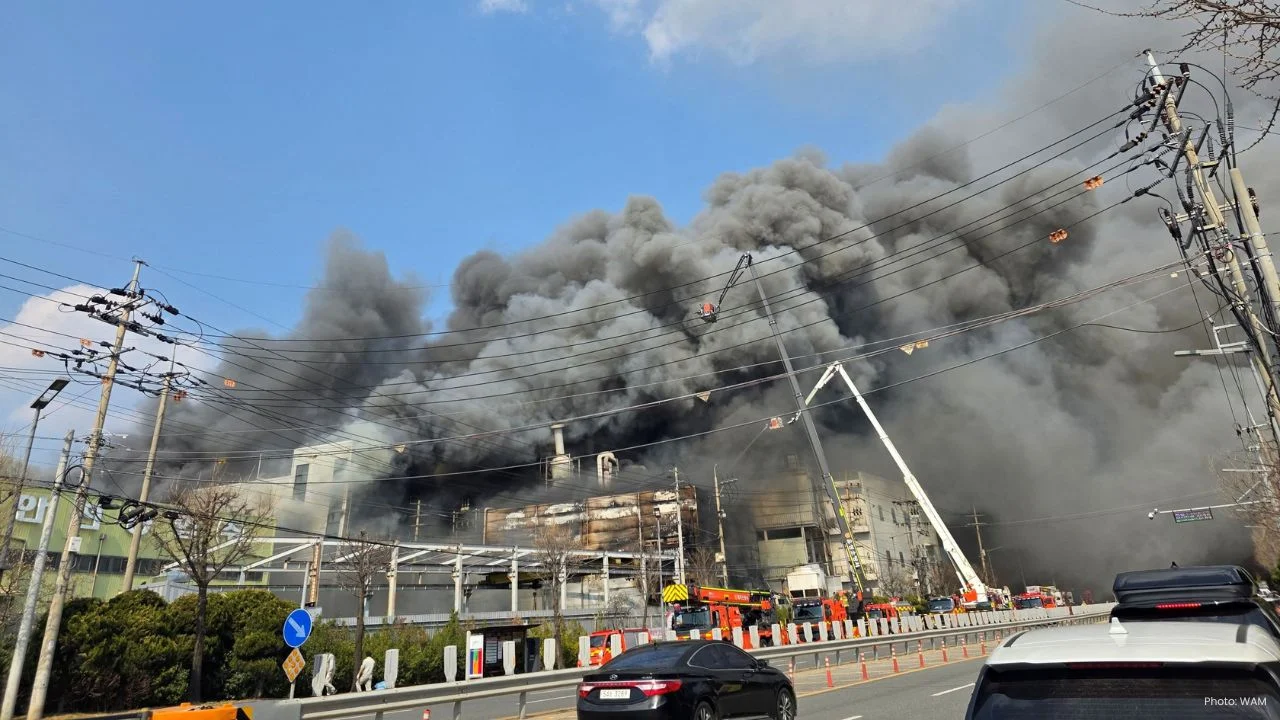
Deadly Factory Fire in Daejeon Kills 11, Several Missing
A massive fire at an auto parts factory in Daejeon, South Korea, has killed 11 people, injured 59, a

Sanofi Opens Innovation Centre in Chengdu China
Sanofi opens its first China Innovation Centre in Chengdu, boosting R&D, clinical trials, and supply

Jordan, Egypt Condemn Terror Plot Targeting UAE
Jordan and Egypt strongly condemn a terror plot targeting the UAE’s economy, reaffirming support for

Elon Musk Found Liable in Twitter Investor Case
A US jury found Elon Musk liable for misleading Twitter investors in 2022 deal, awarding up to $2.1

BTS Comeback Concert Draws 260K Fans in Seoul
BTS holds a mega comeback concert in Seoul with 260,000 fans, marking their first album in 3 years a
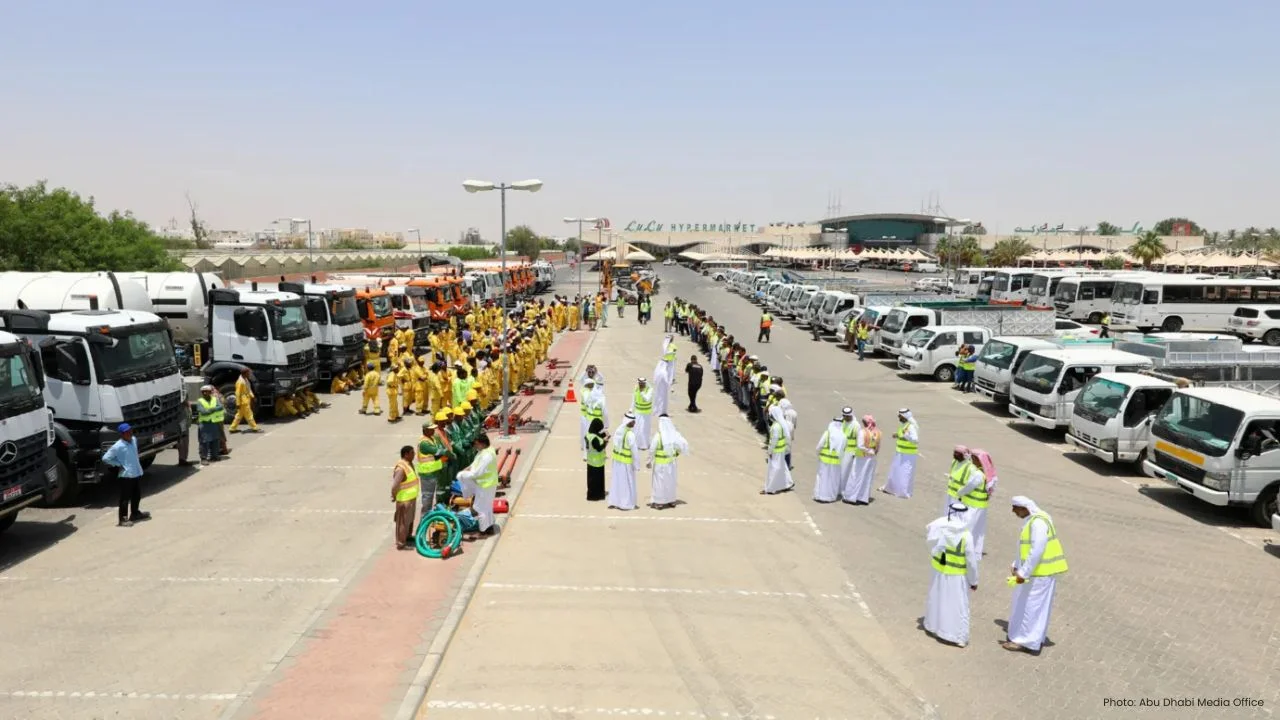
UAE DMT Prepares for Weather Alert March 21–27
Abu Dhabi’s DMT activates emergency plans, deploys teams, and urges public caution as unstable weath

Dubai Property Market Faces War-Driven Slowdown
Dubai’s real estate market shows early slowdown as Iran war impacts investor confidence, with fallin


Bank of Baroda Faces Abu Dhabi Legal Battle over NMC Collapse
Bank of Baroda’s involvement in Abu Dhabi litigation tied to the NMC Healthcare collapse raises repu
Top Museum Openings of 2026 Set to Transform Global Tourism
From Los Angeles to Abu Dhabi and Brussels, 2026 brings major museum launches—Lucas Museum, Guggenhe

UAE Tour Highlights UAE’s Strength in Hosting Global Sports Events
Abu Dhabi Sports Council says the successful UAE Tour reflects the UAE’s leading role in hosting maj
EU Seeks Clarity from US After Supreme Court IEEPA Ruling
European Commission urges full transparency from the US on steps after Supreme Court ruling, emphasi
SpaceX Launches 53 New Satellites for Expanding Starlink Network
SpaceX launches 53 Starlink satellites in two Falcon 9 missions, breaking reuse records and expandin
RTA Awards Contract for Phase II of Hessa Street Upgrade in Dubai
Phase II of Hessa Street Development to add bridges, tunnel, and upgraded intersections, doubling ca

UAE Gold Prices Today, Monday 16 February 2026: Dubai & Abu Dhabi Updated Rates
Gold prices in UAE on 16 Feb 2026 updated: 24K around AED 599.75/gm, 22K AED 555.25/gm, and 18K AED

Over 25 Ahmedabad Schools Receive Bomb Threat Email, Authorities Investigate
More than 25 schools in Ahmedabad evacuated after bomb threat emails mentioning Khalistan. Authoriti