Post by : Anis Karim
Every month, millions of people around the world turn to horoscopes, eager to read what the stars may have in store for them. From love and career predictions to financial prospects and health advice, horoscopes are a cultural phenomenon that transcends geography, language, and age groups. Yet, an age-old debate continues: are horoscopes truly insightful, or are they just cleverly worded generalizations that play on human psychology? With monthly predictions for September 2025 making headlines, this is an opportune time to dive deep into the world of astrology, its popularity, and the science—or lack thereof—behind it.
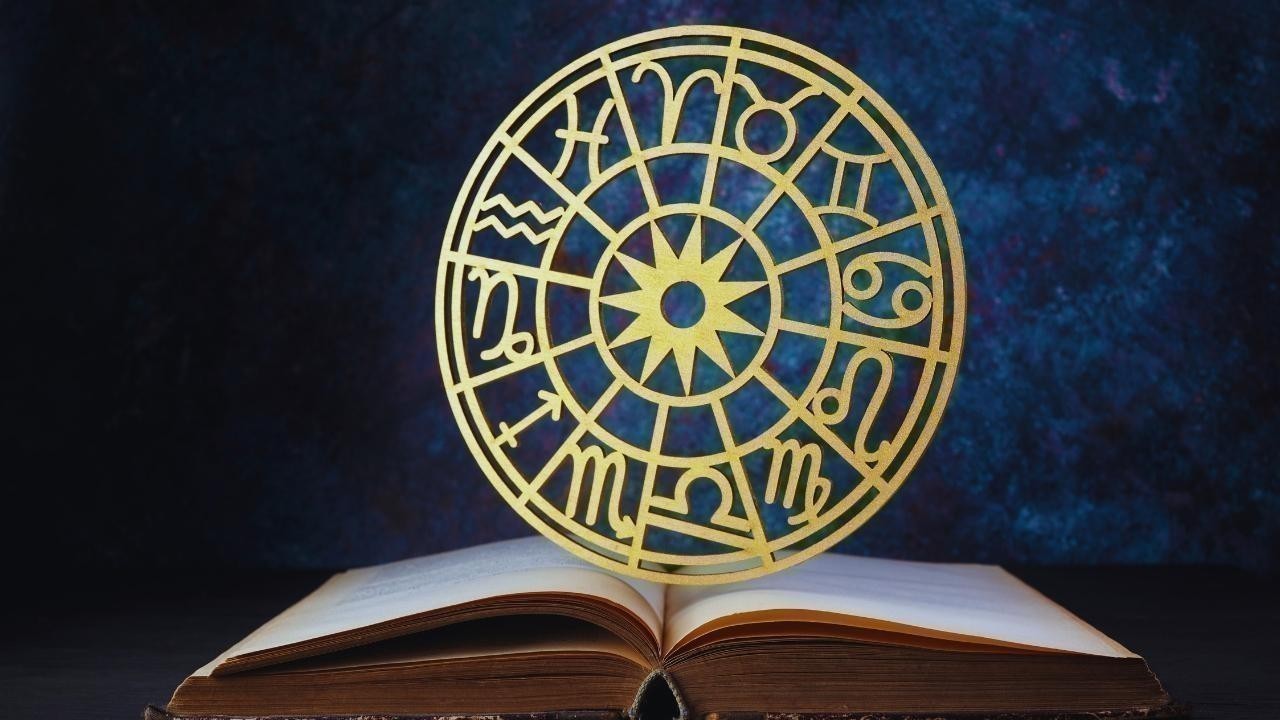
Astrology is not new. Its origins trace back thousands of years to Babylonian times when people studied celestial movements to understand earthly events. Over centuries, it evolved into the zodiac system that divides the year into twelve signs, each associated with unique traits. Today, this system remains highly influential. Newspapers, magazines, apps, and websites publish horoscopes daily, weekly, and monthly, attracting millions of readers.
One major reason for their popularity is accessibility. Horoscopes are easy to understand and require no scientific training. Unlike technical forecasts in fields like economics or medicine, astrology speaks in plain, relatable language. Whether someone is a student anxious about exams, a professional worried about promotions, or a couple seeking relationship clarity, horoscopes promise quick insights that feel personal.
While skeptics dismiss horoscopes as vague entertainment, psychologists suggest that belief in them stems from deep-seated human needs. People naturally seek meaning, especially in uncertain times. Horoscopes offer comfort by suggesting that there is order in the chaos of life and that cosmic forces influence personal events.
The “Barnum effect” plays a key role here. This psychological phenomenon explains why people accept vague or general statements as highly personal. For example, when a horoscope says, “You will face challenges, but resilience will help you overcome them,” almost anyone can relate. Readers interpret these statements in ways that match their current situation, reinforcing belief in astrology.
Beyond psychology, horoscopes hold deep cultural value. In many societies, astrology is interwoven with traditions and rituals. In India, kundli (birth charts) guide marriages, business ventures, and even political decisions. In China, zodiac animals influence New Year celebrations and personality assumptions. In Western countries, star signs often become part of personal identity, shaping how people introduce themselves or perceive compatibility with others.
This cultural embedding ensures that astrology thrives even in the digital age. Social media has amplified its reach, with astrologers building massive followings by posting zodiac-based content that resonates with younger audiences.
From a scientific standpoint, horoscopes face strong criticism. Researchers argue that astrology lacks empirical evidence. The positions of stars and planets, they contend, have no measurable impact on human behavior or daily events. Moreover, controlled experiments often reveal that people cannot accurately guess their zodiac traits without prior knowledge.
Skeptics highlight that horoscopes rely heavily on confirmation bias. When predictions align with reality, readers remember and credit astrology. When they don’t, people dismiss it as a “bad month” or ignore the failure altogether. This selective memory creates the illusion that horoscopes are accurate.
Yet, it’s important to note that astrology does not claim to be an exact science. Many astrologers present their work as symbolic guidance rather than factual forecasting, similar to literature or art, where interpretation varies from person to person.
Technology has given astrology a powerful revival. Apps like Co-Star, The Pattern, and Sanctuary use data and algorithms to deliver hyper-personalized readings. Unlike generic newspaper horoscopes, these apps calculate planetary positions based on the user’s exact birth time and location, claiming more precision.
For younger generations accustomed to personalized experiences in shopping, music, and social media, these apps feel more authentic than traditional horoscopes. Push notifications with daily “cosmic advice” seamlessly blend into digital routines, making astrology part of everyday decision-making.
Astrologers argue that their craft is less about predicting the future and more about self-reflection. They suggest that horoscopes help people pause, think about their lives, and realign priorities. In this sense, astrology functions as a mirror rather than a map.
Psychologists, however, maintain that while horoscopes can provide comfort, relying too heavily on them can be problematic. For example, someone might make critical career or relationship choices based solely on astrological advice, ignoring practical factors. Experts caution that horoscopes should be viewed as complementary tools, not substitutes for rational decision-making.
Interestingly, even self-proclaimed skeptics often admit to occasionally checking their horoscopes “just for fun.” This paradox highlights the entertainment value of astrology. People enjoy the ritual of reading predictions, comparing notes with friends, and laughing about coincidences. It adds color to daily life, much like reading comics or fortune cookies.
At the same time, during uncertain global events—such as economic downturns, pandemics, or political crises—horoscopes see spikes in readership. The reason is simple: people crave reassurance when the future feels unpredictable. Even if horoscopes don’t provide factual accuracy, they provide emotional stability.
Horoscopes are not confined to print and apps. They have seeped into films, books, and television. Romantic comedies often use zodiac compatibility as a plot device, while reality shows feature contestants discussing their star signs. This pop culture reinforcement strengthens astrology’s relevance, making it a shared language across diverse audiences.
Moreover, celebrities and influencers frequently reference their signs in interviews and social media posts. When a star like Beyoncé or Taylor Swift proudly identifies with her zodiac traits, fans feel validated in their own belief systems.
With great popularity comes responsibility. Critics argue that some astrologers exploit vulnerable people, charging high fees for “future readings” or making exaggerated claims. In extreme cases, individuals facing grief, illness, or financial hardship may be misled into making harmful decisions.
Responsible astrologers, however, emphasize that their role is to guide, not dictate. They encourage people to use horoscopes as inspiration rather than absolute truth. This ethical distinction is vital in ensuring that astrology remains a positive cultural practice rather than a manipulative industry.
As 2025 unfolds, astrology shows no signs of fading. If anything, its integration into digital culture suggests it will continue to adapt and thrive. The fusion of ancient traditions with modern technology ensures that horoscopes remain accessible to new generations.
However, the debate over truthfulness will persist. For believers, horoscopes provide comfort, identity, and entertainment. For skeptics, they remain unscientific narratives. Perhaps the real value of horoscopes lies not in their factual accuracy but in their ability to make people feel seen, heard, and connected to something larger than themselves.
So, are horoscopes truthful? The answer depends on how one defines truth. Scientifically, there is little to prove that planetary alignments dictate personal destinies. Psychologically and culturally, however, horoscopes hold undeniable truth in the way they shape beliefs, offer comfort, and foster community. As long as people continue searching for meaning in the stars, horoscopes will remain a fascinating blend of myth, culture, and human imagination.
This article is intended for informational and cultural discussion purposes only. It does not endorse astrology as a scientific practice. Readers are encouraged to enjoy horoscopes responsibly and make personal and professional decisions based on rational judgment.
US Judge Orders Penn to Share Data in Bias Probe
A US judge ordered Penn to share employee records in an antisemitism probe, while protecting religio
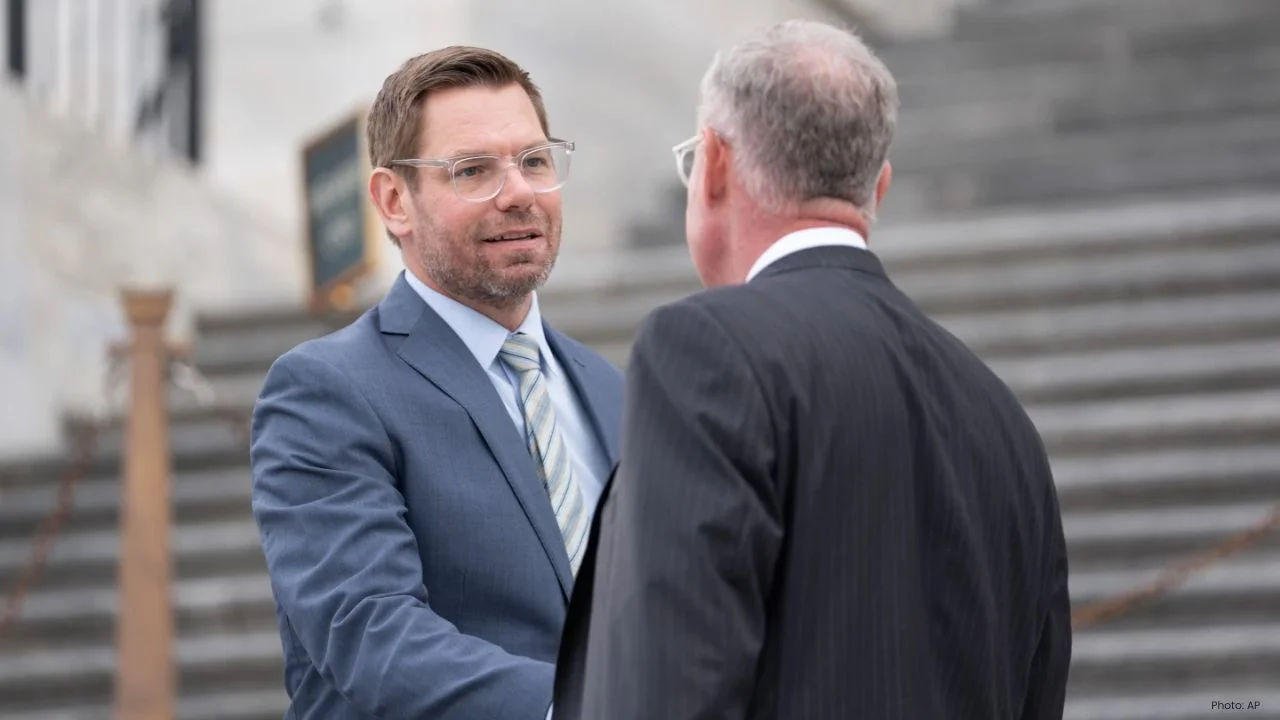
California Governor Race Turns Chaotic Before Voting
California’s governor race grows chaotic as Democrats face internal divisions, voter uncertainty, an
New York City Ends TikTok Ban For Official Use Again
New York City lifts its TikTok ban, allowing agencies to post again under strict security rules to i
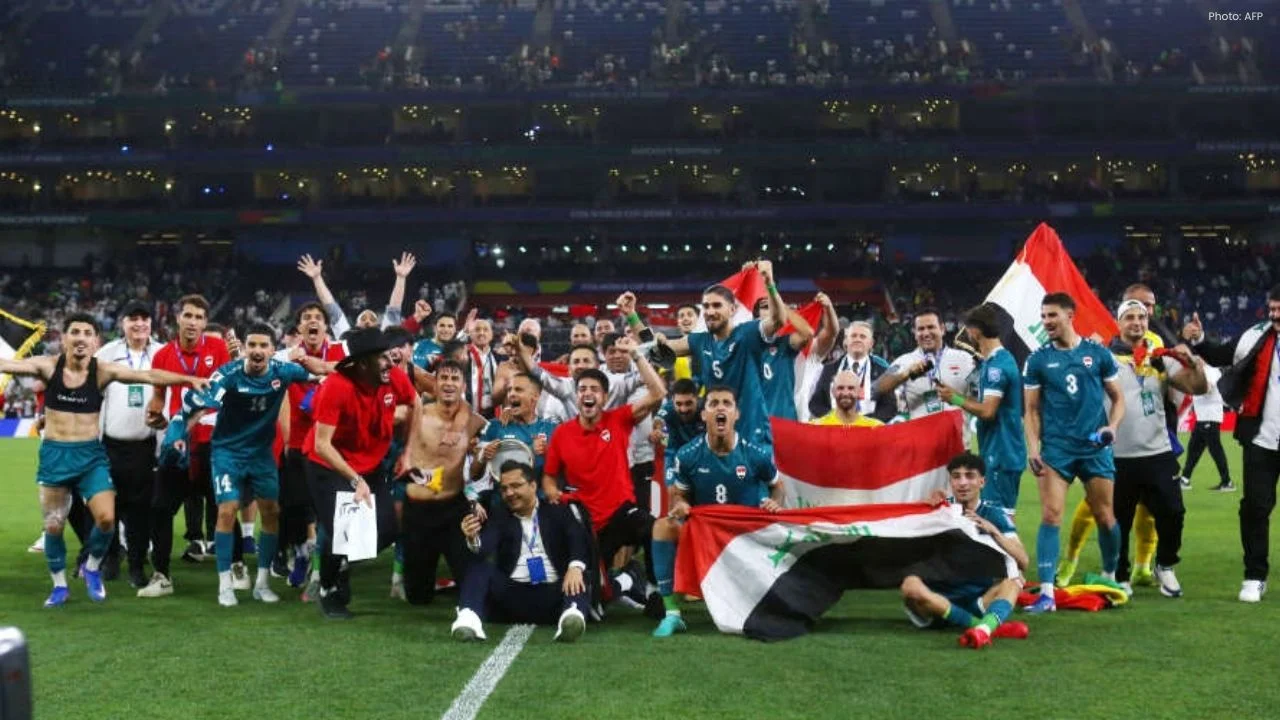
Iraq Qualify for World Cup After 40 Years With 2-1 Win
Iraq secured a historic World Cup spot after defeating Bolivia 2-1 in playoffs, marking their return
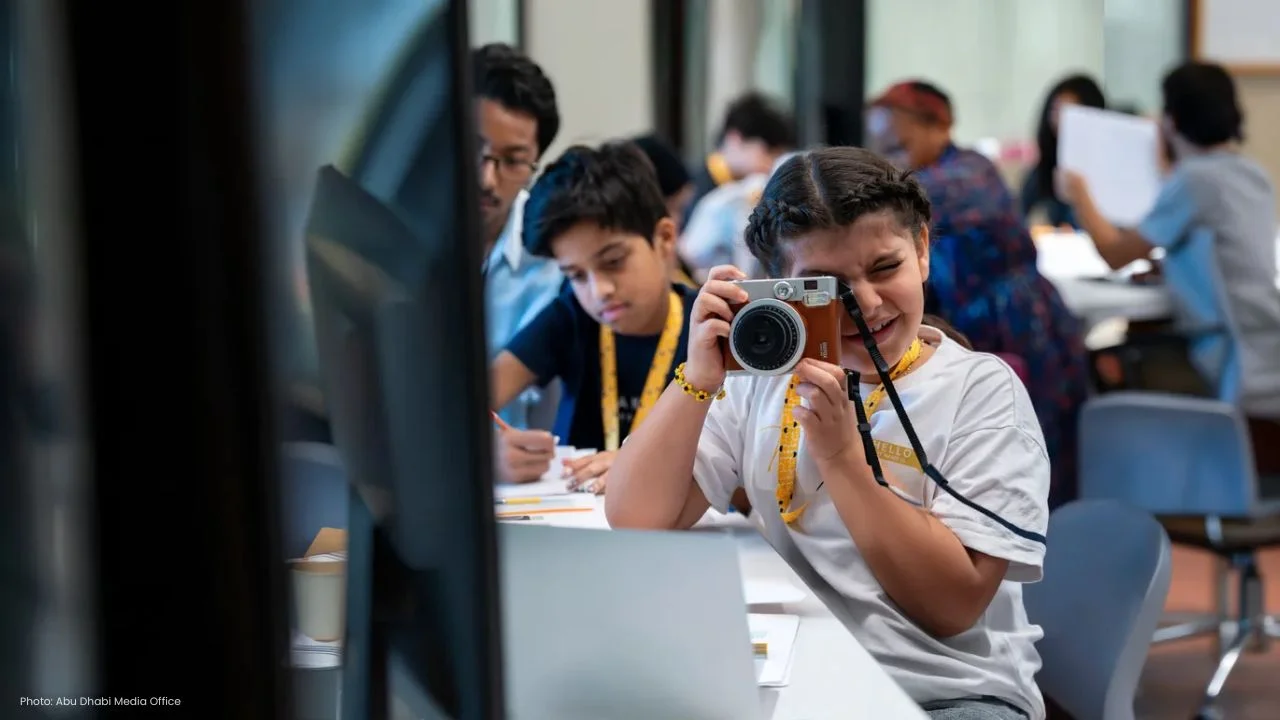
Creative Lab Hosts Spring Media Workshops for Youth
Creative Lab hosted spring workshops in Abu Dhabi, training young students in storytelling, scriptwr

China’s Strategy in Asia 2026: Threat or Opportunity for Global Trade?
Explore China’s new strategy in Asia, its impact on global trade, Belt and Road Initiative, economic
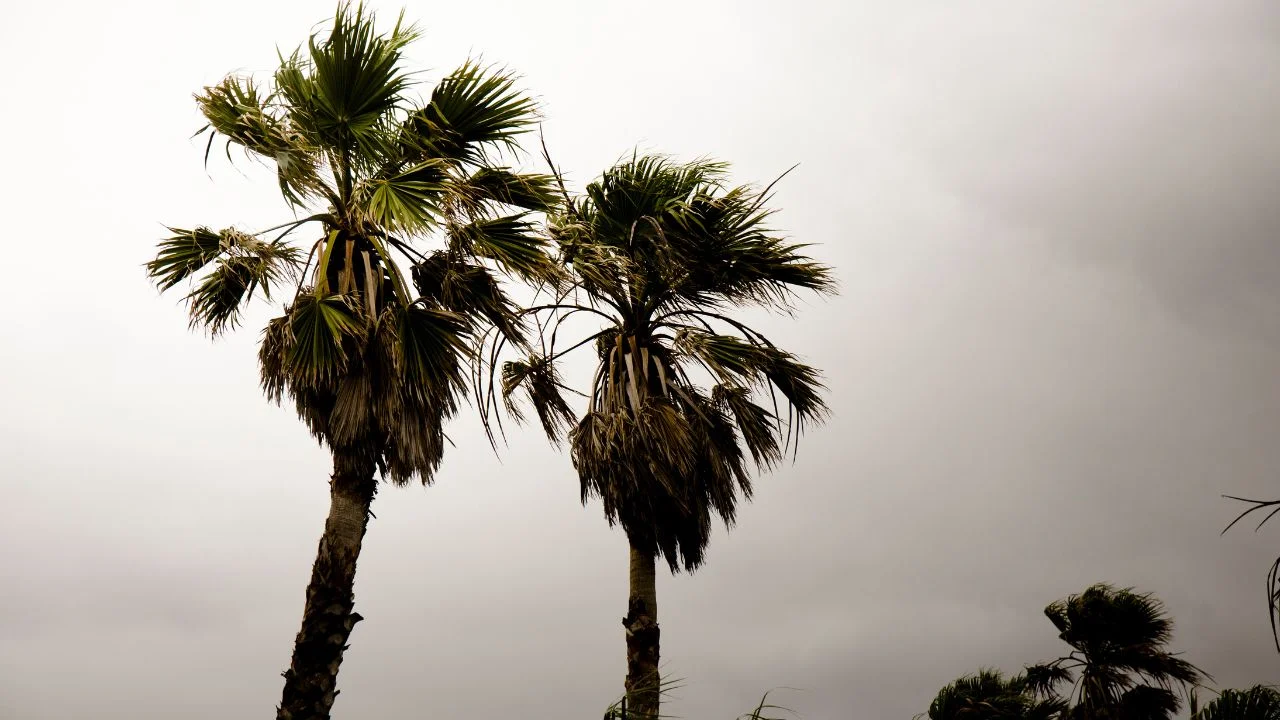
UAE Issues Alert for Rough Seas, Strong Winds Till Apr 3
UAE weather authority warns of rough seas, 40 km/h winds, and rain until April 3, with possible heav


Bank of Baroda Faces Abu Dhabi Legal Battle over NMC Collapse
Bank of Baroda’s involvement in Abu Dhabi litigation tied to the NMC Healthcare collapse raises repu
Top Museum Openings of 2026 Set to Transform Global Tourism
From Los Angeles to Abu Dhabi and Brussels, 2026 brings major museum launches—Lucas Museum, Guggenhe

UAE Tour Highlights UAE’s Strength in Hosting Global Sports Events
Abu Dhabi Sports Council says the successful UAE Tour reflects the UAE’s leading role in hosting maj
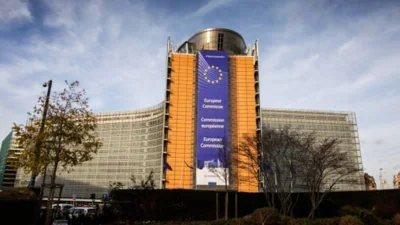
EU Seeks Clarity from US After Supreme Court IEEPA Ruling
European Commission urges full transparency from the US on steps after Supreme Court ruling, emphasi

SpaceX Launches 53 New Satellites for Expanding Starlink Network
SpaceX launches 53 Starlink satellites in two Falcon 9 missions, breaking reuse records and expandin

RTA Awards Contract for Phase II of Hessa Street Upgrade in Dubai
Phase II of Hessa Street Development to add bridges, tunnel, and upgraded intersections, doubling ca
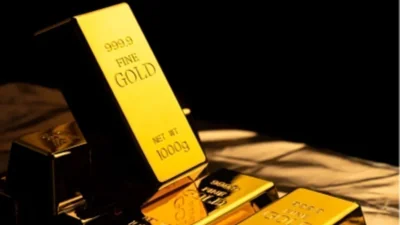
UAE Gold Prices Today, Monday 16 February 2026: Dubai & Abu Dhabi Updated Rates
Gold prices in UAE on 16 Feb 2026 updated: 24K around AED 599.75/gm, 22K AED 555.25/gm, and 18K AED

Over 25 Ahmedabad Schools Receive Bomb Threat Email, Authorities Investigate
More than 25 schools in Ahmedabad evacuated after bomb threat emails mentioning Khalistan. Authoriti