Post by : Anis Karim
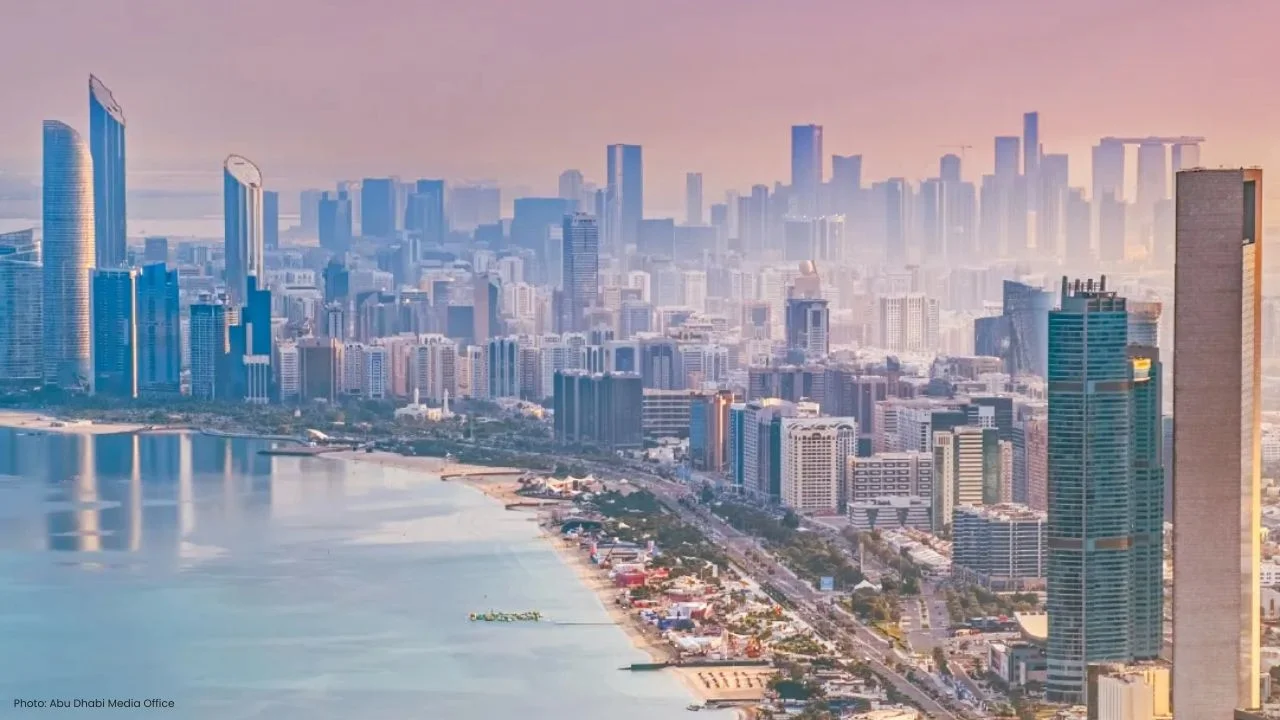
Heatwaves, once infrequent anomalies in weather patterns, have now transformed into alarming realities across the globe. Cities worldwide are grappling with annual temperature spikes that exceed previous records, exposing ecosystems, infrastructure, and human health to unprecedented risks.
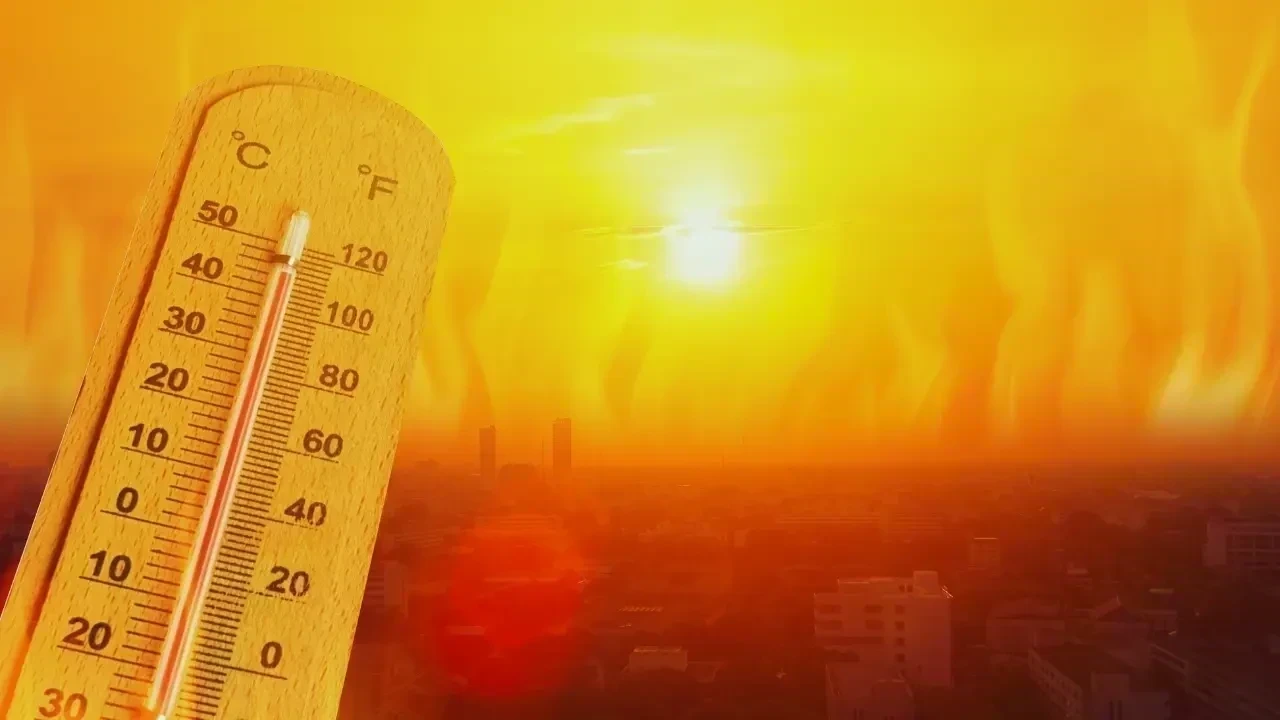
From Asia to Africa, Europe to the Americas, regions are reporting blistering heat, with temperatures breaching 45°C in numerous locales, and even hitting 50°C in certain areas. These heatwaves are not only escalating in frequency but also in duration and intensity, posing grave complications compared to previous decades.
Experts in science and policy are voicing urgent warnings that without proactive measures, the severity of heatwaves will only escalate. In this article, we delve into the factors fueling this alarming trend, the science behind extreme temperatures, and the pressing need for adaptive strategies.
A heatwave is characterized by an extended period of unusually hot weather relative to the typical climate conditions of a specific location. While definitions may vary, the common elements include:
High daytime temperatures
Warm nighttime temperatures
Lasting several days or even weeks
Often associated with dry conditions or elevated humidity levels
Heatwaves disturb natural environmental cycles and place immense stress on ecological and population systems.
Regions are increasingly enduring excessively warm nights during heatwaves, leaving the human body without the necessary recovery period, heightening the risk of heat-related health issues.
A buildup of greenhouse gases like carbon dioxide and methane in the atmosphere retains heat from solar radiation, resulting in a continuous rise in global temperatures, referred to as global warming.
The ramifications include:
Increased frequency of extreme heat events
Prolonged durations of heatwaves
Record high temperatures becoming the norm
Though a 1°C rise may seem trivial, it has significant consequences globally, exponentially increasing the likelihood of heatwaves and raising baseline temperatures, facilitating the occurrence of extreme heat.
Urban areas gather and retain considerably more heat than rural settings due to:
Asphalt roadways
Concrete structures
Hot air from air conditioning units
Limited vegetation cover
Dense construction
This phenomenon creates an “urban heat island,” resulting in city temperatures being several degrees higher than their rural surroundings.
Tall buildings contribute to heat entrapment and hinder airflow, extending heatwave durations in urban environments.
The jet stream, a rapid air current that impacts weather patterns, is undergoing weakening due to climate change, leading to prolonged heatwaves as weather systems stall.
Stable high-pressure systems, referred to as “heat domes,” can maintain warm air and cause extreme, sustained heat.
Forests cool the Earth through:
Provide shade
Engagement in evapotranspiration
Release moisture
Widespread deforestation diminishes natural cooling processes and contributes to warming.
The replacement of green spaces with agricultural fields or industrial buildings removes systems that naturally regulate temperature.
Water bodies typically temper surrounding temperatures. As these shrink due to drought or overuse, heatwaves intensify.
Low soil moisture accelerates temperature spikes since dry ground heats up more rapidly than moist soil.
El Niño disturbances can dramatically alter global weather patterns, often precipitating:
Higher temperature levels
Drought scenarios
Weakened monsoon seasons
Stronger or more frequent El Niño cycles further exacerbate heatwaves globally.
Countries such as India, Pakistan, and China have faced unprecedented summer temperatures recently, leading to agricultural losses, water shortages, and health crises.
Heatwaves across Europe have seen temperatures exceed 40°C in regions unaccustomed to such extremes, resulting in thousands of fatalities.
The western United States and Canada have experienced “heat domes” driving temperatures to exceptional highs.
Numerous nations in these regions consistently endure temperatures surpassing 45°C, propelling desertification and water scarcity.
High temperatures can result in:
Muscle cramps
Dehydration
Heat exhaustion
Heatstroke, often lethal without intervention
Children, the elderly, outdoor laborers, pregnant individuals, and those with chronic conditions face significantly heightened risks.
Heatwaves escalate:
Rates of heart attacks
Respiratory challenges
Asthma crises
Respiratory issues
Poor air quality worsens during heatwaves, aggravating existing health concerns.
Intense heat is associated with:
Increased stress levels
Higher aggression
Disturbed sleep patterns
Cognitive challenges
Rising nighttime temperatures exacerbate mental strain.
Heatwaves result in more annual fatalities worldwide than any other extreme weather phenomenon, including floods and hurricanes.
Extreme heat desiccates vegetation, hence increasing wildfire risks. Once ignited, these fires spread rapidly, devastating habitats and releasing stored carbon.
Heat elevates evaporation rates, diminishing water supplies in lakes, rivers, and reservoirs, affecting access to drinking water and agriculture.
Intense heat undermines soil fertility, reduces agricultural output, and impacts food production globally, leading to surging food prices.
Marine heatwaves trigger:
Coral bleaching
Altered fish migration patterns
Decline in marine biodiversity
Oceans absorb the majority of excess heat from global warming.
Outdoor laborers lose work hours due to hazardous temperatures, impacting:
Construction
Agriculture
Transportation
Manufacturing sectors
Heatwaves lead to a surge in air conditioning usage, putting pressure on energy grids and raising the risk of outages.
Healthcare systems become overstretched during severe heatwaves, escalating costs and putting resources under strain.
Cities are adopting:
Green roofing
Reflective materials for buildings
Urban greenery initiatives
Restoring water bodies
Establishing heat shelters
Authorities are implementing:
Heatwave warning systems
Cooling centers for vulnerable populations
Updated safety protocols for outdoor laborers
Strategies focus on:
Emissions reduction
Investment in sustainable energy
Conservation of forests
Enhancing water management systems
Drink adequate water
Utilize fans or take cool showers
Wear light, breathable clothing
Minimize exposure outdoors during peak afternoon heat.
Keep an eye on health advisories and emergency notifications.
No longer merely sporadic weather patterns, heatwaves now represent one of the major climate challenges of our era. Driven by global warming, urban growth, atmospheric shifts, and environmental degradation, these extreme temperature events are lengthening and intensifying every year.
These conditions reshape ecosystems, economic systems, healthcare frameworks, and even geopolitical strategies. Taking immediate action is critical; if unaddressed, heatwaves will continue to pose significant threats to both human life and environmental stability.
Understanding both the causes and effects lays the groundwork for collective actions—strengthening climate policies, adapting urban settings, decreasing emissions, and preparing communities for a future defined by heat. Heatwaves serve as a global call to action, and the imperative to respond is now.
This article is for informational and analytical purposes only.

US Judge Orders Penn to Share Data in Bias Probe
A US judge ordered Penn to share employee records in an antisemitism probe, while protecting religio

California Governor Race Turns Chaotic Before Voting
California’s governor race grows chaotic as Democrats face internal divisions, voter uncertainty, an

New York City Ends TikTok Ban For Official Use Again
New York City lifts its TikTok ban, allowing agencies to post again under strict security rules to i

Iraq Qualify for World Cup After 40 Years With 2-1 Win
Iraq secured a historic World Cup spot after defeating Bolivia 2-1 in playoffs, marking their return

Creative Lab Hosts Spring Media Workshops for Youth
Creative Lab hosted spring workshops in Abu Dhabi, training young students in storytelling, scriptwr

China’s Strategy in Asia 2026: Threat or Opportunity for Global Trade?
Explore China’s new strategy in Asia, its impact on global trade, Belt and Road Initiative, economic
UAE Issues Alert for Rough Seas, Strong Winds Till Apr 3
UAE weather authority warns of rough seas, 40 km/h winds, and rain until April 3, with possible heav


Bank of Baroda Faces Abu Dhabi Legal Battle over NMC Collapse
Bank of Baroda’s involvement in Abu Dhabi litigation tied to the NMC Healthcare collapse raises repu

Top Museum Openings of 2026 Set to Transform Global Tourism
From Los Angeles to Abu Dhabi and Brussels, 2026 brings major museum launches—Lucas Museum, Guggenhe

UAE Tour Highlights UAE’s Strength in Hosting Global Sports Events
Abu Dhabi Sports Council says the successful UAE Tour reflects the UAE’s leading role in hosting maj

EU Seeks Clarity from US After Supreme Court IEEPA Ruling
European Commission urges full transparency from the US on steps after Supreme Court ruling, emphasi
SpaceX Launches 53 New Satellites for Expanding Starlink Network
SpaceX launches 53 Starlink satellites in two Falcon 9 missions, breaking reuse records and expandin

RTA Awards Contract for Phase II of Hessa Street Upgrade in Dubai
Phase II of Hessa Street Development to add bridges, tunnel, and upgraded intersections, doubling ca

UAE Gold Prices Today, Monday 16 February 2026: Dubai & Abu Dhabi Updated Rates
Gold prices in UAE on 16 Feb 2026 updated: 24K around AED 599.75/gm, 22K AED 555.25/gm, and 18K AED

Over 25 Ahmedabad Schools Receive Bomb Threat Email, Authorities Investigate
More than 25 schools in Ahmedabad evacuated after bomb threat emails mentioning Khalistan. Authoriti