Post by : Zayd Kamal
Throughout the ages, Journey Through the History of Civilization has been an incredible tale of transformation, innovation, and resilience. From the earliest cave paintings to the rise of modern technology, the story of human development is a fascinating one. Civilization has shaped the way we live, think, and interact with the world. In this article, we will take a deep dive into this journey, tracing the evolution of societies and how they have influenced our present-day world.
The journey of civilization begins long before recorded history. In prehistoric times, early humans were hunters and gatherers, relying on their environment for survival. They lived in small, nomadic groups, often moving from place to place in search of food. However, the discovery of agriculture around 10,000 BCE marked a turning point. Early humans began to settle in one place, cultivating crops and domesticating animals.
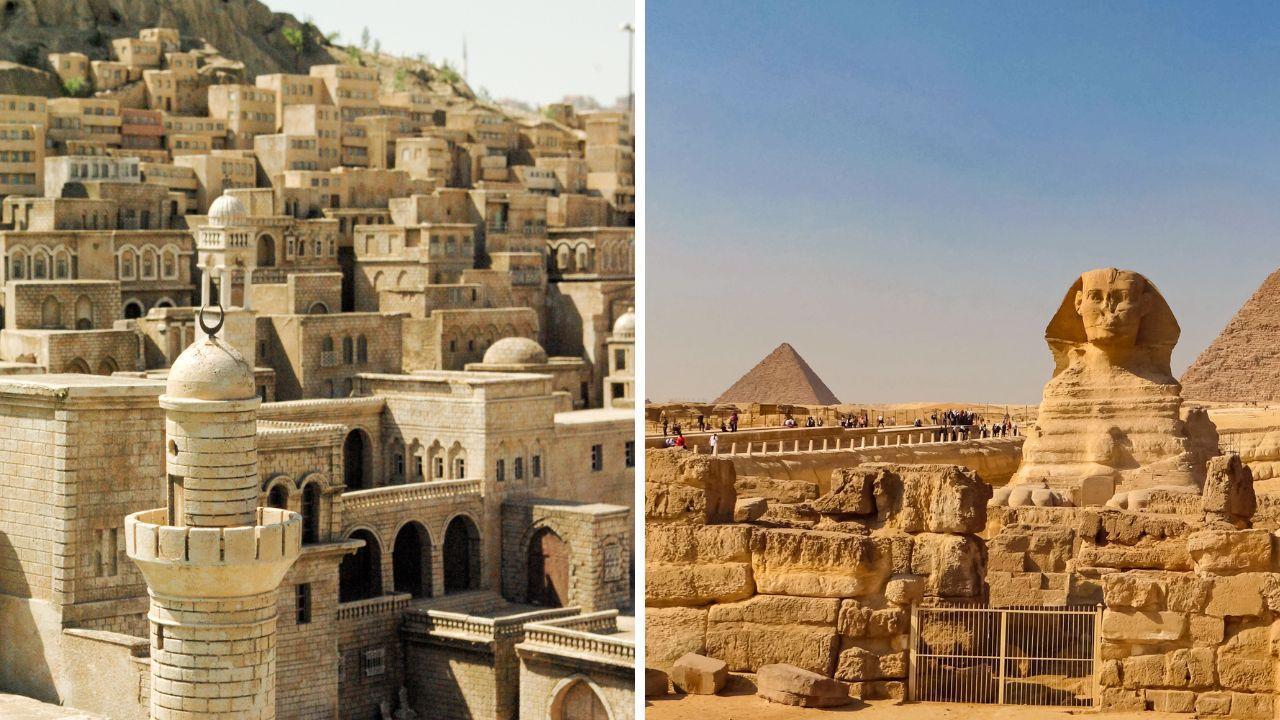
This shift to agrarian societies was the foundation of the first civilizations. Mesopotamia, often referred to as the "Cradle of Civilization," emerged around 3,500 BCE in what is now modern-day Iraq. Here, the Sumerians invented writing, which became the cornerstone of human communication. The ancient Egyptians followed, developing their own complex society centered around the Nile River, known for monumental achievements in architecture, mathematics, and medicine.
As civilizations grew, so did their complexity. Empires rose and fell, each leaving behind a lasting legacy. The ancient Greeks and Romans made significant contributions to philosophy, democracy, and law, which continue to influence modern society today. The Greeks introduced democracy, allowing citizens to participate in decision-making, while Roman law formed the basis of legal systems used around the world.
In the East, the Maurya and Gupta empires in India made great strides in mathematics, astronomy, and literature. The Han Dynasty in China is also noteworthy for its advancements in engineering, the Silk Road trade, and its promotion of Confucian ideals. These cultures not only shaped their immediate surroundings but also had a profound impact on future generations.
The spread of religion also played a key role in shaping civilizations. The rise of major world religions such as Hinduism, Buddhism, Judaism, Christianity, and Islam had a unifying influence on large parts of the world, offering a sense of moral guidance and community. These religions are still deeply embedded in the societies they originated from, affecting everything from laws to cultural practices.
Following the fall of the Roman Empire, Europe entered the Middle Ages, a period marked by feudalism, the rise of Christianity, and the spread of Islam. This era was characterized by a complex mix of progress and turmoil. While Western Europe faced invasions from various tribes, such as the Vikings and the Huns, the Islamic Golden Age saw advancements in science, medicine, and philosophy, particularly in the Middle East.
One of the most significant events of the Middle Ages was the rise of the medieval church, which held great power and influence over people's lives. Monarchs and kings often sought the church’s approval to legitimize their rule, and the church itself became a center of learning, culture, and art. Despite the turbulence, this era laid the groundwork for the Renaissance, an intellectual and artistic rebirth that would later emerge in Europe.

The Renaissance, which began in Italy during the 14th century, was a period of cultural and intellectual awakening that challenged established norms and promoted a revival of classical knowledge. Artists, scientists, and philosophers such as Leonardo da Vinci, Michelangelo, Galileo, and Copernicus changed the way people viewed the world. The invention of the printing press by Johannes Gutenberg also revolutionized communication, making knowledge more accessible to the masses.
This period of intellectual flourishing eventually gave rise to the Enlightenment, a movement that emphasized reason, science, and individual rights. Enlightenment thinkers like Voltaire, John Locke, and Jean-Jacques Rousseau challenged traditional authority and promoted the idea of democracy and human rights. These ideas laid the foundation for modern political systems and revolutions, including the American and French Revolutions, which reshaped the world’s political landscape.
The Industrial Revolution, which began in the late 18th century, marked another monumental shift in human history. It was a period of rapid technological advancements, including the invention of the steam engine, the rise of factories, and the development of new forms of transportation like the locomotive and steamship. This era saw the rise of capitalism, urbanization, and a significant increase in global trade.
With new technologies came a transformation in society. Industrialization allowed for mass production and the rise of a consumer economy, dramatically changing the way people lived and worked. The Industrial Revolution also sparked social changes, including labor movements and the fight for workers' rights. While it brought about unprecedented progress, it also led to harsh working conditions, child labor, and environmental degradation—issues that continue to be addressed today.
In the 20th and 21st centuries, the Journey Through the History of Civilization reached unprecedented levels of change. World wars, revolutions, and the emergence of new superpowers reshaped global politics. The advent of the internet and digital technology has connected the world in ways previously unimaginable, creating a globalized society that continues to evolve at an incredible pace.
Today, civilizations are more interconnected than ever. Advancements in technology, medicine, and communication have brought humanity closer, while challenges such as climate change, political conflicts, and social inequality continue to test the resilience of societies worldwide. The future of civilization remains uncertain, but it will undoubtedly continue to be shaped by the ideas, innovations, and struggles of generations to come.
A Journey Through the History of Civilization takes us through the story of how human societies evolved over time. In the past, people lived simply as hunters and gatherers. But when agriculture began, civilizations started to grow. One of the first civilizations was in Mesopotamia, followed by Egypt. As time passed, other great civilizations like Greece, Rome, China, and India made important discoveries in areas like law, math, and medicine. These discoveries changed how people lived and still affect us today. In the Middle Ages, the church played an important role, and many advancements happened in the Islamic world. The Journey Through the History of Civilization continued with the Renaissance and the Enlightenment, where new ideas about science, art, and government emerged. The Journey Through the History of Civilization continued into the Industrial Revolution, when new inventions like the steam engine changed the world. In the modern age, we live in a connected world with technology, but challenges still exist. The Journey Through the History of Civilization shows us how humanity has grown and changed, and how our past helps shape the future.
This content is provided by dxb news network for informational purposes only. The views and opinions expressed in this article do not necessarily reflect those of the dxb news network.
Journey Through the History of Civilization, Civilization, Ancient Civilizations, Mesopotamia, Egypt, Greece, Rome, China, India, Renaissance, Enlightenment, Industrial Revolution, Technology, Advancements, Cultural Developments, Human Society, World History, Global Impact, Innovation, Modern Age, Past Civilizations, Human Evolution, Social Progress, World Cultures, Political Systems

Deadly Factory Fire in Daejeon Kills 11, Several Missing
A massive fire at an auto parts factory in Daejeon, South Korea, has killed 11 people, injured 59, a

Sanofi Opens Innovation Centre in Chengdu China
Sanofi opens its first China Innovation Centre in Chengdu, boosting R&D, clinical trials, and supply
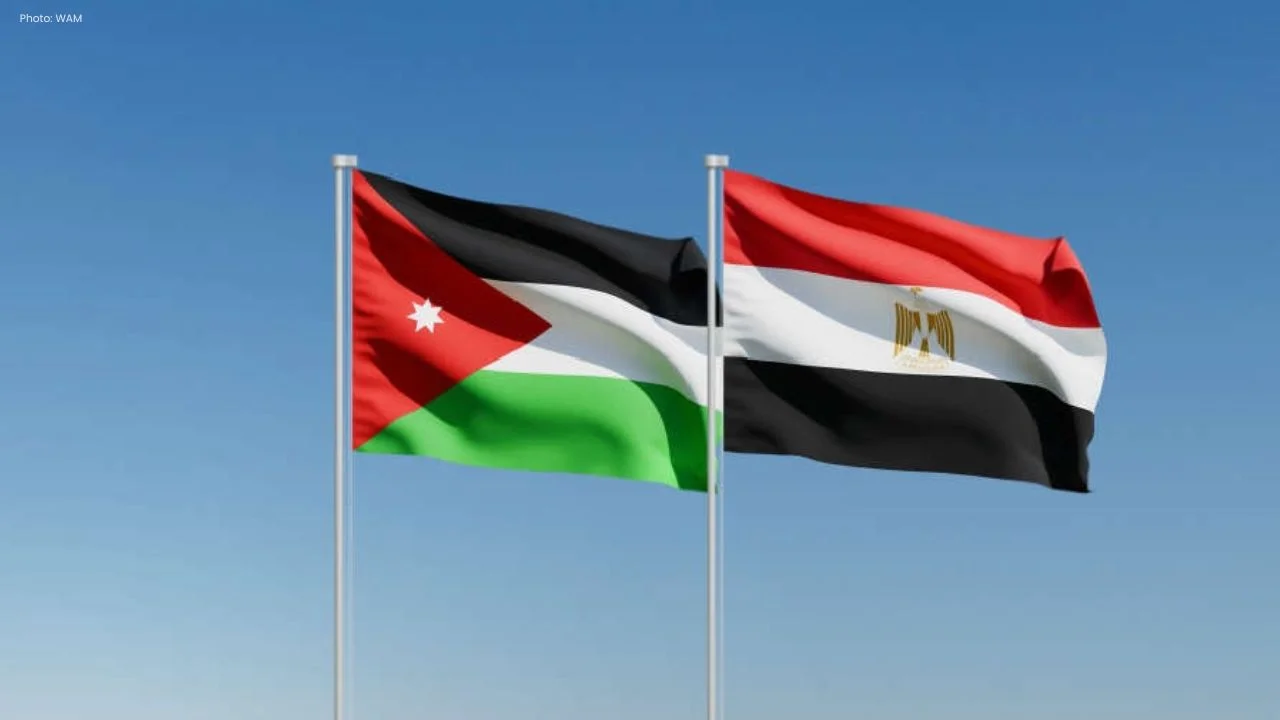
Jordan, Egypt Condemn Terror Plot Targeting UAE
Jordan and Egypt strongly condemn a terror plot targeting the UAE’s economy, reaffirming support for

Elon Musk Found Liable in Twitter Investor Case
A US jury found Elon Musk liable for misleading Twitter investors in 2022 deal, awarding up to $2.1

BTS Comeback Concert Draws 260K Fans in Seoul
BTS holds a mega comeback concert in Seoul with 260,000 fans, marking their first album in 3 years a
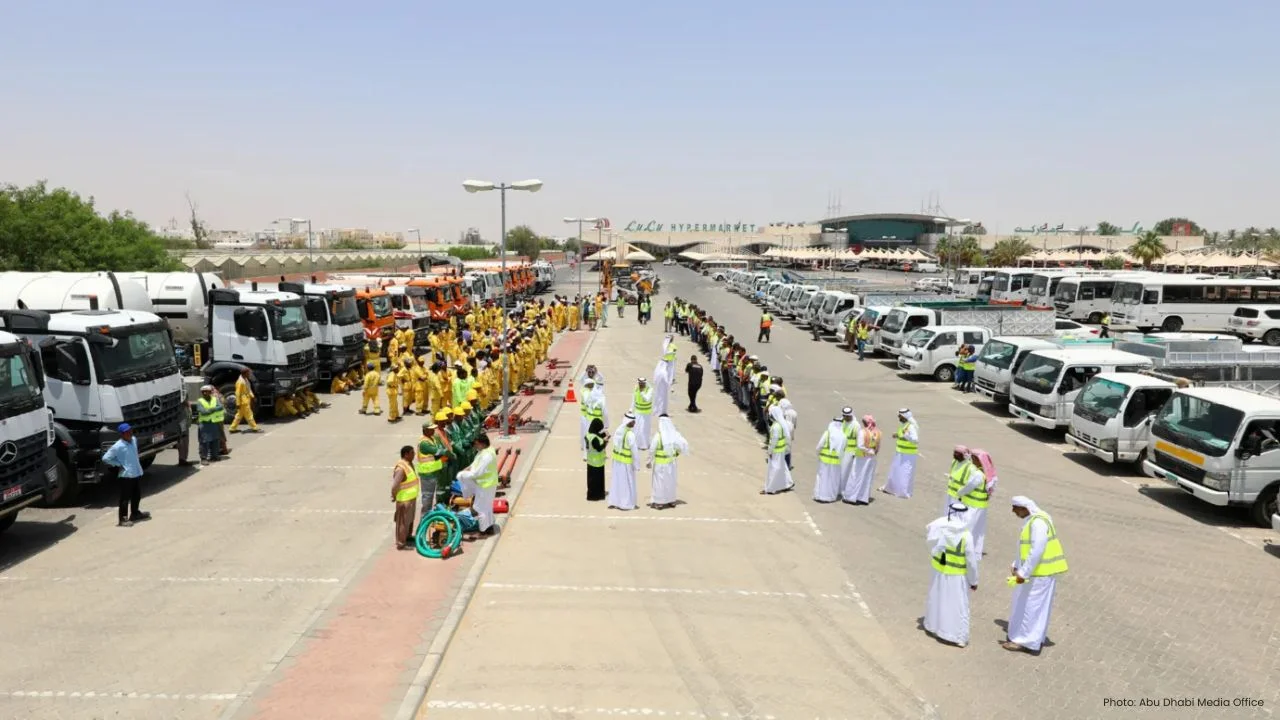
UAE DMT Prepares for Weather Alert March 21–27
Abu Dhabi’s DMT activates emergency plans, deploys teams, and urges public caution as unstable weath
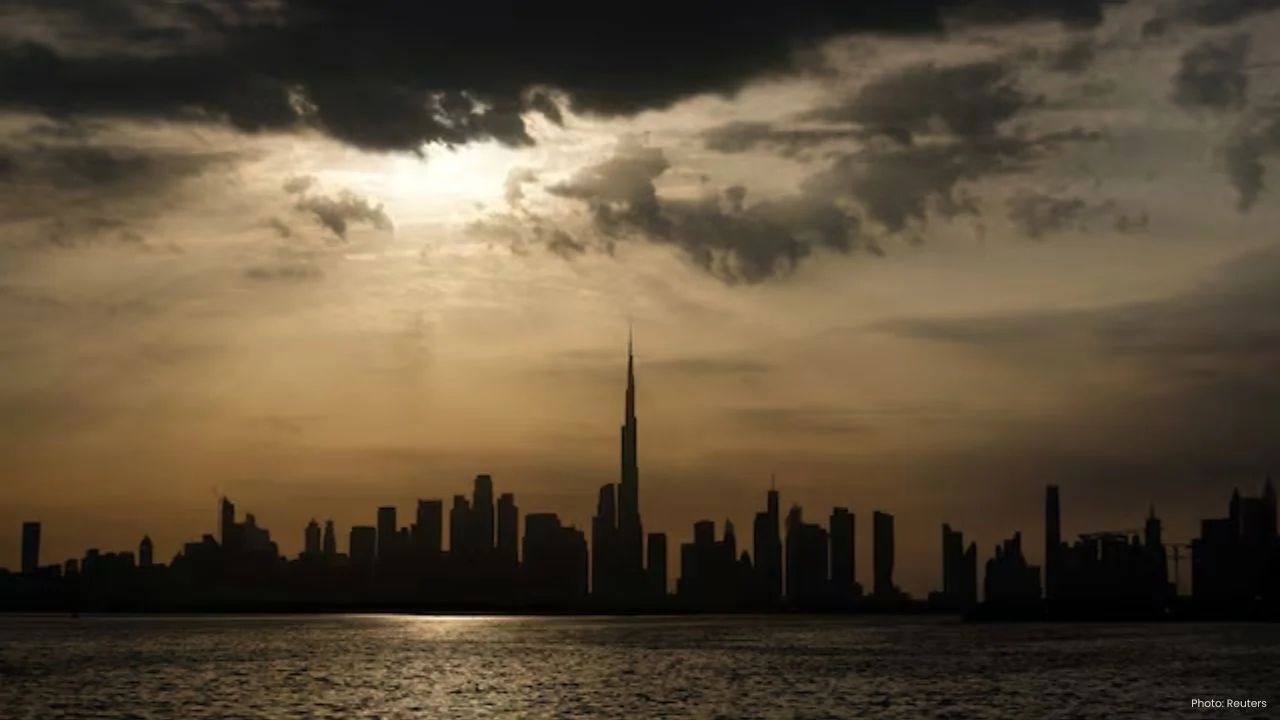
Dubai Property Market Faces War-Driven Slowdown
Dubai’s real estate market shows early slowdown as Iran war impacts investor confidence, with fallin


Bank of Baroda Faces Abu Dhabi Legal Battle over NMC Collapse
Bank of Baroda’s involvement in Abu Dhabi litigation tied to the NMC Healthcare collapse raises repu

Top Museum Openings of 2026 Set to Transform Global Tourism
From Los Angeles to Abu Dhabi and Brussels, 2026 brings major museum launches—Lucas Museum, Guggenhe

UAE Tour Highlights UAE’s Strength in Hosting Global Sports Events
Abu Dhabi Sports Council says the successful UAE Tour reflects the UAE’s leading role in hosting maj

EU Seeks Clarity from US After Supreme Court IEEPA Ruling
European Commission urges full transparency from the US on steps after Supreme Court ruling, emphasi
SpaceX Launches 53 New Satellites for Expanding Starlink Network
SpaceX launches 53 Starlink satellites in two Falcon 9 missions, breaking reuse records and expandin

RTA Awards Contract for Phase II of Hessa Street Upgrade in Dubai
Phase II of Hessa Street Development to add bridges, tunnel, and upgraded intersections, doubling ca

UAE Gold Prices Today, Monday 16 February 2026: Dubai & Abu Dhabi Updated Rates
Gold prices in UAE on 16 Feb 2026 updated: 24K around AED 599.75/gm, 22K AED 555.25/gm, and 18K AED

Over 25 Ahmedabad Schools Receive Bomb Threat Email, Authorities Investigate
More than 25 schools in Ahmedabad evacuated after bomb threat emails mentioning Khalistan. Authoriti