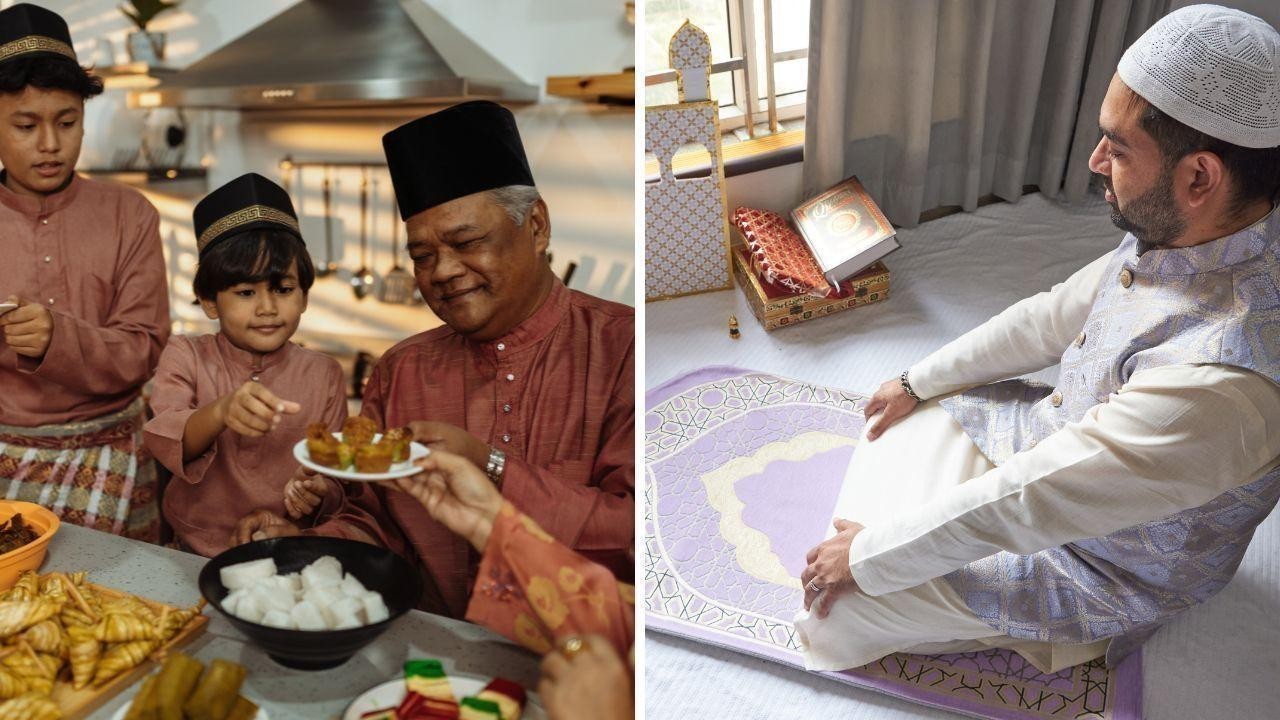
Post by : Zayd Kamal
Eid ul-Adha, also known as the Festival of Sacrifice, is one of the most important holidays in the Muslim calendar. This special festival is a time for Muslim families to come together and remember the story of the prophet Ibrahim. Ibrahim was a very faithful man who was willing to sacrifice his son Ismail because God asked him to. This was a big test of Ibrahim's faith and obedience. But just before Ibrahim could sacrifice his son, Allah showed mercy and provided a lamb to be sacrificed instead. This act symbolizes mercy, devotion, and obedience to Allah's commands.
Eid ul-Adha is celebrated with great joy and happiness by Muslims all over the world. On this day, Muslims wear their finest clothes and go to the mosque for a special prayer service. They greet each other with the words Eid Mubarak, which means "Blessed Eid." This greeting is very important because it spreads joy and happiness among everyone. Eid ul-Adha is also a time for giving. Muslim families often give gifts to children and visit friends and relatives to share the joy of the festival.
One of the central traditions of Eid ul-Adha is Qurbani, which means sacrifice. Muslims who can afford it will sacrifice an animal, usually a sheep, goat, or cow, to remember Ibrahim's willingness to sacrifice his son. The meat from this sacrifice is then divided into three parts. One part is kept for the family, one part is given to friends and relatives, and the last part is given to the poor and needy. This act of sharing is very important in Islam because it shows kindness and generosity to others.
On Eid ul-Adha, Muslim families also enjoy special meals together. These meals often include delicious dishes made from the meat of the sacrificed animal. Popular foods include Kebab, which is boneless cooked meat, Haleem, a tasty stew made from meat, wheat, and lentils, and Biryani, a spicy rice and meat dish. While Eid ul-Fitr is known as the "Sweet Eid" because of its sweet treats, Eid ul-Adha is often called the "Salty Eid" because of its savory dishes.
During this special time, it's important for everyone to be safe, especially when cooking big meals. Fire safety is very important during Eid ul-Adha. Families should make sure they have smoke alarms in their homes and be careful when cooking with oil. It's important to keep loose clothing away from flames and never leave cooking pans unattended. If a fire does start, everyone should get out of the house quickly and call for help.
Eid ul-Adha is a time for celebration, reflection, and giving. It reminds Muslims of the importance of faith, obedience, and mercy. By sharing food, giving to the poor, and spending time with loved ones, Muslims honor the spirit of Eid ul-Adha. This festival brings joy and happiness to Muslim communities around the world and helps to strengthen their faith and commitment to Allah. Eid Mubarak to all who celebrate this beautiful and meaningful festival!
Eid ul-Adha is celebrated by Muslims around the world. It is a special holiday that commemorates the story of Prophet Ibrahim and his willingness to obey God's command by being ready to sacrifice his son, Ismail. Just when Ibrahim was about to carry out the sacrifice, Allah provided a lamb to be sacrificed instead, showing mercy and testing Ibrahim's faith.
Muslims in many countries, including those in the United Kingdom, celebrate Eid ul-Adha with prayers, feasts, and acts of charity. In the UK, where there are nearly 2.8 million Muslims, this holiday is observed with great joy and devotion. Cities like London, Bradford, Luton, Blackburn, Birmingham, and Dewsbury have significant Muslim populations who come together to mark this important occasion.
During Eid ul-Adha, Muslims begin their day with a ritual purification called ghusl. They dress in their finest clothes and gather at mosques or outdoor prayer grounds for a special prayer service. After prayers, they exchange greetings of Eid Mubarak, which means "have a blessed Eid", and give gifts to children and visit friends and family.
One of the main customs of Eid ul-Adha is Qurbani, the act of sacrificing a sheep, goat, or cow. This sacrifice symbolizes obedience to God and sharing with others. The meat from the sacrificed animal is divided into three parts: one for the family, one for relatives and friends, and one for the poor and needy. Some Muslims also donate money to charity so that everyone can enjoy a festive meal during this special time.
Eid ul-Adha is not only a time for prayers and feasting but also a time for community and generosity. In addition to sharing meals, Muslims may attend community gatherings, participate in charitable activities, and reflect on the importance of faith and sacrifice in their lives.
As Muslims celebrate Eid ul-Adha, they honor the teachings of Islam and the spirit of compassion and unity. It is a time for families to come together, for neighbors to bond, and for all to give thanks for the blessings in their lives.
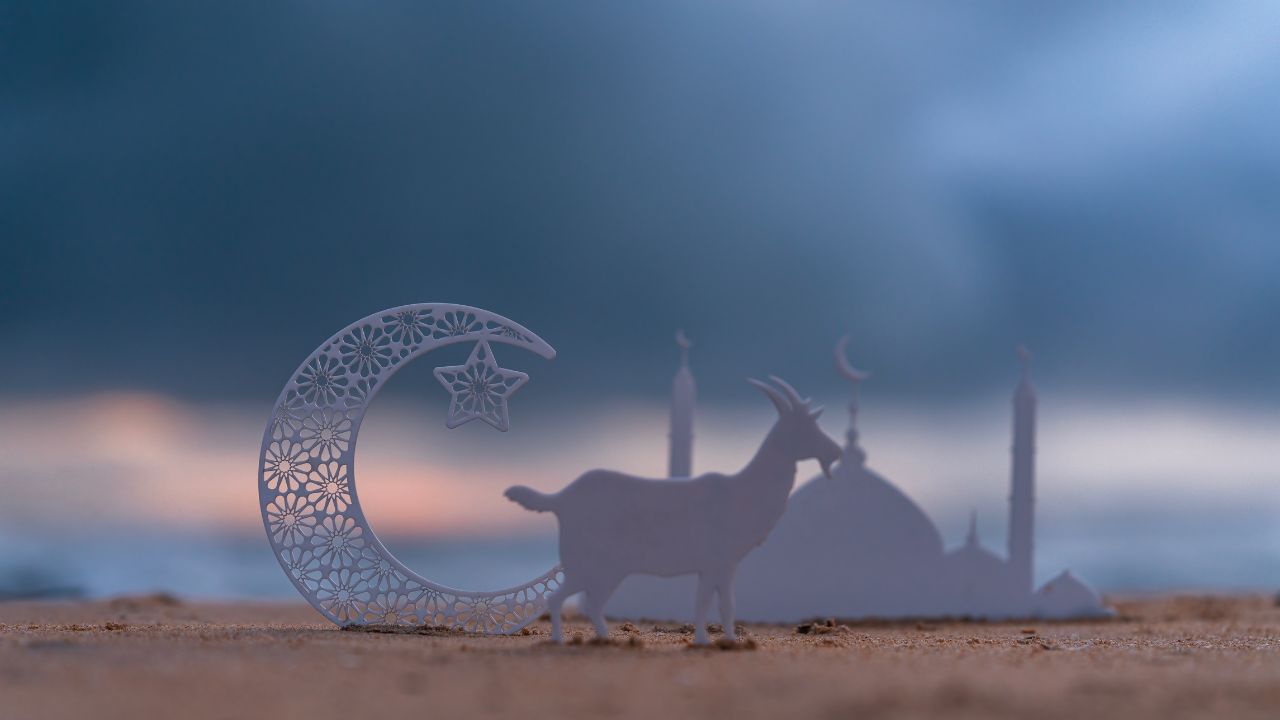
Certainly! Here's a more detailed and unique description of how Eid ul-Adha is celebrated:
Eid ul-Adha, known as the Festival of Sacrifice, is a special time for Muslims around the world. It commemorates the story of Prophet Ibrahim's willingness to sacrifice his son Ismail as an act of obedience to Allah's command. Before Ibrahim could carry out the sacrifice, Allah provided a ram to be sacrificed instead, demonstrating His mercy and compassion.
On the morning of Eid ul-Adha, Muslims begin their day with a ghusl, a full-body purification ritual. This signifies purity and readiness for the special prayers and celebrations ahead. Dressed in their finest attire, they gather at an outdoor prayer ground or mosque for the Eid prayer. This prayer is a time of unity and gratitude, where Muslims thank Allah for His blessings and guidance.
After the prayer, the air fills with joyous greetings of Eid Mubarak, meaning "Have a blessed Eid". Families exchange hugs and well-wishes, and children receive Eidi, gifts of money or sweets, from elders. It's a time of spreading happiness and strengthening bonds with loved ones.
Central to Eid ul-Adha is the ritual of Qurbani, where Muslims sacrifice an animal such as a sheep, goat, or cow. This act follows the example of Ibrahim, who showed his devotion and obedience to Allah. The sacrificed animal must be an adult and in good health, fulfilling Islamic guidelines. The meat from the Qurbani is divided into three parts: one for the family, one for relatives and friends, and one for the less fortunate. Some Muslims also donate money to charity to ensure that everyone, especially those in need, can enjoy a hearty Eid meal.
Communities come together on Eid ul-Adha. Mosques and community centers often organize communal meals where everyone, regardless of background, joins in the celebration. These gatherings foster a sense of unity and compassion, reflecting the core values of Islam.
The day continues with feasting on delicious dishes prepared from the Qurbani meat. Families enjoy savory dishes like kebabs, biryani, and stews, followed by sweet treats such as baklava and cakes. It's a time of culinary delights and sharing meals with neighbors and friends.
Eid ul-Adha is also a time for spiritual reflection and renewal. Muslims contemplate the lessons of sacrifice, faith, and submission to Allah's will. It's a reminder to be grateful for blessings and to strive for compassion and kindness towards others.
Eid ul-Adha, also known as the Festival of Sacrifice, is celebrated by Muslims around the world. It falls on the 10th day of Dhul-Hijjah, the twelfth month of the Islamic lunar calendar. This timing is significant because it marks the end of the Hajj pilgrimage to Makkah in Saudi Arabia. Muslims who are physically and financially able are required to perform Hajj at least once in their lifetime.
During Eid ul-Adha, Muslims commemorate the willingness of Prophet Ibrahim (Abraham) to sacrifice his son Ismail (Ishmael) as an act of obedience to God. Just before Ibrahim could carry out the sacrifice, God provided a ram to sacrifice instead, symbolizing divine mercy.
In addition to its religious significance, Eid ul-Adha is a time for community, charity, and sharing. Families come together to perform Qurbani, the act of sacrificing an animal like a sheep, goat, or cow, which is then divided into three parts: one for the family, one for relatives and friends, and one for the poor and needy.
In many countries, including those with large Muslim populations like Indonesia, Pakistan, and Turkey, Eid ul-Adha is a public holiday. It is marked by special prayers at mosques or outdoor prayer grounds, followed by festive meals and visiting loved ones. Children often receive gifts and new clothes, adding to the joyous atmosphere.
Overall, Eid ul-Adha is a time of reflection, gratitude, and generosity for Muslims worldwide. It emphasizes the importance of faith, sacrifice, and community spirit within the Islamic faith.
Dhul-Hijjah is a special month in the Islamic calendar. It is the twelfth month and holds great significance for Muslims around the world. During this month, millions of Muslims embark on a pilgrimage called Hajj to the holy city of Makkah in Saudi Arabia. Hajj is one of the Five Pillars of Islam, which are the core beliefs and practices that every Muslim follows.
In Dhul-Hijjah, Muslims from different parts of the world gather in Makkah to perform rituals that trace back to the time of Prophet Ibrahim and his family. The pilgrims wear simple white garments called Ihram, which symbolize purity and equality. They perform acts of worship, such as circling the Ka'bah, a sacred shrine built by Prophet Ibrahim, and praying together in Mount Arafat.
The climax of Dhul-Hijjah is Eid ul-Adha, the Festival of Sacrifice. It commemorates Prophet Ibrahim's willingness to sacrifice his son Ismail as an act of obedience to God. Before Ibrahim could carry out the sacrifice, Allah provided a ram to sacrifice instead. This event showcases the importance of faith and obedience in Islam.
On Eid ul-Adha, Muslims around the world dress in their best clothes and gather for special prayers at mosques or outdoor prayer grounds. They greet each other with Eid Mubarak, which means "Blessed Eid". One of the main traditions of Eid ul-Adha is Qurbani, where animals like sheep, goats, or cows are sacrificed according to Islamic guidelines. The meat is then distributed among family, friends, and those in need, emphasizing sharing and generosity.
Eid ul-Adha is not just about rituals; it's also a time for joyous celebrations. Families come together to enjoy delicious meals that often include meat from the sacrificed animals. Traditional dishes like Kebab, Haleem, and Biryani are served, followed by sweet desserts such as cakes and pastries.
Dhul-Hijjah teaches important lessons of unity, sacrifice, and compassion. It reminds Muslims to uphold values of kindness and generosity towards others, especially those less fortunate. It is a time for reflection on one's faith and spiritual journey.
Eid ul-Adha is a time of joy and feasting for Muslims around the world. Known as the Festival of Sacrifice, it commemorates the willingness of prophet Ibrahim to obey God's command by sacrificing his son. Instead, Allah provided a lamb, emphasizing mercy and devotion.
During Eid ul-Adha, families prepare a variety of savory dishes that highlight the spirit of sharing and generosity. The centerpiece of the feast is often the meat from the sacrificial animal: mutton (adult sheep), chevon (adult goat), or beef (adult cattle). This meat is carefully prepared into dishes like Kebab, where boneless meat is cooked to perfection.
Haleem is another beloved dish, a hearty stew made from meat, wheat, and lentils. Its rich flavors and creamy texture make it a favorite among celebrants. Biryani, a fragrant rice dish with spiced meat, brings a taste of cultural heritage to the table. These dishes, passed down through generations, symbolize unity and celebration.
No feast is complete without a sweet ending. After enjoying the savory dishes, families indulge in desserts like cakes, biscuits, and Turkish baklava. These sweet treats add a touch of sweetness to the celebration, echoing the joy and blessings of Eid ul-Adha.
Sharing food with family, friends, and those less fortunate is a core part of Eid ul-Adha traditions. Through Qurbani, the act of sacrificing an animal and distributing its meat, Muslims express compassion and solidarity with their community. This tradition emphasizes the importance of giving and caring for others.
Eid ul-Adha is a time of joy and togetherness for Muslims around the world. Families come together to celebrate, share meals, and give to those in need. However, it's important to remember fire safety during these festive times.
Eid ul-Adha, known as the Festival of Sacrifice, is a special time for Muslims around the world. It reminds us of the story of prophet Ibrahim and his willingness to obey God's command by sacrificing his son Ismail. However, just as Ibrahim was about to sacrifice his son, Allah intervened and provided a lamb instead, showing mercy and compassion.
During Eid ul-Adha, Muslims celebrate by performing rituals that symbolize faith and devotion. They start the day with a purification ritual called ghusl, wear their best clothes, and gather at mosques or special prayer grounds for a communal prayer. This prayer marks the beginning of the celebrations.
A central part of Eid ul-Adha is Qurbani, where families sacrifice an animal such as a sheep, goat, or cow. This act symbolizes Ibrahim's obedience and willingness to make sacrifices in the name of God. The meat from the sacrificed animal is then divided into three parts: one part for the family, one part for friends and relatives, and one part for those in need.
Eid ul-Adha is also a time for feasting and sharing meals with loved ones. Families cook delicious dishes using the meat from the sacrificed animal, such as kebabs, haleem, and biryani. These meals are shared joyously, bringing everyone together in celebration.
Beyond feasting, Eid ul-Adha encourages acts of kindness and charity. Many Muslims give donations to help those less fortunate, ensuring that everyone can join in the festivities and have enough to eat. This spirit of generosity reflects the values of compassion and community that are at the heart of Islam.
Eid ul-Adha, also known as the Festival of Sacrifice, is a significant holiday in the Muslim calendar that commemorates the story of Prophet Ibrahim's willingness to sacrifice his son, Ismail. Celebrated by Muslims worldwide, the festival involves special prayers, greeting each other with "Eid Mubarak," and the act of Qurbani, where an animal is sacrificed and its meat is shared with family, friends, and the needy. The celebration is marked by feasting on delicious dishes, reflecting on faith, and performing acts of charity and kindness. Safety precautions, especially during cooking, are emphasized to ensure a joyful and safe celebration.
This article, provided by DXB News Network, aims to inform readers about Eid ul-Adha, its significance, and traditions. While every effort has been made to ensure the accuracy of the information, readers are encouraged to consult local religious authorities for specific guidance on observing Eid ul-Adha.
Eid ul-Adha, also known as the Festival of Sacrifice, commemorates the willingness of Prophet Ibrahim to sacrifice his son Ismail as an act of obedience to God's command. It is celebrated by Muslims worldwide to honor Ibrahim's devotion and God's mercy.
Muslims start the day by performing a purification ritual called ghusl, dressing in their best attire, and attending a special prayer service at mosques or outdoor prayer grounds. They then engage in acts of charity, visit family and friends, and share festive meals that include meat from the sacrificial animal.
Qurbani refers to the ritual sacrifice of an animal such as a sheep, goat, or cow during Eid ul-Adha. This act symbolizes Prophet Ibrahim's willingness to sacrifice his son and is a way for Muslims to demonstrate their obedience to God and share their blessings with others.
Eid ul-Adha is nicknamed the "Festival of Sacrifice" because of the central ritual of Qurbani, where Muslims sacrifice an animal in remembrance of Ibrahim's readiness to sacrifice his son. It underscores themes of faith, obedience, and generosity.
Eid ul-Adha encourages Muslims to strengthen community ties and demonstrate compassion towards those in need. Families share the meat from the sacrificial animal with relatives, neighbors, and the less fortunate, ensuring that everyone can partake in the festivities and enjoy a festive meal. Additionally, many Muslims give donations to charity to support the less privileged during this auspicious occasion.
Airlines Brace for Turbulence as Fuel Costs Rise
With escalating jet fuel prices due to the Iran conflict, airlines may face cuts and potential groun

Malaysia Shifts Biodiesel Strategy from B10 to B15
Malaysia to elevate biodiesel blend from B10 to B15, initially through B12, enhancing fuel security

Malaysia Steps Up Assistance Amid Fuel Crisis
In response to rising fuel costs, Malaysia boosts aid for farmers and diesel users to ensure food su

Hydroshoppe Seeks High Court Move in KL Tower Bribery Case
Hydroshoppe and its director aim for a High Court trial, citing complex legal challenges in the KL T

Canada's Ministers Unite to Enhance Workplace Safety Standards
Canada unifies workplace safety training by 2027, aiming for efficiency and improved worker mobility

Conflict of Interest Investigation for Canada’s Deputy Minister
A scrutiny into Canada's Deputy Minister reveals potential misuse of authority in influencing hiring

Projected Slowdown in Hiring and Wages for Singapore in 2026
As West Asia conflicts affect confidence, Singapore anticipates a slowdown in hiring and wage growth


Is Your Phone Spying on You? 6 Android Settings to Turn Off Now
Worried your phone is spying on you? Learn 6 Android settings to turn off now to protect your privac

7 Protein-Rich Indian Foods You Should Add to Your Daily Diet
Discover 7 protein-rich Indian foods to boost your daily protein intake naturally without supplement

Is It Safe to Keep Laptop Plugged In All the Time? Battery Truth Explained
Is it safe to keep your laptop plugged in all day? Learn the truth about battery health, charging ha

Actual Cost of Living in Dubai for a Family : Rent, School Fees & Monthly Expenses
Discover the real cost of living in Dubai for a small family in 2026, including rent, school fees, g

Asha Bhosle Legacy (1933–2026): Iconic Songs, Life Story & 8 Decades of Indian Music
Explore the legendary journey of Asha Bhosle, her timeless songs, struggles, achievements, and impac

What Are Some High-Income Skills I Can Learn From Home?
Learn high-income skills from home like writing, digital marketing, and design to start earning onli

What Happens If You Skip Breakfast Every Day? The Silent Damage Your Body Feels
Skipping breakfast daily? Discover how it affects your energy, mood, metabolism, and eating habits i

Asha Bhosle: The Untold Life Story of India’s Most Versatile Voice and Her Final Goodbye
Discover the complete life story of Asha Bhosle, her struggles, career, personal journey, and legacy