Post by : Zayd Kamal
Climate change is one of the most pressing issues facing our planet today, affecting every aspect of life as we know it. From rising sea levels to shifting weather patterns, the implications of climate change are profound and far-reaching. One of the most visible effects is the alteration of weather patterns, which can have significant consequences for ecosystems, agriculture, and human communities. In this article, we will explore climate change: understanding its effects on weather patterns and what it means for our future.
At its core, climate change refers to long-term changes in temperature, precipitation, wind patterns, and other elements of the Earth's climate system. While natural factors such as volcanic eruptions and variations in solar radiation contribute to climate fluctuations, human activities—especially the burning of fossil fuels, deforestation, and industrial processes—are the primary drivers of recent climate change. These activities release greenhouse gases like carbon dioxide and methane into the atmosphere, trapping heat and causing the planet's average temperature to rise.
Weather patterns are the day-to-day variations in atmospheric conditions, including temperature, humidity, precipitation, and wind. These patterns are influenced by numerous factors, including geographic location, time of year, and ocean currents. However, with the rising temperatures associated with climate change, these patterns are becoming increasingly erratic. The interaction of various climatic elements creates a delicate balance that, when disturbed, can lead to severe consequences for the environment and humanity.

One of the most alarming effects of climate change is the increase in extreme weather events. As global temperatures rise, we see more frequent and intense hurricanes, droughts, heatwaves, and heavy rainfall. According to the National Oceanic and Atmospheric Administration (NOAA), the frequency of severe weather events has increased significantly over the last few decades. This escalation is not just a random fluctuation but a clear pattern that reflects the changing climate, posing risks to both human safety and infrastructure.
Warmer ocean temperatures fuel hurricanes, making them more powerful and more likely to cause destruction. The increased heat provides more energy for storms, leading to higher wind speeds and more rainfall. Regions that were once rarely affected by hurricanes now face greater risks, threatening lives and economies. The destruction wrought by these storms can leave communities reeling, with long-term economic impacts and challenges in recovery.
Conversely, some areas are experiencing prolonged droughts and extreme heat. Warmer temperatures can lead to increased evaporation from soil and water bodies, resulting in drier conditions. Agricultural regions that depend on consistent rainfall may struggle to produce crops, leading to food shortages and economic stress. The implications extend beyond agriculture, affecting water supplies and increasing competition for this vital resource.

Climate change also affects precipitation patterns, leading to significant changes in how and when rain falls across the globe. Some areas may experience heavier rainfall, increasing the risk of flooding, while others may face decreased precipitation, exacerbating drought conditions. The inconsistency in rainfall can disrupt entire ecosystems and agricultural practices, leading to a cascading series of challenges for communities and natural habitats alike.
Regions that are prone to heavy rainfall can face devastating flooding due to climate change. As temperatures rise, the atmosphere can hold more moisture, leading to intense rain events. This can overwhelm drainage systems and lead to significant property damage, displacement of communities, and loss of life. The aftermath of such flooding events often requires extensive recovery efforts, diverting resources and attention away from other critical needs.
On the flip side, many regions are seeing a decrease in rainfall, resulting in water scarcity. Areas that rely on consistent rainfall for agriculture and drinking water face unprecedented challenges as climate change alters their traditional weather patterns. Water scarcity can lead to increased tensions among communities, as the competition for dwindling resources intensifies. The socio-economic ramifications can be severe, leading to increased migration and conflict over access to water.
The shifting weather patterns due to climate change not only affect human communities but also have significant implications for ecosystems. Many plant and animal species are sensitive to temperature and precipitation changes. As these patterns shift, some species may struggle to survive in their current habitats, leading to a loss of biodiversity. The interdependence of species means that the decline of one can have ripple effects throughout the ecosystem, further destabilizing the environment.
Changing weather patterns can disrupt habitats, making it difficult for species to find food, reproduce, and migrate. For example, warmer temperatures can shift the distribution of fish stocks, impacting local fisheries and the communities that rely on them. Similarly, altered rainfall patterns can change the composition of forests and wetlands, affecting the animals that depend on those ecosystems. These disruptions not only threaten individual species but can also lead to broader ecological imbalances.
Many species are already experiencing shifts in their migratory patterns in response to climate change. Birds, for instance, may arrive at their breeding grounds earlier in the spring due to warmer temperatures, which can lead to mismatches in food availability. In some cases, species may face extinction if they cannot adapt quickly enough to the changing conditions. The loss of biodiversity can diminish ecosystem resilience, making it harder for environments to recover from disturbances.
Understanding climate change: understanding its effects on weather patterns is essential, but it's equally important to take action. Individuals, communities, and governments can play a role in mitigating climate change and adapting to its effects. Efforts to reduce greenhouse gas emissions, promote sustainable practices, and protect natural ecosystems are critical in combating the ongoing crisis.
Every individual can make a difference by reducing their carbon footprint. Simple actions like using public transportation, conserving energy at home, and supporting renewable energy initiatives can collectively lead to significant changes. Additionally, making informed choices about consumption and advocating for environmentally friendly policies can create a ripple effect that extends beyond individual actions.
Supporting sustainable agriculture and conservation efforts can help ecosystems adapt to changing conditions. Advocating for policies that protect natural resources and promote environmental sustainability is crucial for combating climate change. By investing in renewable energy and supporting local, sustainable food sources, communities can build resilience against the impacts of climate change.
Educating others about the realities of climate change and its effects on weather patterns is vital. By raising awareness, we can encourage more people to take action and support initiatives that address climate change. Collective efforts, from grassroots movements to global conferences, can bring attention to the urgency of the situation and inspire meaningful change.
Climate Change: Understanding Its Effects on Weather Patterns is an important topic for everyone to learn about. This article explains how climate change affects our weather. When we talk about climate change: understanding its effects on weather patterns, we mean that our planet is getting warmer due to human activities like burning fossil fuels. This warming leads to extreme weather events such as hurricanes, droughts, and heavy rain. These changes can disrupt the usual weather patterns we depend on for farming, drinking water, and healthy ecosystems.
The article also discusses how rising temperatures cause stronger hurricanes and more intense heatwaves. Regions that used to be safe from storms are now at risk, and some areas are facing severe droughts. As a result, we might see flooding in some places and water scarcity in others. This affects both people and animals, making it harder for many species to survive.
To help combat climate change, everyone can do their part. Simple actions like using less energy, recycling, and supporting clean energy can make a big difference. By understanding climate change: understanding its effects on weather patterns, we can work together to protect our planet for the future.
The information provided by the DXB News Network is intended for educational purposes. While we aim to present accurate and reliable content about climate change: understanding its effects on weather patterns, readers should always seek additional sources for comprehensive understanding.
Climate Change, Weather Patterns, Global Warming, Extreme Weather, Hurricanes, Droughts, Flooding, Greenhouse Gases, Ecosystems, Sustainability, Carbon Footprint, Renewable Energy, Biodiversity, Precipitation, Water Scarcity
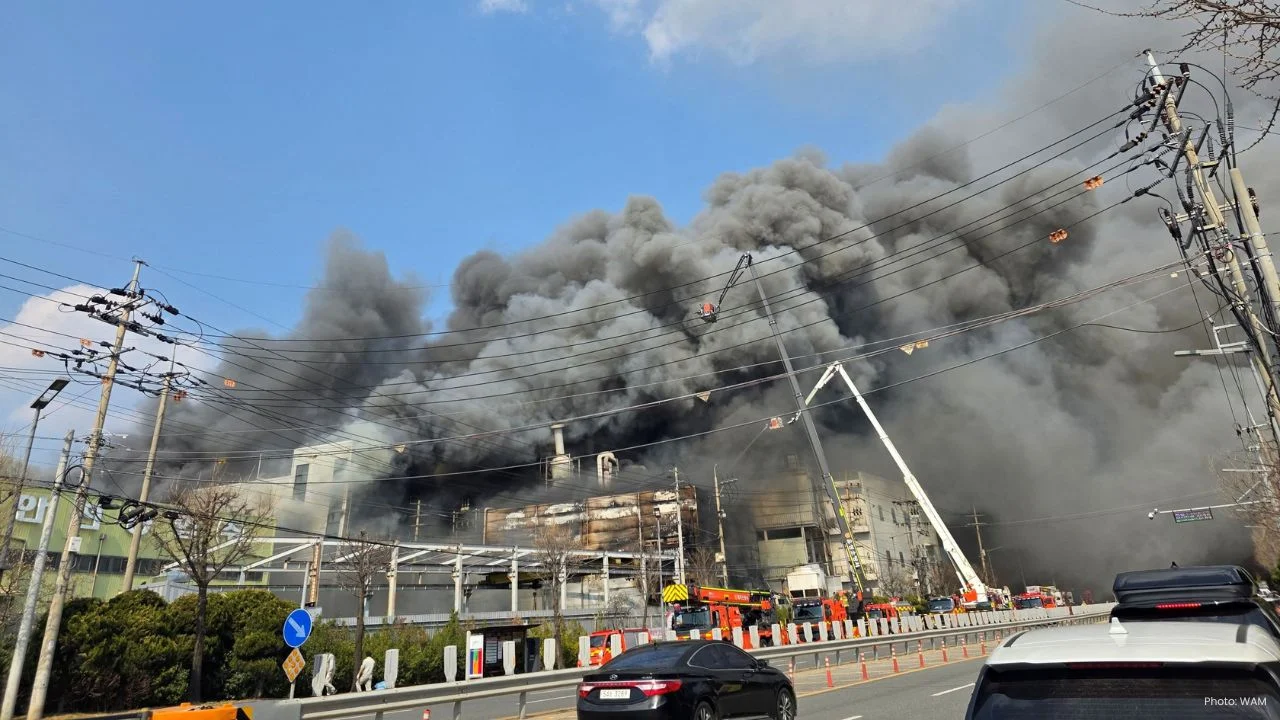
Deadly Factory Fire in Daejeon Kills 11, Several Missing
A massive fire at an auto parts factory in Daejeon, South Korea, has killed 11 people, injured 59, a

Sanofi Opens Innovation Centre in Chengdu China
Sanofi opens its first China Innovation Centre in Chengdu, boosting R&D, clinical trials, and supply

Jordan, Egypt Condemn Terror Plot Targeting UAE
Jordan and Egypt strongly condemn a terror plot targeting the UAE’s economy, reaffirming support for

Elon Musk Found Liable in Twitter Investor Case
A US jury found Elon Musk liable for misleading Twitter investors in 2022 deal, awarding up to $2.1

BTS Comeback Concert Draws 260K Fans in Seoul
BTS holds a mega comeback concert in Seoul with 260,000 fans, marking their first album in 3 years a
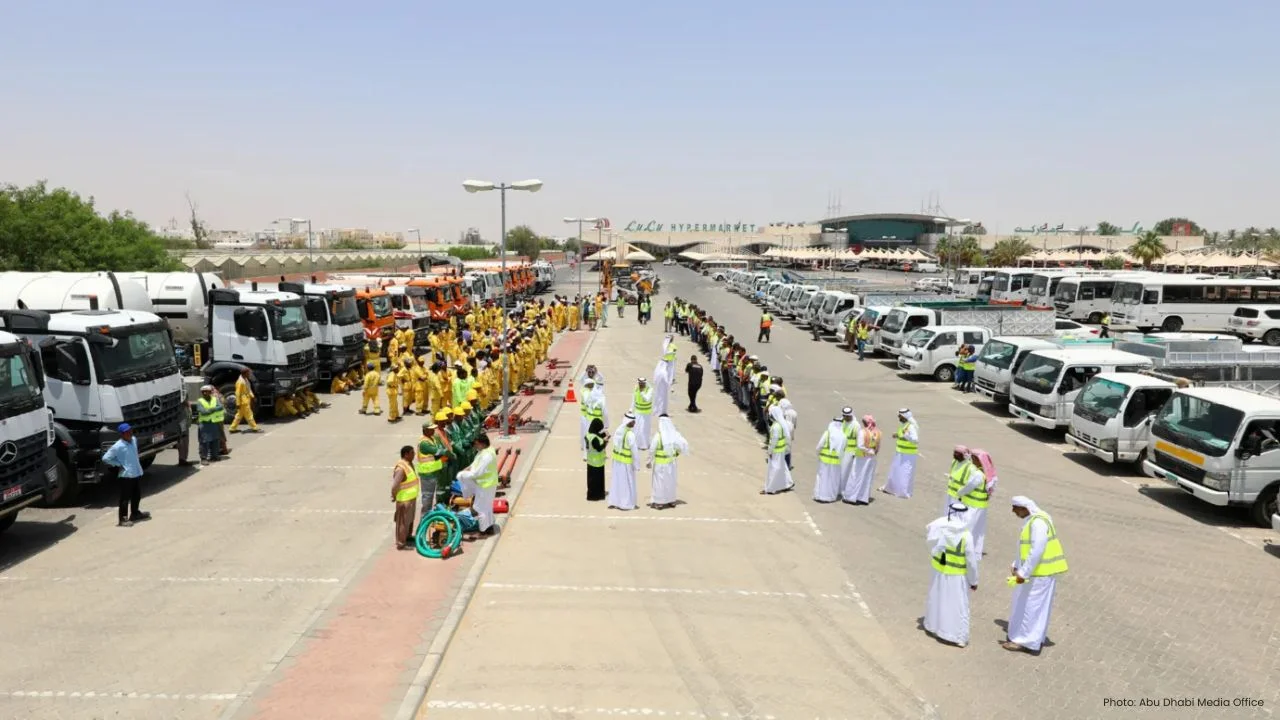
UAE DMT Prepares for Weather Alert March 21–27
Abu Dhabi’s DMT activates emergency plans, deploys teams, and urges public caution as unstable weath
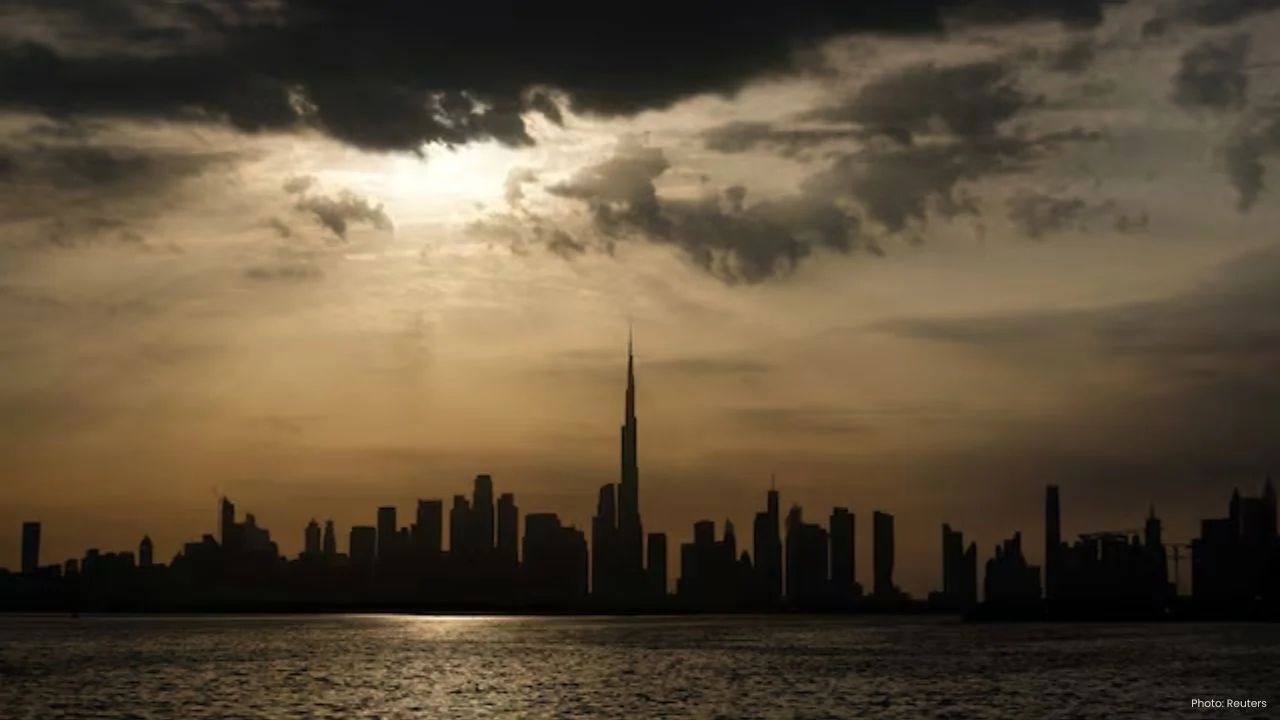
Dubai Property Market Faces War-Driven Slowdown
Dubai’s real estate market shows early slowdown as Iran war impacts investor confidence, with fallin


Bank of Baroda Faces Abu Dhabi Legal Battle over NMC Collapse
Bank of Baroda’s involvement in Abu Dhabi litigation tied to the NMC Healthcare collapse raises repu

Top Museum Openings of 2026 Set to Transform Global Tourism
From Los Angeles to Abu Dhabi and Brussels, 2026 brings major museum launches—Lucas Museum, Guggenhe

UAE Tour Highlights UAE’s Strength in Hosting Global Sports Events
Abu Dhabi Sports Council says the successful UAE Tour reflects the UAE’s leading role in hosting maj

EU Seeks Clarity from US After Supreme Court IEEPA Ruling
European Commission urges full transparency from the US on steps after Supreme Court ruling, emphasi
SpaceX Launches 53 New Satellites for Expanding Starlink Network
SpaceX launches 53 Starlink satellites in two Falcon 9 missions, breaking reuse records and expandin

RTA Awards Contract for Phase II of Hessa Street Upgrade in Dubai
Phase II of Hessa Street Development to add bridges, tunnel, and upgraded intersections, doubling ca

UAE Gold Prices Today, Monday 16 February 2026: Dubai & Abu Dhabi Updated Rates
Gold prices in UAE on 16 Feb 2026 updated: 24K around AED 599.75/gm, 22K AED 555.25/gm, and 18K AED

Over 25 Ahmedabad Schools Receive Bomb Threat Email, Authorities Investigate
More than 25 schools in Ahmedabad evacuated after bomb threat emails mentioning Khalistan. Authoriti