Post by : Anis Karim
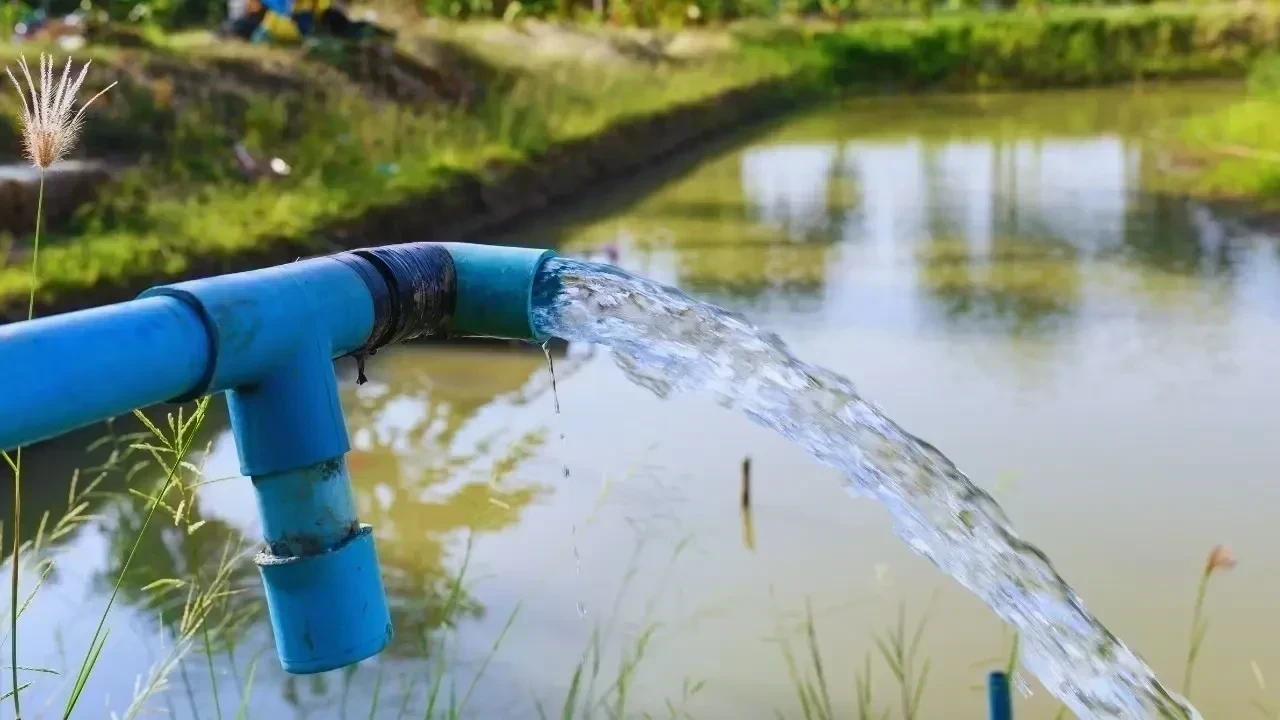
In India, water scarcity is often depicted through dry riverbeds and cracked soil. However, a more pressing issue lurks beneath the surface: groundwater, which is essential for drinking and irrigation, is being depleted at an alarming rate compared to its natural replenishment.
Hydrological studies conducted recently reveal a growing disparity between groundwater recharge and extraction. This imbalance jeopardizes food security, urban water availability, rural livelihoods, and ecological balance. Unlike surface water issues, groundwater depletion remains mostly unseen until wells run dry.
Groundwater contributes significantly to India's water consumption, providing the lifeblood for agriculture, drinking supplies for urban and rural settings, and industrial operations.
For many areas, especially those with low rainfall, groundwater is not merely a backup; it's the primary source.
For years, groundwater has been seen as limitless. Easy access to borewells and subsidized electricity has led to unchecked extraction, hiding the long-term effects.
Recharge happens when rainwater and surface water seep into the ground, replenishing the aquifers. This process is influenced by multiple factors like rainfall intensity, soil type, and geological structure.
In nature, recharge is a slow and unpredictable process, often taking significant time to restore aquifers.
Monsoon rains in India are crucial for groundwater replenishment. However, increasingly erratic rainfall patterns disrupt this cycle.
Agriculture is the primary driver of groundwater extraction in India. Water-intensive crops dominate regions where growing conditions are less than ideal.
The rise of tube wells has further enabled farmers to access deeper water sources, temporarily boosting yields while accelerating depletion.
The rapid expansion of urban areas adds extra stress. Cities rely increasingly on groundwater as surface water supplies dwindle, and industries harness aquifers for their needs.
Recent data shows that in several districts, annual water extraction is outstripping natural recharge. This problem is especially pronounced in northwestern and peninsular India.
In many areas, aquifers are being exploited rather than managed sustainably, leading to dropping water tables year after year.
As shallow aquifers become depleted, users are forced to dig deeper, raising costs and energy use. This leads to a destructive cycle where depletion drives more extraction.
Climate change is altering rainfall patterns throughout India. Increased runoff from short, intense rainfalls limits effective groundwater recharge.
Meanwhile, extended dry periods amplify dependence on groundwater, increasing extraction pressures.
Higher temperatures lead to greater water needs for crops. This further escalates groundwater consumption, especially during heatwaves.
Northwestern regions of India are experiencing rapid groundwater depletion. Extensive irrigation, alongside minimal recharge, is straining aquifers.
Cities in southern India are becoming increasingly reliant on groundwater, resulting in acute local depletion.
While groundwater pumping has bolstered agricultural production, it poses risks in the long-term. Declining water levels jeopardize crop viability and elevate costs for farmers.
Experts suggest that regions facing water stress should move toward more drought-resistant crops.
In many rural regions, once-reliable wells are now drying up, forcing families, particularly women and children, to search for distant water sources.
As groundwater levels fall, contamination risks rise, leading to serious health problems from fluoride, arsenic, and salinity.
Government bodies such as the Central Ground Water Board are pivotal in monitoring groundwater resources, providing vital assessments of the situation.
Despite growing awareness, groundwater regulation remains inconsistent. Many view it as an individual resource related to land, inhibiting effective management.
Techniques like rainwater harvesting and recharge pits are gaining traction as ways to boost groundwater supply.
Urban projects promoting rainwater harvesting have shown promise where properly implemented.
Historical techniques such as stepwells and ponds are gaining renewed attention as sustainable options for groundwater recharge.
Satellite technologies are enabling tracking of groundwater levels over vast areas, facilitating proactive management.
Methods like drip irrigation and moisture sensors can significantly optimize water use while maintaining yield.
As groundwater dwindles, wealthier farmers and urban residents can afford deeper extraction methods, exacerbating social inequality.
Decreased water availability leads to community distress and migration, straining urban areas further.
The need for groundwater sustainability is increasingly recognized, with policies focusing on managing demand alongside boosting supply.
Efforts are gradually transitioning from exploiting groundwater to responsibly managing this vital resource.
Groundwater depletion is a global challenge, affecting countries around the world. Lessons from various nations emphasize the need for community involvement and regulation.
Technical solutions alone won't suffice; sustainable management hinges on changing farming practices and governance.
Local solutions, developed through community consensus, have proven effective in groundwater management.
Once depleted, aquifers can take generations to recover, and some may never fully recuperate, leading to lasting water scarcity.
The imbalance in groundwater recharge and extraction presents one of the most critical environmental dilemmas for India. It underscores the ongoing conflict between development priorities and sustainability.
How this challenge is addressed will affect water availability, agriculture, urban life, and livelihoods across the nation.
India finds itself at a crucial juncture regarding groundwater. Decisions made today concerning agriculture, urban planning, and governance will shape future water security.
Closing the gap between recharge and extraction is feasible, but it requires collective effort, informed policies, and shared responsibility. Time is of the essence.
This article aims to inform and educate. Groundwater data can vary regionally and temporally. For accurate information, refer to trusted governmental and scientific resources.
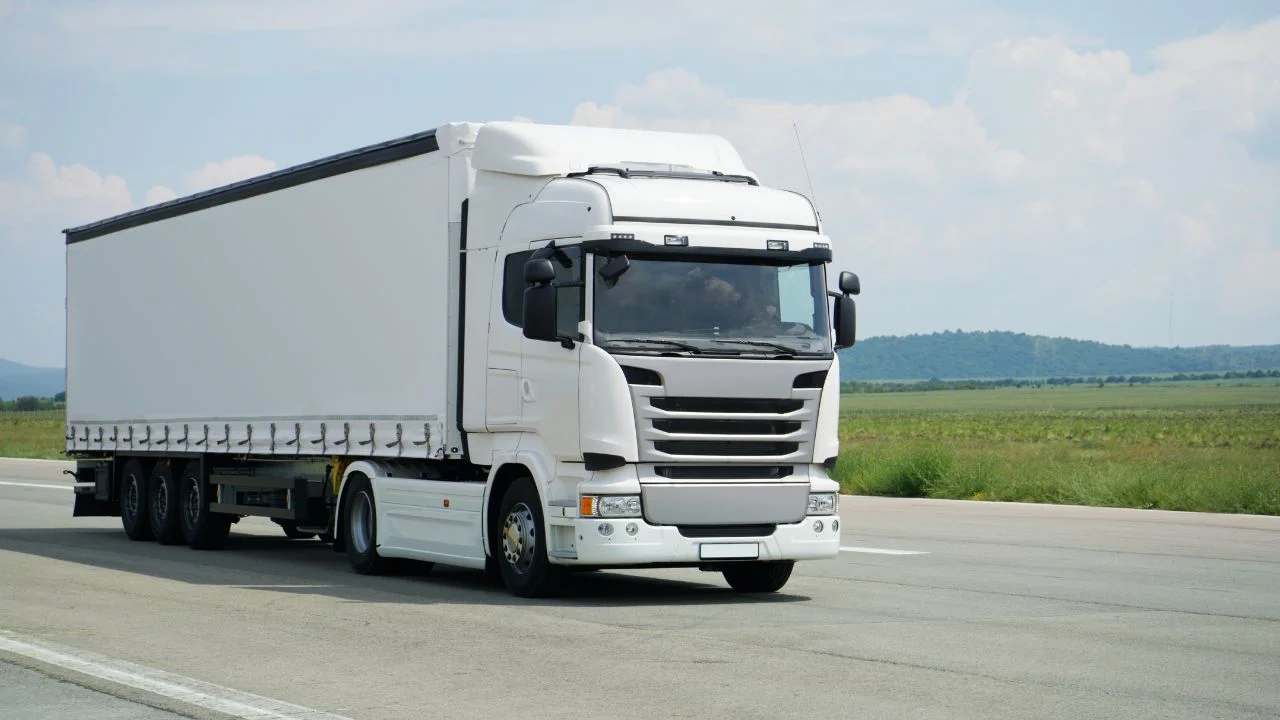
Dubai Allows 24/7 Truck Movement to Boost Logistics
Dubai extends 24/7 truck movement to support logistics, excluding key tunnels. Authorities urge driv
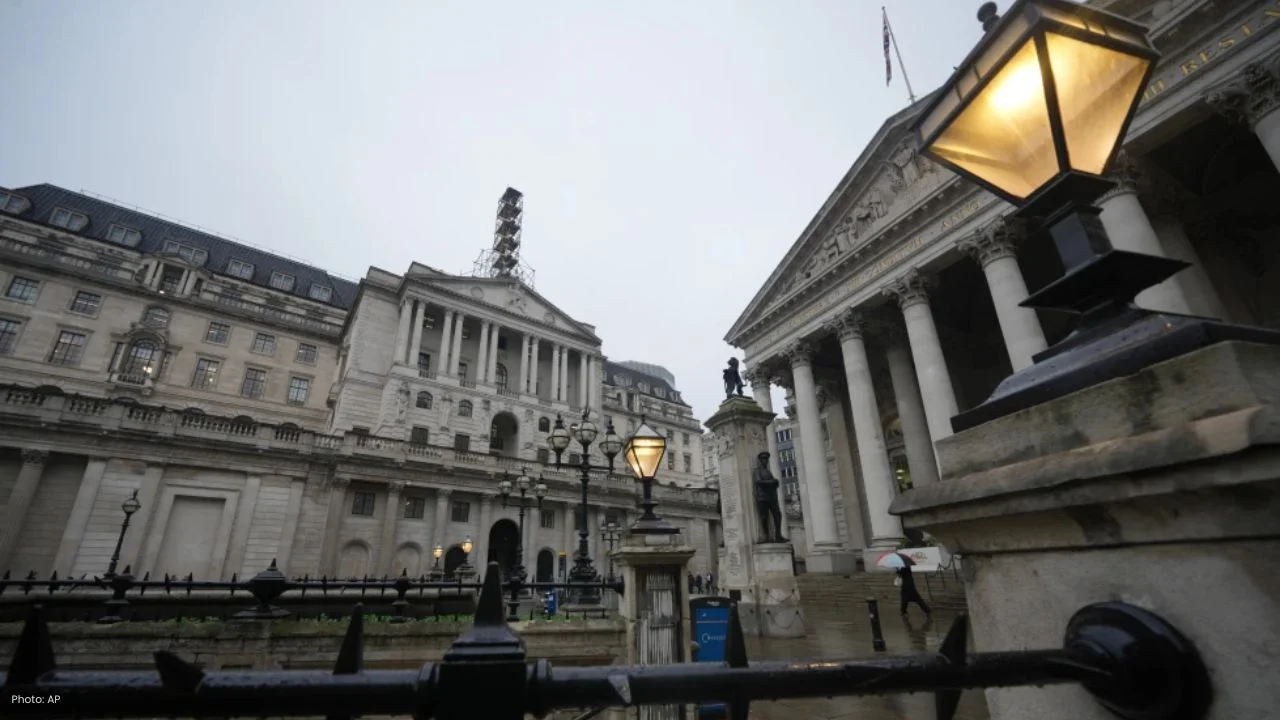
BoE Holds Rates at 3.75% as Iran War Fuels Inflation
Bank of England holds rates at 3.75% as Iran war drives oil prices up, raising inflation risks and d

Ananya Panday shines at Lakme Fashion Week 2026
Ananya Panday walked as showstopper for Rahul Mishra at Lakme Fashion Week 2026, wearing an ivory ou

Gold Prices Edge Up, Set for Third Weekly Decline
Gold prices rose slightly but are heading for a third weekly loss as a strong US dollar and Fed tigh

Philippine Airlines Suspends Dubai, Doha Flights Till April 30
Philippine Airlines has suspended Manila-Dubai and Doha flights till April 30 due to Middle East ten
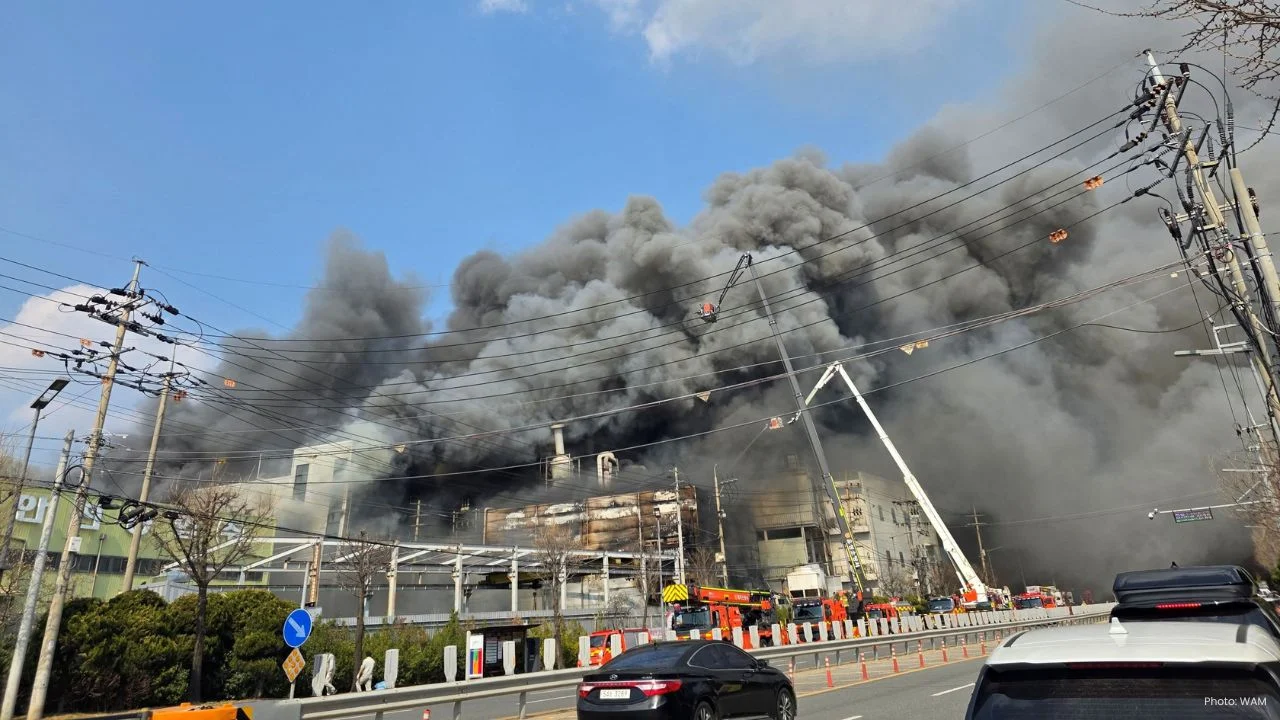
Deadly Factory Fire in Daejeon Kills 11, Several Missing
A massive fire at an auto parts factory in Daejeon, South Korea, has killed 11 people, injured 59, a

Sanofi Opens Innovation Centre in Chengdu China
Sanofi opens its first China Innovation Centre in Chengdu, boosting R&D, clinical trials, and supply


Bank of Baroda Faces Abu Dhabi Legal Battle over NMC Collapse
Bank of Baroda’s involvement in Abu Dhabi litigation tied to the NMC Healthcare collapse raises repu

Top Museum Openings of 2026 Set to Transform Global Tourism
From Los Angeles to Abu Dhabi and Brussels, 2026 brings major museum launches—Lucas Museum, Guggenhe

UAE Tour Highlights UAE’s Strength in Hosting Global Sports Events
Abu Dhabi Sports Council says the successful UAE Tour reflects the UAE’s leading role in hosting maj

EU Seeks Clarity from US After Supreme Court IEEPA Ruling
European Commission urges full transparency from the US on steps after Supreme Court ruling, emphasi
SpaceX Launches 53 New Satellites for Expanding Starlink Network
SpaceX launches 53 Starlink satellites in two Falcon 9 missions, breaking reuse records and expandin

RTA Awards Contract for Phase II of Hessa Street Upgrade in Dubai
Phase II of Hessa Street Development to add bridges, tunnel, and upgraded intersections, doubling ca

UAE Gold Prices Today, Monday 16 February 2026: Dubai & Abu Dhabi Updated Rates
Gold prices in UAE on 16 Feb 2026 updated: 24K around AED 599.75/gm, 22K AED 555.25/gm, and 18K AED

Over 25 Ahmedabad Schools Receive Bomb Threat Email, Authorities Investigate
More than 25 schools in Ahmedabad evacuated after bomb threat emails mentioning Khalistan. Authoriti