Post by : Anis Karim
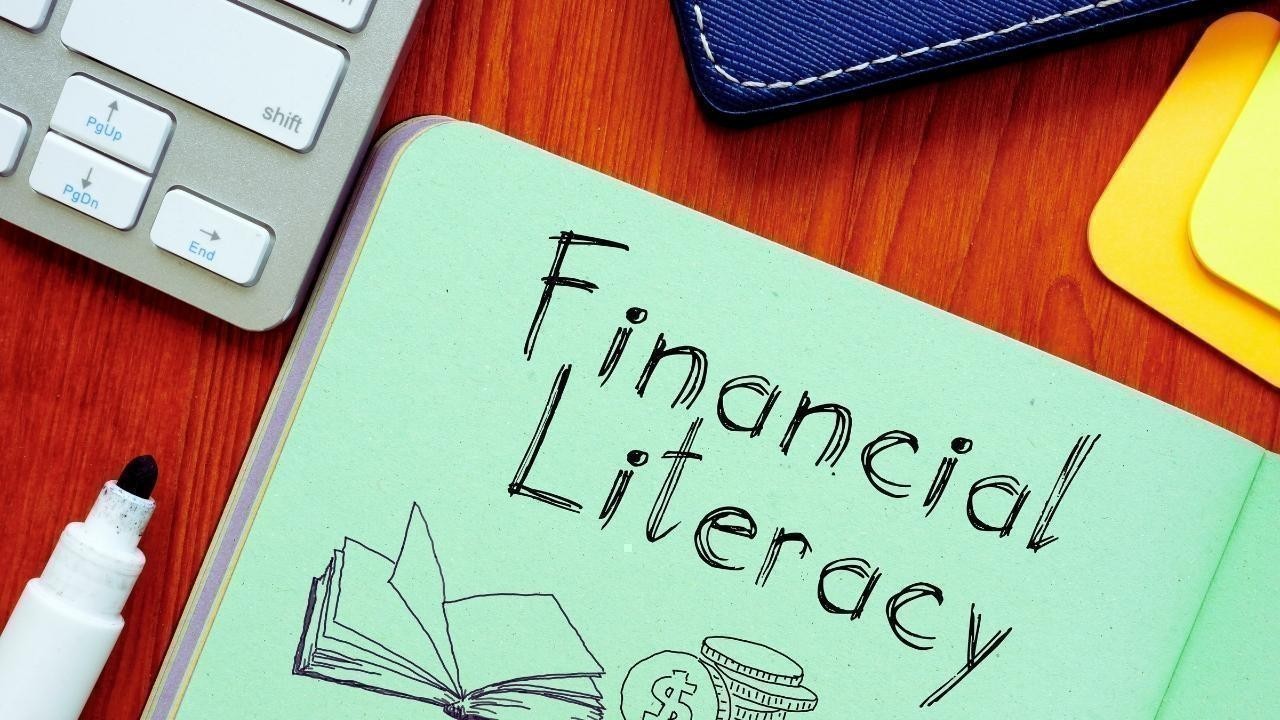
As economies shift, inflation rises, and digital financial products become more common, managing money has turned into one of life’s biggest challenges. In 2025, financial literacy is not just about saving a few bucks—it’s about securing long-term financial stability, avoiding debt traps, and making smarter financial decisions. Young adults, working professionals, and even retirees are realizing the urgent need to understand personal finance. From budgeting and saving to investing and digital banking, financial literacy is becoming a survival tool in the modern world.
Across the world, people are facing higher living costs than ever before. From housing and groceries to education and healthcare, everyday expenses have risen sharply over the last few years. Many are finding that their salaries no longer stretch as far as they used to. This reality has made budgeting, saving, and smart spending essential skills. People who can’t manage their money effectively often find themselves caught in endless debt cycles. In response, millions are turning to financial education as the first step to gain back control over their finances.
Gone are the days of simple bank savings accounts and physical cash. In 2025, digital banking, online payments, and financial apps dominate everyday transactions. With the rise of mobile banking, digital wallets, and online investing platforms, people are managing money on their phones more than ever. While this offers convenience, it also creates more opportunities for scams, fraud, and overspending. Financial literacy helps people navigate this digital world safely, avoid risky financial behavior, and make the most of modern banking tools.
Credit cards, buy-now-pay-later schemes, instant loans—these are marketed as easy financial solutions but can quickly turn into traps. Many young adults start their careers already burdened with student loans, only to add credit card debts and personal loans. Without proper financial education, it’s easy to fall into a debt spiral that can take years to escape. Financial literacy teaches individuals how to manage credit wisely, understand loan terms, and avoid the costly mistake of unmanageable debt.
The days when people relied solely on salaries or pensions are gone. Inflation reduces the value of saved money, making investing essential to grow wealth over time. Stock markets, mutual funds, real estate, cryptocurrencies—investment options have expanded, but so have risks. Without financial literacy, many fall prey to scams or bad investment decisions. Learning about basic investment strategies, risk management, and long-term wealth-building is now crucial for anyone hoping to secure financial independence.
Digital scams are on the rise globally, with fraudsters using clever tricks to steal people’s money. Phishing attacks, fake investment schemes, and online fraud are costing individuals billions each year. Financially literate people are more likely to recognize red flags, verify information, and avoid falling for scams. As financial systems become more complex, knowing how to protect yourself is no longer a bonus skill—it’s a necessity.
Planning for retirement used to be something people considered in their 40s or 50s. Today, with changing job patterns, gig work, and longer life spans, retirement planning starts much earlier. Financial literacy helps people understand retirement funds, pension plans, investment options, and tax benefits. Starting early ensures people can retire comfortably without depending solely on government pensions or family support.
Interestingly, Gen Z and Millennials are among the most active in seeking financial knowledge. Social media platforms like YouTube, TikTok, and Instagram are full of finance influencers sharing tips on saving, investing, and money management. Young people are rejecting old-school financial myths and embracing smarter, more informed money habits. Schools and colleges are also increasingly including financial education programs, helping students start their financial journey on the right foot.
With the gig economy, freelancing, and contract work becoming common, stable lifelong jobs are harder to find. This makes financial planning even more important. Without fixed monthly salaries or long-term employment guarantees, people must learn to budget, save for emergencies, and plan for income fluctuations. Financial literacy equips individuals to build financial resilience and navigate uncertain job markets with confidence.
Interest rates, currency fluctuations, global recessions—these terms used to be reserved for economists and bankers. But in today’s interconnected world, global financial trends impact everyone. A rise in interest rates can make loans expensive; a market crash can wipe out savings; a recession can lead to job losses. Financial literacy empowers individuals to understand these events and make informed decisions to protect their financial well-being.
One positive trend is that financial education is more available than ever. Free courses, workshops, online videos, podcasts, and apps offer accessible learning for people of all ages. Many governments and NGOs are launching financial literacy campaigns to empower citizens. Companies are also joining the movement by providing financial wellness programs for employees. This increased access is helping bridge the gap between financial ignorance and financial empowerment.
Globally, more women are taking control of their finances, building savings, investing, and starting businesses. Financial literacy plays a key role in reducing gender wealth gaps. Educated women are more likely to plan for emergencies, secure better financial futures for their families, and achieve personal financial goals. As financial education spreads, women are stepping into their financial power like never before.
Financial literacy isn’t just theoretical knowledge—it translates into real-life advantages:
Fewer debts and lower interest payments.
Higher savings and emergency funds.
Smarter investment decisions with long-term benefits.
Better protection against fraud and scams.
Greater ability to achieve personal goals like travel, home ownership, or business startup.
Reduced financial stress and improved mental health.
These tangible benefits are why more people are dedicating time and effort to improve their money management skills.
Ultimately, the growing focus on financial literacy is driven by the desire for financial freedom—being able to live comfortably, retire early, travel, and pursue passions without constant money worries. People are realizing that mastering personal finance is key to achieving these dreams. In 2025, being financially literate is as crucial as having a college degree or professional skills. It’s the foundation upon which modern life success is built.
In a fast-moving, unpredictable world, financial literacy is the shield that protects people from financial instability and the key that opens doors to personal freedom. Whether young or old, employed or self-employed, everyone benefits from knowing how to manage money wisely. As technology, inflation, and financial products evolve, financial literacy is becoming the most essential life skill of this decade—and the smartest investment anyone can make for their future.
This article is for informational purposes only and does not constitute financial advice. Readers should consult certified financial experts before making personal financial decisions.

GOP Leaders Unveil Plan to End DHS Partial Shutdown
House and Senate GOP leaders propose a two-track plan to fund DHS, aiming to end the record-long shu

Northern California Shaken by Early Morning 4.6 Earthquake
A 4.6 magnitude earthquake struck near Boulder Creek, CA, early Thursday, shaking homes across a 100

Hillhouse Opens Abu Dhabi Office, Strengthens UAE Presence
Hillhouse Investment opens ADGM office with Category 3C license, boosting UAE and GCC investment act
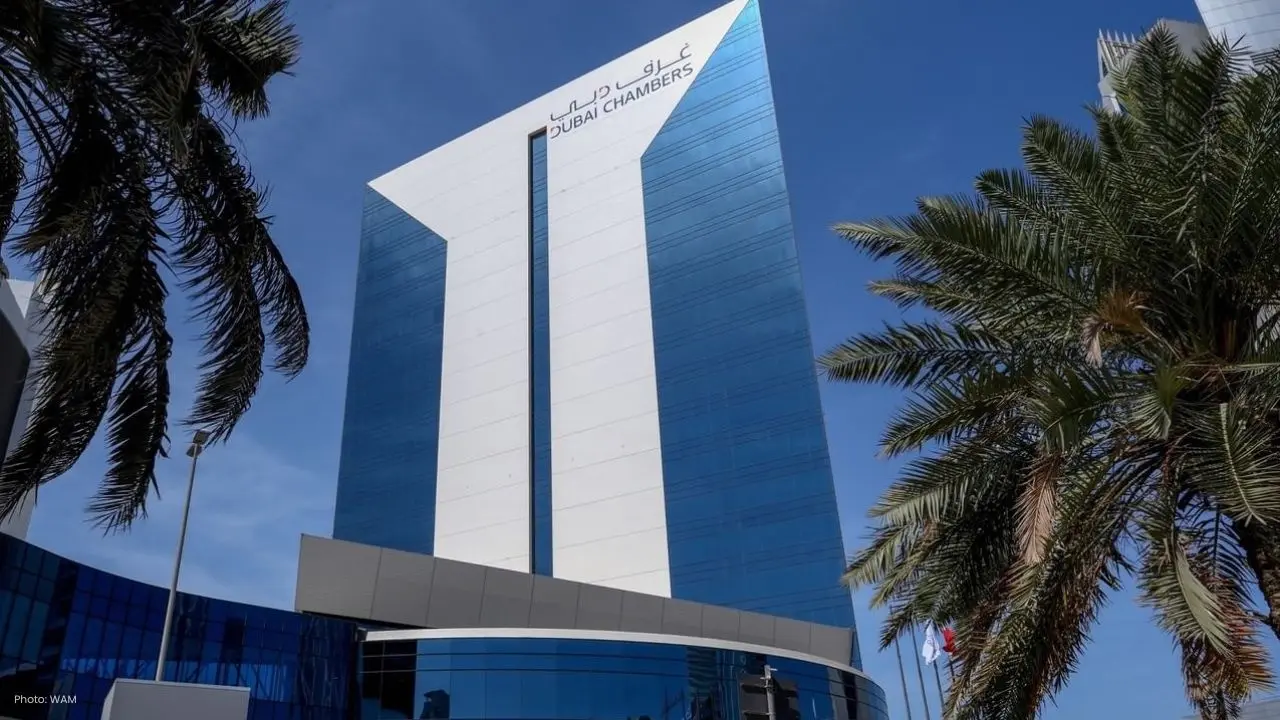
Dubai, China Strengthen Trade & Investment Cooperation
Dubai Chambers meets CCPIT Beijing to enhance trade, investment, and cooperation in digital economy,

Indonesia Earthquake Today: 7.4 Magnitude Quake Triggers Tsunami Warning
A 7.4 magnitude earthquake hits Indonesia, prompting tsunami warnings and emergency evacuations. Get
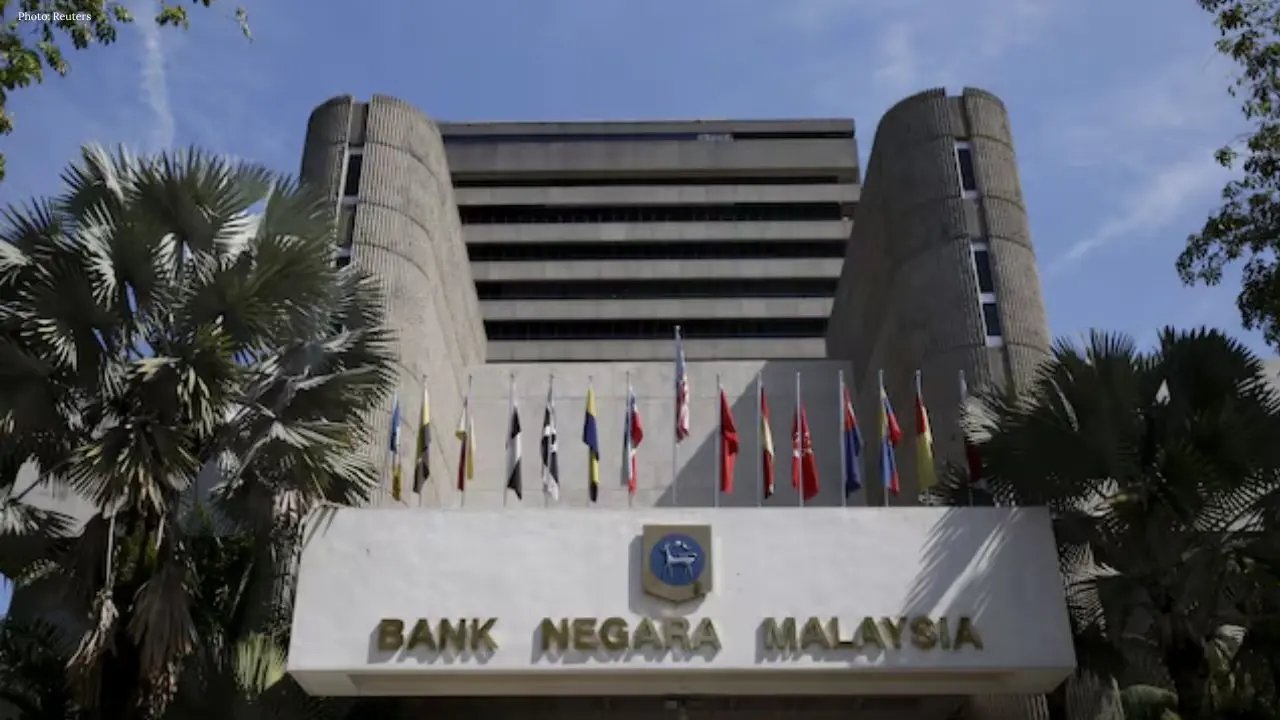
Malaysia’s Economy Remains Steady Amid Global Tensions
Despite geopolitical risks, Bank Negara highlights Malaysia's strong economic fundamentals and endur

Abu Dhabi Fund Drives Global Development & UAE Export Growth
ADFD’s 2025 report highlights AED 250B financing, global projects, and UAE export support, strengthe


NASA Launches Artemis II Crew for 10-Day Lunar Mission
NASA launches Artemis II with four astronauts for a 10-day Moon mission, marking the first crewed lu
Dubai RTA, Ministry Partner for Family First Programme
Dubai RTA and Ministry of Family partner to enhance transport, urban spaces, and services under Fami

Bank of Baroda Faces Abu Dhabi Legal Battle over NMC Collapse
Bank of Baroda’s involvement in Abu Dhabi litigation tied to the NMC Healthcare collapse raises repu

Top Museum Openings of 2026 Set to Transform Global Tourism
From Los Angeles to Abu Dhabi and Brussels, 2026 brings major museum launches—Lucas Museum, Guggenhe

UAE Tour Highlights UAE’s Strength in Hosting Global Sports Events
Abu Dhabi Sports Council says the successful UAE Tour reflects the UAE’s leading role in hosting maj
EU Seeks Clarity from US After Supreme Court IEEPA Ruling
European Commission urges full transparency from the US on steps after Supreme Court ruling, emphasi

SpaceX Launches 53 New Satellites for Expanding Starlink Network
SpaceX launches 53 Starlink satellites in two Falcon 9 missions, breaking reuse records and expandin

RTA Awards Contract for Phase II of Hessa Street Upgrade in Dubai
Phase II of Hessa Street Development to add bridges, tunnel, and upgraded intersections, doubling ca