Post by : Zayd Kamal
The Changing Role of Teachers in Tech-Driven Classrooms
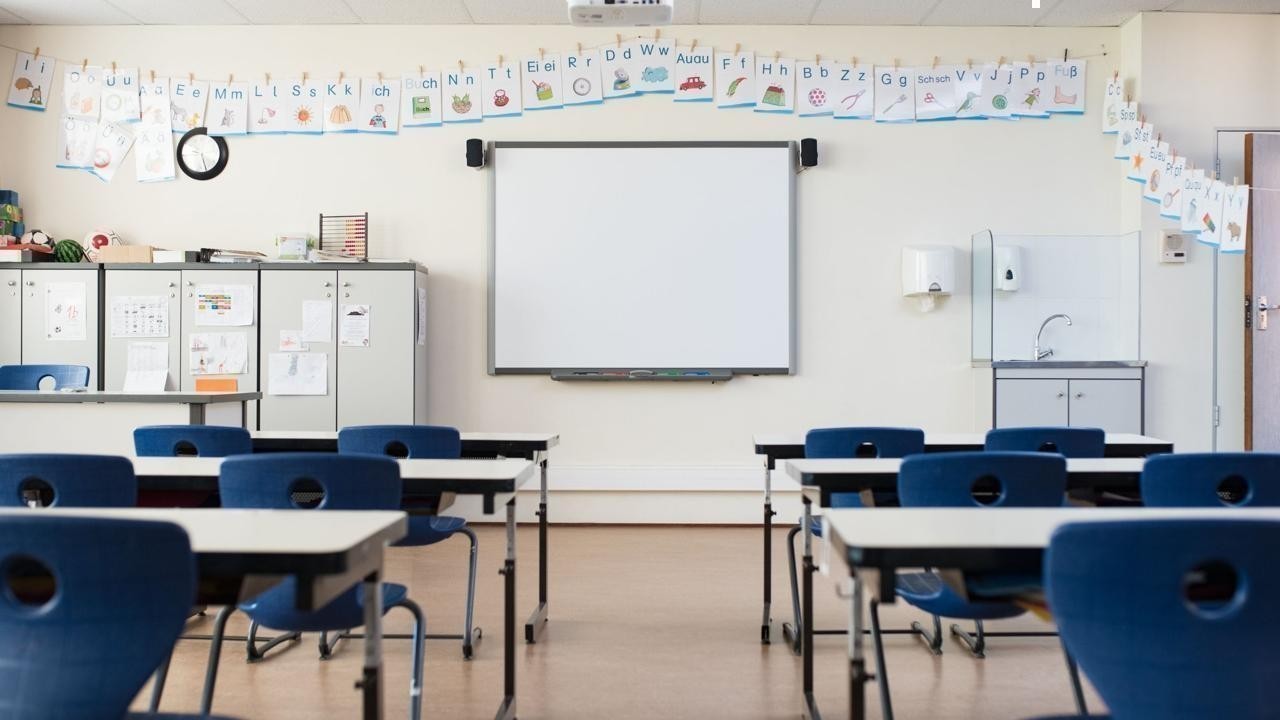
Education is quietly undergoing one of the most profound changes in history. Unlike noisy revolutions marked by protests or dramatic policy shifts, the transformation happening today in classrooms worldwide is subtle but powerful. This shift is driven by digital technology, fundamentally altering how students learn, how teachers teach, and how knowledge is shared. The Silent Classroom Revolution How Technology Is Shaping Future Learning invites us to explore this remarkable change, revealing the new tools and methods that are redefining education for the future.
How Technology Is Changing the Way Students Learn
In the past, learning was mostly confined to textbooks, lectures, and note-taking. Today, technology offers students an interactive and personalized experience that was once unimaginable. Tools like tablets, educational apps, and virtual reality bring subjects to life in vivid detail. For example, instead of reading about ancient Egypt, students can now take virtual tours of pyramids, experiencing history firsthand. This immersive learning helps deepen understanding and retention.
Adaptive learning platforms also tailor education to each student’s pace and style. These programs analyze strengths and weaknesses to provide customized exercises, ensuring no student is left behind or bored by lessons that don’t fit their needs. This level of personalization marks a significant break from the one-size-fits-all approach of traditional classrooms.
Teachers as Facilitators, Not Just Lecturers
The Silent Classroom Revolution How Technology Is Shaping Future Learning is also reshaping the role of teachers. Instead of simply delivering information, educators are becoming facilitators and guides. Technology allows teachers to spend less time on routine tasks like grading and more time mentoring and engaging with students.
Online platforms enable teachers to assign and track homework digitally, giving immediate feedback that helps students improve faster. Furthermore, tools like video conferencing and discussion boards create opportunities for collaboration beyond the physical classroom. This has proven especially useful during recent global events that forced remote learning, ensuring education continuity even when schools were closed.
Expanding Access and Breaking Barriers
One of the most exciting impacts of The Silent Classroom Revolution How Technology Is Shaping Future Learning is increased access to education worldwide. Students in remote or underserved areas can now connect to high-quality lessons and resources through the internet. Massive Open Online Courses (MOOCs) offer free or affordable classes from top universities, breaking down traditional barriers of geography and cost.
Additionally, assistive technologies help students with disabilities engage fully in learning. Speech-to-text, screen readers, and customized interfaces ensure that education is inclusive and equitable. This revolution is quietly leveling the playing field and making lifelong learning a possibility for everyone.
Preparing Students for a Digital Future
The integration of technology into education is not just about improving current learning but preparing students for a world where digital skills are essential. Coding, data analysis, and digital communication are becoming core parts of the curriculum. By embedding these skills early, education systems equip students to thrive in future jobs and global challenges.
Beyond technical skills, technology also fosters creativity and critical thinking. Tools like digital storytelling, design software, and online research teach students how to innovate and solve problems. These competencies will be vital as automation and artificial intelligence continue to transform the workforce.
Challenges and Considerations
While The Silent Classroom Revolution How Technology Is Shaping Future Learning brings many benefits, it also presents challenges. Digital divides still exist, with some schools lacking the infrastructure or funding to implement advanced technologies. Teachers may need ongoing training to use new tools effectively, and concerns about screen time and student privacy require thoughtful policies.
It’s important to remember that technology should enhance, not replace, the human connection essential to education. The best learning environments blend technology with personal support, creating balanced experiences where students feel motivated and understood.
Disclaimer:
This article is published by DXB News Network for informational purposes only. While we strive to provide accurate and up-to-date content, DXB News Network does not guarantee the completeness or accuracy of the information presented. Readers are encouraged to consult additional sources and experts for further insights. The views expressed in this article do not necessarily reflect the official stance of DXB News Network.

GOP Leaders Unveil Plan to End DHS Partial Shutdown
House and Senate GOP leaders propose a two-track plan to fund DHS, aiming to end the record-long shu

Northern California Shaken by Early Morning 4.6 Earthquake
A 4.6 magnitude earthquake struck near Boulder Creek, CA, early Thursday, shaking homes across a 100

Hillhouse Opens Abu Dhabi Office, Strengthens UAE Presence
Hillhouse Investment opens ADGM office with Category 3C license, boosting UAE and GCC investment act

Dubai, China Strengthen Trade & Investment Cooperation
Dubai Chambers meets CCPIT Beijing to enhance trade, investment, and cooperation in digital economy,

Indonesia Earthquake Today: 7.4 Magnitude Quake Triggers Tsunami Warning
A 7.4 magnitude earthquake hits Indonesia, prompting tsunami warnings and emergency evacuations. Get

Malaysia’s Economy Remains Steady Amid Global Tensions
Despite geopolitical risks, Bank Negara highlights Malaysia's strong economic fundamentals and endur

Abu Dhabi Fund Drives Global Development & UAE Export Growth
ADFD’s 2025 report highlights AED 250B financing, global projects, and UAE export support, strengthe

NASA Launches Artemis II Crew for 10-Day Lunar Mission
NASA launches Artemis II with four astronauts for a 10-day Moon mission, marking the first crewed lu

Dubai RTA, Ministry Partner for Family First Programme
Dubai RTA and Ministry of Family partner to enhance transport, urban spaces, and services under Fami

Bank of Baroda Faces Abu Dhabi Legal Battle over NMC Collapse
Bank of Baroda’s involvement in Abu Dhabi litigation tied to the NMC Healthcare collapse raises repu

Top Museum Openings of 2026 Set to Transform Global Tourism
From Los Angeles to Abu Dhabi and Brussels, 2026 brings major museum launches—Lucas Museum, Guggenhe

UAE Tour Highlights UAE’s Strength in Hosting Global Sports Events
Abu Dhabi Sports Council says the successful UAE Tour reflects the UAE’s leading role in hosting maj

EU Seeks Clarity from US After Supreme Court IEEPA Ruling
European Commission urges full transparency from the US on steps after Supreme Court ruling, emphasi

SpaceX Launches 53 New Satellites for Expanding Starlink Network
SpaceX launches 53 Starlink satellites in two Falcon 9 missions, breaking reuse records and expandin

RTA Awards Contract for Phase II of Hessa Street Upgrade in Dubai
Phase II of Hessa Street Development to add bridges, tunnel, and upgraded intersections, doubling ca