Post by : Zayd Kamal
Design is a transformative process that begins with a simple idea and evolves into something truly magnificent. Whether in fashion, architecture, or product design, top designers know how to turn mere concepts into masterpieces that captivate and inspire. The journey from concept to creation is both intricate and exciting, requiring skill, creativity, and a deep understanding of the client's vision. In this article, we'll explore how designers take a project from initial inspiration to the final product, blending artistic intuition with practical expertise.
The journey from concept to creation begins with a clear understanding of the core idea behind the design. Designers take the time to research and brainstorm, focusing on the target audience, the functionality of the design, and the aesthetic preferences that align with the vision. This initial phase involves a deep dive into the essence of the project, ensuring the final outcome will resonate with the intended viewers or users. Designers might create mood boards, conduct brainstorming sessions, and draw inspiration from various sources such as nature, current trends, or personal experiences. This foundational work is essential because it sets the tone for every subsequent stage of the process, ensuring that the design remains focused and purposeful.
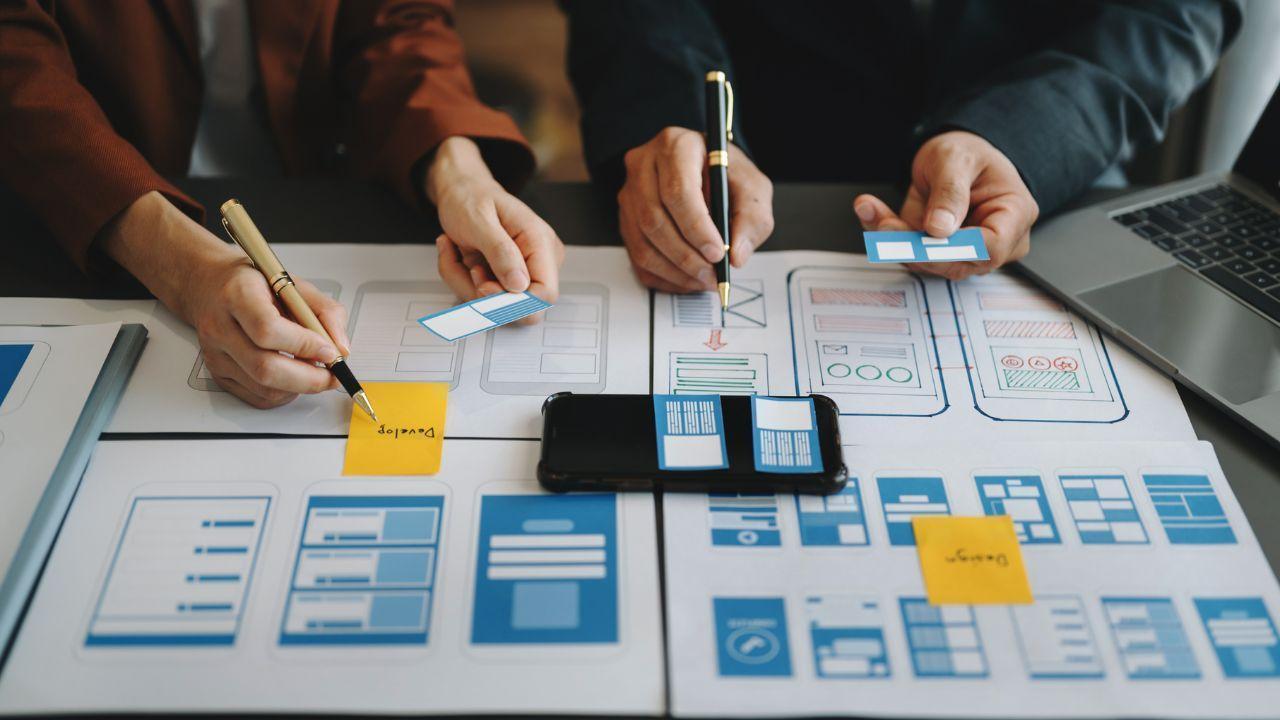
Once the core concept has been defined, the next step is creating a detailed blueprint. This is the phase where the abstract ideas start taking a tangible shape. Depending on the type of design, this can be in the form of sketches, digital renderings, architectural blueprints, or prototypes. In fashion, designers might begin by creating detailed sketches of garments, while interior designers lay out floor plans or create mock-ups of spaces. For product designers, this might mean 3D models or CAD designs. The blueprint serves as a roadmap for the project, giving it structure and direction. Every detail of the design is carefully planned during this stage to ensure that the final product not only looks good but also functions well.
With a blueprint in hand, the designer moves into the refinement phase. This is where creativity and problem-solving truly come into play. The design evolves as the designer tweaks and adjusts various aspects, refining the details to perfection. This may involve experimenting with materials, colors, textures, or proportions to ensure the design is both aesthetically pleasing and functional. For fashion designers, this might include altering fabrics or adjusting fits. Interior designers may rearrange layouts or change design elements to achieve harmony within the space. During this phase, designers also begin to think about practical considerations, like durability, comfort, and usability, which are essential in creating a cohesive and functional design.

Once the design has been refined, the next crucial step is prototyping and testing. Prototypes are physical or digital representations of the final design that allow designers to see how their ideas work in real life. Prototyping enables designers to test functionality, ergonomics, and other practical aspects of the design before it goes into production or implementation. For fashion designers, this might mean creating a sample garment to evaluate how it moves and fits. In interior design, a space might be mock-up to test furniture placement and material choices. For product designers, rapid prototyping technologies like 3D printing allow for the creation of functional models to assess how well the design performs. Testing the prototype is critical because it provides valuable insights that can lead to adjustments and improvements.
After refining and testing, the design is now ready for finalization. This is where the designer’s vision comes to life. At this stage, the project is polished and ready for production or implementation. The final design takes into account all feedback, adjustments, and refinements from the earlier stages. For fashion designers, this means preparing a final collection ready for the runway or retail. Interior designers implement their vision by transforming spaces with furniture, decor, and finishes. In product design, the final version is manufactured for mass production or retail. This stage represents the culmination of the designer’s hard work, creativity, and expertise. The final product is a reflection of the designer’s skill in merging art and functionality.
In today’s world, technology plays a significant role in the concept to creation process. Designers across all fields use advanced tools and software to help bring their ideas to life. For instance, fashion designers can now use digital fabric design tools and 3D modeling software to visualize garments before physically creating them. Interior designers rely on computer-aided design (CAD) programs to draft detailed layouts and experiment with color schemes or lighting effects. Product designers frequently use 3D printing technologies to produce prototypes quickly and efficiently, allowing for iterative testing and refinement. Technology speeds up the design process and makes it easier to visualize concepts, ensuring that designers can create more accurate and innovative designs.
One of the most important aspects of the concept to creation journey is collaboration. Designers rarely work in isolation, and collaboration is crucial to the success of a project. Whether it’s working closely with clients, collaborating with other designers or engineers, or gathering feedback from target audiences, the input from others ensures the design meets expectations. For example, a fashion designer might collaborate with textile experts or fit specialists to improve garment construction. In interior design, a team of architects, contractors, and decorators may work together to finalize a space’s design. Product designers often seek feedback from users during the prototyping stage to ensure the final product fulfills its purpose. Collaboration ensures that the design evolves in the right direction and helps address any potential issues early in the process.
The journey from concept to creation is an exciting process where designers turn ideas into real, amazing designs. First, designers gather ideas and inspiration to build a solid plan. This phase helps them understand the concept to creation process and how it will shape the final result. After that, designers make blueprints or sketches to show what the final design will look like. The concept to creation process continues with refining the design, where they make changes and improvements. Testing and creating prototypes are also part of the concept to creation journey, allowing designers to see if their ideas work in real life. Finally, once the design is perfect, it’s ready to be made into a finished product. The concept to creation process is not just about making things look good—it’s about making them work well, too. Designers use technology to help them with every step of the concept to creation journey, making their work easier and faster. Collaboration and feedback are also important parts of the concept to creation process, as designers often work with others to make sure the design meets everyone’s expectations. The whole process of concept to creation is a beautiful way to bring ideas to life, showing the creativity and skill of the designer.
The content provided is for informational purposes only. It reflects insights and trends in the design world and the concept to creation journey. For further details or professional advice, please consult with experts in the relevant field. This article was brought to you by dxb news network.
Concept to Creation, Designers, Design Process, Blueprint, Prototyping, Refining Design, Creativity, Final Product, Technology in Design, Collaboration, Feedback, Inspiration, Product Design, Design Journey, Design Refinement, Testing, Design Masterpieces, Artistic Vision, Functionality, Visual Design

Global Markets Rally as Oil Drops Below $100 Mark
Asian markets jump sharply as oil falls below $100 amid hopes of easing Iran conflict, boosting glob

US Judge Orders Penn to Share Data in Bias Probe
A US judge ordered Penn to share employee records in an antisemitism probe, while protecting religio

California Governor Race Turns Chaotic Before Voting
California’s governor race grows chaotic as Democrats face internal divisions, voter uncertainty, an

New York City Ends TikTok Ban For Official Use Again
New York City lifts its TikTok ban, allowing agencies to post again under strict security rules to i

Iraq Qualify for World Cup After 40 Years With 2-1 Win
Iraq secured a historic World Cup spot after defeating Bolivia 2-1 in playoffs, marking their return
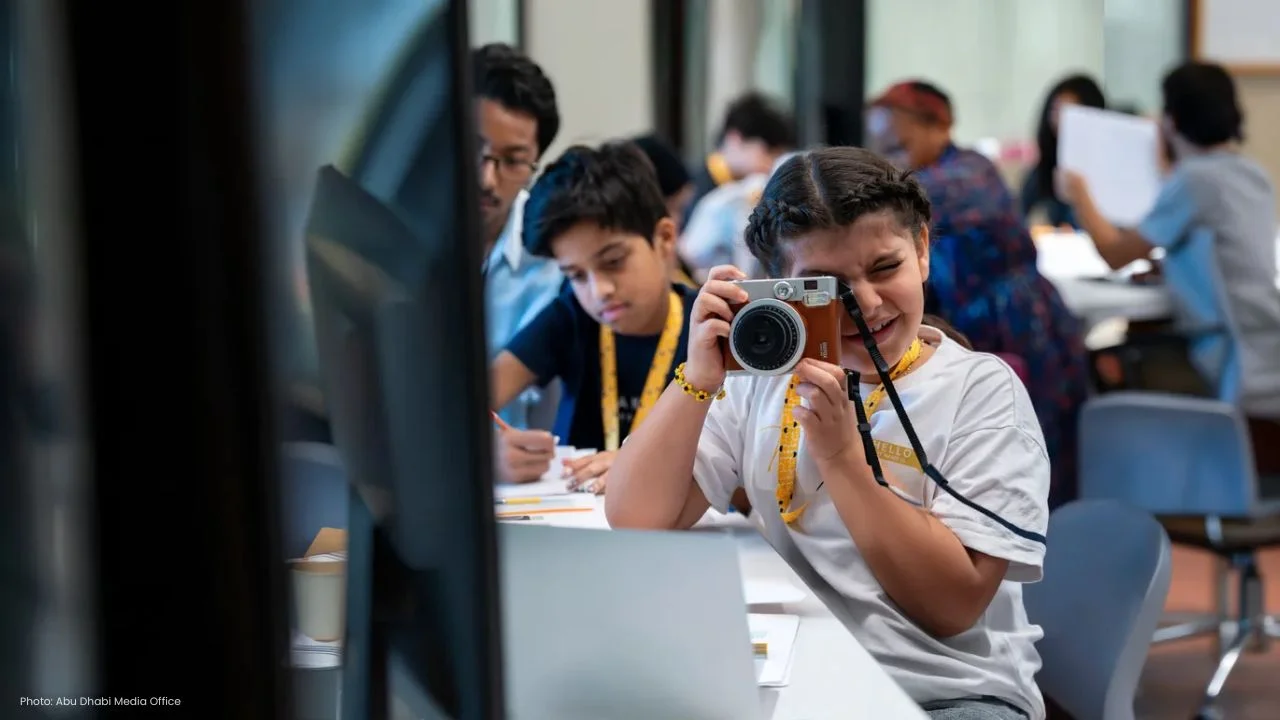
Creative Lab Hosts Spring Media Workshops for Youth
Creative Lab hosted spring workshops in Abu Dhabi, training young students in storytelling, scriptwr

China’s Strategy in Asia 2026: Threat or Opportunity for Global Trade?
Explore China’s new strategy in Asia, its impact on global trade, Belt and Road Initiative, economic


Bank of Baroda Faces Abu Dhabi Legal Battle over NMC Collapse
Bank of Baroda’s involvement in Abu Dhabi litigation tied to the NMC Healthcare collapse raises repu
Top Museum Openings of 2026 Set to Transform Global Tourism
From Los Angeles to Abu Dhabi and Brussels, 2026 brings major museum launches—Lucas Museum, Guggenhe

UAE Tour Highlights UAE’s Strength in Hosting Global Sports Events
Abu Dhabi Sports Council says the successful UAE Tour reflects the UAE’s leading role in hosting maj

EU Seeks Clarity from US After Supreme Court IEEPA Ruling
European Commission urges full transparency from the US on steps after Supreme Court ruling, emphasi

SpaceX Launches 53 New Satellites for Expanding Starlink Network
SpaceX launches 53 Starlink satellites in two Falcon 9 missions, breaking reuse records and expandin

RTA Awards Contract for Phase II of Hessa Street Upgrade in Dubai
Phase II of Hessa Street Development to add bridges, tunnel, and upgraded intersections, doubling ca

UAE Gold Prices Today, Monday 16 February 2026: Dubai & Abu Dhabi Updated Rates
Gold prices in UAE on 16 Feb 2026 updated: 24K around AED 599.75/gm, 22K AED 555.25/gm, and 18K AED

Over 25 Ahmedabad Schools Receive Bomb Threat Email, Authorities Investigate
More than 25 schools in Ahmedabad evacuated after bomb threat emails mentioning Khalistan. Authoriti