Post by : Anis Karim
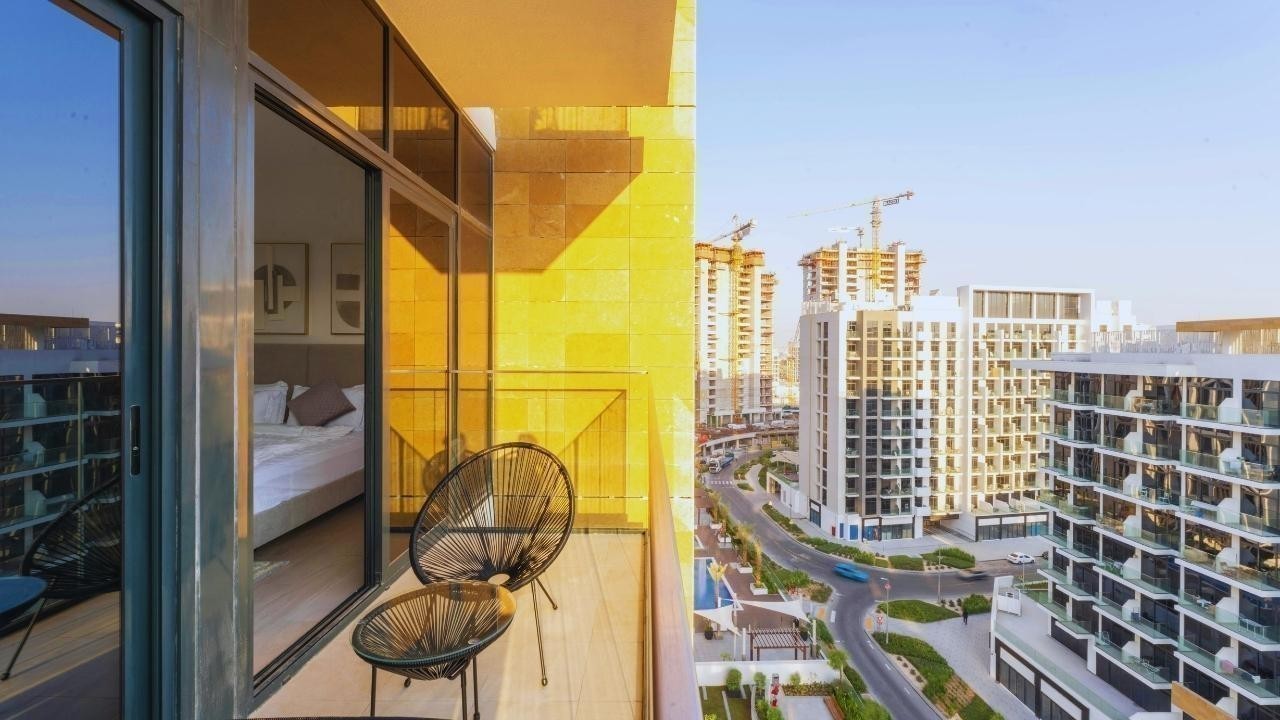
Dubai’s skyline has long been the global symbol of ambition, innovation, and luxury. From the towering Burj Khalifa to the Palm Jumeirah’s man-made islands, the emirate has never shied away from bold architectural experiments. Yet today, a new narrative is reshaping the city’s real estate sector—one that places sustainability and eco-conscious living at the forefront of development.
What once was a market dominated purely by grandeur and opulence is now being redefined as eco-luxury. Developers, investors, and residents alike are embracing a future where smart technologies, green infrastructure, and environmentally responsible designs merge with the city’s signature luxury lifestyle. This isn’t just about greenwashing—it’s about aligning Dubai’s real estate growth with global sustainability goals while meeting the expectations of a new generation of eco-conscious buyers.
Climate change has moved from being a distant conversation to an urgent reality. Rising global temperatures, energy consumption, and environmental degradation demand immediate solutions. For Dubai, a city built in the desert and heavily reliant on air conditioning, water desalination, and imported goods, the sustainability challenge is magnified.
In response, the government has launched ambitious initiatives like the UAE Net Zero by 2050 plan, the Dubai Clean Energy Strategy 2050, and green building regulations. These policies are designed to push developers to integrate renewable energy, efficient water systems, and eco-friendly materials into their projects.
The demand side is just as important. Modern buyers—particularly millennials and international investors—are actively seeking properties that not only look spectacular but also reduce their environmental footprint. Eco-consciousness has become a lifestyle statement, and Dubai is racing ahead to meet that demand.
Eco-luxury living is a concept where environmental responsibility doesn’t mean sacrificing comfort or opulence. Instead, it merges sustainability with high-end amenities to create homes and communities that are both indulgent and responsible.
Dubai’s eco-luxury properties often feature:
Solar energy systems powering homes and reducing reliance on traditional grids.
Smart home technology that monitors energy and water usage in real time.
Vertical gardens and green roofs improving insulation and air quality.
Sustainable building materials such as recycled steel, bamboo, or locally sourced stone.
Water recycling systems reducing wastage in a city where every drop counts.
These features not only reduce environmental impact but also provide long-term financial savings for homeowners. Energy-efficient homes lower utility bills, and sustainable designs often improve property value by appealing to global eco-conscious buyers.
Several landmark projects highlight Dubai’s shift toward sustainable real estate:
The Sustainable City: Located near Arabian Ranches, this development is a flagship eco-community. It runs largely on solar power, uses electric buggies for transport, recycles water for landscaping, and offers green spaces integrated into its design.
Dubai Hills Estate and Tilal Al Ghaf: While not purely “sustainable cities,” these communities incorporate eco-friendly features like solar integration, sustainable landscaping, and water-saving infrastructure.
Masdar-inspired Projects: Borrowing from Abu Dhabi’s Masdar City model, Dubai developers are designing smaller-scale carbon-neutral buildings and energy-efficient towers that align with global best practices.
Eco-Hotels and Resorts: From desert retreats built with natural materials to luxury resorts powered by renewable energy, hospitality projects are also embracing eco-luxury to meet tourist expectations.
Technology is at the heart of Dubai’s eco-luxury shift. Artificial intelligence and Internet of Things (IoT) solutions are enabling homes to become more efficient than ever before.
Smart thermostats adjust cooling systems based on occupancy, cutting energy use in a city where air conditioning is a major environmental challenge. Automated lighting systems ensure no energy is wasted, while AI-enabled monitoring tools give residents real-time updates on their energy and water consumption.
Blockchain and digital platforms are even being used in construction supply chains, ensuring transparency in sourcing eco-friendly materials. These innovations reflect Dubai’s broader vision of becoming a smart, sustainable city.
Dubai has always been a magnet for international property investors. Now, sustainability is becoming a key selling point. Eco-friendly certifications like LEED (Leadership in Energy and Environmental Design) or WELL Building Standard add significant value to properties.
Global investors, particularly from Europe and Australia where sustainability is a major factor in purchasing decisions, are drawn to Dubai’s eco-luxury offerings. In addition, younger investors see these homes as a way to align personal values with financial decisions.
This shift isn’t just about reputation—it’s about resilience. Sustainable homes are better prepared for future regulations, more attractive to tenants, and more likely to retain long-term value.
While the movement is gaining traction, challenges remain. Building sustainable homes often requires higher upfront costs, particularly for renewable energy installations and advanced smart systems. Developers must balance these costs while keeping properties competitive.
Another challenge is awareness. Many potential buyers may not fully understand the long-term benefits of eco-luxury living, seeing it as a “trend” rather than a necessity. Educational campaigns, transparent marketing, and clear cost-saving data are needed to bridge this gap.
Lastly, retrofitting older properties remains a massive task. Dubai’s skyline is filled with iconic towers built before sustainability was a priority. Transforming these buildings into eco-friendly spaces will require large-scale investment and cooperation between the public and private sectors.
Eco-luxury living is more than just green walls and solar panels—it’s about a lifestyle. Residents of sustainable communities enjoy cleaner air, better natural lighting, and more access to green spaces. These elements have a proven impact on physical and mental well-being, making eco-luxury homes desirable for families and individuals who value quality of life.
For Dubai, which positions itself as a lifestyle destination, this adds another dimension to its global appeal. Imagine a city where residents can live in luxury villas powered by renewable energy, surrounded by green corridors, and still be minutes away from world-class shopping and entertainment. That vision is quickly becoming reality.
Dubai isn’t alone in its eco-luxury journey. Cities like Singapore, Copenhagen, and Vancouver are recognized leaders in sustainable urban design. Yet Dubai stands out for its ability to integrate sustainability into a luxury-driven market.
While Copenhagen focuses on carbon neutrality and Vancouver emphasizes community-driven green living, Dubai combines sustainability with architectural boldness and opulence. This unique blend gives the emirate a competitive edge, showing that sustainability and luxury are not opposites but complementary.
The next decade will likely see Dubai accelerating its eco-luxury vision. Fully net-zero communities powered by renewable energy, zero-waste housing complexes, and green skyscrapers are already in planning stages.
Dubai’s real estate sector is expected to integrate circular economy models, where building materials are reused or recycled, and waste is minimized. Electric vehicle charging stations will become a standard feature of residential complexes, while rooftop farms and vertical agriculture could make homes partially self-sustaining.
For residents and investors, this signals that Dubai is not just keeping up with global sustainability trends but actively shaping them.
Dubai’s real estate sector has always been a global trendsetter. Today, it is proving once again that it can evolve with the times. The rise of eco-luxury living represents not only a response to climate concerns but also a smart business move—meeting the lifestyle demands of a new generation while aligning with the UAE’s long-term sustainability goals.
For residents, it means living in spaces that are healthier, greener, and smarter. For investors, it means securing assets that are future-proof. And for Dubai as a whole, it means positioning itself as a leader in sustainable innovation while maintaining its reputation as a hub of modern luxury.
Eco-luxury living is not a passing trend—it is the future of Dubai real estate. The city’s vision is clear: sustainability and luxury can, and must, coexist.
This article is for editorial and informational purposes only. It reflects current trends and developments in Dubai’s real estate sector and should not be considered as financial or investment advice. Readers are encouraged to conduct independent research or seek professional guidance before making investment decisions.
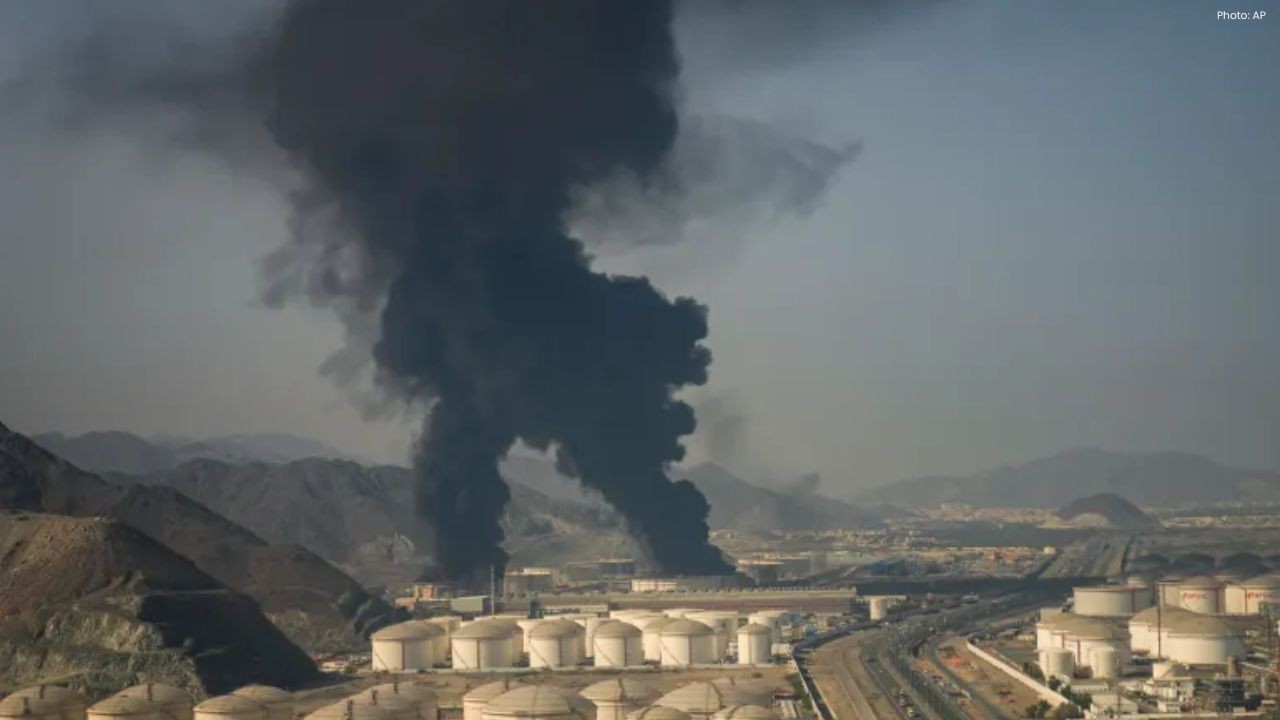
UAE Oil Zone Hit by Drone as Iran Expands Gulf Attacks
A drone attack sparked a fire at Fujairah Oil Zone, UAE. No casualties reported, but rising Iran str
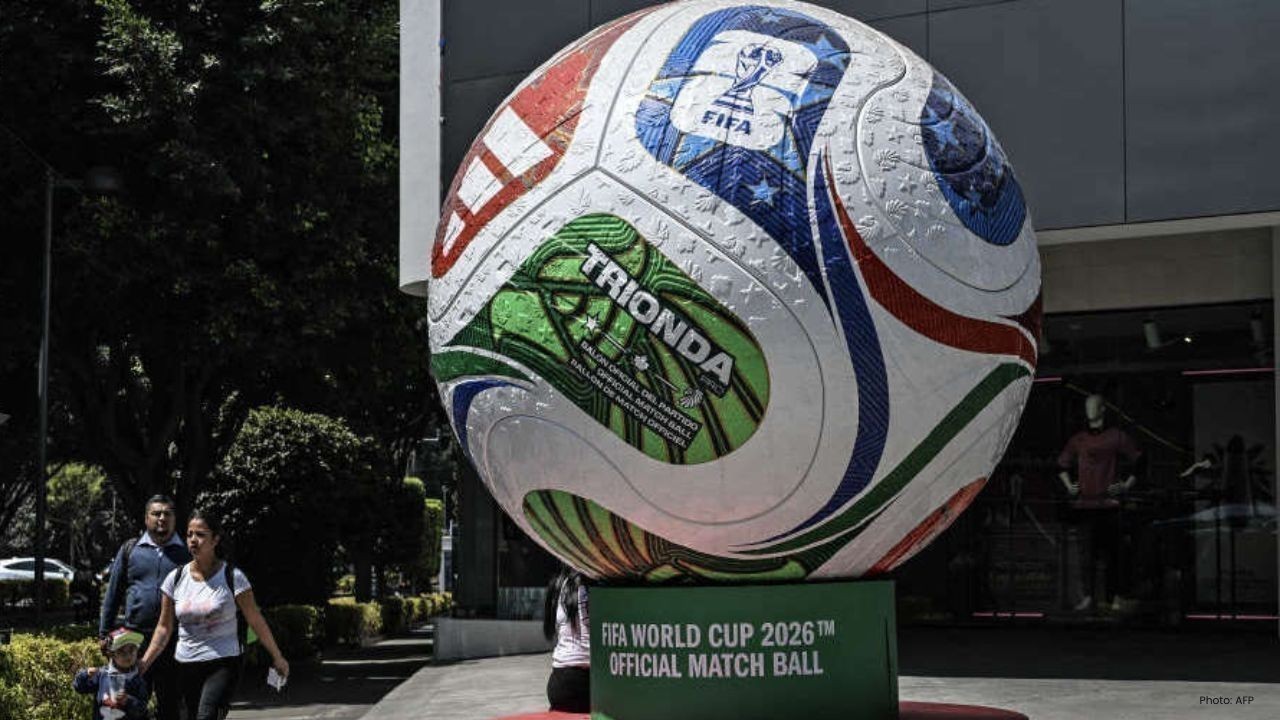
Iran in Talks to Shift World Cup Matches to Mexico
Iran is in talks with FIFA to move its World Cup matches from the US to Mexico over safety concerns

Asia Rugby Opens Dubai Office, Keeps HQ in Hong Kong
Asia Rugby confirms new Dubai operations office to boost efficiency, while retaining its legal headq

Hemen Habtegiorgis: A Journey of Strength, Motherhood, and Purpose
A powerful journey of resilience, motherhood, and purpose by Hemen Habtegiorgis from Ethiopia to imp
Google Eyes China for AI Data Center Cooling Deals
Google is exploring deals with Chinese firms like Envicool to secure liquid cooling systems, as risi
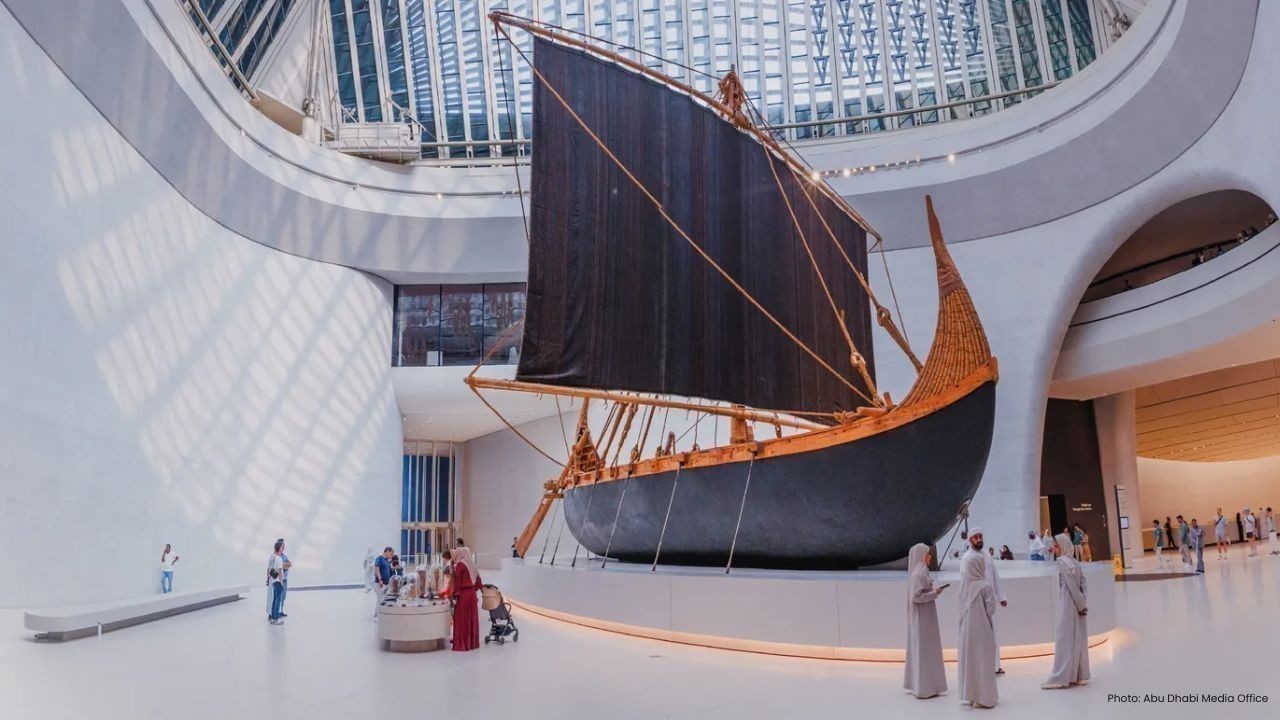
Zayed National Museum Named in TIME’s Top 2026 List
Zayed National Museum in Abu Dhabi earns a spot on TIME’s World’s Greatest Places 2026 list, highlig

KKR pacer Harshit Rana likely out of IPL 2026 season
KKR fast bowler Harshit Rana may miss IPL 2026 due to knee injury. He is recovering after surgery wi

Bank of Baroda Faces Abu Dhabi Legal Battle over NMC Collapse
Bank of Baroda’s involvement in Abu Dhabi litigation tied to the NMC Healthcare collapse raises repu

Top Museum Openings of 2026 Set to Transform Global Tourism
From Los Angeles to Abu Dhabi and Brussels, 2026 brings major museum launches—Lucas Museum, Guggenhe
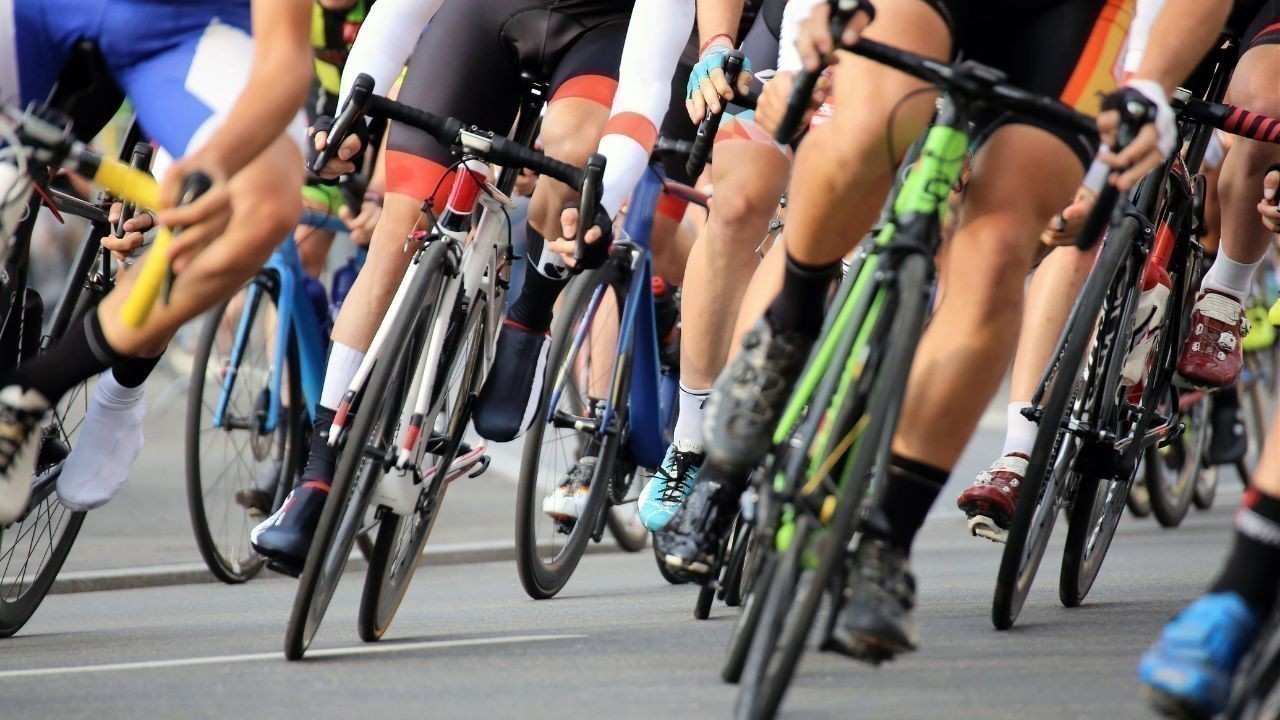
UAE Tour Highlights UAE’s Strength in Hosting Global Sports Events
Abu Dhabi Sports Council says the successful UAE Tour reflects the UAE’s leading role in hosting maj
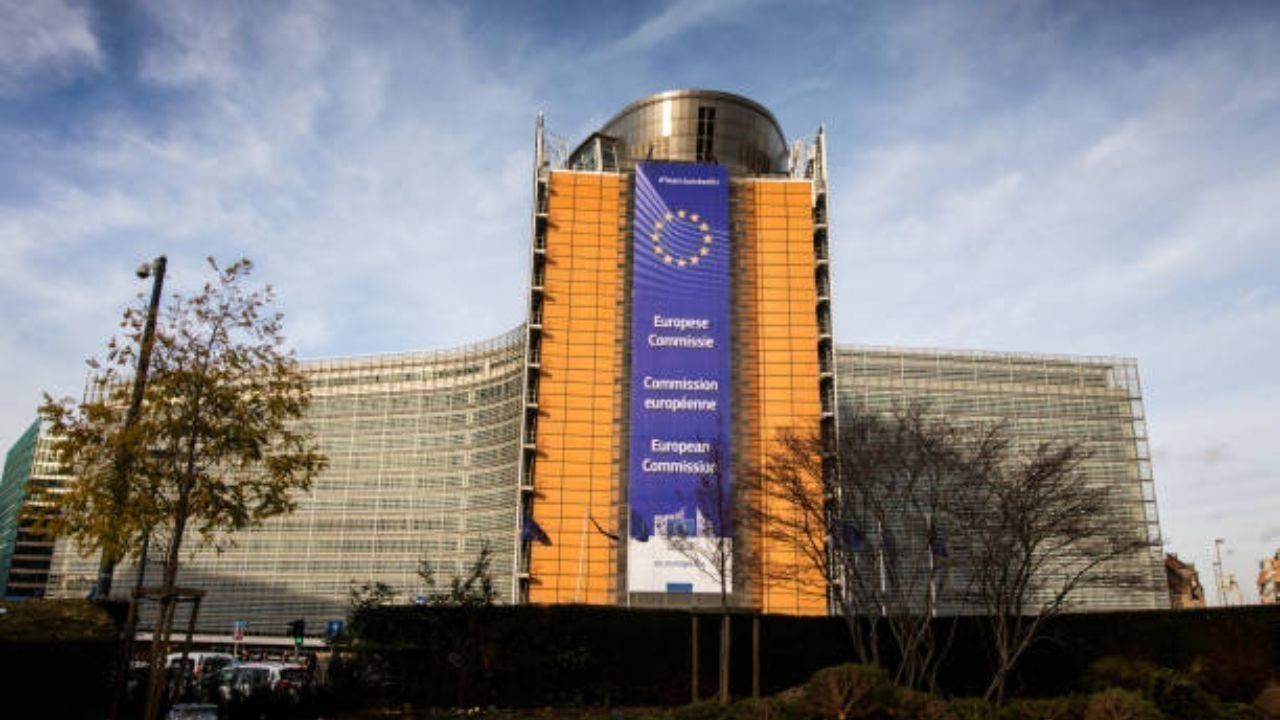
EU Seeks Clarity from US After Supreme Court IEEPA Ruling
European Commission urges full transparency from the US on steps after Supreme Court ruling, emphasi
SpaceX Launches 53 New Satellites for Expanding Starlink Network
SpaceX launches 53 Starlink satellites in two Falcon 9 missions, breaking reuse records and expandin
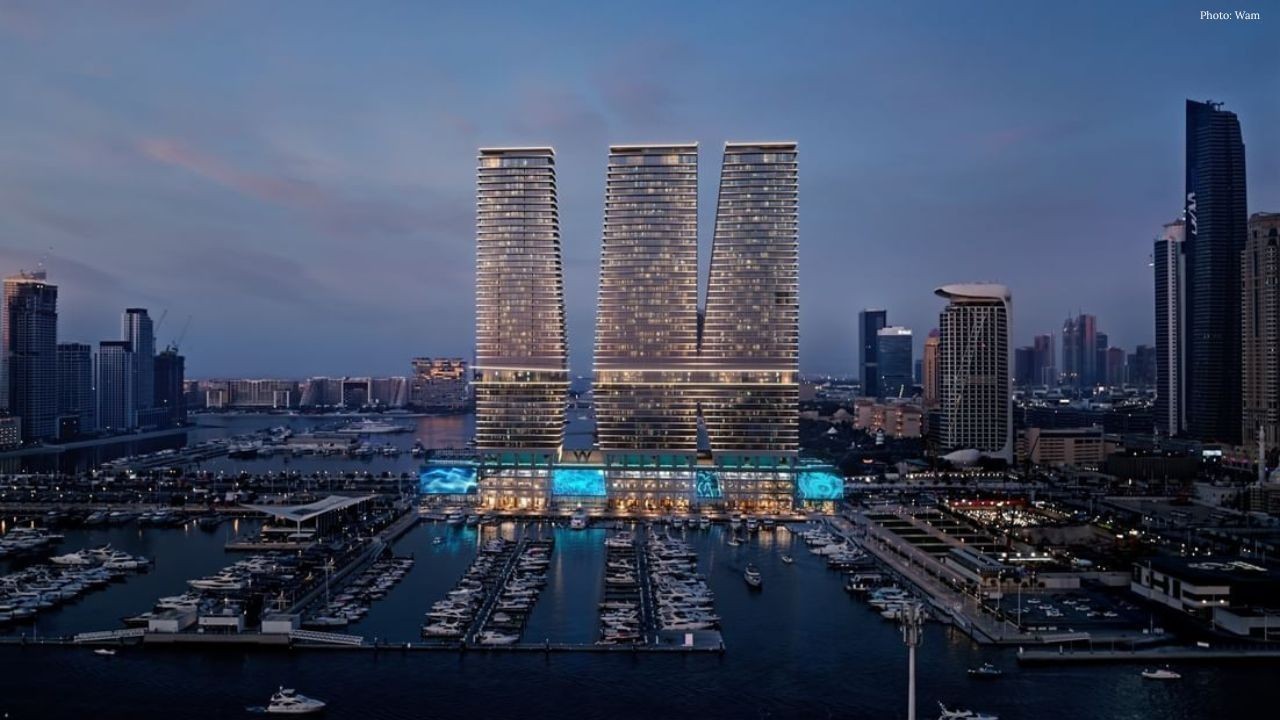
RTA Awards Contract for Phase II of Hessa Street Upgrade in Dubai
Phase II of Hessa Street Development to add bridges, tunnel, and upgraded intersections, doubling ca
UAE Gold Prices Today, Monday 16 February 2026: Dubai & Abu Dhabi Updated Rates
Gold prices in UAE on 16 Feb 2026 updated: 24K around AED 599.75/gm, 22K AED 555.25/gm, and 18K AED

Over 25 Ahmedabad Schools Receive Bomb Threat Email, Authorities Investigate
More than 25 schools in Ahmedabad evacuated after bomb threat emails mentioning Khalistan. Authoriti