Post by : Anis Karim
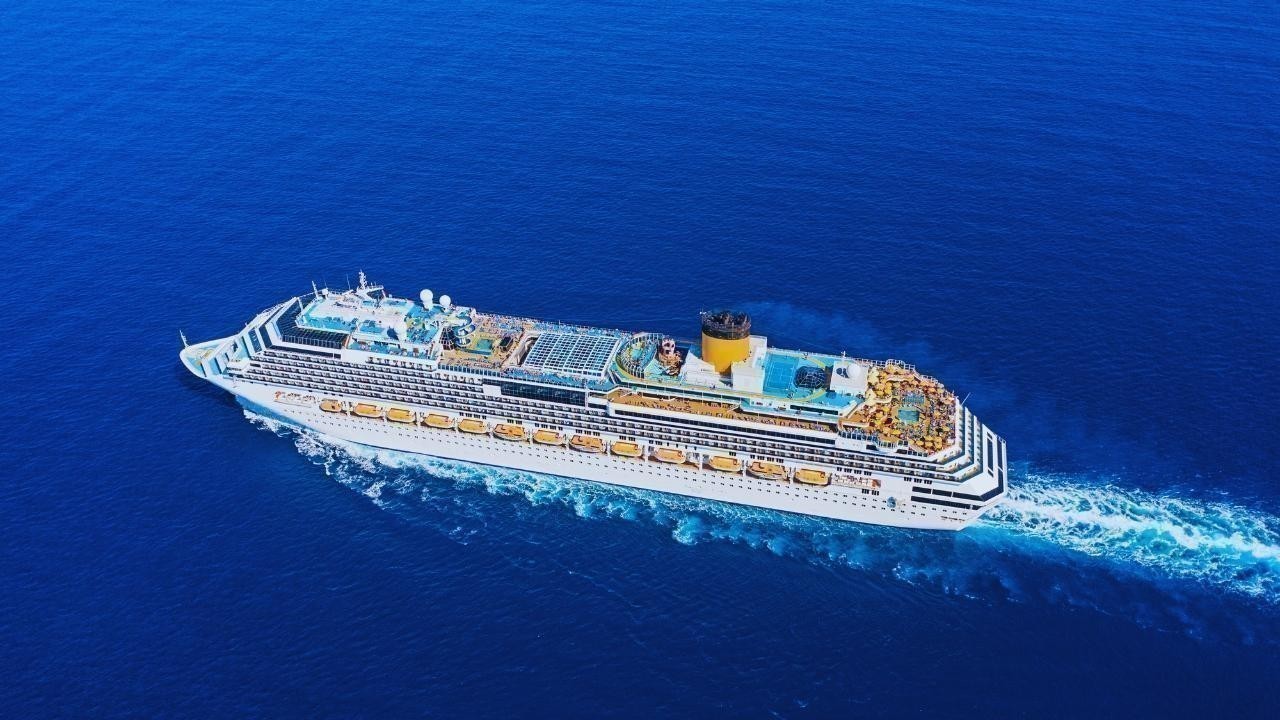
The post-pandemic traveler craves more than just a destination. They yearn for storytelling, immersion, and slow-paced indulgence. Enter the luxury train-cruise hybrid—a fusion that combines the nostalgia and exclusivity of rail travel with the floating magnificence of luxury cruises. This evolution in high-end tourism is not just about the mode of transport, but the emotion and transformation it offers. Across Europe, Asia, Africa, and now increasingly in the Middle East, luxury operators are curating packages that stretch beyond ports and platforms to deliver unforgettable multi-modal experiences.
For decades, the cruise and rail sectors remained largely siloed, each commanding its own audience. Cruises catered to ocean lovers seeking comfort, culinary splendor, and floating cities of entertainment. Trains, on the other hand, seduced travelers with vintage charm, scenic routes, and the intimacy of slow travel. The new hybrid trend merges the best of both—offering travelers a holistic journey that is immersive, exclusive, and sensorial.
In today’s world of over-tourism and digital fatigue, these hybrid routes cater to travelers desiring connection—both with nature and culture. These trips often venture through lesser-known towns and off-the-beaten-track villages, offering a peek into local lifestyles rarely visible from airports or highways.
Across continents, luxury travel operators are partnering to create seamless packages. In Japan, a curated itinerary aboard the Seven Stars Kyushu luxury train concludes with a coastal cruise along the Seto Inland Sea. Travelers start with traditional Kaiseki cuisine and tatami-suite rail cabins, followed by serene ocean mornings and island explorations by yacht.
In Europe, Belmond has led the charge with experiences like combining the Venice Simplon-Orient-Express with river cruises on the Belmond Afloat in France series. Imagine sipping vintage Bordeaux on a canal in Burgundy after enjoying caviar and champagne aboard a 1920s art deco railcar—this is where fantasy meets logistics.
Egypt is now joining the bandwagon. An itinerary may begin in Cairo with a train ride through the desert aboard a five-star rail coach, arriving in Aswan to board a luxury Nile cruise, blending ancient history with modern comfort in a distinctly Egyptian way.
This rising trend caters to an evolved demographic of travelers. No longer is luxury measured by gold-plated décor or Michelin stars alone. Today, it is defined by exclusivity, meaningfulness, and the slow unraveling of a place’s soul.
These hybrid routes provide flexibility, allowing travelers to dip into multiple environments—mountainous interiors via train, coastal serenity via sea. They also offer something airlines cannot—an unbroken, panoramic narrative of the landscape.
Additionally, the demographic embracing this model has shifted. It's not just affluent retirees but also millennials and Gen Z professionals who are investing in such travel. These younger luxury travelers prioritize experience over extravagance. For them, being able to document a gourmet lunch on a train followed by a sunset on the deck of a cruise ship isn’t just luxury—it’s lifestyle.
One unexpected consequence of this hybrid trend is its alignment with sustainability. Trains and river cruises tend to have a lower carbon footprint compared to air travel and large ocean liners. By focusing on regional connectivity and slower movement, these trips promote more responsible tourism.
Moreover, many operators are now focused on community-based experiences—partnering with local guides, artisans, and chefs. In Patagonia, a combined train-cruise adventure involves stops at local indigenous settlements. In India, luxury rail-cruise routes between Mumbai and Goa introduce guests to coastal communities and age-old Konkan traditions.
The concept of “soft tourism”—less invasive, more local-focused, slower-paced—is becoming a crucial part of how high-end travel is being redefined.
The success of this model lies in its logistical fluidity. Back-end travel tech companies are investing heavily in integrations between cruise ports, rail timetables, and even boutique hotels for overnight stopovers.
Digital check-ins, real-time luggage tracking across transport modes, and curated mobile apps offering AR-powered cultural guides have made this hybrid model more feasible than ever. Travelers no longer face the friction of multiple bookings, delays, or misplaced baggage. Everything is streamlined into a single, luxury itinerary.
AI-based concierge services onboard both trains and cruises also ensure personalization. Dietary needs, sleep preferences, entertainment choices, and excursion schedules are tailored with precision—making every leg of the journey feel cohesive and intentional.
Hybrid journeys often emphasize cultural immersion. These aren't just rides—they're stories. Guests may attend exclusive classical concerts in abandoned train stations or enjoy candle-lit dinners in vineyard towns not accessible by road.
For example, in Turkey, some itineraries involve private Ottoman history lectures onboard a train passing through Anatolia, before docking for a cruise that visits Greek islands. These experiences combine geopolitics, gastronomy, and history into a curated masterclass on regional identity.
In the Balkans, an itinerary beginning with a train through Croatia and Serbia ends with a cruise down the Danube, touching post-Soviet towns and culminating in the heart of Eastern Europe. This is not just sightseeing; it is a form of participatory anthropology.
Luxury travel providers are now entering a phase where partnerships are more important than infrastructure. A rail operator in France teaming up with a cruise brand in Portugal to offer pan-European escapades is more effective than simply investing in newer cabins.
Agencies are also using this trend to build brand loyalty. Travelers who enjoy one such curated journey are likely to return to the same operator for different combinations—Tokyo to Kyoto by train, then to Okinawa by ship, for instance.
Destination marketing organizations (DMOs) are taking note. Instead of promoting cities in isolation, they are showcasing multi-route travel possibilities, supported by this train-cruise hybrid appeal.
While current models combine train and cruise, the future might witness tri-modal combinations—train, cruise, and hot-air balloon, or even luxury road caravans. As virtual reality and augmented experiences become more sophisticated, some journeys may include storytelling via immersive tech on moving vehicles.
With growing investment in travel-tech infrastructure, we could soon witness blockchain-based bookings that auto-adjust based on weather or crowd density, ensuring that each hybrid trip remains frictionless and adaptive.
Middle Eastern countries like UAE and Saudi Arabia—already investing in luxury rail and yacht tourism—are positioned to capitalize on this global trend, offering Gulf-specific hybrid journeys that blend desert, sea, and city.
The information provided in this article is for general informational and editorial purposes only. While every effort has been made to ensure accuracy, readers are encouraged to verify facts independently where applicable. The views expressed do not necessarily reflect those of DXB News Network or its affiliates.

Northern California Shaken by Early Morning 4.6 Earthquake
A 4.6 magnitude earthquake struck near Boulder Creek, CA, early Thursday, shaking homes across a 100
Hillhouse Opens Abu Dhabi Office, Strengthens UAE Presence
Hillhouse Investment opens ADGM office with Category 3C license, boosting UAE and GCC investment act
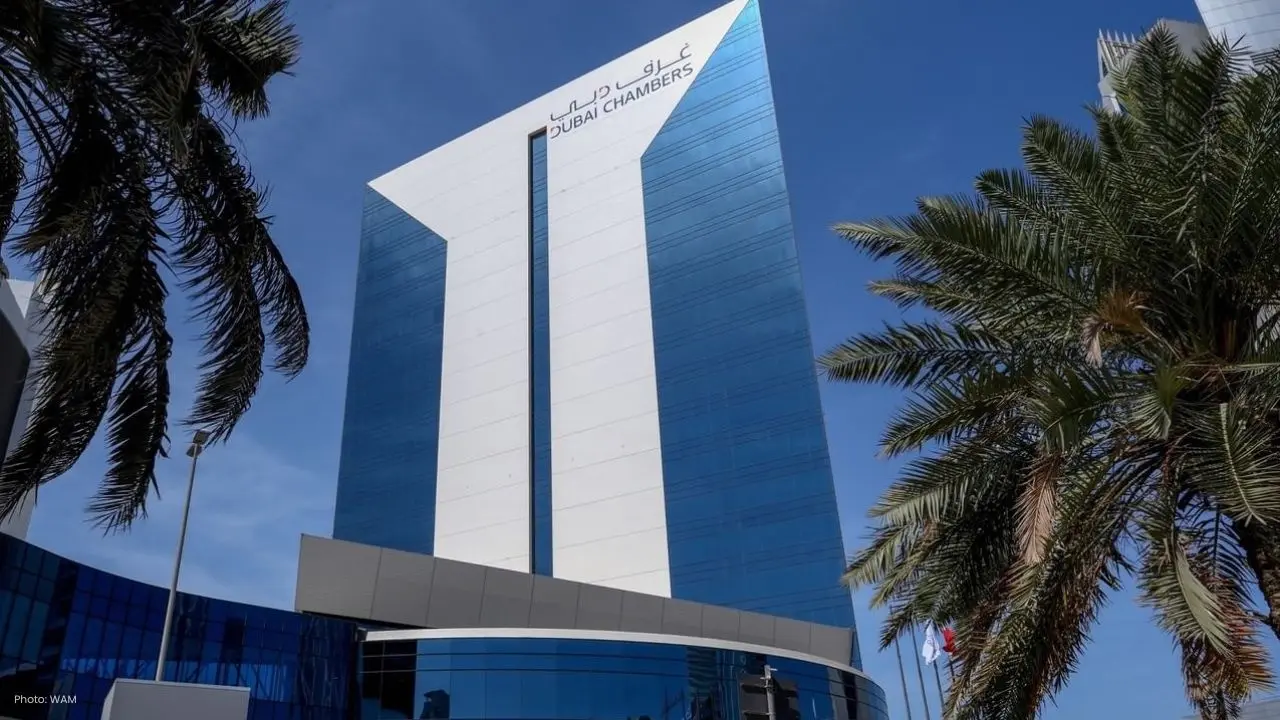
Dubai, China Strengthen Trade & Investment Cooperation
Dubai Chambers meets CCPIT Beijing to enhance trade, investment, and cooperation in digital economy,

Indonesia Earthquake Today: 7.4 Magnitude Quake Triggers Tsunami Warning
A 7.4 magnitude earthquake hits Indonesia, prompting tsunami warnings and emergency evacuations. Get
Malaysia’s Economy Remains Steady Amid Global Tensions
Despite geopolitical risks, Bank Negara highlights Malaysia's strong economic fundamentals and endur
Abu Dhabi Fund Drives Global Development & UAE Export Growth
ADFD’s 2025 report highlights AED 250B financing, global projects, and UAE export support, strengthe

Abu Dhabi Jiu-Jitsu Pro Announces Barcelona International
The Abu Dhabi Jiu-Jitsu Pro hosts Barcelona Championship, featuring top international athletes, mult

NASA Launches Artemis II Crew for 10-Day Lunar Mission
NASA launches Artemis II with four astronauts for a 10-day Moon mission, marking the first crewed lu
Dubai RTA, Ministry Partner for Family First Programme
Dubai RTA and Ministry of Family partner to enhance transport, urban spaces, and services under Fami

Bank of Baroda Faces Abu Dhabi Legal Battle over NMC Collapse
Bank of Baroda’s involvement in Abu Dhabi litigation tied to the NMC Healthcare collapse raises repu

Top Museum Openings of 2026 Set to Transform Global Tourism
From Los Angeles to Abu Dhabi and Brussels, 2026 brings major museum launches—Lucas Museum, Guggenhe

UAE Tour Highlights UAE’s Strength in Hosting Global Sports Events
Abu Dhabi Sports Council says the successful UAE Tour reflects the UAE’s leading role in hosting maj
EU Seeks Clarity from US After Supreme Court IEEPA Ruling
European Commission urges full transparency from the US on steps after Supreme Court ruling, emphasi
SpaceX Launches 53 New Satellites for Expanding Starlink Network
SpaceX launches 53 Starlink satellites in two Falcon 9 missions, breaking reuse records and expandin
RTA Awards Contract for Phase II of Hessa Street Upgrade in Dubai
Phase II of Hessa Street Development to add bridges, tunnel, and upgraded intersections, doubling ca