Post by : Sam Jeet Rahman
When blockchain first made headlines over a decade ago, it was largely seen as the technology behind cryptocurrencies like Bitcoin. But as we step into 2026, the conversation has shifted. The question isn’t whether blockchain still matters—it’s how deeply it’s shaping the digital world.
From finance to logistics, and healthcare to governance, blockchain has evolved far beyond its initial purpose. Let’s take a closer look at why blockchain continues to be one of the most relevant and transformative technologies in 2026.
While cryptocurrencies remain an important application, blockchain’s reach now extends to real-world business operations. Financial institutions, for instance, are using blockchain for cross-border settlements, smart contracts, and digital identity management.
The UAE and several other countries are even exploring Central Bank Digital Currencies (CBDCs), built on blockchain infrastructure—making financial systems faster, more transparent, and cost-effective.
Supply chain disruptions during the early 2020s revealed how crucial transparency is. In 2026, blockchain-powered supply chains allow businesses to track goods in real time, verify authenticity, and reduce fraud.
From food safety to luxury goods, every step of a product’s journey can now be securely recorded on the blockchain, ensuring trust between brands and consumers.
Data privacy has been a major global concern, especially in healthcare. Blockchain’s ability to secure medical records and enable controlled sharing among patients, doctors, and insurance providers has transformed digital healthcare.
Hospitals in Dubai, Singapore, and the U.S. are already using blockchain to streamline patient data, reduce paperwork, and improve treatment accuracy through verified digital records.
Smart contracts—self-executing digital agreements—are now mainstream across industries. Businesses use them to automate transactions, ensure compliance, and remove middlemen.
In real estate, for example, property transfers and rental agreements are completed in minutes through blockchain-based smart contracts, cutting down costs and potential disputes.
Governments are no longer spectators in the blockchain movement. The UAE, Estonia, and several other nations have adopted blockchain to digitize governance, streamline voting systems, and enhance public record security.
The UAE’s Blockchain Strategy 2031 aims to make most government transactions paperless and tamper-proof—a step that’s inspiring other nations to follow suit.
The future of blockchain isn’t isolated—it’s integrated. In 2026, we’re seeing the rise of AI + Blockchain and IoT + Blockchain ecosystems.
AI ensures intelligent decision-making.
IoT connects devices.
Blockchain secures the entire network.
This combination enables autonomous vehicles, smart cities, and real-time logistics tracking—systems that rely on both intelligence and trust.
Despite its growth, blockchain still faces challenges: scalability, energy use, and regulatory uncertainty. However, advancements like proof-of-stake (PoS) and layer-2 scaling solutions have made the technology more efficient and eco-friendly.
Governments and international bodies are also working on clearer regulatory frameworks to balance innovation with accountability.
In 2026, blockchain isn’t just relevant—it’s essential. What began as a financial experiment has evolved into a foundation for digital trust.
Whether you’re a business owner, developer, or investor, blockchain continues to offer powerful opportunities. The key lies in understanding its practical applications beyond crypto and embracing it as part of a broader digital transformation strategy.

IBPC Dubai AGM Strengthens India-UAE Economic Ties
IBPC Dubai AGM highlights growth, inclusivity, and upcoming conclaves, reinforcing India-UAE economi
EU Urges Protection of UNIFIL After Peacekeeper Deaths
EU nations demand protection of UNIFIL forces after deadly attacks, urging restraint and warning aga
ADNOC Distribution Approves $700M Dividend Plan 2025
ADNOC Distribution reports strong 2025 growth, approves $700M dividend, and extends payout policy to
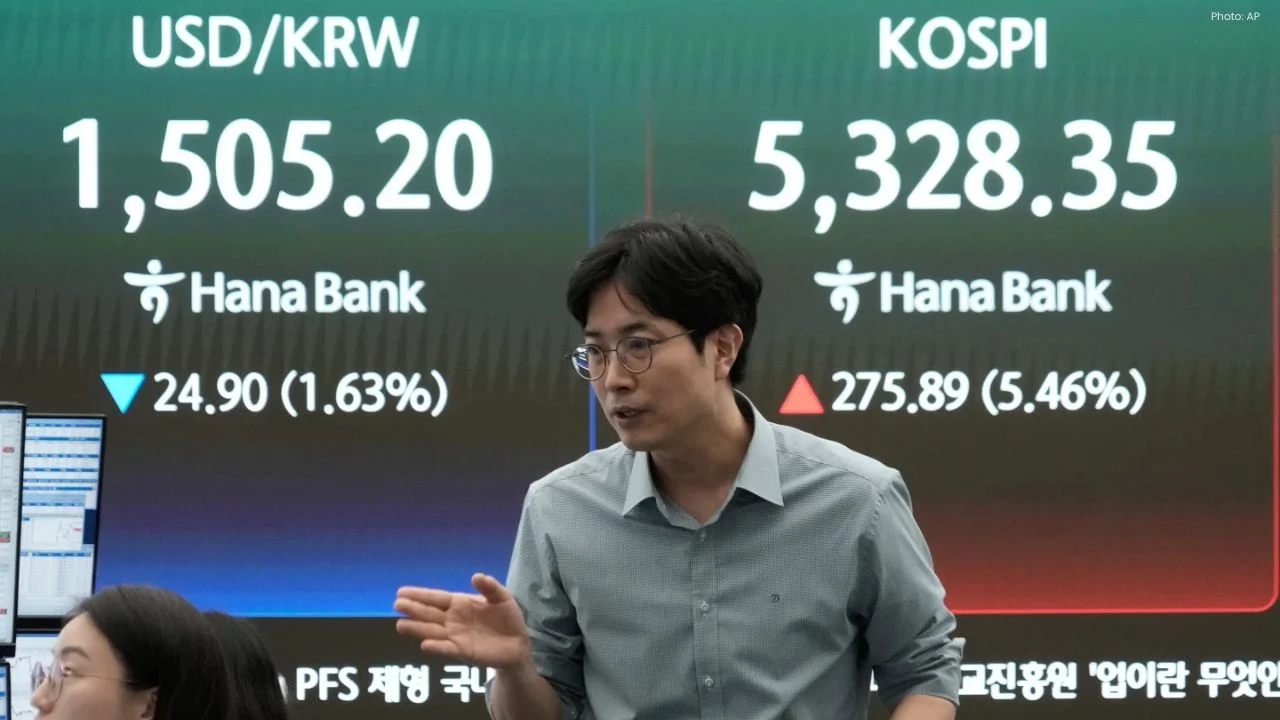
Global Markets Rally as Oil Drops Below $100 Mark
Asian markets jump sharply as oil falls below $100 amid hopes of easing Iran conflict, boosting glob
US Judge Orders Penn to Share Data in Bias Probe
A US judge ordered Penn to share employee records in an antisemitism probe, while protecting religio
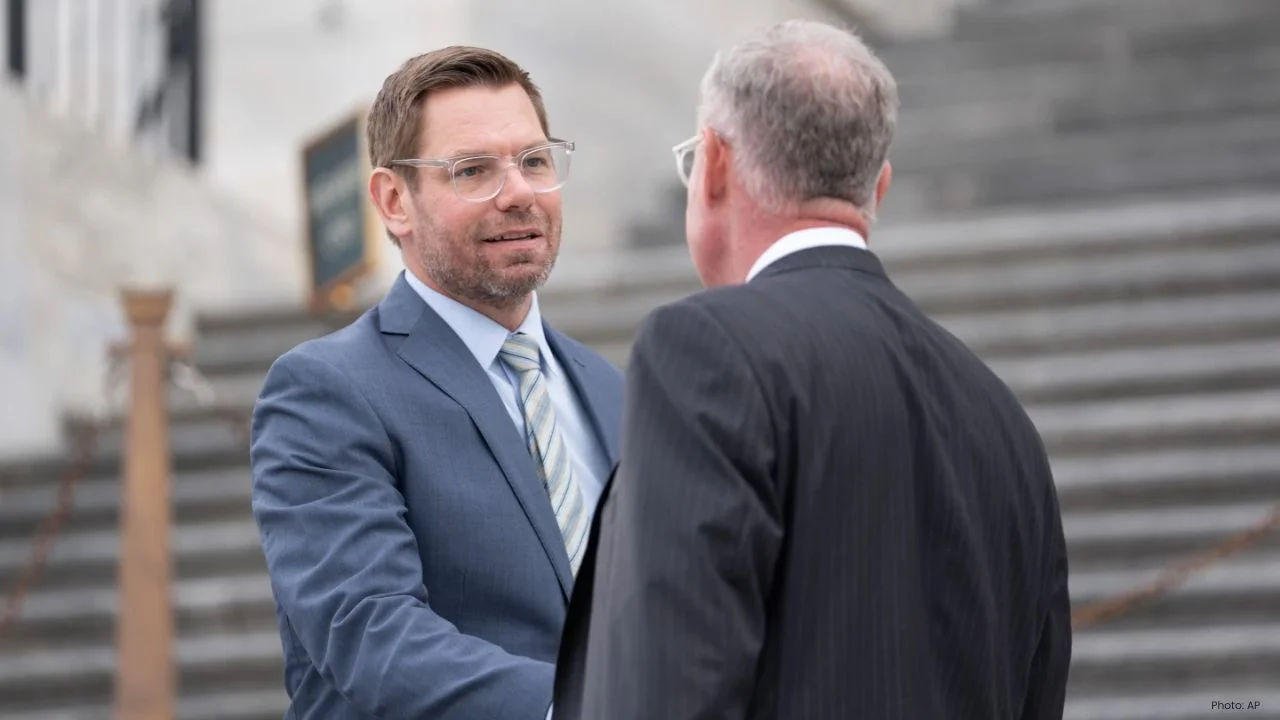
California Governor Race Turns Chaotic Before Voting
California’s governor race grows chaotic as Democrats face internal divisions, voter uncertainty, an
New York City Ends TikTok Ban For Official Use Again
New York City lifts its TikTok ban, allowing agencies to post again under strict security rules to i


Bank of Baroda Faces Abu Dhabi Legal Battle over NMC Collapse
Bank of Baroda’s involvement in Abu Dhabi litigation tied to the NMC Healthcare collapse raises repu

Top Museum Openings of 2026 Set to Transform Global Tourism
From Los Angeles to Abu Dhabi and Brussels, 2026 brings major museum launches—Lucas Museum, Guggenhe

UAE Tour Highlights UAE’s Strength in Hosting Global Sports Events
Abu Dhabi Sports Council says the successful UAE Tour reflects the UAE’s leading role in hosting maj
EU Seeks Clarity from US After Supreme Court IEEPA Ruling
European Commission urges full transparency from the US on steps after Supreme Court ruling, emphasi

SpaceX Launches 53 New Satellites for Expanding Starlink Network
SpaceX launches 53 Starlink satellites in two Falcon 9 missions, breaking reuse records and expandin

RTA Awards Contract for Phase II of Hessa Street Upgrade in Dubai
Phase II of Hessa Street Development to add bridges, tunnel, and upgraded intersections, doubling ca

UAE Gold Prices Today, Monday 16 February 2026: Dubai & Abu Dhabi Updated Rates
Gold prices in UAE on 16 Feb 2026 updated: 24K around AED 599.75/gm, 22K AED 555.25/gm, and 18K AED

Over 25 Ahmedabad Schools Receive Bomb Threat Email, Authorities Investigate
More than 25 schools in Ahmedabad evacuated after bomb threat emails mentioning Khalistan. Authoriti