
Post by : Sam Jeet Rahman
Many people reach a point where they feel stuck in their career—no growth, no excitement, and no clear direction. You may be working hard every day, yet it feels like nothing is changing.
This situation is more common than you think, especially in fast-changing job markets where skills and expectations keep evolving.
The good news is that feeling stuck is not the end—it’s often a signal that something needs to change.
The key question is:
What steps can help you move forward faster and regain control of your career?
Understanding the reason behind the feeling is the first step to solving it.
Lack of growth opportunities – Your current role may not offer learning or advancement
Skill gap – Your skills may not match what the market currently demands
Comfort zone – Staying in a familiar role can limit progress
Lack of clear goals – Without direction, progress becomes slow or unclear
Burnout or low motivation – Repetitive work can reduce interest and energy
Identifying your exact reason helps you take the right action instead of guessing.
Before making any move, you need clarity.
Ask yourself what you actually want from your career—higher income, better work-life balance, a different role, or a new industry.
Without clarity, it’s easy to move in the wrong direction or stay stuck longer.
Write down your goals and define what “progress” means for you personally.
Once your goal is clear, focus on the gap between where you are and where you want to be.
Research what skills are required in your desired role or industry.
Focus on practical, in-demand skills rather than just theoretical knowledge.
Start with one or two key skills instead of trying to learn everything at once.
One of the biggest reasons people stay stuck is waiting for the “right time.”
Start small but start immediately.
Work on projects, practice daily, or take up small freelance or side work to build experience.
Action builds confidence, while waiting increases frustration.
Your visibility matters in today’s job market.
Update your resume and highlight your skills and achievements clearly.
Show your work through projects or examples that demonstrate your ability.
Be active in professional communities or platforms where opportunities exist.
This increases your chances of being noticed by employers or clients.
Many opportunities come through connections rather than direct applications.
Connect with people in your industry or desired field.
Learn from their experiences and stay informed about opportunities.
Networking is not just about asking for jobs—it’s about building relationships.
Moving forward often requires stepping out of your comfort zone.
You may need to switch roles, industries, or even start from a lower position temporarily to grow faster later.
Taking calculated risks is often necessary for career growth.
Staying comfortable can keep you stuck for longer.
Overthinking instead of acting – Planning too much without execution
Trying to do everything at once – Lack of focus slows progress
Fear of failure – Avoiding risks limits growth
Comparing with others – Everyone’s journey is different
Ignoring skill development – Growth depends on continuous learning
Avoiding these mistakes can help you move forward more effectively.
Once you start taking consistent steps, you will notice gradual improvements.
You will gain clarity about your career direction.
Your confidence will increase as your skills improve.
New opportunities will start appearing as your visibility grows.
Progress may not be instant, but it becomes steady and meaningful.
This article is for informational purposes only. Career growth depends on individual effort, skills, and market conditions. Decisions should be made based on personal goals and professional situations.

Sahar Palmer: Unboxing Identity, Intuition, and the Courage to Begin Again
Sahar Palmer shares a powerful journey of loss, self-awareness, and transformation through writing,

Africa Feels Impact of Iran War Fuel Price Surge Crisis
Rising fuel prices linked to the Iran war are hitting African economies hard, increasing living cost

Pope Leo XIV Urges Monaco to Use Wealth for Good
Pope Leo XIV visits Monaco, urging responsible use of wealth and strong commitment to protecting lif
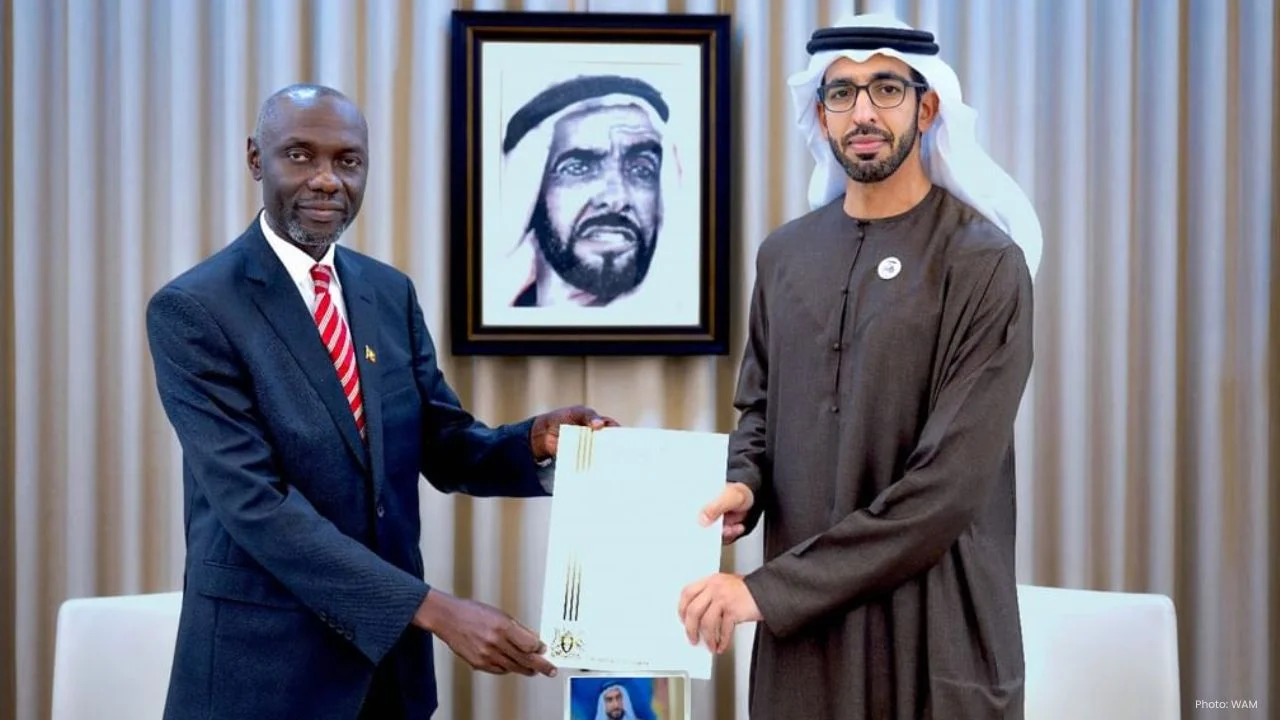
UAE, Uganda Strengthen Ties After Presidential Message
UAE and Uganda reaffirm strong ties as leaders exchange message, focusing on boosting cooperation, d
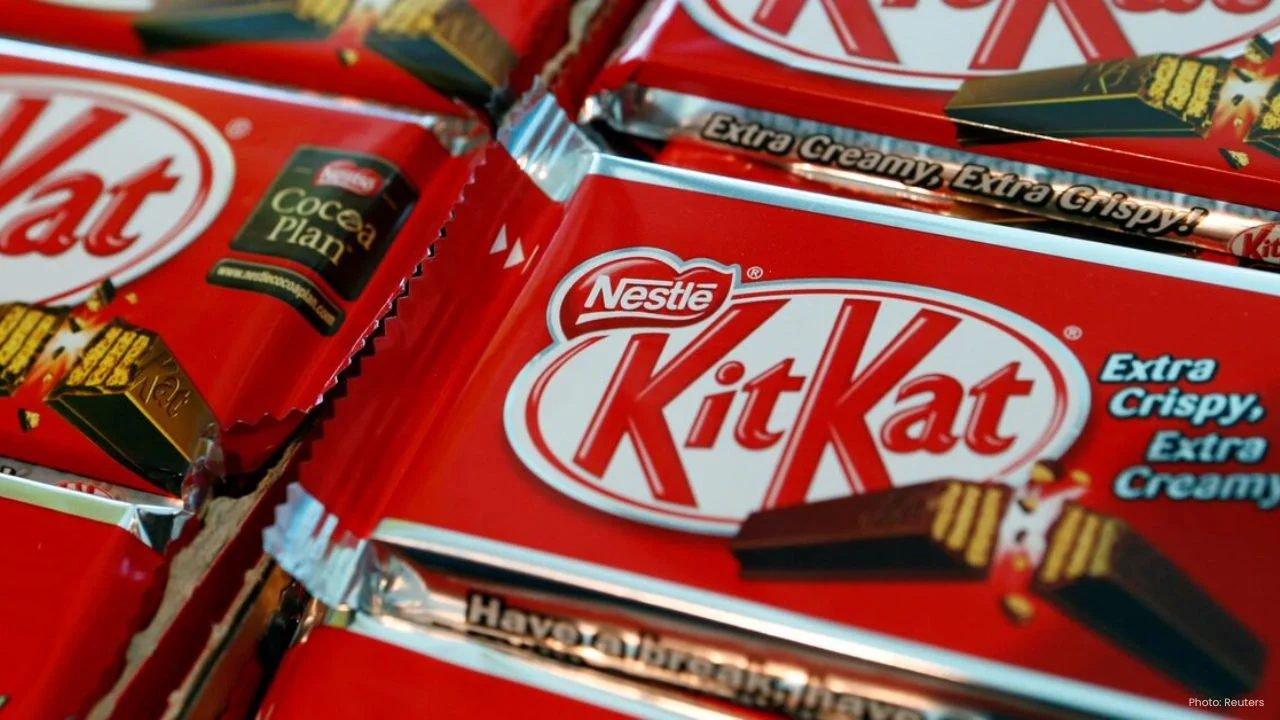
12-Tonne KitKat Shipment Stolen Ahead of Easter Rush
Nestlé confirms theft of 12 tonnes of KitKat bars in Europe, raising fears of shortages before Easte

UAE Village Races Win UN Tourism Social Impact Award
UAE’s Emirates Villages Running Races win UN Tourism award for social impact, boosting rural tourism

World Cup Play-offs: Heartbreak for Wales, Ireland
Wales and Ireland crash out on penalties, while Italy defeat Northern Ireland to advance. Dramatic p


Bank of Baroda Faces Abu Dhabi Legal Battle over NMC Collapse
Bank of Baroda’s involvement in Abu Dhabi litigation tied to the NMC Healthcare collapse raises repu

Top Museum Openings of 2026 Set to Transform Global Tourism
From Los Angeles to Abu Dhabi and Brussels, 2026 brings major museum launches—Lucas Museum, Guggenhe

UAE Tour Highlights UAE’s Strength in Hosting Global Sports Events
Abu Dhabi Sports Council says the successful UAE Tour reflects the UAE’s leading role in hosting maj

EU Seeks Clarity from US After Supreme Court IEEPA Ruling
European Commission urges full transparency from the US on steps after Supreme Court ruling, emphasi
SpaceX Launches 53 New Satellites for Expanding Starlink Network
SpaceX launches 53 Starlink satellites in two Falcon 9 missions, breaking reuse records and expandin

RTA Awards Contract for Phase II of Hessa Street Upgrade in Dubai
Phase II of Hessa Street Development to add bridges, tunnel, and upgraded intersections, doubling ca

UAE Gold Prices Today, Monday 16 February 2026: Dubai & Abu Dhabi Updated Rates
Gold prices in UAE on 16 Feb 2026 updated: 24K around AED 599.75/gm, 22K AED 555.25/gm, and 18K AED

Over 25 Ahmedabad Schools Receive Bomb Threat Email, Authorities Investigate
More than 25 schools in Ahmedabad evacuated after bomb threat emails mentioning Khalistan. Authoriti