
Post by : Zayd Kamal
McDonald's, the famous fast-food chain with its golden arches, is present in many countries. But did you know some places don’t have any McDonald's at all? Let’s dive into these unique countries where you won’t find a Big Mac or fries.
North Korea is one of the countries without any McDonald's. The country is known for its unique political system and isolated nature. Because of this, global fast-food chains like McDonald's haven’t entered North Korea. Instead, the local food scene features traditional Korean dishes like kimchi and bulgogi. North Korea's distinct culture and political environment keep it free from international fast-food giants.
In Iceland, you won’t find any McDonald's. Although the island is popular with tourists, McDonald's decided to leave Iceland in 2009. The high cost of doing business and a smaller population made it challenging for McDonald's to operate there. Icelanders enjoy local specialties like skyr and fresh seafood, making their food culture unique and different from the fast-food norm.
Iran, a country rich in history and flavor, does not have McDonald's. Known for its delicious Persian cuisine, including kebabs and saffron rice, Iran’s food culture is vibrant and diverse. Cultural and political reasons contribute to the absence of McDonald's, as the country maintains strong culinary traditions and has different business regulations compared to other regions.
Yemen is another country without McDonald's. This nation is known for its spicy dishes and rich coffee traditions. Economic difficulties and cultural preferences play a role in the lack of McDonald's. Instead, Yemenis enjoy traditional meals like mandi and salta, which are an integral part of their daily life.
Libya does not have McDonald's, largely due to ongoing political and economic instability. The country's complex situation has made it a challenging environment for international fast-food chains. Libyans enjoy a variety of local dishes, and the absence of McDonald's allows traditional food to remain central to their culinary experience.
Syria, with its current challenges, also lacks McDonald's. The ongoing conflict and instability have affected many aspects of life, including the presence of international fast-food outlets. Syrians continue to enjoy their rich culinary traditions amidst these difficult circumstances.
As one of the newest countries, South Sudan doesn’t have McDonald's yet. The focus in South Sudan is on developing its infrastructure and economy. Local food is central to daily life, with traditional dishes taking precedence over international fast-food options.
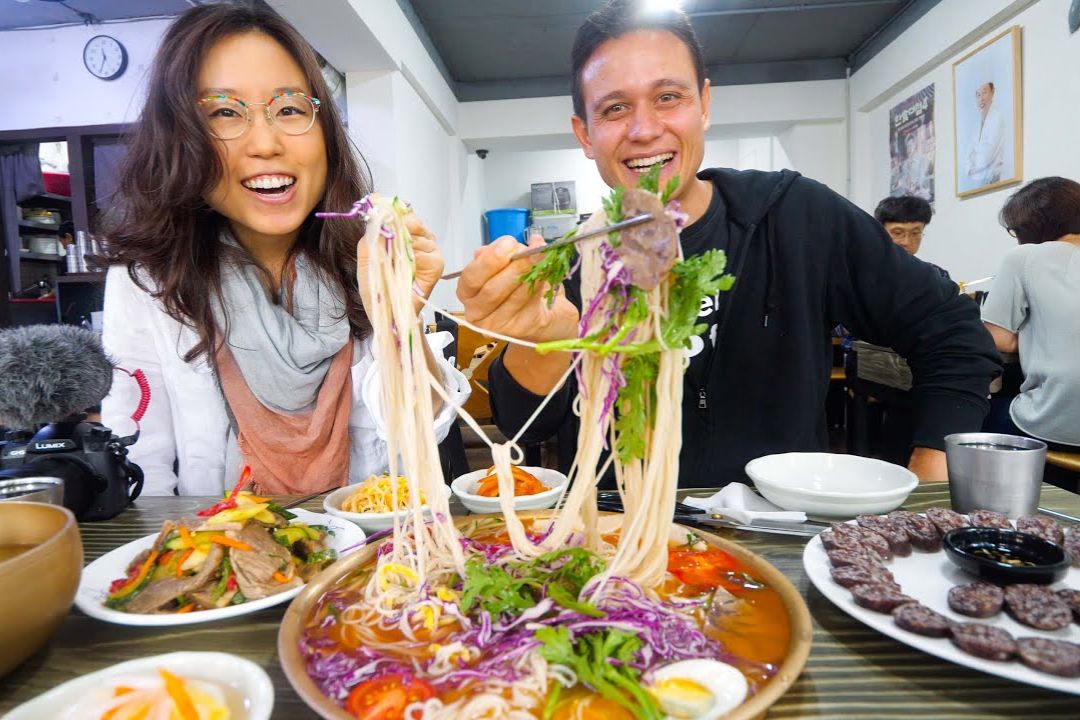
North Korean dining is all about traditional Korean flavors. Meals often include hearty dishes like kimchi (fermented vegetables), bulgogi (marinated beef), and bibimbap (mixed rice with vegetables). The focus is on fresh, local ingredients that reflect North Korea's rich culinary heritage.
Food in North Korea is deeply intertwined with culture and traditions. Meals are often prepared with great care and are enjoyed as part of social gatherings. Traditional dining customs, like eating together with family and sharing dishes, are integral to the North Korean dining experience.
Unique to North Korean cuisine are dishes like cold noodles (naengmyeon) and ryeongju (a type of rice wine). These dishes are prepared using traditional methods and are popular among locals for their distinct flavors and cultural significance.
Instead of international fast-food chains, North Korea has bustling local markets where people shop for fresh produce, meats, and other ingredients. These markets are vibrant hubs of activity where you can find everything from seasonal vegetables to traditional snacks.
Due to its isolated nature and political environment, North Korea does not have Western fast-food outlets like McDonald's. This allows local dining establishments to thrive and cater to traditional tastes, preserving the unique food culture of the country.
Eating out in North Korea can be a unique experience, often involving state-run restaurants that offer a glimpse into the country's culinary traditions. Meals are typically served in a communal style, encouraging a shared and communal dining experience.
On special occasions and holidays, North Korean families might prepare elaborate feasts that include a variety of traditional dishes. These meals are a way to celebrate important events and showcase the rich flavors of North Korean cuisine.
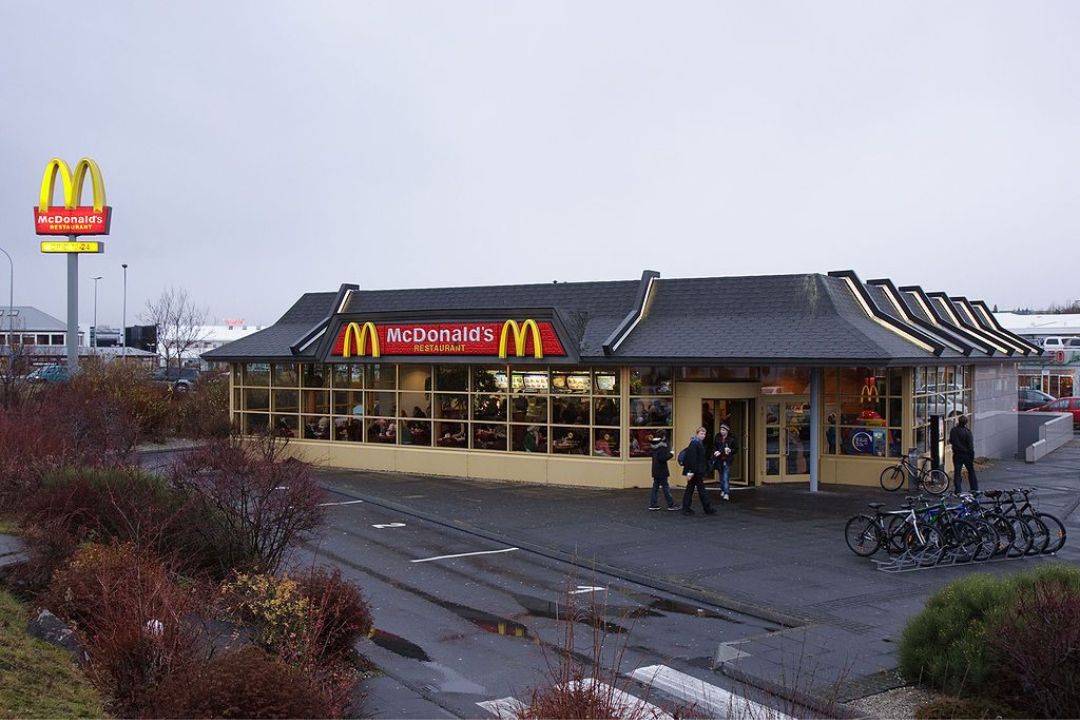
In 2009, McDonald's decided to leave Iceland, marking a notable absence in the land of volcanoes and glaciers. The high costs of operating in Iceland and a small population played a big part in this decision. McDonald's found it challenging to maintain its usual standards in such a unique location.
Without McDonald's, Iceland boasts a rich array of local foods. From fresh seafood to traditional lamb dishes, Icelandic cuisine is diverse and flavorful. You can enjoy a bowl of hearty lamb stew or taste Iceland’s famous hot dogs, which are a popular treat among locals.
Operating a McDonald's in Iceland was costly due to high import expenses and the small market size. These financial challenges made it difficult for McDonald’s to sustain its business there. The company chose to focus on more profitable markets instead.
Icelanders have a strong connection to their traditional foods. The absence of McDonald's has allowed local food businesses to thrive. Icelanders enjoy their unique culinary traditions without the influence of international fast-food chains.
Today, Iceland's dining scene features a mix of local bistros and restaurants offering a variety of dishes. You can savor freshly caught fish, try traditional Icelandic lamb, or indulge in locally-made skyr (a type of yogurt). Icelandic restaurants provide a taste of the country's unique flavors.
Despite McDonald's absence, Iceland remains a popular destination for tourists. Visitors can explore stunning landscapes, including geysers, glaciers, and hot springs, while enjoying local cuisine. The lack of McDonald’s hasn’t impacted Iceland’s appeal; in fact, it has highlighted the country’s distinctive food culture.
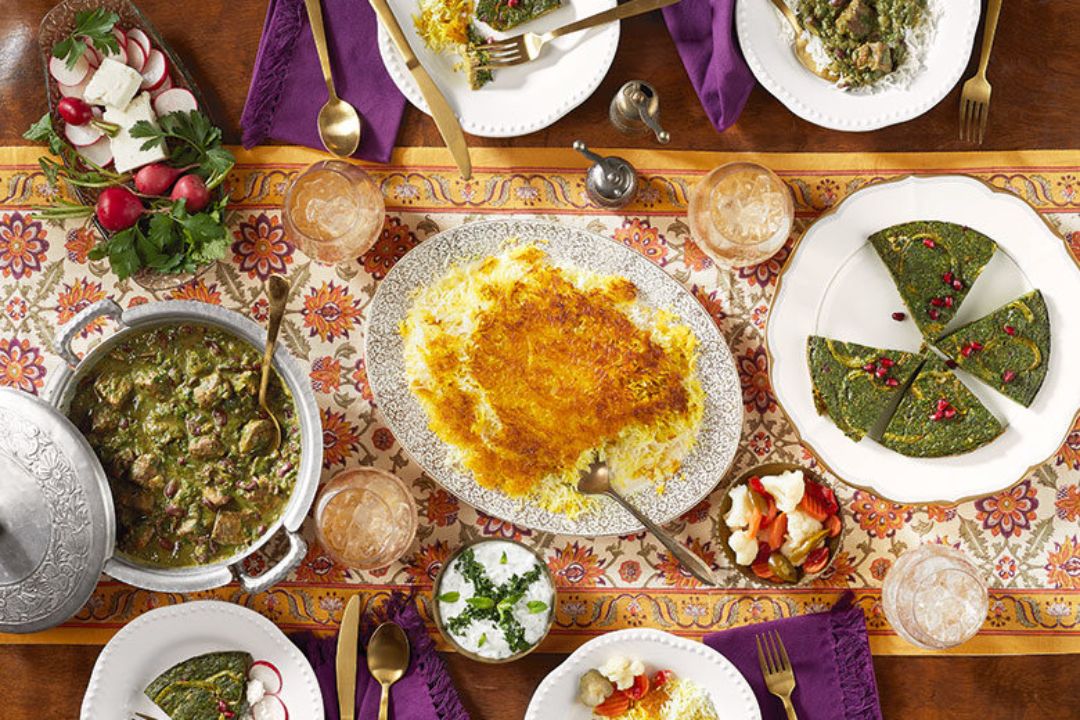
Iran is a land where culinary traditions are vibrant and diverse. Instead of McDonald's, you’ll find a rich array of local dishes that tell stories of history and culture. Iranian food features unique spices and flavors that make every meal an adventure.
Iranian cuisine includes beloved dishes like kebabs, stews, and fresh bread. Kebabs are especially popular, grilled to perfection and often enjoyed with saffron rice. Traditional stews, known as khoresht, are rich with ingredients like pomegranate and saffron, offering a delicious taste of Persian culinary arts.
Iranian meals are known for their fresh, high-quality ingredients. Herbs, fruits, and vegetables are staples in many dishes. From herb-studded rice to tender lamb stews, every meal is crafted with care and a focus on freshness.
Food in Iran is more than just sustenance; it’s a key part of the culture. Meals are often enjoyed with family and friends, reflecting the importance of togetherness and hospitality in Iranian life. Dining is a way to celebrate traditions and share joy.
Iranian street food is a delightful experience. Markets across the country offer an array of tasty treats like saffron ice cream and freshly baked pastries. Visiting these markets provides a glimpse into everyday life and the culinary diversity of Iran.
While McDonald's is absent, the food culture in Iran is anything but ordinary. Local restaurants and family-run eateries offer a warm and inviting atmosphere where you can taste authentic Iranian flavors. Enjoying a meal here means diving into a world of culinary tradition and local charm.
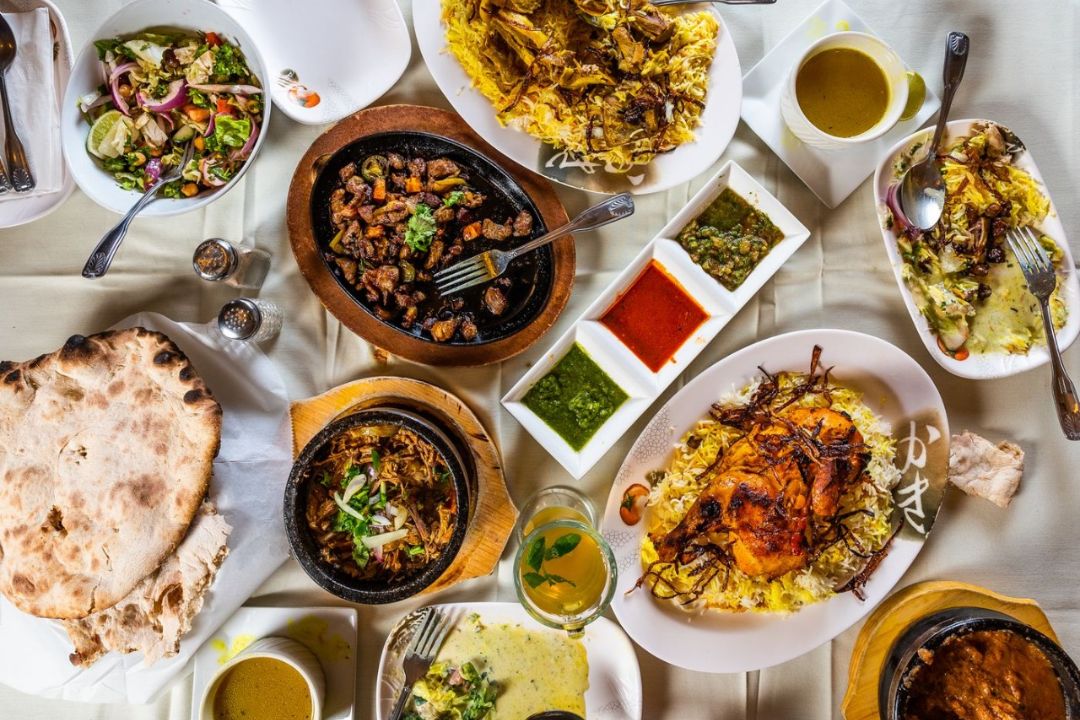
Yemeni cuisine is famous for its bold use of spices. Spicy and aromatic dishes like Mandi (a rice dish with meat) and Zurbian (a flavorful stew) highlight the region's love for spices. These spices give Yemeni food its distinctive kick, making every meal an adventure for the taste buds.
Yemeni bread, known as Lahuh and Khubz, is a staple in every meal. These breads are often served with stews and meats. Lahuh is a spongy, pancake-like bread that’s perfect for soaking up savory sauces. It’s a unique part of Yemeni cuisine that adds texture and flavor.
Yemen’s cuisine places a strong emphasis on fresh, local ingredients. Fruits, vegetables, and herbs are integral to Yemeni dishes. Ingredients like tomatoes, onions, and cilantro are used generously to create fresh, vibrant flavors in dishes.
Yemen is one of the original home countries of coffee. Yemeni coffee is often brewed in a special way that highlights its deep, rich flavors. The coffee is typically spiced with cardamom, which gives it a unique taste. Coffee lovers visiting Yemen will experience a rich, aromatic cup that reflects the country’s historical connection to coffee.
Yemeni cooking methods contribute to its distinct taste. For example, Tandoor (a traditional clay oven) is used to cook various meats and bread. This method imparts a unique flavor and texture that can’t be replicated with modern cooking techniques.
Yemen offers some unique sweet treats, such as Bint al-Sahn, a honey-soaked pastry that’s rich and indulgent. Sweet dishes are often enjoyed as part of festive occasions and special meals, adding a delicious end to any Yemeni feast.
Yemeni cuisine is a melting pot of influences from neighboring regions, including African, Indian, and Middle Eastern flavors. This blend creates a diverse and rich culinary landscape that’s both unique and familiar to those who enjoy global cuisine.
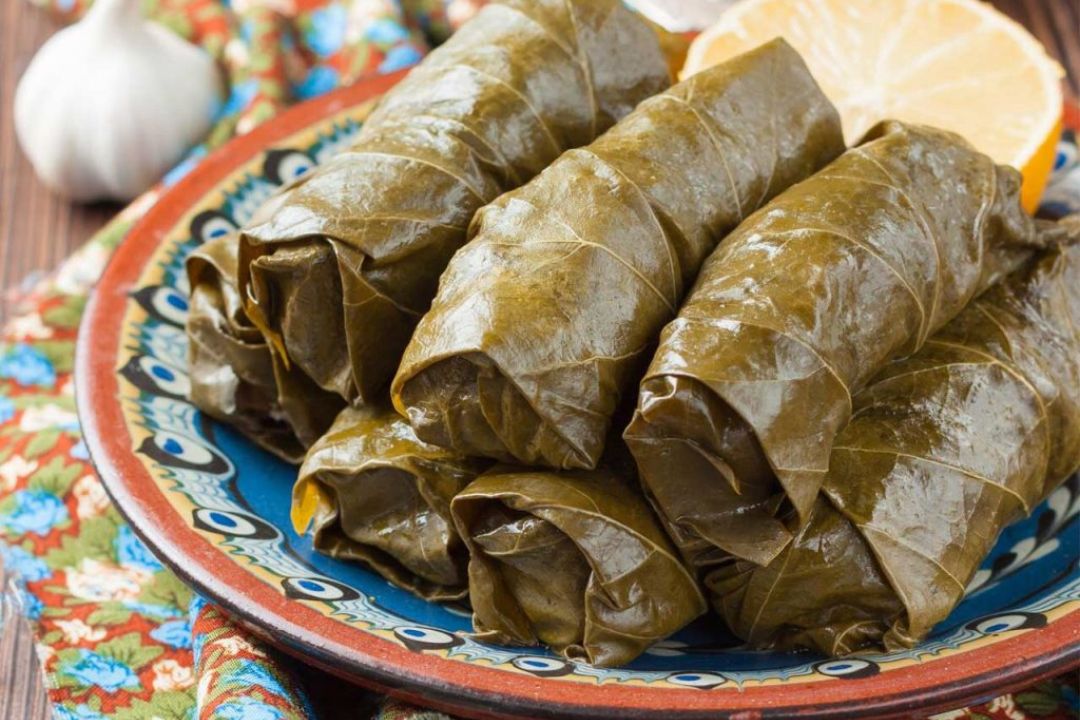
Libya’s long history and vibrant culture influence its food scene. Traditional Libyan cuisine features dishes like couscous, stews, and flatbreads, which reflect the country’s heritage. The absence of global fast-food chains like McDonald's highlights Libya’s dedication to preserving its culinary traditions.
Libya’s political and economic situation has played a significant role in shaping its fast-food landscape. Ongoing political instability and economic challenges make it difficult for international fast-food brands to establish a presence. These factors contribute to the absence of chains like McDonald's in the country.
Libyans enjoy a variety of local dishes that are deeply rooted in their culture. Traditional meals such as lamb and beef kebabs, along with aromatic spices and fresh ingredients, are popular choices. The local dining scene focuses on these traditional foods rather than global fast-food options.
The local food industry in Libya is driven by businesses that cater to the tastes and preferences of the people. Small restaurants and food vendors offer a range of traditional Libyan dishes that are well-loved by locals. This focus on local cuisine further reduces the demand for international fast-food chains.
As Libya works towards economic recovery and stability, there may be future opportunities for international brands to enter the market. However, the strong presence of local dining establishments and the cultural preference for traditional foods will continue to influence the fast-food landscape.
Syria is dealing with an ongoing conflict that has deeply impacted daily life. The conflict has made it challenging for international businesses to operate there. Companies like McDonald's find it difficult to open new locations due to the unstable environment.
The economic instability in Syria is another significant factor. The country’s economy has faced numerous challenges, making it tough for global fast-food chains to invest in new locations. This economic situation means fewer international companies are willing to set up shop in Syria.
Despite the absence of McDonald's, Syria has a rich and diverse culinary tradition. Syrian food is known for its delicious flavors and unique dishes, such as kebabs, stews, and pastries. The local cuisine plays a big role in daily life and offers a different experience compared to fast food.
The humanitarian situation in Syria also influences the presence of international businesses. The country has faced numerous challenges, including displacement and shortages of essential supplies. These issues make it difficult for international companies to operate effectively.
Syrians have strong local food preferences that are deeply rooted in their culture. The traditional Syrian dishes are a significant part of everyday life and offer a unique dining experience. This cultural richness means that local food often takes priority over fast-food options.
As the situation in Syria evolves, there might be opportunities for international businesses in the future. Recovery efforts and changes in the political landscape could eventually make it more feasible for global brands to consider entering the market.
McDonald's, known for its iconic golden arches, is surprisingly absent in several unique countries due to various factors. In North Korea, the isolated political system and stringent regulations keep global fast-food chains out, leading locals to enjoy traditional Korean cuisine like kimchi and bulgogi. Iceland saw McDonald's exit in 2009 due to high costs and a small market size, with locals embracing their own foods such as skyr and fresh seafood. Iran, rich in Persian culinary traditions like kebabs and saffron rice, maintains its local food culture due to political and cultural reasons. Yemen remains McDonald's-free, with its vibrant cuisine featuring spicy dishes and rich coffee traditions, influenced by economic and cultural factors. Libya, plagued by political instability and economic challenges, has not seen McDonald's set up shop, instead thriving on traditional dishes like couscous and stews. In Syria, ongoing conflict and economic difficulties hinder the presence of McDonald's, but the country retains a diverse culinary tradition. Finally, South Sudan, as a developing nation, focuses on local foods amid its efforts to build infrastructure and economy.
This article is provided by DXB News Network. The content aims to offer insights into the unique food landscapes of countries without McDonald's. The details reflect current conditions and cultural aspects, but circumstances may change over time. For the most up-to-date information, please refer to reliable sources and news updates.
Several countries do not have McDonald's outlets. These include North Korea, Iceland, Iran, Yemen, Libya, Syria, and South Sudan. Each country has unique reasons for the absence of this popular fast-food chain.
North Korea does not have McDonald's due to its isolated political system and ongoing conflict. The country’s strict control over foreign businesses and its unique cultural and economic conditions make it challenging for international fast-food chains to enter.
McDonald's exited Iceland in 2009. The decision was influenced by the high cost of doing business in Iceland and a relatively small population. These factors made it difficult for McDonald’s to maintain its operations profitably in the country.
In Iran, traditional dishes like kebabs, saffron rice, and stews are popular. Iranian cuisine is known for its rich flavors and use of spices. Meals often include ingredients such as pomegranate and saffron, offering a distinct taste of Persian culinary arts.
Yemeni cuisine is characterized by its use of spices and traditional dishes like mandi and salta. Yemeni food emphasizes bold flavors and fresh ingredients, which contrasts with the fast-food offerings of McDonald's.

GOP Leaders Unveil Plan to End DHS Partial Shutdown
House and Senate GOP leaders propose a two-track plan to fund DHS, aiming to end the record-long shu

Northern California Shaken by Early Morning 4.6 Earthquake
A 4.6 magnitude earthquake struck near Boulder Creek, CA, early Thursday, shaking homes across a 100

Hillhouse Opens Abu Dhabi Office, Strengthens UAE Presence
Hillhouse Investment opens ADGM office with Category 3C license, boosting UAE and GCC investment act
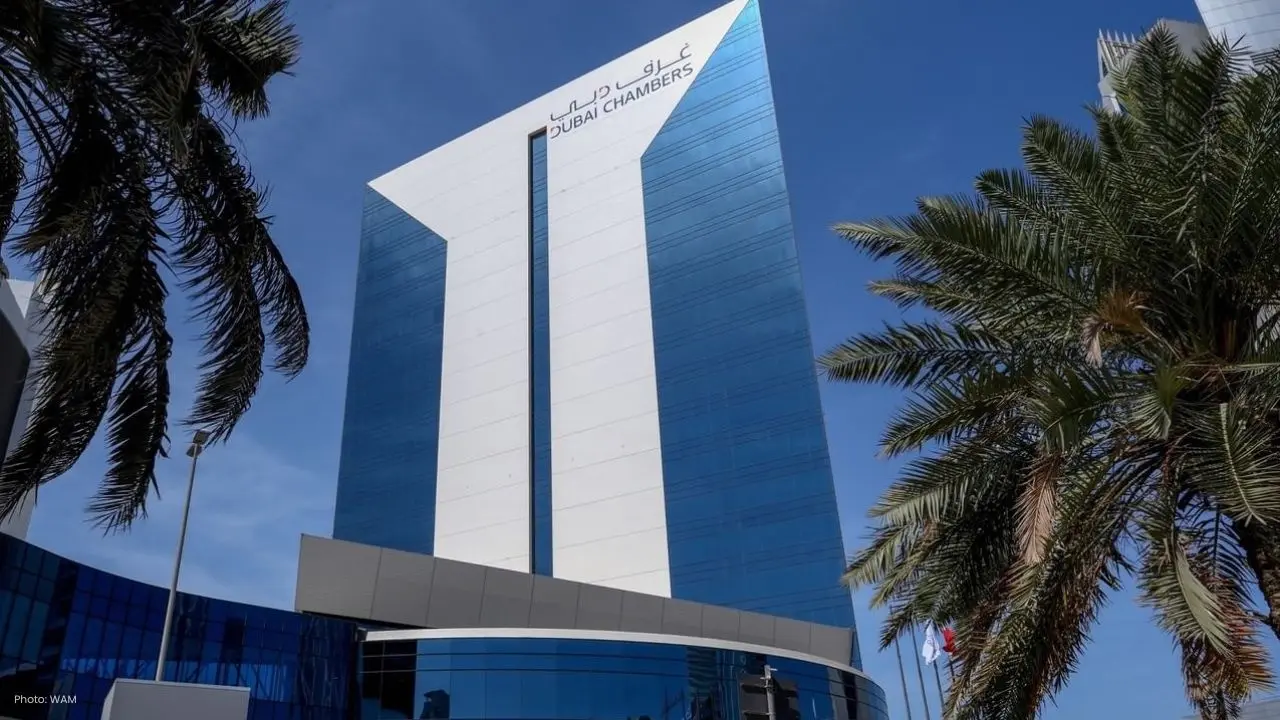
Dubai, China Strengthen Trade & Investment Cooperation
Dubai Chambers meets CCPIT Beijing to enhance trade, investment, and cooperation in digital economy,

Indonesia Earthquake Today: 7.4 Magnitude Quake Triggers Tsunami Warning
A 7.4 magnitude earthquake hits Indonesia, prompting tsunami warnings and emergency evacuations. Get
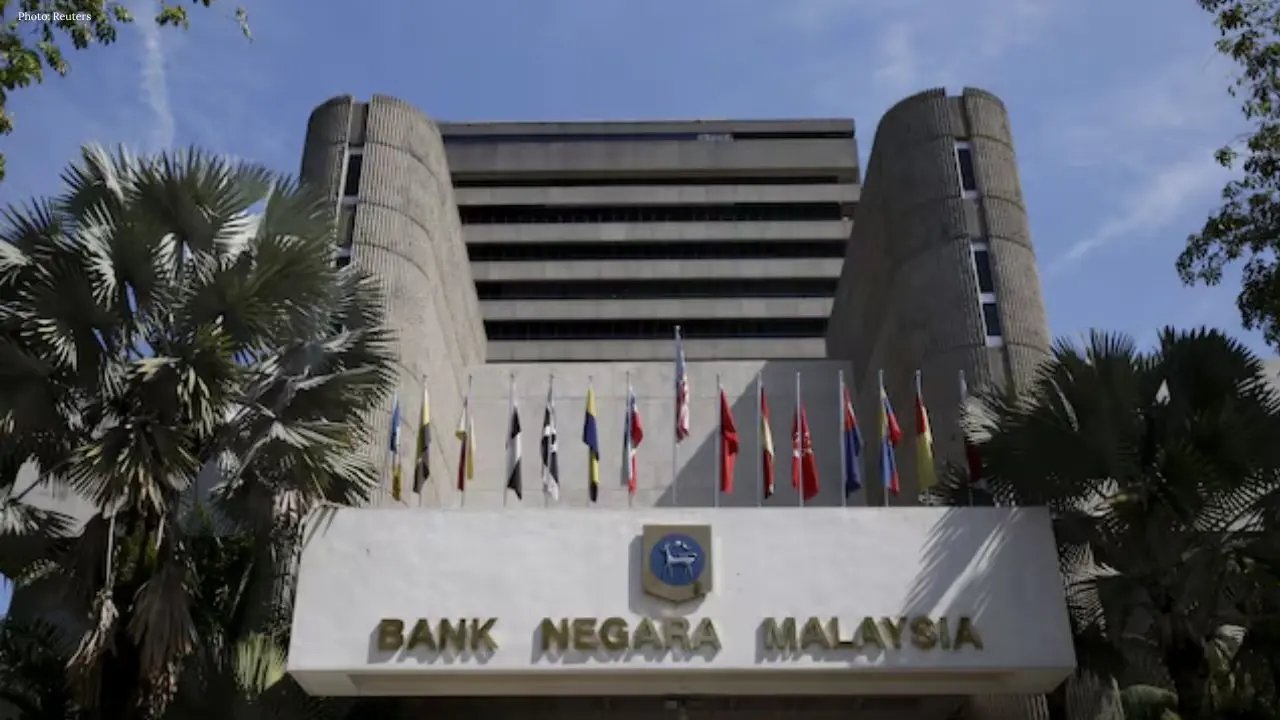
Malaysia’s Economy Remains Steady Amid Global Tensions
Despite geopolitical risks, Bank Negara highlights Malaysia's strong economic fundamentals and endur
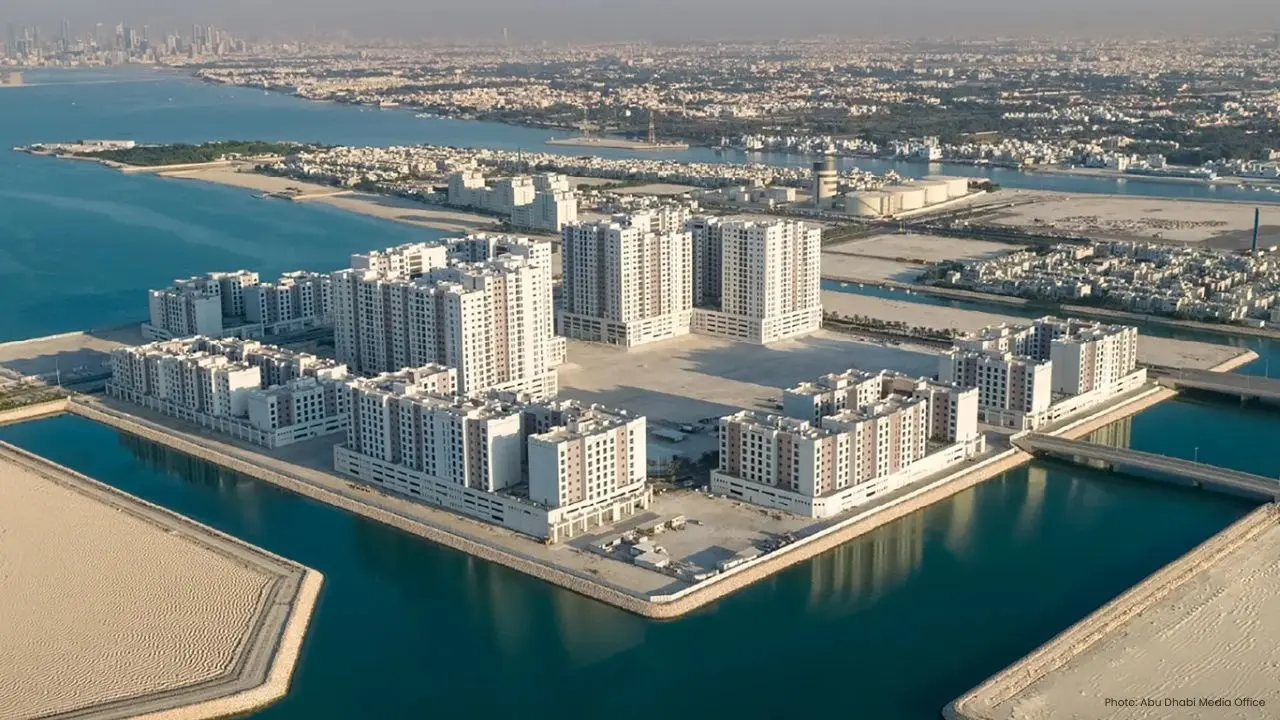
Abu Dhabi Fund Drives Global Development & UAE Export Growth
ADFD’s 2025 report highlights AED 250B financing, global projects, and UAE export support, strengthe

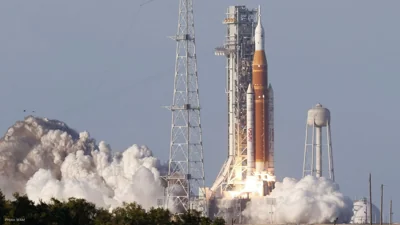
NASA Launches Artemis II Crew for 10-Day Lunar Mission
NASA launches Artemis II with four astronauts for a 10-day Moon mission, marking the first crewed lu

Dubai RTA, Ministry Partner for Family First Programme
Dubai RTA and Ministry of Family partner to enhance transport, urban spaces, and services under Fami

Bank of Baroda Faces Abu Dhabi Legal Battle over NMC Collapse
Bank of Baroda’s involvement in Abu Dhabi litigation tied to the NMC Healthcare collapse raises repu

Top Museum Openings of 2026 Set to Transform Global Tourism
From Los Angeles to Abu Dhabi and Brussels, 2026 brings major museum launches—Lucas Museum, Guggenhe

UAE Tour Highlights UAE’s Strength in Hosting Global Sports Events
Abu Dhabi Sports Council says the successful UAE Tour reflects the UAE’s leading role in hosting maj

EU Seeks Clarity from US After Supreme Court IEEPA Ruling
European Commission urges full transparency from the US on steps after Supreme Court ruling, emphasi

SpaceX Launches 53 New Satellites for Expanding Starlink Network
SpaceX launches 53 Starlink satellites in two Falcon 9 missions, breaking reuse records and expandin
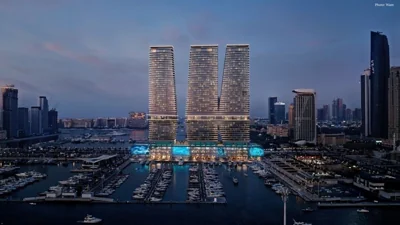
RTA Awards Contract for Phase II of Hessa Street Upgrade in Dubai
Phase II of Hessa Street Development to add bridges, tunnel, and upgraded intersections, doubling ca