Post by : Anis Karim
Imagine this: a university graduate applies for a job abroad, only to be told their academic records are missing or unverifiable. A student transfers between institutions, but their transcript arrives late or altered. A hiring manager receives a glowing CV—only to discover the certificates are fake. These scenarios aren't rare—they’re daily challenges in today’s fragmented education system. But what if every grade, degree, and learning milestone could be verified instantly, from anywhere in the world, with zero room for tampering?
Enter blockchain technology—a revolutionary tool that’s reshaping finance, logistics, and now, education. In 2025, blockchain is no longer just about Bitcoin or NFTs. It’s becoming the backbone of tamper-proof student records, digital diplomas, and seamless academic verification systems.
At its core, blockchain offers transparency, security, and immutability—features that make it an ideal candidate for managing student credentials in a time where misinformation, credential fraud, and global mobility are pressing issues. Schools, universities, employers, and governments are now actively exploring this decentralized solution to transform how education systems handle trust.
The traditional system of managing academic records is far from perfect. Most educational institutions rely on paper-based transcripts, manual processing, or centralized databases that are prone to:
Delays in verification and sharing
Human errors in data entry or reporting
Credential fraud and document forgery
Incompatibility across countries and systems
Data loss due to system crashes or disasters
This lack of standardization creates friction for both learners and institutions—especially in an era where students frequently shift between platforms, universities, countries, and employers.
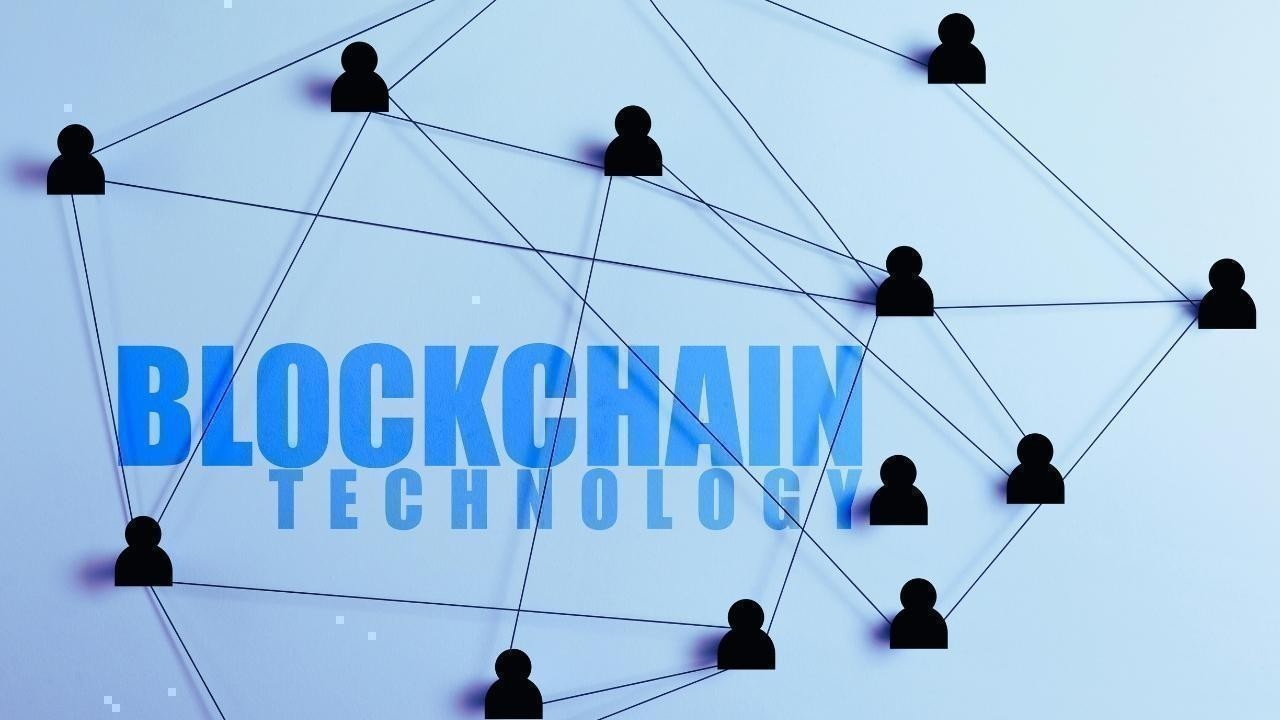
Blockchain, in simple terms, is a decentralized digital ledger that stores data in a chain of blocks, each one cryptographically linked to the previous one. Once data is recorded, it cannot be changed or deleted—only appended.
Applied to education, this means:
Tamper-proof records: Each certificate or grade logged on a blockchain becomes unchangeable. No more forged diplomas.
Instant verification: Institutions or employers can verify credentials instantly, without contacting the issuing body.
Ownership: Students get full control over their academic achievements, which they can share through secure digital wallets.
Global portability: Records stored on the blockchain can be accessed worldwide, helping with international admissions and job mobility.
Audit trails: Every interaction or update is logged, allowing for transparent recordkeeping.
This combination of security and accessibility has massive implications for how education operates globally.
Let’s walk through a practical example:
A student completes a course in Artificial Intelligence at a university.
Instead of issuing a paper certificate, the university logs the achievement on a blockchain platform, creating a digital badge or credential.
The student receives a secure, unique link (or a QR code) to their verified credential.
When applying to jobs, the student can share the blockchain-backed record—no need to request official transcripts or notarized documents.
Employers simply click the link, see the verified data, and trust its authenticity without needing to call the university.
This process not only saves time and money but also builds instant trust.
Several countries and institutions have already begun integrating blockchain into their academic frameworks:
Malta launched a national blockchain-based credential system back in 2020. Now, all academic institutions on the island issue blockchain-based diplomas.
MIT (Massachusetts Institute of Technology) allows students to receive digital diplomas powered by blockchain, verifiable online.
India’s CBSE board has introduced blockchain-based digital marksheets for students to reduce tampering and simplify access.
The European Commission is working on the European Blockchain Services Infrastructure (EBSI) to support cross-border credential verification.
These efforts show that blockchain in education isn’t hypothetical—it’s happening right now, and gaining momentum.
Blockchain isn't just for diplomas or report cards. In 2025, it's expanding into multiple educational touchpoints:
Attendance tracking: Fraud-proof systems for logging student presence
Course completion records: Even MOOCs and online certificates now store completion data on blockchain
Scholarships & funding: Transparent records of financial aid distribution and donor funding
Skill portfolios: Learners can collect blockchain-backed micro-credentials from various institutions and display them in one place
Teacher certification: Verifying educator qualifications and licenses becomes easier for schools and ministries
This multi-dimensional use makes blockchain a structural game-changer in the way academic systems work.
Here’s how different groups stand to gain:
No need to carry or request physical copies
Better control over their academic identity
Access to credentials anytime, anywhere
Stronger trust with employers and institutions
Reduced administrative workload
Real-time, auditable records
Fraud-resistant certifications
Enhanced reputation for innovation and transparency
Faster, trustworthy hiring process
No dependency on university response
Easy access to skill-based data
National-level standardization
Cross-border academic partnerships
Anti-fraud enforcement in education
Despite the promise, there are still hurdles to widespread adoption:
Cost and scalability: Implementing blockchain systems can be expensive for smaller institutions
Technical literacy: Many schools lack trained staff to manage blockchain-based solutions
Standardization: Without global protocols, systems may remain fragmented
Privacy: Ensuring compliance with data protection laws like GDPR is critical
Resistance to change: Legacy systems and traditional mindsets still dominate
But as digital education becomes the norm and AI-powered platforms dominate learning, the need for trusted records becomes more urgent—pushing institutions to evolve faster.
Fast forward a few years: a student builds a portfolio of verified courses from Harvard, a coding bootcamp, a yoga institute in Bali, and a virtual school in Dubai. All of them live in a single digital wallet, verified via blockchain. The student applies to a job or master's program in Europe with one click—and the admissions officer or employer sees the entire verified record instantly.
No paperwork. No doubts. No delays.
This vision isn’t futuristic fiction—it’s already forming in 2025.
In an education world plagued by rising credential fraud, verification delays, and global mobility challenges, blockchain offers clarity, speed, and reliability. It not only streamlines the academic process but restores trust in an ecosystem where legitimacy is often questioned.
As institutions and governments take bold steps toward digital innovation, blockchain could become the standard backbone of how student credentials are issued, verified, and stored. In doing so, it may transform not just administration—but the very nature of trust in education.
The classroom of the future may not have chalkboards or desks—but it will certainly have blockchain.
This article is for editorial and informational purposes only. The views expressed do not substitute official institutional policies or professional technological advice. DXB News Network is not liable for implementation or interpretation of blockchain systems in any educational institution.

NDP MP Leah Gazan Stands Firm on MMIWG2SLGBTQQIA+ Usage
Leah Gazan defends the term MMIWG2SLGBTQQIA+ amid backlash, insisting it distracts from violence and

Grand National Horse Dies After Winning Despite Injury
A racehorse suffered a fatal injury during a Grand National event, finishing first before being euth
Man from Badger Faces Murder Charges in Grand Falls-Windsor
A 52-year-old man has been charged with first-degree murder following a woman's death in Grand Falls
Tragic Train Incident Claims Life of Pedestrian in Richmond Hill
A pedestrian lost their life after being struck by a GO train in Richmond Hill. Police are investiga

Chlorine Gas Incident Hospitalizes Eight in Victoria
A chlorine gas leak at Crystal Pool in Victoria resulted in eight hospitalizations and significant e

Major Investment Boosts Quebec's Graphite Sector
Canada Growth Fund allocates $113 million to enhance Quebec's Matawinie project's role in critical m

Canada to Unveil New Initiatives for Youth Employment
Canada is set to introduce initiatives aimed at boosting job opportunities for young Canadians acros

Wired vs Wireless Charging: Which Is Better for Speed and Battery Health?
Wired vs wireless charging explained. Learn which is faster, safer for battery life, and better for
Sent Email by Mistake? Easy Ways to Unsend or Fix It Fast
Sent an email by mistake? Learn how to unsend, recall, or fix emails quickly with simple tips to pre

Foods You Should Avoid in Summer to Stay Safe in the Heat
Avoid harmful foods in summer heat. Learn what not to eat to stay cool, hydrated, and healthy with s

How to Keep Children Hydrated in the Summer Heat
Easy tips to keep children hydrated in summer heat Help kids stay cool active and safe with simple d

7 High-Protein Breakfast Ideas for Busy Mornings
Start your day right with 7 quick high-protein breakfasts Easy healthy ideas to keep you full active

The UAE Wellness Secret: 7 Life-Changing Tips
Discover 7 simple UAE wellness tips to stay healthy active and stress-free Easy daily habits for bet

UAE Art Show in Seoul Challenges Stereotypes
Exhibition in Seoul highlights diverse UAE art, moving beyond luxury stereotypes to explore identity

Starbucks Strikes Major Partnership for China Growth
Starbucks teams with Boyu Capital, selling a majority stake in China unit to ramp up store growth an