Author : Lamya M
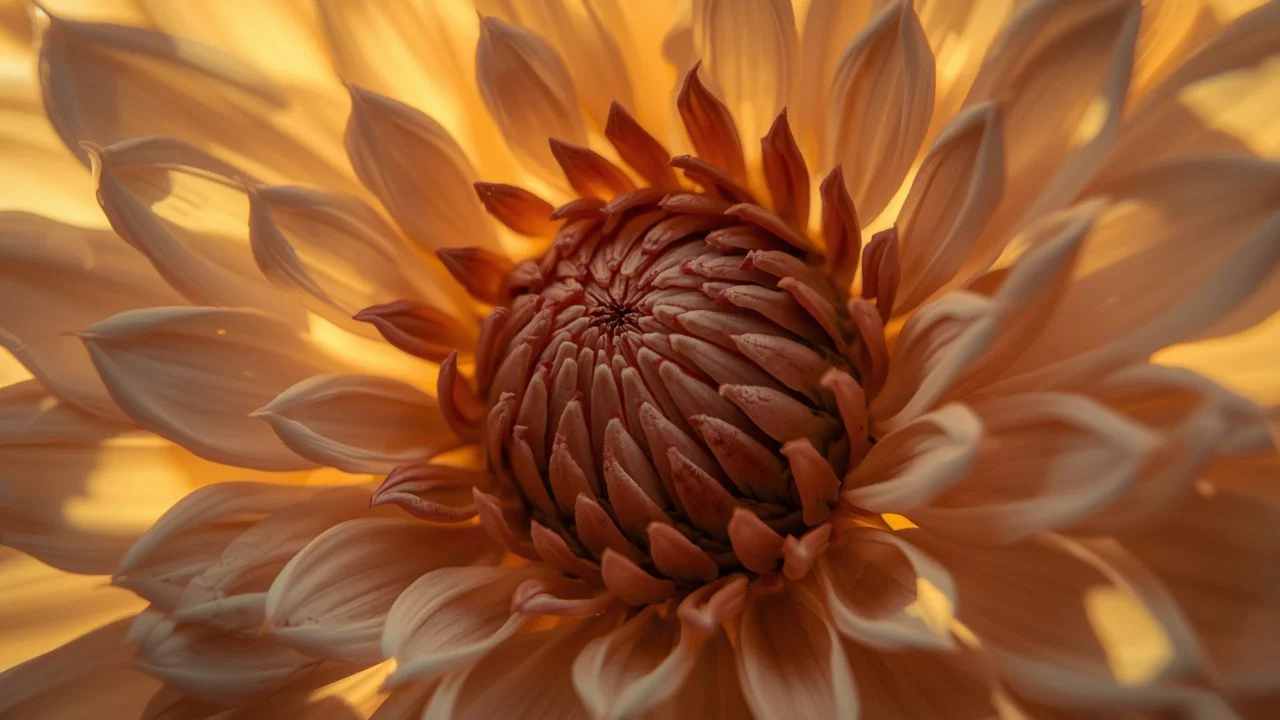
In the vast, sun-swept deserts of Kuwait, where the horizon stretches endlessly and the climate tests the limits of endurance, a humble yet radiant plant emerges each year to tell a story. The Arfaj flower—known scientifically as Rhanterium epapposum—is more than a seasonal bloom. It is a living emblem of survival, memory, and national identity, deeply intertwined with Kuwait’s past, especially the scars and strength born from war.
At first glance, the Arfaj may appear delicate, its small golden blossoms shimmering against a backdrop of sand and stone. Yet beneath this fragile beauty lies a remarkable resilience. The plant thrives in harsh desert conditions, enduring extreme heat, scarce water, and unpredictable winds. Its ability to bloom despite adversity has made it a powerful natural metaphor for the Kuwaiti spirit—steadfast, enduring, and quietly defiant.
To understand the deeper symbolism of the Arfaj flower, one must revisit one of the most defining chapters in Kuwait’s history: the Gulf War. During this period, the land itself became a battlefield. Oil wells burned uncontrollably, skies darkened with smoke, and the desert—once a symbol of quiet endurance—was scarred by destruction.
The environmental damage was catastrophic. Vast areas of Kuwait’s desert ecosystem were left charred and lifeless. For a time, it seemed as though the land would struggle to recover from the devastation. Yet nature, much like the people of Kuwait, had its own way of healing.
When the fires were extinguished and the smoke cleared, something remarkable began to happen. Slowly, almost imperceptibly at first, life returned. Among the earliest signs of renewal was the reappearance of desert , and most notably, the Arfaj flower.
The reemergence of the Arfaj was not just a botanical event—it was an emotional and symbolic one. Its golden blossoms rising from soil that had once been blackened by war became a quiet but powerful message: life continues.
For many Kuwaitis, the Arfaj came to represent hope after despair. It stood as proof that even after immense destruction, regeneration is possible. The flower did not erase the past, but it softened its edges, reminding people that beauty and life can coexist with memory and loss.
Unlike grand monuments or official symbols, the Arfaj’s significance grew organically, shaped by shared experience rather than formal declaration. It became a silent witness to history—a natural storyteller rooted in the land itself.
Also Read This: Frankincense: Ancient Treasure with Healing Powers
Over time, the Arfaj flower was officially recognized as the national flower of Kuwait. This designation was not merely aesthetic; it reflected a deeper cultural connection. The flower embodies values that resonate strongly within Kuwaiti society: resilience, patience, and quiet strength.
In poetry, literature, and everyday conversation, the Arfaj is often invoked as a symbol of endurance. Its presence in the desert is a reminder that survival does not always come with noise or spectacle. Sometimes, it is expressed through persistence—the simple act of continuing to grow.
The flower’s golden hue also carries symbolic weight. Gold, often associated with value and permanence, mirrors the enduring spirit of a nation that has weathered hardship and emerged stronger.
What makes the Arfaj particularly unique as a symbol is its connection to both land and memory. Unlike man-made memorials, it cannot be confined to a single location. It appears across the desert, scattered yet unified, much like the collective memory of a people.
Each bloom season becomes a subtle act of remembrance. Without words or ceremonies, the land itself recalls its past. The Arfaj does not allow history to be forgotten, but neither does it dwell in sorrow. Instead, it transforms memory into something living—something that grows, adapts, and continues.
For those who experienced the war, the sight of the Arfaj can evoke a complex blend of emotions: grief for what was lost, gratitude for what remains, and hope for what lies ahead. For younger generations, it serves as a quiet introduction to history, a natural link to events they did not witness but continue to shape their identity.
Today, as Kuwait continues to evolve and look toward the future, the Arfaj flower remains a grounding presence. It reminds the nation of its journey—of the trials endured and the strength discovered along the way.
In a rapidly changing world, where urban landscapes expand and technology reshapes daily life, the Arfaj stands as a connection to something timeless. It anchors modern Kuwait to its natural and historical roots, offering a sense of continuity amidst change.
The flower also carries an environmental message. Its survival in extreme conditions highlights the importance of preserving natural ecosystems, especially in regions vulnerable to climate challenges. Protecting the desert and its النباتات is not only an ecological responsibility but also a cultural one, as these landscapes hold stories that cannot be told elsewhere.
The story of the Arfaj is not loud or dramatic. It does not demand attention. Instead, it invites reflection. It asks those who notice it to pause, to consider the resilience required to bloom in difficult conditions, and to recognize the parallels between nature and human experience.
In its simplicity lies its strength. The Arfaj does not try to overshadow the past; it grows alongside it. It does not erase scars; it softens them with color and life.
For Kuwait, this small desert flower has become something much greater than itself. It is a symbol of survival, a keeper of memory, and a quiet promise that even after the darkest moments, life finds a way to return—golden, resilient, and enduring.
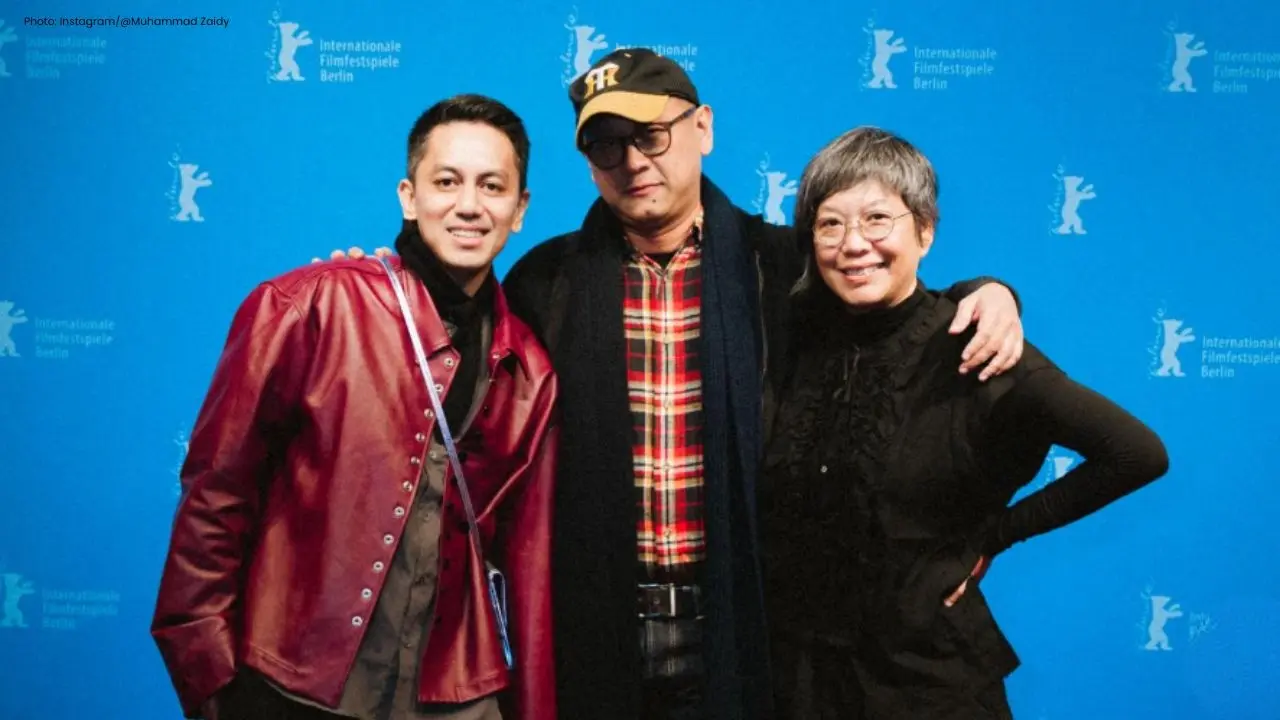
Palari Films Celebrates a Decade of Innovation
Palari Films marks 10 years with event showcasing new ventures and collaborations, underlining its i

Dubai Ports Delivers Seamless Round-the-Clock Services
Dubai Ports Authority ensures 24/7 maritime services, supporting vessels and strengthening Dubai’s g
Punjabi Radio Host Sentenced to 5.5 Years in Canada for Drug Smuggling
A Punjabi radio and TV personality received a 5.5-year sentence in Canada for trafficking 108 kg of
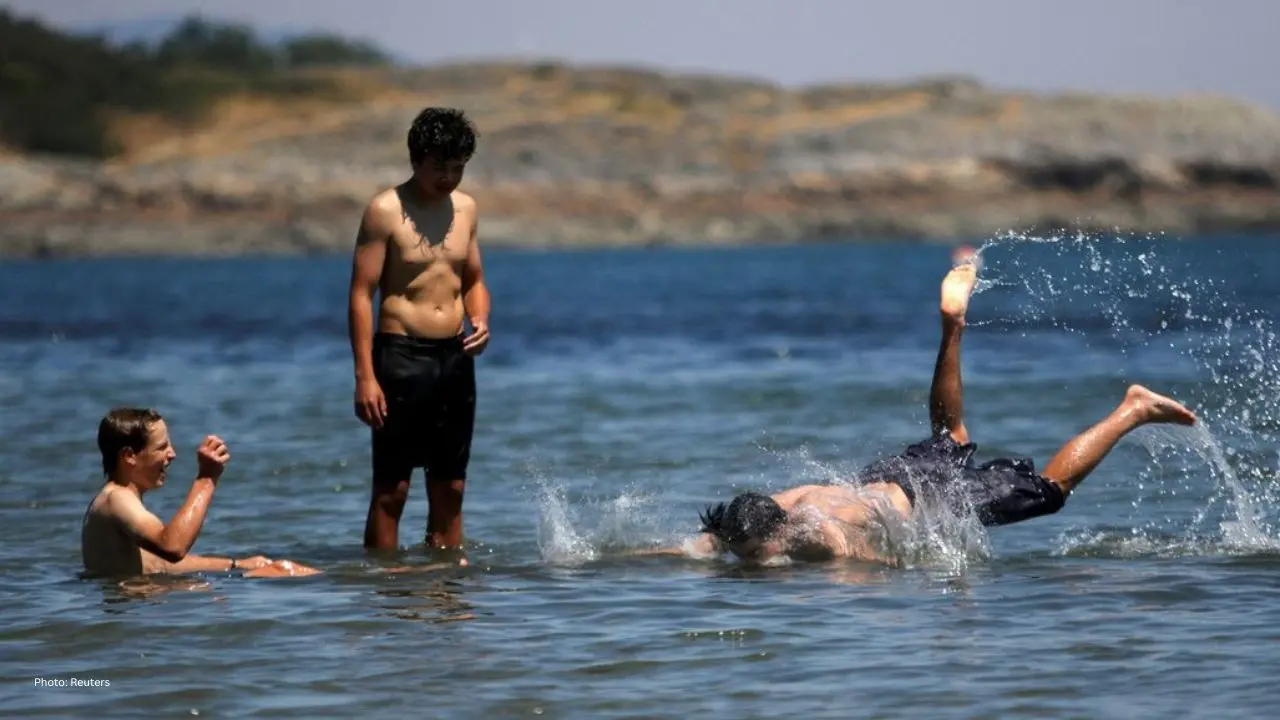
Summer in Canada: Warmer Ahead, with a Cool Spot
Experts predict a hotter-than-normal summer in 2026 for Canada, except for one area expecting cooler

Crackdown on Illegal Workers in Batam, Indonesia
Indonesia detains six foreign workers in Batam for illegal employment as immigration enforcement int
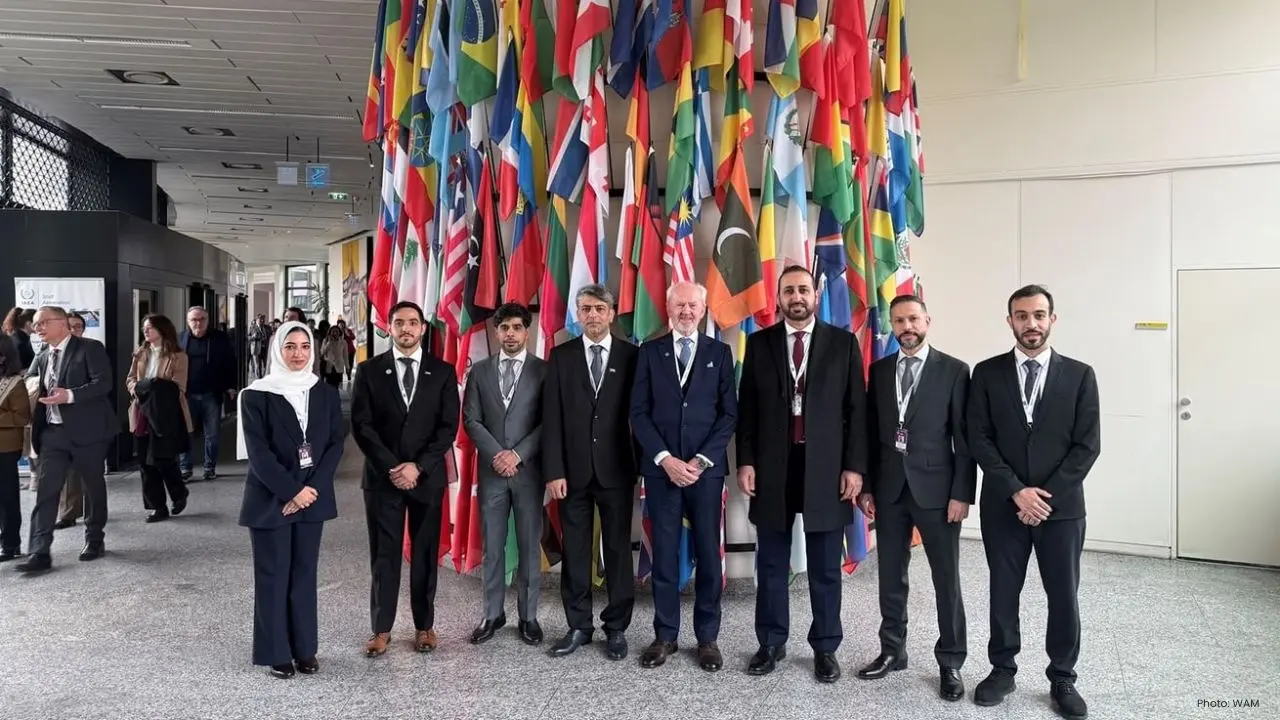
UAE Submits 10th Nuclear Safety Report to IAEA Review
UAE presents its 10th CNS report at IAEA, highlighting Barakah plant success, stronger regulations,
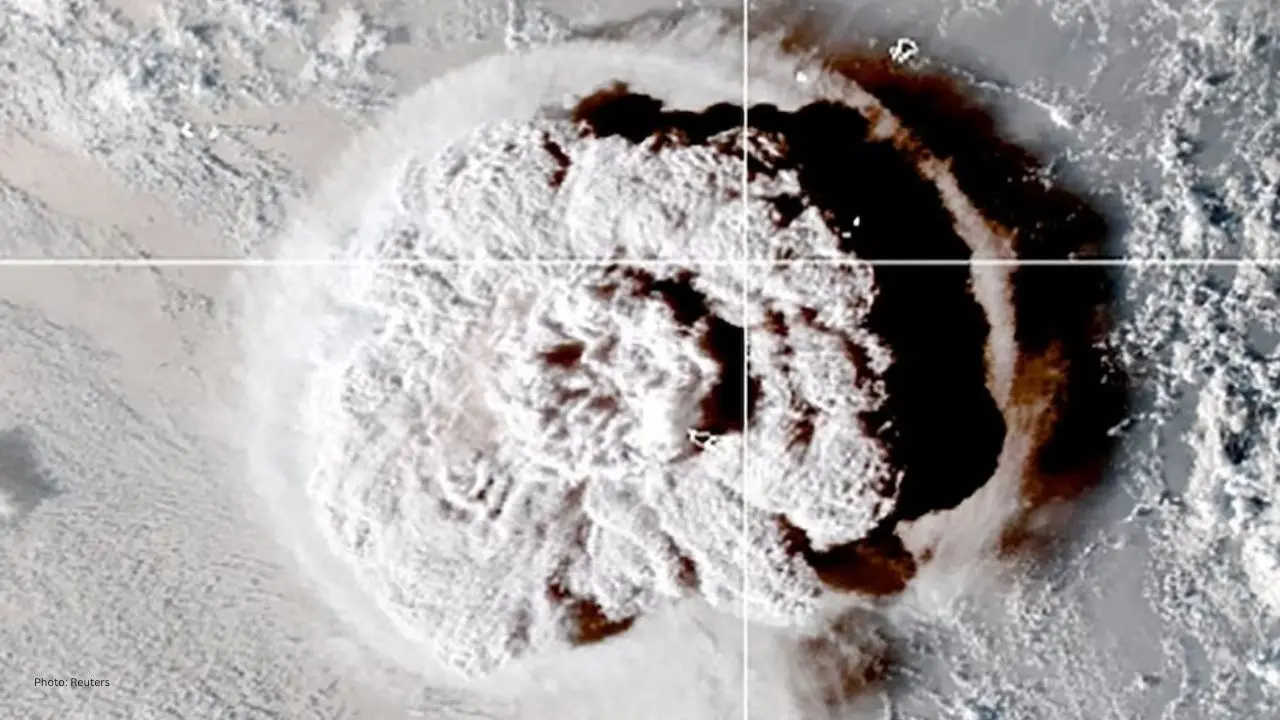
Satellite Insights Transform Tsunami Wave Understanding
New satellite observations redefine tsunami behavior, showing intricate wave patterns that challenge


7 Daily Habits to Burn Belly Fat Naturally
Discover 7 simple daily habits to burn belly fat naturally without extreme dieting. Easy, effective

Power of Compounding: How $5,000 Can Grow Into $120,000
Discover how compounding turns $5,000 into $120,000 over time. Learn long-term investing strategies

When to Test Blood Sugar: Morning vs After Breakfast Explained
Should you check blood sugar fasting or after meals? Learn the best time to test glucose levels and

WhatsApp Down Today? Users Report Strange Issue Worldwide
WhatsApp users report message delays and strange issues worldwide. Find out what happened, why it oc

Is Your Phone Spying on You? 6 Android Settings to Turn Off Now
Worried your phone is spying on you? Learn 6 Android settings to turn off now to protect your privac

7 Protein-Rich Indian Foods You Should Add to Your Daily Diet
Discover 7 protein-rich Indian foods to boost your daily protein intake naturally without supplement

Is It Safe to Keep Laptop Plugged In All the Time? Battery Truth Explained
Is it safe to keep your laptop plugged in all day? Learn the truth about battery health, charging ha

Actual Cost of Living in Dubai for a Family : Rent, School Fees & Monthly Expenses
Discover the real cost of living in Dubai for a small family in 2026, including rent, school fees, g