
Post by : Anis Karim
Artificial intelligence has advanced at an unprecedented pace. It has transitioned from being a futuristic concept to an integral part of daily routines. From online searches to loan applications and legal decisions, AI is omnipresent by 2026, influencing economies and shaping governance structures.
This rapid integration has propelled policymakers into urgent action. Previously, concerns over stifling innovation delayed regulation as governments feared that stringent rules might deter investment in AI technology. However, by 2026, this reluctance has evaporated, as tangible risks associated with uncontrolled AI systems—such as misinformation, bias, and workforce disruption—have heightened the necessity for regulation.
For years, many nations regarded AI as a vital engine for economic growth, aiming to lure talent and investment. Robust regulations seemed likely to deter development, leading to a preference for voluntary guidelines instead of firm restrictions. This strategy worked while AI's implications were minor, but the growing influence of algorithms in critical areas revealed the flaws in such an approach.
Lawmakers have struggled to keep pace with the rapid advancement of AI technologies, causing hindrances in establishing effective policies. A significant gap in understanding how algorithms function and their societal repercussions has led to delays in necessary regulations.
By this point, several visible failures of AI systems gained public scrutiny. Incidents involving biased algorithmic decisions and misinformation have starkly illustrated the potential harms of unregulated AI, prompting government action in response to public demand for accountability.
The sweeping changes in labor brought about by AI automation have highlighted the need for oversight. As traditional roles diminish, concerns about increasing inequality and concentration of power grow. Regulation emerged as a necessary tool for maintaining economic fairness.
The primary focus of AI regulation is to protect citizens. Governments must ensure that AI does not foster discrimination or privacy violations, while also maintaining transparency in its decision-making processes.
Determining accountability in AI-related harms remains a challenge. Recent regulations aim to delineate responsibility and establish legal repercussions for misuse.
With the potential for AI systems to affect elections and public discourse, governments acknowledge the need for regulation to uphold democracy and national security.
In 2026, the regulation emphasizes AI applications that carry the highest risks, such as biometrics and decision-making in critical sectors like healthcare and law enforcement.
As AI relies heavily on data, regulators are tightening rules around data handling. Organizations are now required to justify their data usage and protect personal information against misuse.
A crucial aspect of 2026's regulatory framework is the need for explainable AI systems. There is a growing restriction on opaque models, especially in high-stakes environments.
The European Union leads the way in global AI regulations with a risk-oriented framework, prioritizing user safety and accountability.
The United States is shifting towards targeted regulations, blending federal directives with state-level enforcement, focusing on consumer protection and national interests.
China adopts a centralized regulatory framework, stressing data sovereignty and social order while ensuring oversight on innovations.
For businesses, adhering to AI regulations is pivotal in 2026. Companies are enhancing their compliance strategies, investing in ethics and auditing mechanisms.
Rather than stifling progress, regulations are prompting firms to innovate responsibly. The market increasingly rewards trust and transparency, especially in sensitive sectors.
Startups may struggle with compliance costs, prompting governments to introduce regulatory assistance schemes to promote innovation while ensuring oversight.
Startups embedding ethics within their products are discovering growth prospects. Established regulations help them compete more effectively against larger entities.
Governments are increasingly wary of AI's potential for misuse in warfare and surveillance. Regulations now encompass aspects of ethical boundaries in technology.
Given AI's role in essential infrastructure, regulations aim to enhance resilience and safeguard these systems from vulnerabilities.
As awareness of AI risks rises, public pressure for accountability and transparency becomes more pronounced, influencing policymakers.
Trust in AI systems is critical for societal acceptance, guiding regulations to build confidence around new technologies.
With rapid AI evolution, legal frameworks must remain flexible. Current efforts focus on principle-based regulations that can adapt to changes.
Diverse national regulations can lead to conflicts; hence, international collaboration to align standards is increasingly vital.
For citizens, AI regulation promises enhanced safety and clarity. People will gain rights to understand AI's role in daily life, challenge automated judgments, and seek justice in the wake of AI failures.
The regulatory landscape in 2026 represents just the beginning of ongoing governance efforts. As AI continues its transformative journey, regulations will evolve to guide technology towards beneficial outcomes.
Recognizing the risks of unchecked technologies is vital for societal stability. Effective regulation enhances the potential for AI to contribute positively to progress.
This article serves only as informative content. Legal or policy advice should be sourced from official entities or qualified professionals.

Philippine Airlines Suspends Dubai, Doha Flights Till April 30
Philippine Airlines has suspended Manila-Dubai and Doha flights till April 30 due to Middle East ten

Deadly Factory Fire in Daejeon Kills 11, Several Missing
A massive fire at an auto parts factory in Daejeon, South Korea, has killed 11 people, injured 59, a

Sanofi Opens Innovation Centre in Chengdu China
Sanofi opens its first China Innovation Centre in Chengdu, boosting R&D, clinical trials, and supply

Jordan, Egypt Condemn Terror Plot Targeting UAE
Jordan and Egypt strongly condemn a terror plot targeting the UAE’s economy, reaffirming support for
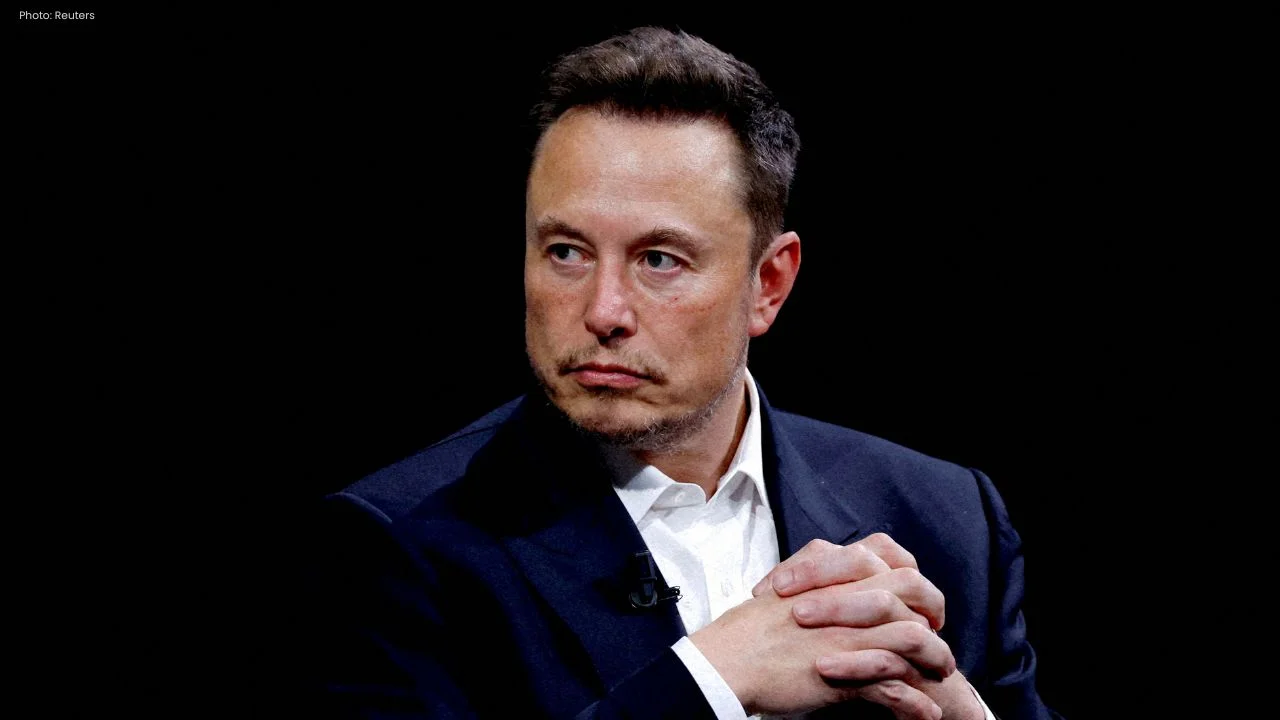
Elon Musk Found Liable in Twitter Investor Case
A US jury found Elon Musk liable for misleading Twitter investors in 2022 deal, awarding up to $2.1

BTS Comeback Concert Draws 260K Fans in Seoul
BTS holds a mega comeback concert in Seoul with 260,000 fans, marking their first album in 3 years a

UAE DMT Prepares for Weather Alert March 21–27
Abu Dhabi’s DMT activates emergency plans, deploys teams, and urges public caution as unstable weath


Bank of Baroda Faces Abu Dhabi Legal Battle over NMC Collapse
Bank of Baroda’s involvement in Abu Dhabi litigation tied to the NMC Healthcare collapse raises repu

Top Museum Openings of 2026 Set to Transform Global Tourism
From Los Angeles to Abu Dhabi and Brussels, 2026 brings major museum launches—Lucas Museum, Guggenhe

UAE Tour Highlights UAE’s Strength in Hosting Global Sports Events
Abu Dhabi Sports Council says the successful UAE Tour reflects the UAE’s leading role in hosting maj

EU Seeks Clarity from US After Supreme Court IEEPA Ruling
European Commission urges full transparency from the US on steps after Supreme Court ruling, emphasi

SpaceX Launches 53 New Satellites for Expanding Starlink Network
SpaceX launches 53 Starlink satellites in two Falcon 9 missions, breaking reuse records and expandin

RTA Awards Contract for Phase II of Hessa Street Upgrade in Dubai
Phase II of Hessa Street Development to add bridges, tunnel, and upgraded intersections, doubling ca

UAE Gold Prices Today, Monday 16 February 2026: Dubai & Abu Dhabi Updated Rates
Gold prices in UAE on 16 Feb 2026 updated: 24K around AED 599.75/gm, 22K AED 555.25/gm, and 18K AED

Over 25 Ahmedabad Schools Receive Bomb Threat Email, Authorities Investigate
More than 25 schools in Ahmedabad evacuated after bomb threat emails mentioning Khalistan. Authoriti