Post by : Anis Karim
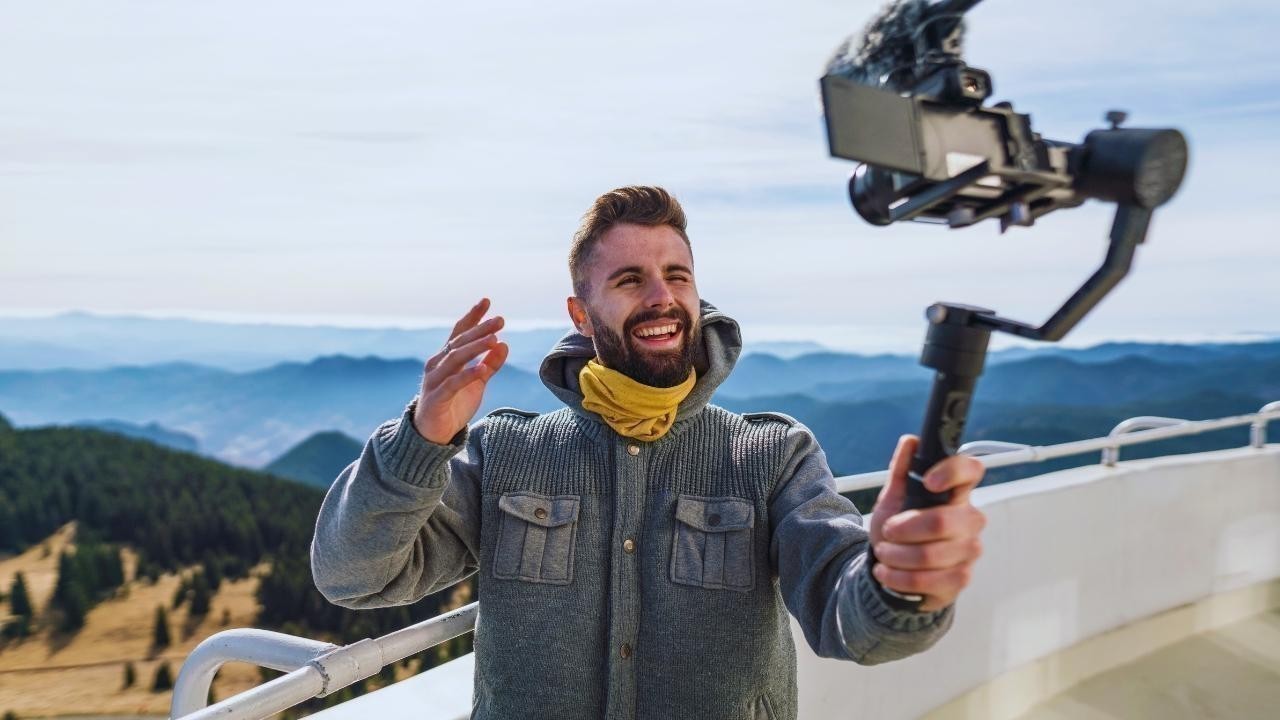
In the glossy world of Instagram, TikTok, and YouTube, one thing is becoming increasingly clear: the next big celebrity might not be human at all. Artificial Intelligence-generated influencers—also known as virtual influencers—are no longer a niche experiment or marketing gimmick. They're real, they’re here, and they’re beginning to outshine their flesh-and-blood counterparts.
From fashion endorsements to music videos, product launches to motivational speeches, these AI-crafted personalities are gathering followers in the millions. They look like us, talk like us, and post selfies that rival even the most seasoned human influencers. The question is no longer if AI-generated influencers will go mainstream—it’s how far they’ll go.
And in this rapidly evolving world of fame without faces, society is facing a new kind of cultural disruption. One where perfection is programmed, flaws are edited out of existence, and fans are forming emotional bonds with characters made entirely of code.
The term “AI influencer” might conjure images of futuristic robots, but the reality is more subtle—and more sophisticated. These are digitally created personalities, often designed with hyper-realistic features, programmed dialogue, and personality traits curated to suit specific audiences. Most are managed by human teams of designers, marketers, and social media strategists, while some are partially or fully run by generative AI systems.
Take Lil Miquela, one of the earliest and most famous AI influencers. Created by a startup in Los Angeles, she’s a 19-year-old virtual model and singer with freckles, a nose ring, and a cool-girl aesthetic that resonates with Gen Z. She’s partnered with brands like Calvin Klein and Prada and boasts millions of followers. But she doesn’t exist—not in the way you and I do.
Other digital stars include Shudu, a breathtakingly realistic fashion model; Imma, a pink-haired Japanese style icon; and FN Meka, a virtual rapper who briefly signed a record deal. Each one appeals to a specific niche, just like human influencers, but without the unpredictability, scandals, or fatigue of actual humans.
For marketers, AI-generated influencers are a dream come true. They don’t age. They don’t complain. They don’t get embroiled in controversies—unless scripted to. They post on schedule, align perfectly with brand values, and are available 24/7 across time zones.
The level of control that brands can exert over these influencers is unprecedented. Every smile, outfit, caption, and collaboration is crafted with data-backed precision. If a certain look doesn’t resonate with audiences, it can be changed in minutes. If a caption underperforms, it can be rewritten instantly.
These digital personalities are not just aesthetically perfect—they are marketing gold. Their engagement rates rival (and often exceed) those of human influencers. And they offer something human creators can’t: infinite scalability. You can clone them, localize them, even make them multilingual—all without the complications of training, managing, or paying a human star.
Perhaps the most fascinating part of this trend is not that these AI influencers exist—it’s that people genuinely follow them. Fans write messages to them, defend them in comment sections, and even ship them in romantic pairings. The emotional engagement is real, even if the influencer is not.
Some followers say they enjoy the “cleaner,” more aesthetic vibe of AI influencers. Others admire the creativity behind their existence or appreciate the fantasy element. A growing number of users find virtual influencers less toxic than real ones—no drama, no virtue signaling, no manipulative self-branding.
This emotional investment raises interesting psychological questions. Why do people care about something they know isn’t real? The answer may lie in how our brains are wired. We’re programmed to respond to social cues, faces, and storytelling—regardless of whether the subject is real or synthetic.
The rise of virtual influencers is not necessarily a death sentence for human content creators—but it is a loud wake-up call. As algorithms replace authenticity with aesthetics, human influencers may be forced to reconsider what value they truly offer.
Do followers come for the person, or the persona? If it’s the latter, AI can easily step in. But if it’s the rawness, the flaws, the behind-the-scenes moments of imperfection—that's still a human domain.
Many real influencers are now intentionally showing more vulnerability, more chaos, and more “unfiltered” moments. It's not just about what’s picture-perfect anymore—it’s about being relatable. Ironically, in a world of digital perfection, being flawed might be the biggest asset a human creator can have.
As this trend picks up speed, the ethical questions are piling up. Should followers be clearly informed that they’re interacting with an AI? Are the people behind these avatars manipulating audiences for profit? What about the rights of the real models whose features may have inspired the virtual faces?
There’s also the issue of representation. While many AI influencers appear racially diverse or progressive, their creators may not reflect those identities. That raises concerns about digital blackface, tokenism, or cultural appropriation. Who gets to profit from a persona that mimics a marginalized identity?
Moreover, AI influencers can be programmed to appear empathetic, supportive, or political—but with no real stake in the matter. Is it ethical for a non-human entity to post about mental health awareness or climate change if it's just part of a marketing strategy?
These are not easy questions, and right now, the rules are murky at best. Regulators haven’t caught up, platforms remain inconsistent, and followers often don't care—or notice.
Most AI influencers are created using a combination of technologies: 3D modeling, motion capture, image synthesis, generative AI tools, and sophisticated content planning algorithms. What used to require Hollywood-level budgets can now be done by boutique studios or even independent creators.
Tools like Unreal Engine, Blender, and Stable Diffusion make it easier to design realistic avatars. ChatGPT-like language models are being trained to generate social media captions, comments, and even full-on scripts for digital influencers to “say.” The result is a seamless experience that feels human but isn’t.
The more advanced ones even respond to DMs or create personalized content for their fans. We’re heading toward a future where you might not just follow an AI influencer—you might talk to them, befriend them, or collaborate with them.
In this new era, fame is no longer about being born beautiful or charismatic—it’s about being designed that way. AI influencers are not limited by geography, gender, age, or mortality. They can be reborn, rebranded, or repurposed infinitely.
In the near future, we may see virtual influencers signing record deals, starring in films, hosting events, or even running virtual fashion brands. They may become digital mascots for entire movements, not just products.
The lines between real and unreal will blur further as mixed reality devices and immersive tech become mainstream. Imagine attending a virtual meet-and-greet with your favorite AI influencer inside a metaverse event, or watching them co-host a talk show with a real celebrity.
This future isn’t speculative—it’s already in motion.
The age of AI-generated influencers is no longer a futuristic fantasy. It’s the present. And it’s evolving fast. These digital personalities are more than just novelties—they’re challenging how we define fame, authenticity, and human connection.
They reflect not just technological advancement, but cultural shifts: toward perfection, control, and curated identity. As audiences, we are complicit. We double-tap. We follow. We engage.
Whether that makes us curious, excited, or uneasy, one thing is clear—AI influencers are not here to replace humanity. But they are redefining what it means to matter in the public eye. In the end, the face may be fake, but the influence? That’s very real.
This article is for informational purposes only. The developments discussed reflect current industry trends and technologies at the time of writing. AI-generated influencer projects and related tools may evolve rapidly, and public response may vary. The ethical and cultural concerns raised are based on public discourse and do not represent a final judgment.
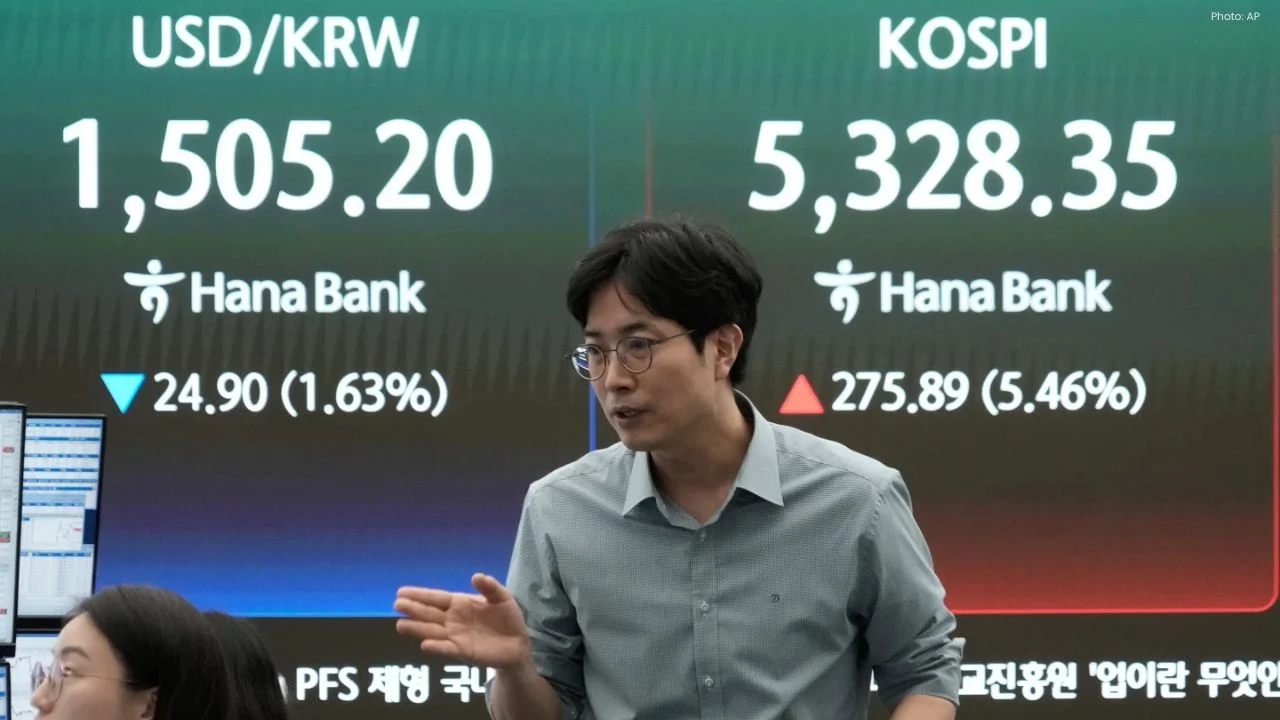
Global Markets Rally as Oil Drops Below $100 Mark
Asian markets jump sharply as oil falls below $100 amid hopes of easing Iran conflict, boosting glob
US Judge Orders Penn to Share Data in Bias Probe
A US judge ordered Penn to share employee records in an antisemitism probe, while protecting religio
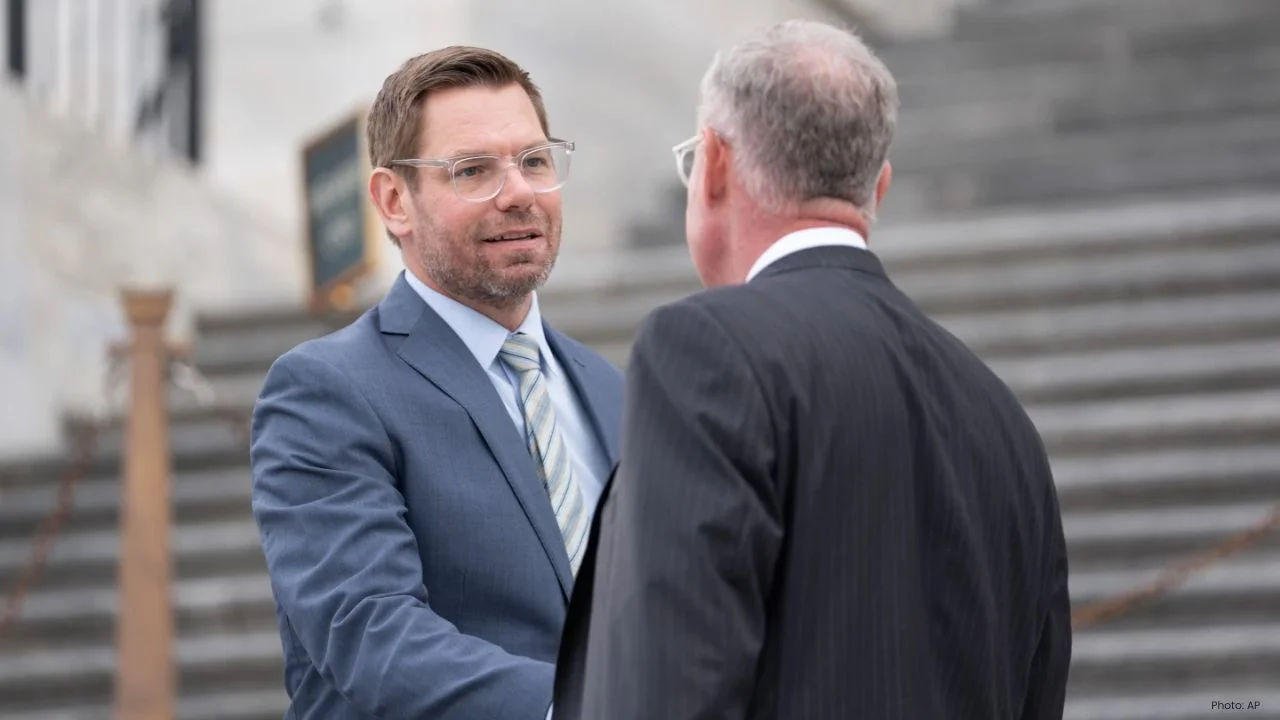
California Governor Race Turns Chaotic Before Voting
California’s governor race grows chaotic as Democrats face internal divisions, voter uncertainty, an
New York City Ends TikTok Ban For Official Use Again
New York City lifts its TikTok ban, allowing agencies to post again under strict security rules to i
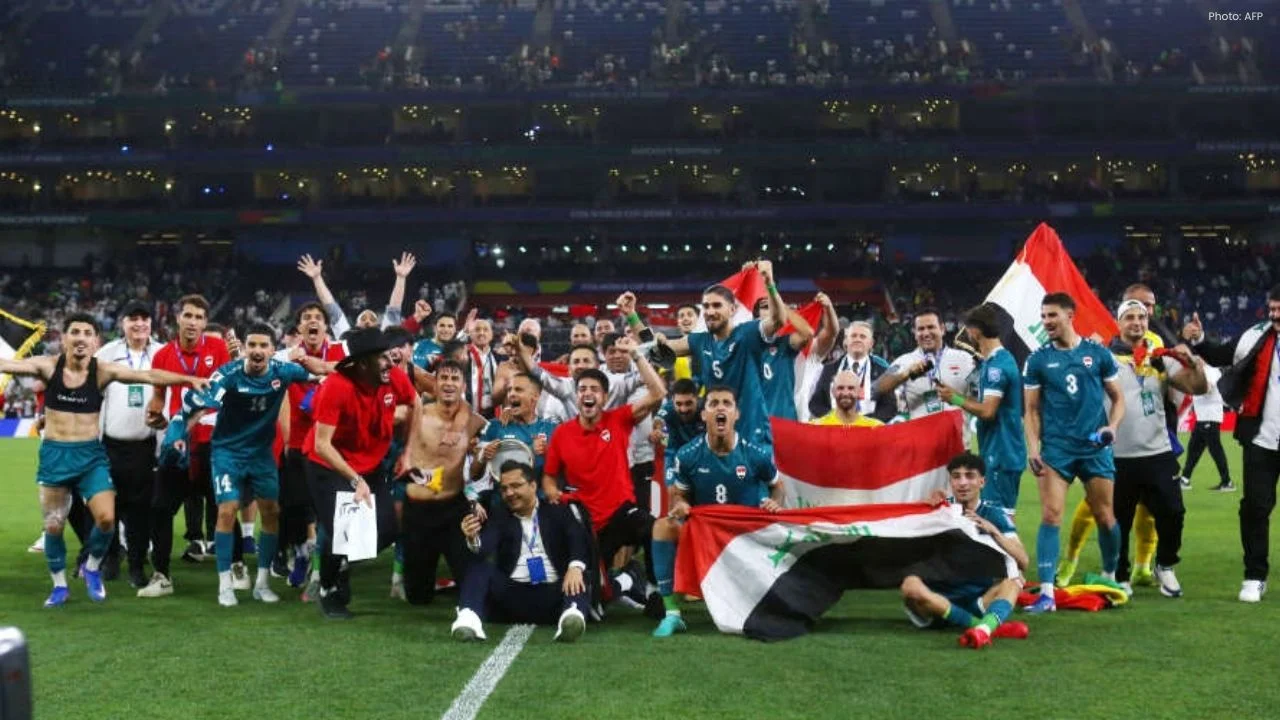
Iraq Qualify for World Cup After 40 Years With 2-1 Win
Iraq secured a historic World Cup spot after defeating Bolivia 2-1 in playoffs, marking their return
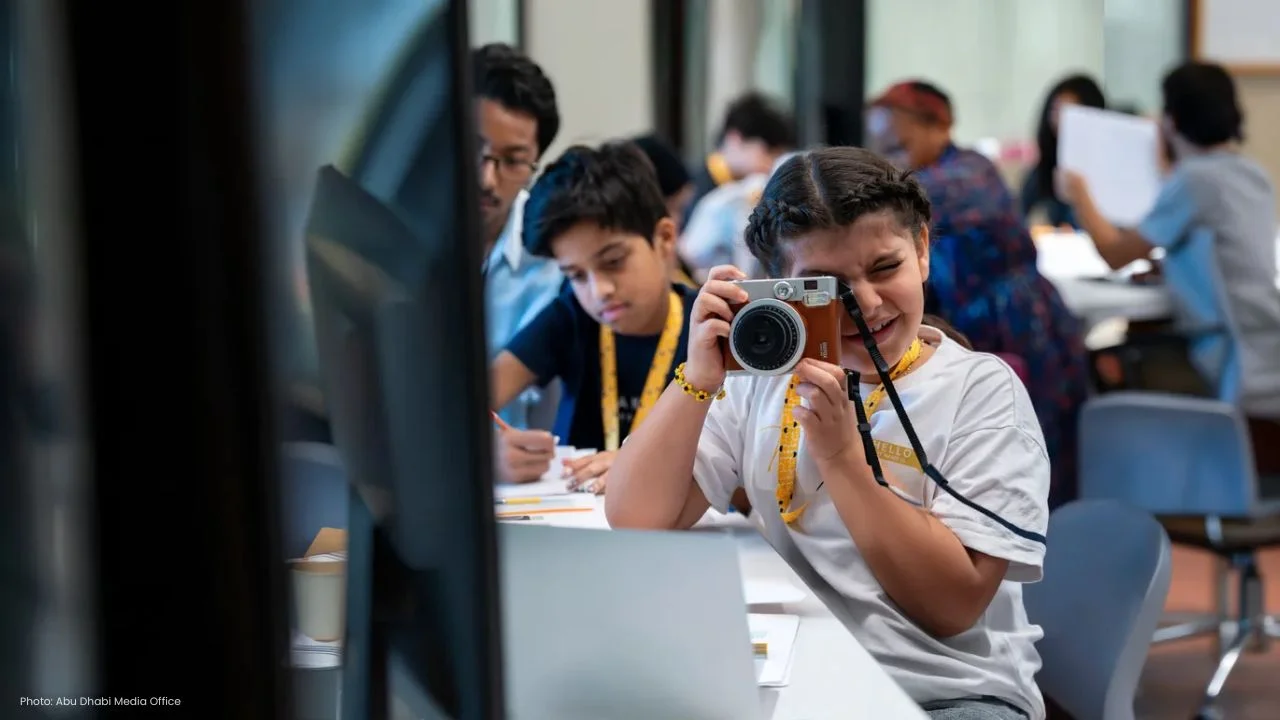
Creative Lab Hosts Spring Media Workshops for Youth
Creative Lab hosted spring workshops in Abu Dhabi, training young students in storytelling, scriptwr
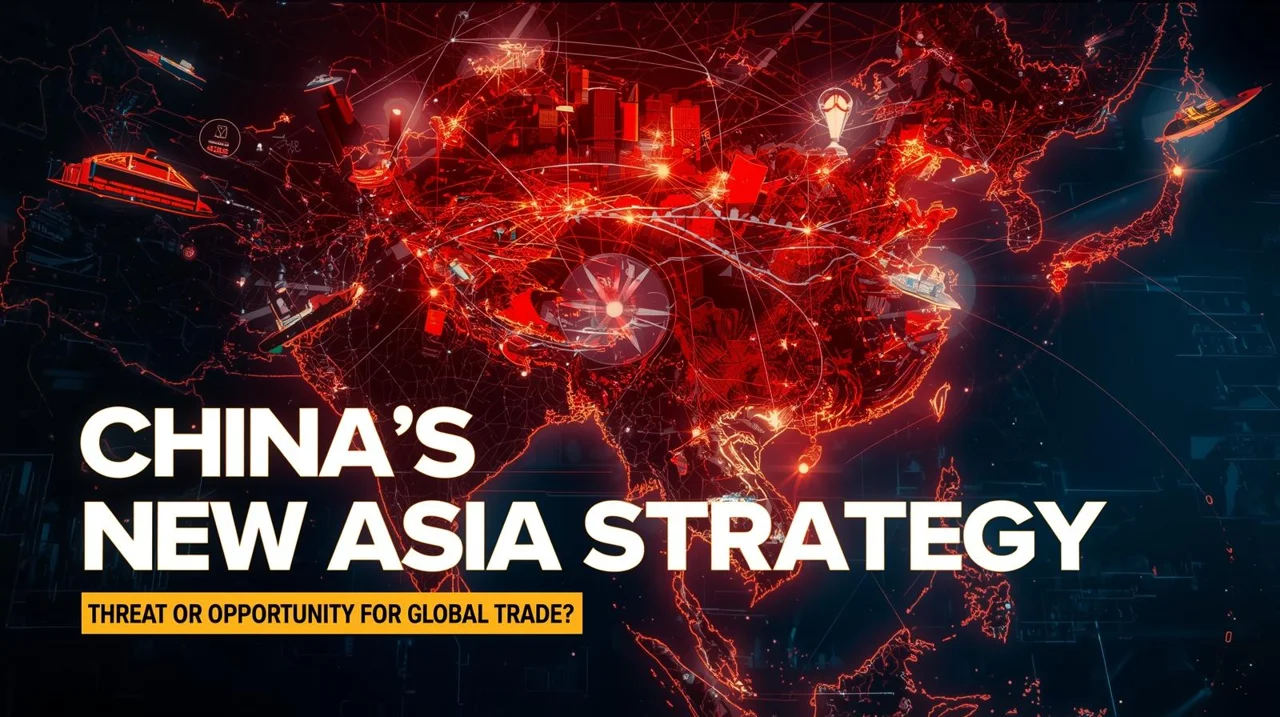
China’s Strategy in Asia 2026: Threat or Opportunity for Global Trade?
Explore China’s new strategy in Asia, its impact on global trade, Belt and Road Initiative, economic


Bank of Baroda Faces Abu Dhabi Legal Battle over NMC Collapse
Bank of Baroda’s involvement in Abu Dhabi litigation tied to the NMC Healthcare collapse raises repu

Top Museum Openings of 2026 Set to Transform Global Tourism
From Los Angeles to Abu Dhabi and Brussels, 2026 brings major museum launches—Lucas Museum, Guggenhe

UAE Tour Highlights UAE’s Strength in Hosting Global Sports Events
Abu Dhabi Sports Council says the successful UAE Tour reflects the UAE’s leading role in hosting maj
EU Seeks Clarity from US After Supreme Court IEEPA Ruling
European Commission urges full transparency from the US on steps after Supreme Court ruling, emphasi

SpaceX Launches 53 New Satellites for Expanding Starlink Network
SpaceX launches 53 Starlink satellites in two Falcon 9 missions, breaking reuse records and expandin

RTA Awards Contract for Phase II of Hessa Street Upgrade in Dubai
Phase II of Hessa Street Development to add bridges, tunnel, and upgraded intersections, doubling ca

UAE Gold Prices Today, Monday 16 February 2026: Dubai & Abu Dhabi Updated Rates
Gold prices in UAE on 16 Feb 2026 updated: 24K around AED 599.75/gm, 22K AED 555.25/gm, and 18K AED

Over 25 Ahmedabad Schools Receive Bomb Threat Email, Authorities Investigate
More than 25 schools in Ahmedabad evacuated after bomb threat emails mentioning Khalistan. Authoriti