
Post by : Anis Karim
Artificial intelligence has revolutionized the way we create and consume images. From artwork to advertisements, AI-generated visuals have become omnipresent. Among these developments, one particularly sensitive application is the creation of personal images. People can now upload photos of themselves and receive AI-generated portraits, animations, or transformations. While this technology promises fun, creativity, and self-expression, it also carries unforeseen consequences.
Recently, a youth reported being terrified after seeing a mole appear on an AI-generated image of herself—a mole she had never shared in her uploaded photo. This incident, while startling, highlights a broader set of issues concerning AI’s role in personal representation. It shows that even with minimal input, AI can produce outputs that feel intimate, invasive, and sometimes inaccurate, raising questions about privacy, consent, and psychological impact.
AI models, particularly generative adversarial networks (GANs) and diffusion models, are trained on massive datasets of images. These models learn patterns, features, and structures from real-world photos to generate realistic outputs. However, the AI does not “know” the person in the photograph. It predicts details based on statistical patterns learned during training, sometimes filling in features like moles, freckles, or facial asymmetries that weren’t in the original image.
The issue is that these predictions can appear extremely personal, giving users the impression that the AI “knew” something private about them. Even though these features are generated randomly or probabilistically, the realism can trigger anxiety, fear, or confusion.
Discovering unexpected details in AI-generated images can have serious psychological effects. People may question their own bodies, appearance, or health based on what the AI presents. This is especially sensitive for younger users who are already navigating identity and self-image.
In extreme cases, users have reported heightened anxiety, paranoia, or distress after seeing “phantom” features, as in the case of the mole appearing on the generated image. Such experiences highlight a key psychological risk: AI can create illusions that feel intensely real, even though they are purely artificial.
Beyond psychological effects, AI-generated images raise privacy concerns. Users often upload photos to platforms with little knowledge of how their images are stored, shared, or used. Even if an image is deleted, AI models may retain learned patterns in ways that allow reconstruction of similar images.
The ethical question is clear: should AI be allowed to generate potentially intimate or misleading features based on uploaded data? Without transparent policies and strong data protections, individuals risk losing control over their personal representation in digital spaces.
AI in personal representation also poses ethical dilemmas for developers and platforms. Generative models can inadvertently produce content that is sensitive, misleading, or offensive. In the case of the mole incident, the AI did not intend harm, yet it generated a feature that caused real fear.
Companies must consider safeguards, such as feature disclaimers, content moderation, or tools allowing users to control the type of outputs generated. Transparency about how AI makes predictions and what it can create is crucial for ethical deployment.
Young people are especially vulnerable to the impacts of misleading AI-generated images. Adolescents and young adults are still forming self-image, body perception, and identity. Encountering unexpected or intimate features in AI-generated images can distort self-perception or trigger self-consciousness.
Vulnerable populations, such as individuals with body dysmorphia or anxiety disorders, may be disproportionately affected. AI developers must recognize that even seemingly innocuous applications can have significant mental health implications.
As AI-generated content becomes more pervasive, legal systems are struggling to catch up. Questions about consent, ownership, and accountability are increasingly pressing. If AI produces misleading personal details, who is responsible?
Current laws do not clearly define liabilities in cases where AI outputs cause psychological harm. As a result, there is a growing call for regulations that protect users from unintended consequences while preserving innovation. Countries may soon require platforms to implement safety measures, content warnings, and opt-in consent for sensitive AI applications.
AI-generated personal images can influence not only individual perception but also broader societal norms. Misleading visuals could shape unrealistic beauty standards, reinforce biases, or create social anxiety.
For example, if AI generates features that appear more prominent or “idealized,” users may internalize these images as desirable or threatening. Social media sharing amplifies the effect, as unrealistic or misleading images can spread quickly, influencing peers and wider communities.
To mitigate risks, users should approach AI-generated images with caution:
Understand the Tool: Know how the AI model works and what types of data it uses.
Limit Sensitive Uploads: Avoid sharing highly personal or sensitive images if privacy policies are unclear.
Verify Features: Do not make health or appearance decisions based on AI-generated details.
Mental Health Awareness: Recognize emotional reactions to generated images and seek support if needed.
By maintaining awareness and critical thinking, users can enjoy AI creativity while minimizing psychological or privacy risks.
Developers also have responsibilities to safeguard users:
Transparency: Clearly communicate how AI predicts features and what is generated.
Control Options: Provide users with settings to limit sensitive or intimate outputs.
Content Warnings: Warn users about potential inaccuracies or generated features that may not reflect reality.
Data Security: Protect uploaded images rigorously and avoid retaining sensitive patterns unnecessarily.
Ethical AI development requires balancing innovation with the safety and dignity of users.
AI-generated personal images are here to stay. They offer incredible potential for self-expression, creativity, and entertainment. However, the risks highlighted by incidents like the mole appearing in a generated image emphasize the need for caution, regulation, and education.
Future AI models may incorporate safeguards such as anonymization, explicit disclaimers, and mental health support features. As awareness grows, both users and developers will likely collaborate to ensure AI is empowering rather than harmful.
In the coming years, personal AI may integrate into daily life even more deeply—virtual avatars, personalized media, and digital self-representation. Maintaining ethical standards, user control, and psychological safety will be key to making this technology beneficial for all.
AI has brought remarkable advances in digital creativity, yet it also poses unique challenges when applied to personal representation. Misleading pixels, unexpected features, and overly realistic outputs can lead to anxiety, privacy concerns, and ethical dilemmas.
The story of a youth discovering a mole in an AI-generated image illustrates the emotional weight these technologies carry. Users must remain vigilant, developers must implement safeguards, and regulators must provide clear guidelines. Only then can AI in personal representation achieve its promise safely and responsibly.
This article is intended for informational purposes only and reflects current understanding of AI-generated imagery and its potential impacts. It does not constitute medical, legal, or professional advice.

GOP Leaders Unveil Plan to End DHS Partial Shutdown
House and Senate GOP leaders propose a two-track plan to fund DHS, aiming to end the record-long shu
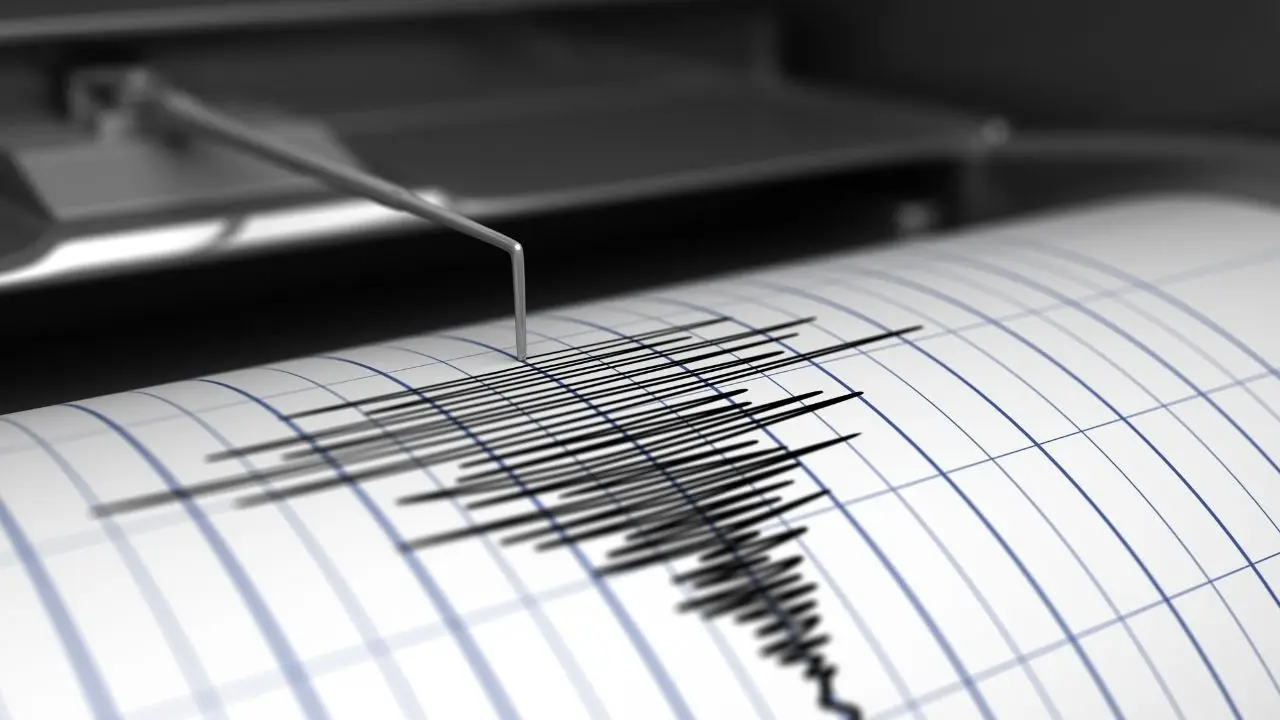
Northern California Shaken by Early Morning 4.6 Earthquake
A 4.6 magnitude earthquake struck near Boulder Creek, CA, early Thursday, shaking homes across a 100

Hillhouse Opens Abu Dhabi Office, Strengthens UAE Presence
Hillhouse Investment opens ADGM office with Category 3C license, boosting UAE and GCC investment act

Dubai, China Strengthen Trade & Investment Cooperation
Dubai Chambers meets CCPIT Beijing to enhance trade, investment, and cooperation in digital economy,

Indonesia Earthquake Today: 7.4 Magnitude Quake Triggers Tsunami Warning
A 7.4 magnitude earthquake hits Indonesia, prompting tsunami warnings and emergency evacuations. Get

Malaysia’s Economy Remains Steady Amid Global Tensions
Despite geopolitical risks, Bank Negara highlights Malaysia's strong economic fundamentals and endur

Abu Dhabi Fund Drives Global Development & UAE Export Growth
ADFD’s 2025 report highlights AED 250B financing, global projects, and UAE export support, strengthe


NASA Launches Artemis II Crew for 10-Day Lunar Mission
NASA launches Artemis II with four astronauts for a 10-day Moon mission, marking the first crewed lu

Dubai RTA, Ministry Partner for Family First Programme
Dubai RTA and Ministry of Family partner to enhance transport, urban spaces, and services under Fami

Bank of Baroda Faces Abu Dhabi Legal Battle over NMC Collapse
Bank of Baroda’s involvement in Abu Dhabi litigation tied to the NMC Healthcare collapse raises repu

Top Museum Openings of 2026 Set to Transform Global Tourism
From Los Angeles to Abu Dhabi and Brussels, 2026 brings major museum launches—Lucas Museum, Guggenhe

UAE Tour Highlights UAE’s Strength in Hosting Global Sports Events
Abu Dhabi Sports Council says the successful UAE Tour reflects the UAE’s leading role in hosting maj
EU Seeks Clarity from US After Supreme Court IEEPA Ruling
European Commission urges full transparency from the US on steps after Supreme Court ruling, emphasi

SpaceX Launches 53 New Satellites for Expanding Starlink Network
SpaceX launches 53 Starlink satellites in two Falcon 9 missions, breaking reuse records and expandin

RTA Awards Contract for Phase II of Hessa Street Upgrade in Dubai
Phase II of Hessa Street Development to add bridges, tunnel, and upgraded intersections, doubling ca