Post by : Raina Mansoor
Photo : Social media
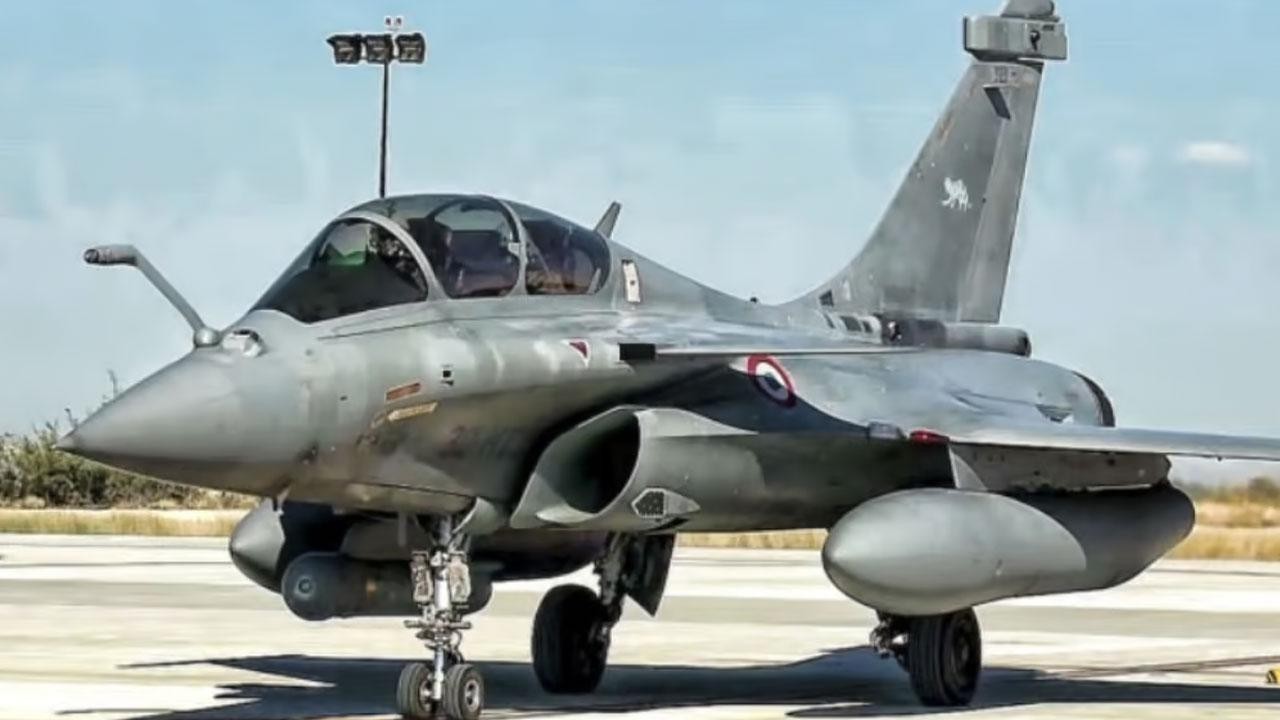
The United Arab Emirates has finalized an important weapons deal as part of its purchase of French Rafale F4 fighter jets. Details about the missiles and other weapons included in the package are now emerging.
According to sources familiar with the agreement, the UAE will receive 300 Meteor missiles, a powerful long-range air-to-air weapon capable of hitting targets over 100 kilometers away. Some of these missiles will be manufactured in the UAE through a partnership with European defense company MBDA.
In addition, the deal includes 600 Mica-NG missiles, which can be used for both medium- and short-range attacks. These missiles have advanced radar and infrared guidance systems and will be fully produced in the UAE.
For air-to-ground operations, the package also features Storm Shadow cruise missiles (also known as SCALP-EG). These long-range missiles, produced in France, can strike strategic targets up to 560 kilometers away.
Stay informed with the latest news. Follow DXB News Network on WhatsApp Channel
Another important addition is the AASM "Hammer" smart bombs, which use GPS and laser guidance. These will also be partly produced in the UAE through collaboration with French engineers. To strengthen the country’s maritime defense, the UAE will receive Exocet AM39 anti-ship missiles, which are designed to hit enemy ships. These will be entirely built in France.
Local Production and Advanced Engineering
At first, all of these missiles will be manufactured in MBDA’s facilities in France. However, in later stages, the UAE will begin local production of Meteor, Mica-NG, and AASM munitions at a joint engineering center built with French partners.
The Meteor missile is considered one of the most advanced weapons in this deal. It is a beyond-visual-range air-to-air missile that uses a special ramjet engine, allowing it to maintain high speed throughout its flight. This gives it a major advantage over traditional missiles, which slow down after launch. The Meteor can destroy enemy aircraft from long distances, keeping pilots safe from counterattacks. It also has an active radar system and a datalink that helps adjust its course mid-flight for better accuracy.
Designed to work with the Rafale F4 fighter jets, the Meteor missile will be customized for the UAE’s Air Force, ensuring it meets operational needs. Defense experts say its "no-escape zone"—the area where targets cannot dodge an incoming missile—is one of the largest in the world, making it a powerful tool for air superiority.
The UAE's Big Investment in Air Defense
The UAE’s decision to acquire these advanced weapons is linked to its landmark deal with France in December 2021. At that time, the UAE signed an agreement to buy 80 Rafale F4.2 fighter jets for around 16 billion euros. An additional 2 billion euros was set aside for weapons, including the Meteor and other missiles.
The agreement was announced during a visit by French President Emmanuel Macron to the UAE and is considered one of France’s largest-ever defense deals. The Rafale jets, built by Dassault Aviation, are highly capable aircraft that can engage in air battles, ground attacks, and surveillance missions.
The F4.2 version purchased by the UAE includes upgraded radar, better electronic warfare systems, and compatibility with advanced missiles. The new jets will replace the country’s aging Mirage 2000 fleet, which has been in service since the 1980s. The first batch of Rafales is scheduled for delivery in 2027.
Strengthening the UAE's Military Power
As part of the deal, Emirati pilots and technicians will receive training to operate and maintain the new fighter jets and weapons. The UAE’s investment in local missile production is also in line with its long-term goal of defense self-reliance. By manufacturing weapons locally, the UAE can reduce its dependence on foreign suppliers.
The addition of Meteor missiles significantly boosts the UAE’s air defense. These long-range missiles will give its air force the ability to engage enemy aircraft before they come too close. Experts say this capability is particularly important given rising regional tensions, including concerns about Iran’s missile and drone programs.
The inclusion of Storm Shadow missiles will provide the UAE with deep-strike capability, allowing it to target enemy bases, command centers, and infrastructure from a safe distance. Meanwhile, Exocet missiles will improve its ability to defend against naval threats in the Persian Gulf, a crucial region for global oil trade.
Defense analysts believe the combination of these advanced weapons makes the UAE one of the strongest air forces in the Middle East. A defense expert, who asked to remain anonymous, explained:
"With the Meteor, Storm Shadow, and Exocet missiles, the UAE now has a highly advanced and flexible air combat system that few countries in the region can match."
A Strategic Shift Away from the U.S.?
The UAE’s decision to purchase Rafales from France also comes after complications in its defense dealings with the United States. In 2020, during Donald Trump’s presidency, the U.S. approved a $23 billion arms deal with the UAE. This package included 50 F-35 stealth fighter jets, MQ-9 Reaper drones, and other high-tech weapons. The deal was announced after the UAE signed the Abraham Accords, normalizing relations with Israel.
However, when President Joe Biden took office in 2021, his administration paused the deal for review, citing concerns about technology security and regional stability. The sale was later approved, but negotiations stalled over U.S. restrictions on how the UAE could use the F-35s and concerns over Huawei’s 5G technology in the country.
Frustrated by delays, the UAE began exploring other options—leading to the Rafale deal with France. Some experts believe this decision reflects Abu Dhabi’s growing impatience with U.S. bureaucracy and a desire to diversify its military suppliers.
"The Rafale deal isn’t necessarily a rejection of the U.S., but it does show that the UAE won’t wait forever," said a former U.S. defense official. Others argue that Rafales and F-35s serve different roles, and the UAE might still pursue both in the future.
A Win for France and a Boost for UAE Defense
For France, this deal is a major success, both strategically and economically. The Rafale jet struggled to attract buyers in the past, but in recent years, Egypt, Qatar, India, and the UAE have signed purchase agreements, strengthening Dassault Aviation’s global presence.
For the UAE, the Rafale F4 and its powerful weaponry represent a major leap forward. With long-range air-to-air missiles, deep-strike cruise missiles, smart bombs, and anti-ship weapons, the UAE Air Force is now equipped to handle multiple threats across land, sea, and air.
The agreement also aligns with the country’s push for military self-sufficiency, as the local production of missiles will create jobs and technological expertise within the UAE’s growing defense sector.
As the UAE prepares to integrate these jets into its fleet, its position as a leading air power in the Middle East is becoming clearer. With deliveries starting in 2027, the UAE’s investment in modern warfare capabilities reflects its commitment to national security, regional stability, and global defense partnerships.
Foxconn Forecasts Strong 2026 Revenue Amid AI Server Boom
Foxconn expects strong revenue growth in 2026, driven by AI server demand, despite a 2% drop in quar

Cameron Young Wins The Players Championship with Stunning Finish
Cameron Young clinches his first major title at The Players Championship, making clutch shots on 17t
UAE Diverts Flights After Drone Attacks Hit Airports
UAE diverts Dubai flights after drone attacks cause fires. Gulf nations intercept missiles, civilian

Future Health 2026: Abu Dhabi Focuses on Predictive Healthcare
Future Health 2026 launches “To Sense is to Predict” theme, promoting personalised, proactive health
Dubai Issues New Decree on Central Grievances for Employees
Dubai’s new decree allows government employees to appeal decisions, ensuring fairness, transparency,
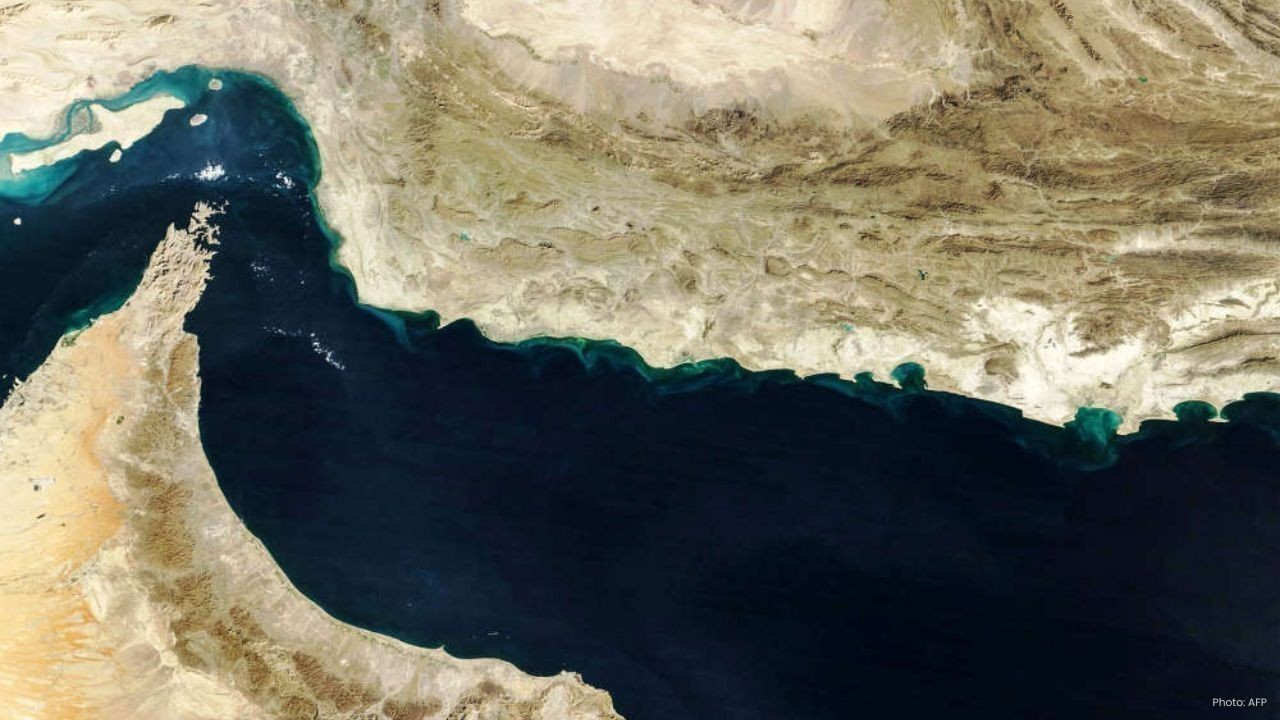
EU explores plan to reopen Strait of Hormuz oil route
EU chief Kaja Kallas discusses UN-backed plan to reopen Strait of Hormuz for oil and gas shipments a

Austria to Activate EU Entry/Exit System at Borders by April 10
Austria will fully implement the EU Entry/Exit System by April 10, requiring biometric data from non


Bank of Baroda Faces Abu Dhabi Legal Battle over NMC Collapse
Bank of Baroda’s involvement in Abu Dhabi litigation tied to the NMC Healthcare collapse raises repu

Top Museum Openings of 2026 Set to Transform Global Tourism
From Los Angeles to Abu Dhabi and Brussels, 2026 brings major museum launches—Lucas Museum, Guggenhe

UAE Tour Highlights UAE’s Strength in Hosting Global Sports Events
Abu Dhabi Sports Council says the successful UAE Tour reflects the UAE’s leading role in hosting maj
EU Seeks Clarity from US After Supreme Court IEEPA Ruling
European Commission urges full transparency from the US on steps after Supreme Court ruling, emphasi
SpaceX Launches 53 New Satellites for Expanding Starlink Network
SpaceX launches 53 Starlink satellites in two Falcon 9 missions, breaking reuse records and expandin
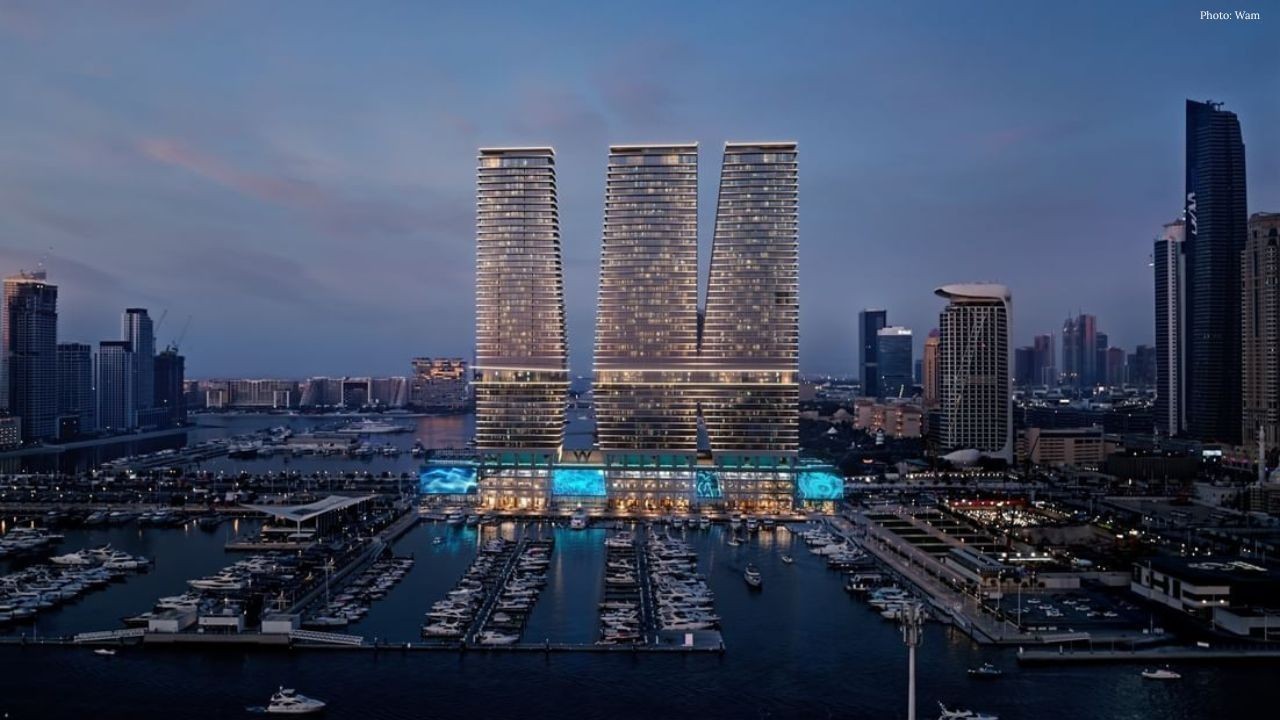
RTA Awards Contract for Phase II of Hessa Street Upgrade in Dubai
Phase II of Hessa Street Development to add bridges, tunnel, and upgraded intersections, doubling ca
UAE Gold Prices Today, Monday 16 February 2026: Dubai & Abu Dhabi Updated Rates
Gold prices in UAE on 16 Feb 2026 updated: 24K around AED 599.75/gm, 22K AED 555.25/gm, and 18K AED
Over 25 Ahmedabad Schools Receive Bomb Threat Email, Authorities Investigate
More than 25 schools in Ahmedabad evacuated after bomb threat emails mentioning Khalistan. Authoriti