
Post by : Anis Karim
The travel industry is experiencing a rapid transformation, driven by technological innovation and evolving consumer expectations. In 2025, travelers are increasingly demanding seamless, personalized, and safe experiences, and the latest travel tech is responding with AI-driven planning, contactless services, and intelligent devices. These innovations are not just improving convenience—they are redefining the entire journey, from planning to arrival, stay, and departure.
The global shift toward digital-first experiences has accelerated due to recent health and safety concerns, growing reliance on mobile devices, and the desire for efficiency. The result is a travel ecosystem where AI, smart devices, and contactless technologies combine to create highly adaptive and personalized experiences.
Artificial intelligence is now at the heart of modern travel planning. Smart algorithms analyze millions of data points, including traveler preferences, budget constraints, historical behavior, and real-time availability, to generate highly personalized itineraries. AI platforms can suggest flights, accommodations, dining, and activities that fit the traveler’s unique profile, saving time and reducing decision fatigue.
AI also helps manage unforeseen disruptions. For instance, if a flight is delayed or a hotel is overbooked, AI-driven systems automatically propose alternatives, minimizing inconvenience. Travelers benefit from a smoother, stress-free planning process that adapts dynamically to their needs.
Safety and efficiency are paramount in 2025, and contactless technology has become standard across airports, hotels, and transport hubs. Travelers can now use mobile boarding passes, biometric identification, and NFC-enabled devices to navigate airports and check into hotels without physical contact.
Digital identity systems are further enhancing security and convenience. These systems store verified traveler information, enabling faster verification while protecting privacy. Contactless payments, automated boarding, and luggage tracking all contribute to a frictionless experience, making travel safer and more efficient.
Another innovation revolutionizing travel is smart luggage. These intelligent suitcases feature GPS tracking, digital locks, weight sensors, and even AI-assisted routing to help travelers navigate airports efficiently. Integration with travel apps allows users to receive real-time updates on their luggage location, helping reduce the stress of lost or delayed bags.
Connected devices extend beyond luggage. Wearable tech, smart passports, and mobile apps now offer alerts for flight updates, security lines, and destination recommendations, ensuring travelers stay informed throughout their journey. These technologies are enhancing convenience while giving users greater control over their travel experience.
Customer service in travel has also evolved through AI. Chatbots and virtual assistants provide 24/7 support, offering answers to booking questions, travel advisories, and local recommendations. AI systems can even detect traveler sentiment and adapt responses to provide empathetic, personalized assistance.
This automation reduces waiting times and frees human staff to handle complex issues, creating a more efficient and satisfying travel experience. Travelers increasingly rely on AI for both guidance and reassurance, knowing support is available instantly.
Personalization is a key driver in travel tech. AI algorithms now analyze traveler behavior to recommend experiences that align with interests, past trips, and real-time location data. For example, a traveler who enjoys culinary tours might receive suggestions for local restaurants, cooking classes, or food markets at their destination.
Hotels and resorts are also using smart systems to customize guest experiences. Room temperature, lighting, entertainment options, and even meal choices can be tailored to individual preferences, creating a highly personalized and memorable stay.
Virtual reality (VR) and augmented reality (AR) are enhancing pre-travel planning and in-destination experiences. Travelers can explore destinations virtually before booking, gaining realistic insights into hotels, attractions, and itineraries. AR applications provide immersive guidance during trips, overlaying navigation, translation, and historical information on real-world views.
These technologies create interactive and educational travel experiences, blending entertainment, learning, and convenience. Travelers can now explore distant locations with unprecedented clarity and immersion, enhancing satisfaction and engagement.
Sustainability is a major consideration in 2025 travel tech. AI-driven platforms help travelers select eco-friendly transportation, accommodations, and activities based on carbon footprint and sustainability ratings. Smart energy management systems in hotels optimize power use, reducing environmental impact.
Technology also enables more efficient transportation, from predictive traffic management to smart public transit apps. By integrating sustainability into travel planning, tech ensures travelers can make environmentally conscious decisions without compromising convenience or experience.
Health and safety remain top priorities for modern travelers. Contactless boarding, touchless hotel check-ins, and real-time health alerts have become standard practices. AI-powered systems monitor crowd density, air quality, and hygiene standards, helping travelers avoid high-risk areas and ensuring safer environments.
Wearable health devices can track vital signs and send alerts if irregularities arise, supporting proactive health management during trips. The combination of AI, IoT, and contactless technology enhances traveler confidence and well-being.
As travel technology becomes more advanced, protecting personal data is critical. Digital identity, biometric verification, and AI-driven personalization rely on vast amounts of sensitive information. Companies must ensure robust encryption, compliance with privacy regulations, and secure data storage to maintain traveler trust.
Travelers are increasingly aware of data privacy and are seeking platforms that prioritize confidentiality while delivering seamless experiences. Ethical handling of personal information is now a defining factor in successful travel tech adoption.
Looking ahead, AI is poised to integrate even more deeply into every aspect of travel. Predictive analytics could forecast travel demand, optimize pricing, and improve resource allocation in airports and hotels. Virtual travel companions may guide individuals through personalized journeys, adapting dynamically to preferences and situational changes.
As AI continues to evolve, the travel experience will become increasingly seamless, adaptive, and intuitive, transforming how people plan, execute, and enjoy trips around the globe.
Travel tech in 2025 is more than convenience—it is redefining the essence of travel. AI, contactless solutions, smart devices, and immersive technologies are making journeys safer, more efficient, and deeply personalized. Travelers now have the tools to navigate the world with unprecedented control, insight, and comfort.
Whether for business or leisure, these innovations demonstrate a future where travel is not only accessible but intelligently designed for each individual. The smart travel revolution is here, and it promises a new era of exploration that is both seamless and enjoyable.
This article is intended for informational purposes only and does not constitute travel or financial advice. Readers should verify travel requirements, health guidelines, and technology usage policies before planning trips.

Dubai Launches Commercial Driverless Taxis with Apollo Go
Dubai Taxi Company partners with Baidu’s Apollo Go to launch driverless taxis, advancing Dubai’s sma

Amelia Kerr Leads NZ to Record ODI Run Chase Against SA
Amelia Kerr’s unbeaten 179 powers New Zealand to record-breaking 348-run chase, beating South Africa
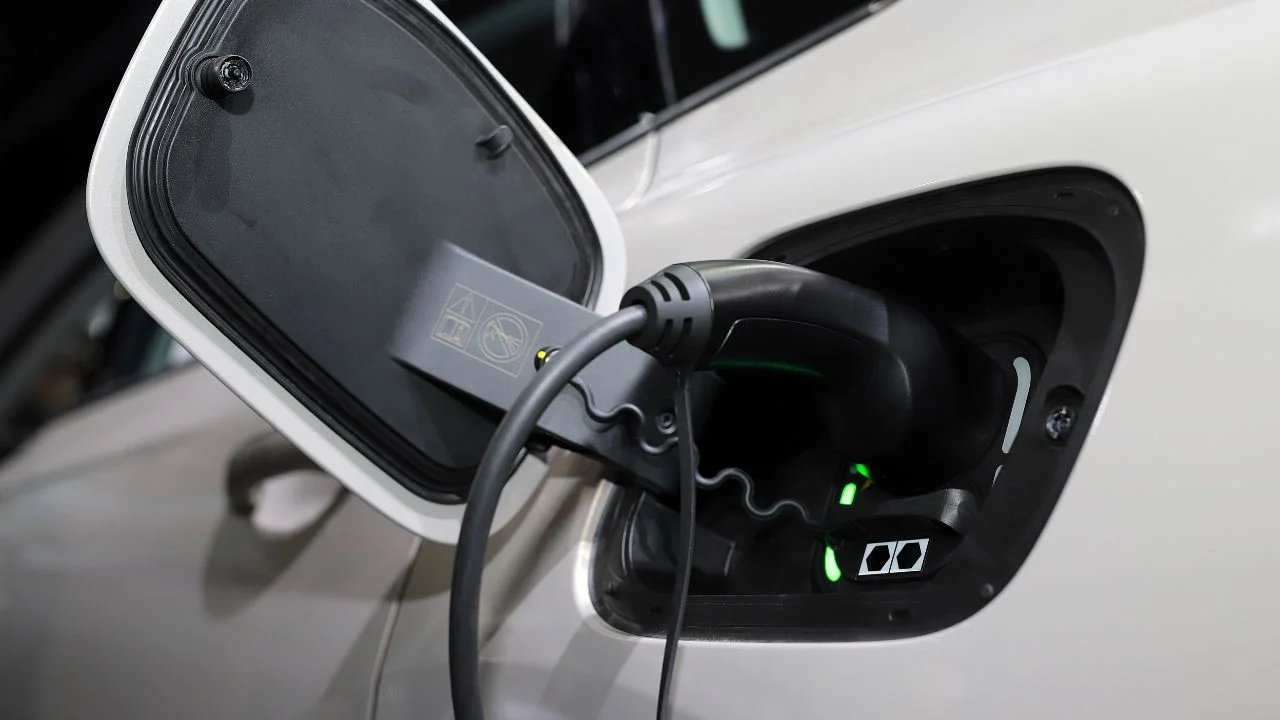
Sharjah Issues New Rules for Electric Vehicle Chargers
Sharjah’s Executive Council sets rules for EV charging stations, detailing installation, tariffs, sa

China VC Funding Hits Record on State-Driven Tech Push
China’s venture capital fundraising is set to hit a record in Q1 2026, led by state-backed investors

Russian Military Plane Crash in Crimea Kills 29 People
A Russian An-26 military plane crashed in Crimea, killing 29 onboard. Authorities suspect technical

IBPC Dubai AGM Strengthens India-UAE Economic Ties
IBPC Dubai AGM highlights growth, inclusivity, and upcoming conclaves, reinforcing India-UAE economi

EU Urges Protection of UNIFIL After Peacekeeper Deaths
EU nations demand protection of UNIFIL forces after deadly attacks, urging restraint and warning aga


Bank of Baroda Faces Abu Dhabi Legal Battle over NMC Collapse
Bank of Baroda’s involvement in Abu Dhabi litigation tied to the NMC Healthcare collapse raises repu

Top Museum Openings of 2026 Set to Transform Global Tourism
From Los Angeles to Abu Dhabi and Brussels, 2026 brings major museum launches—Lucas Museum, Guggenhe

UAE Tour Highlights UAE’s Strength in Hosting Global Sports Events
Abu Dhabi Sports Council says the successful UAE Tour reflects the UAE’s leading role in hosting maj

EU Seeks Clarity from US After Supreme Court IEEPA Ruling
European Commission urges full transparency from the US on steps after Supreme Court ruling, emphasi

SpaceX Launches 53 New Satellites for Expanding Starlink Network
SpaceX launches 53 Starlink satellites in two Falcon 9 missions, breaking reuse records and expandin

RTA Awards Contract for Phase II of Hessa Street Upgrade in Dubai
Phase II of Hessa Street Development to add bridges, tunnel, and upgraded intersections, doubling ca

UAE Gold Prices Today, Monday 16 February 2026: Dubai & Abu Dhabi Updated Rates
Gold prices in UAE on 16 Feb 2026 updated: 24K around AED 599.75/gm, 22K AED 555.25/gm, and 18K AED

Over 25 Ahmedabad Schools Receive Bomb Threat Email, Authorities Investigate
More than 25 schools in Ahmedabad evacuated after bomb threat emails mentioning Khalistan. Authoriti