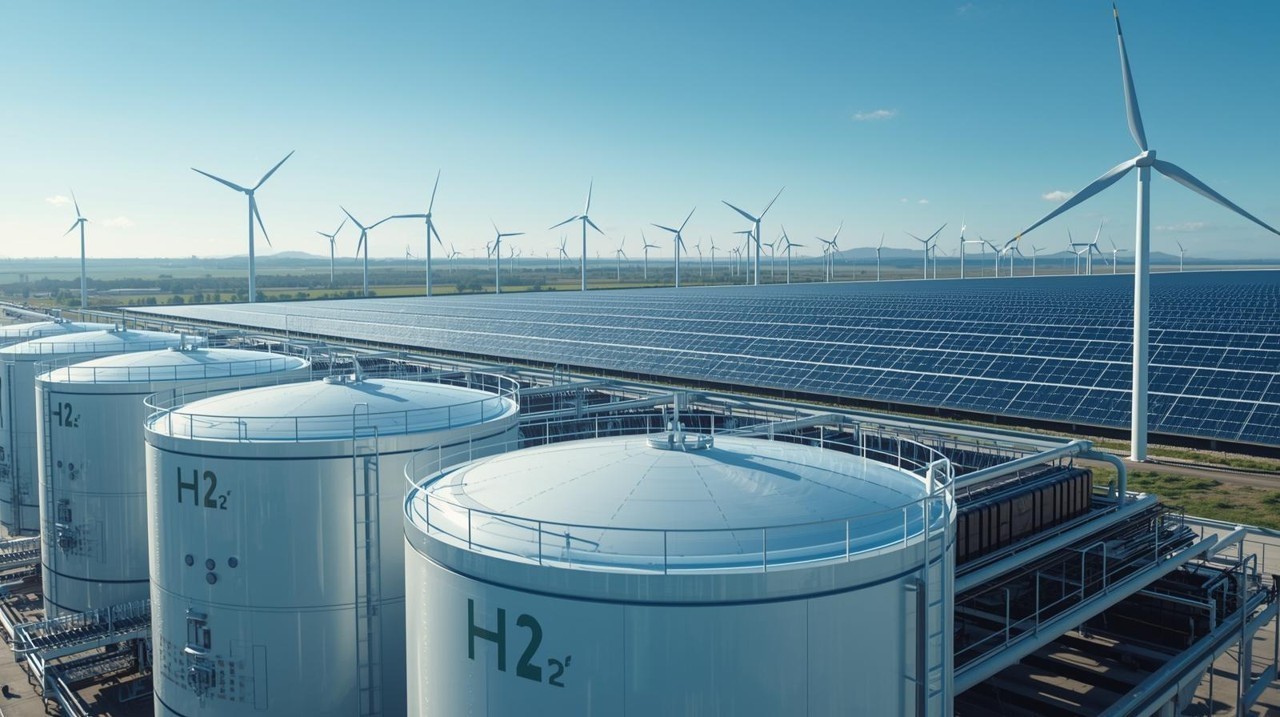
Post by : Sam Jeet Rahman
In the global race toward net-zero emissions, the world is searching for energy solutions that can power industries, transport, and homes—without harming the planet. Among all emerging technologies, green hydrogen stands out as a potential game-changer. It promises to replace fossil fuels, decarbonize heavy industries, and create a cleaner, more sustainable energy future. But can green hydrogen truly live up to the hype? Let’s explore how it works, its benefits, challenges, and what makes it the next big thing in clean energy.
Hydrogen is one of the most abundant elements in the universe, but it doesn’t exist freely in nature—it must be extracted from compounds like water or natural gas. The method used for extraction determines how “clean” the hydrogen is.
Grey hydrogen is made from natural gas, producing high CO₂ emissions.
Blue hydrogen is similar but uses carbon capture to reduce emissions.
Green hydrogen, the cleanest form, is produced through electrolysis—a process that splits water (H₂O) into hydrogen and oxygen using electricity from renewable sources like wind or solar power.
Since no carbon dioxide is emitted during this process, green hydrogen is considered 100% clean and sustainable.
Global energy systems are under immense pressure to transition away from fossil fuels. Green hydrogen offers several advantages that make it uniquely powerful in this shift:
Zero Emissions: It only produces water vapor when used as fuel, making it ideal for decarbonizing transportation and industries.
Energy Storage Solution: Renewable energy is often intermittent—solar power works only during the day, and wind depends on weather. Hydrogen can store excess renewable energy and release it when needed.
Versatility: Hydrogen can power everything from cars and buses to airplanes and factories. It can also be used to generate electricity or heat buildings.
Decarbonizing Heavy Industries: Sectors like steel, cement, and chemicals—traditionally difficult to decarbonize—can use hydrogen instead of coal or natural gas.
Countries around the world are investing heavily in hydrogen to meet their climate goals. Governments and private companies are setting ambitious targets to scale up production.
Europe has launched a comprehensive Hydrogen Strategy aiming to produce millions of tons of green hydrogen by 2030.
Japan is developing hydrogen fuel cell vehicles and infrastructure as part of its long-term energy plan.
Australia is positioning itself as a major exporter of green hydrogen due to its abundant solar and wind resources.
The UAE and Saudi Arabia are investing in large-scale hydrogen projects as part of their transition from oil-based economies to renewable energy leaders.
This growing international focus shows that green hydrogen is no longer a futuristic idea—it’s becoming a central part of global energy strategies.
Electrolysis Process: Renewable electricity splits water molecules into hydrogen and oxygen.
Storage and Transport: Hydrogen is stored in tanks or pipelines, often compressed or liquefied for easier transport.
End Use: It powers fuel cells to generate electricity, or is burned directly as fuel for industrial processes and vehicles.
This clean cycle ensures that no greenhouse gases are emitted at any stage, as long as renewable energy powers the process.
Green hydrogen is not limited to one sector—it has the potential to revolutionize multiple industries:
Hydrogen fuel cell vehicles emit only water vapor. For long-haul trucks, ships, and airplanes—where battery-powered alternatives face limitations—hydrogen offers a powerful alternative. Hydrogen-powered buses and trains are already in use across Europe and Asia.
Green hydrogen can store surplus renewable energy and convert it back into electricity during peak demand. This flexibility helps stabilize national power grids and makes renewable energy more reliable.
Industries like steel, cement, and fertilizer production can replace fossil fuels with hydrogen, cutting millions of tons of CO₂ emissions annually.
Hydrogen can be blended with natural gas to heat homes and buildings, reducing overall emissions from the heating sector.
Analysts predict that the global green hydrogen market could be worth over $400 billion by 2040, creating millions of jobs worldwide. Countries investing early in hydrogen production and export infrastructure are likely to gain a competitive edge in the clean energy economy.
Hydrogen also opens opportunities for energy independence. By producing green hydrogen domestically, nations can reduce reliance on imported fossil fuels and ensure greater energy security.
Despite its promise, green hydrogen faces several challenges that must be addressed before it becomes mainstream.
High Production Costs: Electrolysis is still expensive compared to fossil fuel alternatives.
Infrastructure Limitations: Transporting and storing hydrogen safely requires specialized pipelines and storage systems.
Energy Efficiency: Producing hydrogen and converting it back to energy can lead to efficiency losses.
Water Demand: Electrolysis requires pure water, which may pose sustainability challenges in arid regions.
However, as technology improves and renewable energy costs continue to fall, experts expect green hydrogen to become economically competitive within the next decade.
The 2020s are set to be the decade of hydrogen innovation. Governments are introducing supportive policies, and major energy companies are building pilot projects to test large-scale production.
If current trends continue, green hydrogen could power industries, transportation, and homes by 2035—replacing fossil fuels in sectors once considered impossible to decarbonize.
With international collaborations, declining renewable costs, and breakthroughs in electrolyzer technology, the world is moving closer to a hydrogen-powered economy.
Green hydrogen is more than just an alternative fuel—it’s a symbol of the future. It offers a clean, efficient, and sustainable way to power our world without compromising the environment.
While challenges remain, global commitment to innovation and sustainability is accelerating its adoption. As countries invest billions in infrastructure and research, green hydrogen may indeed become the next big clean energy revolution, shaping a greener and more resilient future for generations to come.

Iran Issues Warnings as US Plans Naval Blockade
Iran cautions that Gulf ports face threats as the US readies a blockade, escalating tensions and jeo

Kuala Lumpur Pays Tribute to Adibah Amin
Kuala Lumpur honors Adibah Amin as RM100,000 raised for her medical care during legacy book launch e
Lane Closures Initiated on Highway 417 This Summer
Expect delays on Highway 417 as lane closures start for summer construction in Ottawa, affecting tra

Tragic Fatality as SkyTrain Strikes Man in Vancouver
A man was fatally injured by a SkyTrain in Vancouver, a police investigation indicates the tragedy i

New Setbacks in Gaza Ceasefire as Israeli Fire Claims Three Lives
Tensions soar as Israeli forces kill three Palestinians, jeopardizing Gaza ceasefire negotiations an
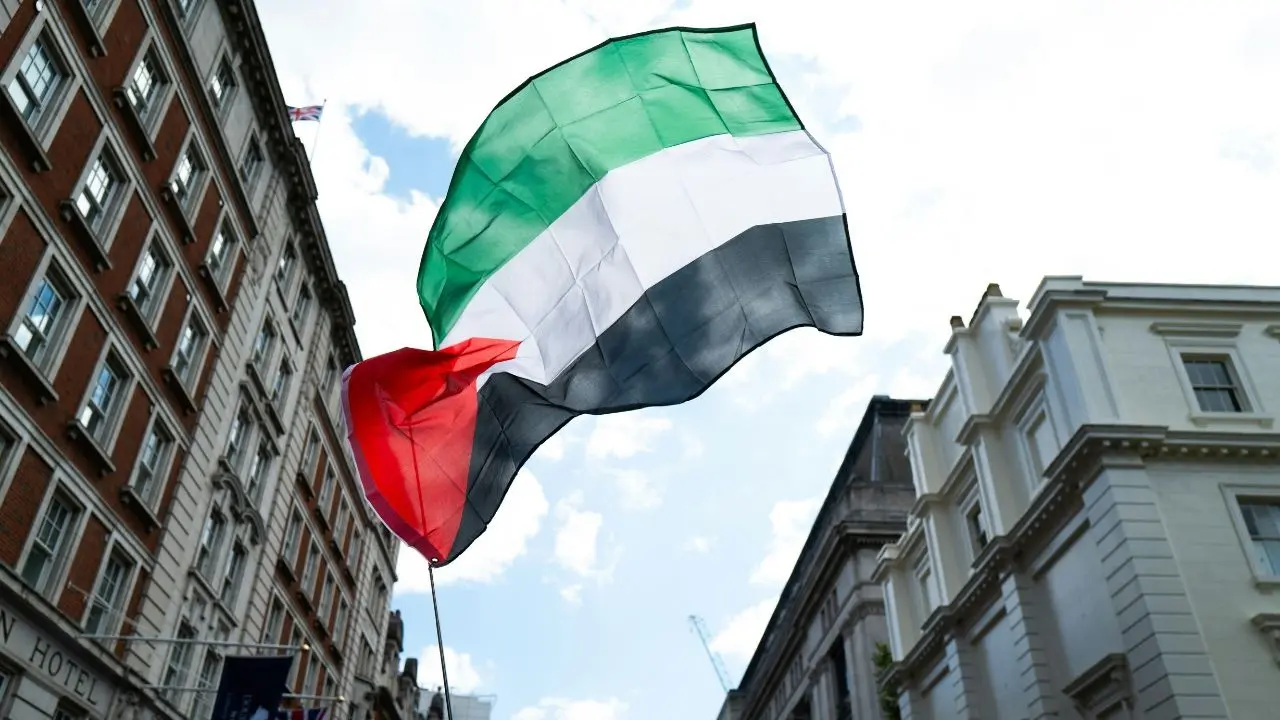
Singapore Prohibits Gaza Symbols at Public Gathering
Organisers at Hong Lim Park's Speakers’ Corner are warned against any displays related to the Israel

Trump Hits Back at Pope Leo XIV Over Iran Remarks
Trump's social media attack on Pope Leo XIV highlights rising tensions over Iran and foreign policy

Actual Cost of Living in Dubai for a Family : Rent, School Fees & Monthly Expenses
Discover the real cost of living in Dubai for a small family in 2026, including rent, school fees, g

Asha Bhosle Legacy (1933–2026): Iconic Songs, Life Story & 8 Decades of Indian Music
Explore the legendary journey of Asha Bhosle, her timeless songs, struggles, achievements, and impac

What Are Some High-Income Skills I Can Learn From Home?
Learn high-income skills from home like writing, digital marketing, and design to start earning onli

What Happens If You Skip Breakfast Every Day? The Silent Damage Your Body Feels
Skipping breakfast daily? Discover how it affects your energy, mood, metabolism, and eating habits i

Asha Bhosle: The Untold Life Story of India’s Most Versatile Voice and Her Final Goodbye
Discover the complete life story of Asha Bhosle, her struggles, career, personal journey, and legacy
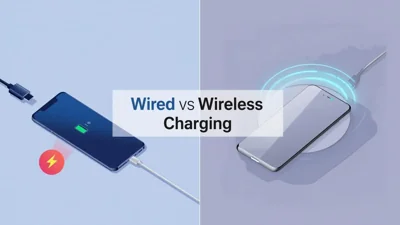
Wired vs Wireless Charging: Which Is Better for Speed and Battery Health?
Wired vs wireless charging explained. Learn which is faster, safer for battery life, and better for

Sent Email by Mistake? Easy Ways to Unsend or Fix It Fast
Sent an email by mistake? Learn how to unsend, recall, or fix emails quickly with simple tips to pre

Foods You Should Avoid in Summer to Stay Safe in the Heat
Avoid harmful foods in summer heat. Learn what not to eat to stay cool, hydrated, and healthy with s