
Post by : Anis Karim
Over the past decade, interior design has undergone a remarkable transformation, driven by a growing global consciousness about environmental sustainability. Homeowners, architects, and designers are prioritizing eco-friendly choices, moving beyond aesthetics to embrace materials that minimize ecological footprints. This shift reflects a larger cultural change, where conscious living and environmental responsibility have become central to how we shape our homes and workplaces. Sustainability is no longer a trend; it is a defining factor in the evolution of modern interiors.
The modern consumer wants interiors that look luxurious while being environmentally sound. The days when sustainability was associated with plain or unattractive designs are long gone. Today’s green interiors are chic, sophisticated, and highly functional, proving that sustainable materials can offer beauty and practicality in equal measure. This has given rise to a booming market for materials that are renewable, recycled, and ethically sourced.
Environmental concerns, climate change, and the depletion of natural resources have compelled industries worldwide to rethink their practices, and interior design is no exception. The construction and design industry significantly contributes to carbon emissions, primarily through material production and waste generation. By adopting sustainable alternatives, the industry reduces its carbon footprint and conserves valuable resources.
Sustainable materials not only benefit the planet but also improve indoor air quality and human health. Many traditional products, such as paints and adhesives, release volatile organic compounds (VOCs), which can be harmful when inhaled over time. Eco-friendly alternatives eliminate or significantly reduce such risks, creating healthier living spaces for occupants.
Consumers are increasingly demanding transparency from brands about sourcing and environmental practices. As a result, designers are aligning with manufacturers who prioritize sustainability and offer certified green products. This shift signals a long-term change, embedding sustainability as a core value rather than a temporary trend.
When it comes to sustainable interior design, certain materials are leading the revolution. Each offers unique benefits, combining durability with minimal environmental impact.
1. Bamboo:
Bamboo has become a favorite for flooring, wall paneling, and furniture. It grows quickly, requires minimal pesticides, and regenerates after harvesting without the need for replanting. Its strength and flexibility make it an excellent alternative to hardwood.
2. Reclaimed Wood:
Reclaimed or recycled wood reduces the demand for new timber and gives a second life to previously used wood. It adds character and warmth to interiors, offering a rustic yet elegant aesthetic.
3. Cork:
Harvested from the bark of cork oak trees without harming the plant, cork is highly renewable. Its natural cushioning and insulation properties make it ideal for flooring and wall coverings.
4. Recycled Metal and Glass:
These materials prevent waste from ending up in landfills and reduce the need for raw material extraction. They are versatile, stylish, and perfect for modern, industrial-inspired interiors.
5. Organic Fabrics:
Materials such as organic cotton, hemp, and linen are gaining popularity for upholstery and curtains. They are produced without harmful chemicals and are biodegradable.
Technology is accelerating the adoption of sustainable design practices. From 3D-printed furniture made of recycled plastics to advanced eco-friendly composites, innovation is making green materials more accessible and cost-effective. Digital platforms enable designers to trace the origin of materials, ensuring ethical sourcing and compliance with environmental standards.
Smart home technology complements sustainable materials by optimizing energy efficiency. Automated lighting, climate control, and energy-monitoring systems reduce waste and align with the eco-conscious lifestyle.
Despite progress, challenges remain. Sustainable materials often come at a higher upfront cost, which can deter budget-conscious homeowners. Limited availability and lack of awareness also slow adoption. However, as demand grows, economies of scale and technological advancements are expected to lower costs, making sustainability mainstream.
The future of interior design is undeniably green. Governments, industry leaders, and consumers are converging on sustainability as a shared priority. Certifications such as LEED and WELL are becoming benchmarks for quality, and designers who embrace eco-friendly practices will lead the next era of innovation.
Sustainable interior design is not just an aesthetic choice—it’s an ethical commitment. It reflects a lifestyle centered on responsibility, health, and long-term thinking. For homeowners, it means creating spaces that nurture well-being while minimizing environmental harm. For designers, it offers a canvas to blend creativity with purpose.
As the industry moves toward carbon neutrality, sustainable materials will define how we build and decorate our spaces. The coming years promise a design landscape where style, sustainability, and technology work hand in hand, shaping homes and workplaces that are as beautiful as they are responsible.
This article is intended for informational purposes only and does not endorse specific products or brands. Readers should consult design professionals for personalized recommendations.

Dubai Launches Commercial Driverless Taxis with Apollo Go
Dubai Taxi Company partners with Baidu’s Apollo Go to launch driverless taxis, advancing Dubai’s sma

Amelia Kerr Leads NZ to Record ODI Run Chase Against SA
Amelia Kerr’s unbeaten 179 powers New Zealand to record-breaking 348-run chase, beating South Africa

Sharjah Issues New Rules for Electric Vehicle Chargers
Sharjah’s Executive Council sets rules for EV charging stations, detailing installation, tariffs, sa

China VC Funding Hits Record on State-Driven Tech Push
China’s venture capital fundraising is set to hit a record in Q1 2026, led by state-backed investors

Russian Military Plane Crash in Crimea Kills 29 People
A Russian An-26 military plane crashed in Crimea, killing 29 onboard. Authorities suspect technical
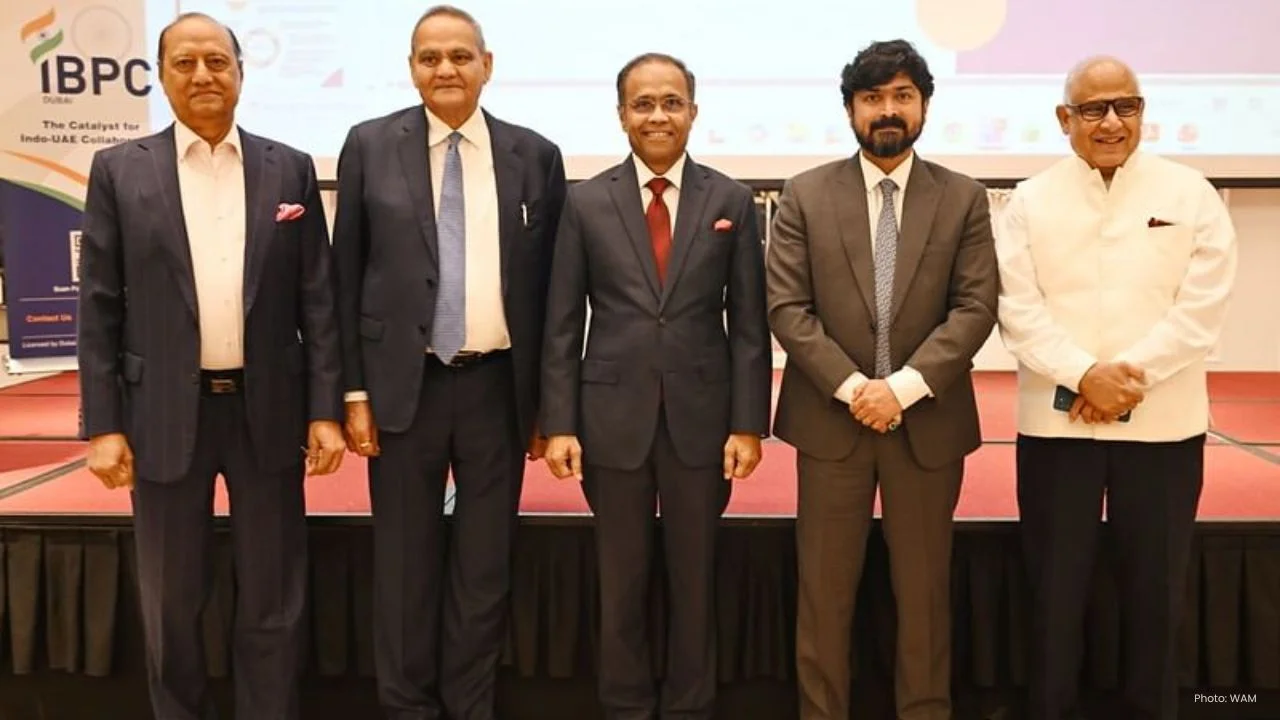
IBPC Dubai AGM Strengthens India-UAE Economic Ties
IBPC Dubai AGM highlights growth, inclusivity, and upcoming conclaves, reinforcing India-UAE economi

EU Urges Protection of UNIFIL After Peacekeeper Deaths
EU nations demand protection of UNIFIL forces after deadly attacks, urging restraint and warning aga


Bank of Baroda Faces Abu Dhabi Legal Battle over NMC Collapse
Bank of Baroda’s involvement in Abu Dhabi litigation tied to the NMC Healthcare collapse raises repu

Top Museum Openings of 2026 Set to Transform Global Tourism
From Los Angeles to Abu Dhabi and Brussels, 2026 brings major museum launches—Lucas Museum, Guggenhe

UAE Tour Highlights UAE’s Strength in Hosting Global Sports Events
Abu Dhabi Sports Council says the successful UAE Tour reflects the UAE’s leading role in hosting maj

EU Seeks Clarity from US After Supreme Court IEEPA Ruling
European Commission urges full transparency from the US on steps after Supreme Court ruling, emphasi

SpaceX Launches 53 New Satellites for Expanding Starlink Network
SpaceX launches 53 Starlink satellites in two Falcon 9 missions, breaking reuse records and expandin
RTA Awards Contract for Phase II of Hessa Street Upgrade in Dubai
Phase II of Hessa Street Development to add bridges, tunnel, and upgraded intersections, doubling ca

UAE Gold Prices Today, Monday 16 February 2026: Dubai & Abu Dhabi Updated Rates
Gold prices in UAE on 16 Feb 2026 updated: 24K around AED 599.75/gm, 22K AED 555.25/gm, and 18K AED

Over 25 Ahmedabad Schools Receive Bomb Threat Email, Authorities Investigate
More than 25 schools in Ahmedabad evacuated after bomb threat emails mentioning Khalistan. Authoriti