Post by : Anis Karim
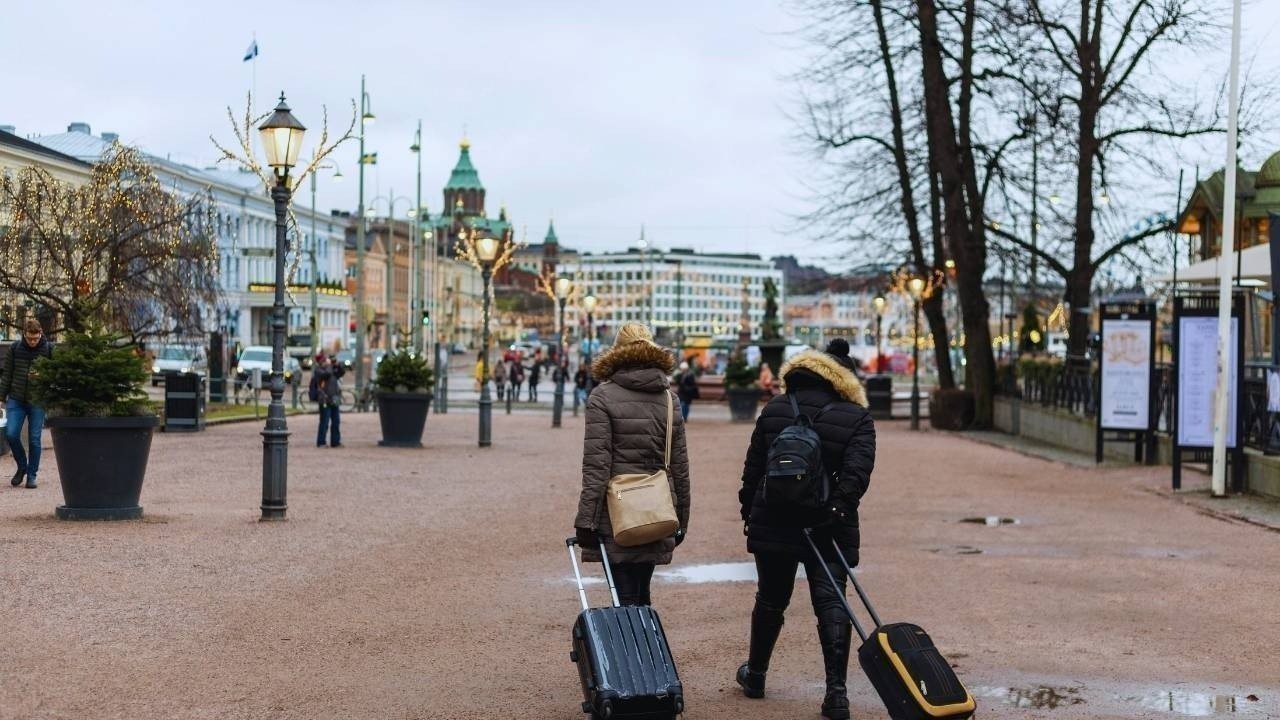
Travel exposes people to environments they’re not used to—crowded airports, packed trains, varying temperatures, unfamiliar climates, new routines and disrupted sleep. All these factors reduce the body’s natural defenses and increase the risk of catching colds or seasonal flu. During peak travel months, people come from different regions carrying different strains of viruses, which circulate rapidly in enclosed spaces.
In today’s fast-paced world, travel is essential for many—work trips, family visits, leisure breaks, festivals and events. But getting sick while traveling can turn an entire itinerary upside down. Fortunately, with awareness and simple habits, travelers can protect themselves effectively.
This article offers practical, everyday guidance for staying healthy on the move—without stress, complicated rules or unrealistic routines.
Seasonal viruses spread through droplets, contaminated surfaces and close contact. Travel magnifies these conditions for several reasons:
crowded spaces
poor ventilation
temperature shifts
lack of rest
low hydration
frequent surface touching
shared facilities
Airports, airplanes, train stations, hotel lobbies and tourist attractions bring people together in confined spaces where germs thrive. Even healthy individuals can become vulnerable when routines change and immunity dips.
Recognizing these patterns helps travelers take smarter precautions.
Good preparation starts long before the journey. Strengthening the body beforehand makes it easier to handle stress and exposure.
Helpful pre-travel habits include:
consistent sleep
balanced meals
hydration
light exercise
regular sunlight exposure
Even a week of better sleeping and eating can boost resilience. Small habits like reducing sugar, adding fruits and vegetables and staying hydrated support immunity naturally.
Many travelers rush into trips after late-night packing, last-minute work or lack of sleep. Fatigue weakens the immune system more than they realize.
Starting a journey well-rested makes a noticeable difference in how the body handles exposure to viruses.
A travel health kit becomes extremely useful during flu/cold season. It helps manage symptoms early and prevents small issues from becoming bigger problems.
A basic kit may include:
hand wipes
pocket tissues
face masks
lozenges
a small thermometer
saline nasal spray
warm socks
basic over-the-counter relief
electrolytes
a small bottle of sanitizer
These items are light, easy to carry and useful in airports, public transport and hotels.
Travel often leads to dehydration—long flights, dry cabin air, coffee consumption, irregular meals and excitement all contribute. When the body is dehydrated, mucus membranes dry up and can’t trap viruses effectively.
Sipping water consistently keeps the throat moist and improves natural defenses. Carrying a refillable water bottle helps maintain the habit.
One of the most effective yet simplest prevention tips is avoiding face touching. Viruses enter through the eyes, nose and mouth, and people often touch surfaces without realizing how many others touched them too.
Being mindful of face-touching is surprisingly powerful in reducing risk.
While masks are no longer a constant requirement globally, they remain extremely helpful during flu/cold seasons in:
airplanes
crowded metros
busy airport gates
indoor attractions
public restrooms
long bus rides
Wearing a mask in extremely crowded areas is not about fear—it’s about reducing exposure when proximity is unavoidable.
Whether in an airplane seat, hotel room, taxi or waiting lounge, ventilation matters.
Wherever possible:
choose seats with airflow
open a window in cars
avoid sitting directly in stagnant corners
let fresh air circulate in hotel rooms
Good airflow dilutes viruses and reduces concentration in enclosed spaces.
It’s not always easy, but maintaining even a small amount of distance in crowded places helps. Standing a little further in queues, choosing quieter boarding zones or avoiding tightly packed lifts adds layers of protection.
Travelers don’t need complete isolation—just thoughtful spacing.
Hand hygiene remains one of the strongest defenses against flu and cold. Washing hands with soap whenever possible and using sanitizer in between reduces exposure significantly.
High-touch points include:
airplane tray tables
seatbelt buckles
security bins
lift buttons
hotel remotes
door handles
restaurant menus
Sanitizing after touching these surfaces is a simple yet influential habit.
Seasonal colds often begin when the body is exposed to sudden temperature drops. Airports and flights are famously cold, and many people underestimate the chill in vehicles, lobbies and buses.
Carrying layers such as scarves, light jackets or wraps helps maintain warmth. Keeping the neck, chest and feet warm prevents sudden discomfort.
It sounds simple, but cold beverages during flights or late evenings can irritate the throat, especially when paired with dry air. Warm water or room-temperature drinks are gentler on the throat.
Long gaps between meals can lower energy and disturb natural immunity. Small, nourishing snacks like nuts, fruits or simple sandwiches help maintain balance during travel.
Avoiding excessive sugar and ultra-processed snacks also supports better immunity.
Many passengers fear the overhead vent, but it actually helps create airflow. However, blasting cold air directly onto the face increases dryness.
The ideal approach is angling the vent slightly away from the face to create a shield of circulating air without hitting the skin directly.
Movement improves circulation, boosts energy and helps the immune system function better.
During long flights or train journeys, travelers can:
walk briefly
stretch legs
roll shoulders
move ankles
change sitting posture
These small movements prevent stiffness and support overall wellbeing.
Stress weakens immunity, making people more susceptible to illness. Travel often triggers stress due to:
tight schedules
airport security checks
unexpected delays
navigation challenges
heavy luggage
Managing stress through breathing exercises, mindful pauses or simply slowing down reduces its impact on the immune system.
Once at the destination, hotels become the second major environment where germs circulate. Taking a few minutes to clean high-contact surfaces makes a big difference.
Wiping surfaces such as:
remote controls
light switches
doorknobs
bathroom counters
kettle handles
creates a cleaner space. Avoiding the bedspread (often rarely washed) by folding it aside is also a smart habit.
Restaurants become hotspots during flu seasons because people remove masks to eat. Choosing:
open-air seating
less crowded areas
tables slightly away from congestion
reduces exposure while still letting travelers enjoy local food.
Many travelers fall sick after reaching their destination because they forget to rehydrate. Drinking water helps counter:
dry cabin air
long transit
sudden climate changes
fatigue
It also helps remove throat dryness caused by long sitting hours.
Travelers can still enjoy cities without constantly being in packed indoor areas. Choosing outdoor attractions, parks, open markets and nature spots offers safer alternatives during flu seasons.
Indoor experiences can be balanced with outdoor explorations.
Arriving in a colder or hotter climate shocks the body. Dressing appropriately from the first day helps the body adjust without stress.
Many travelers fall sick because they underestimate early mornings or late evenings in new environments.
Dry air irritates the nose and throat, making it easier for viruses to settle. A basic saline spray keeps nasal passages moist and supports natural filtration—especially useful in flight cabins and cold places.
Travel hospitality sometimes creates close contact—shared food, shared bottles or exchanged towels. Avoiding shared items reduces transmission risks in group travel.
The simplest but most overlooked advice is listening to early signs:
scratchy throat
unusual fatigue
mild headache
dry cough
slight chills
Addressing symptoms early—rest, hydration, warm liquids—prevents escalation.
Even with precautions, illness sometimes happens. Planning for it avoids panic.
Keep a small supply of essential items
Know nearby medical facilities
Have basic remedies handy
Build rest time into the schedule
Travel becomes smoother when travelers feel prepared.
Travel during flu/cold season doesn’t need to be stressful. With mindful preparation, balanced habits and simple hygiene routines, people can enjoy their journeys without compromising health. The goal is not fear, but awareness—knowing how to protect the body while exploring the world.
Smarter choices lead to safer adventures.
This article is for general informational and lifestyle purposes only. It does not offer medical advice or replace professional guidance. Travelers with health conditions or ongoing symptoms should consult a qualified healthcare provider.

Dubai Launches Commercial Driverless Taxis with Apollo Go
Dubai Taxi Company partners with Baidu’s Apollo Go to launch driverless taxis, advancing Dubai’s sma

Amelia Kerr Leads NZ to Record ODI Run Chase Against SA
Amelia Kerr’s unbeaten 179 powers New Zealand to record-breaking 348-run chase, beating South Africa
Sharjah Issues New Rules for Electric Vehicle Chargers
Sharjah’s Executive Council sets rules for EV charging stations, detailing installation, tariffs, sa

China VC Funding Hits Record on State-Driven Tech Push
China’s venture capital fundraising is set to hit a record in Q1 2026, led by state-backed investors

Russian Military Plane Crash in Crimea Kills 29 People
A Russian An-26 military plane crashed in Crimea, killing 29 onboard. Authorities suspect technical

IBPC Dubai AGM Strengthens India-UAE Economic Ties
IBPC Dubai AGM highlights growth, inclusivity, and upcoming conclaves, reinforcing India-UAE economi

EU Urges Protection of UNIFIL After Peacekeeper Deaths
EU nations demand protection of UNIFIL forces after deadly attacks, urging restraint and warning aga


Bank of Baroda Faces Abu Dhabi Legal Battle over NMC Collapse
Bank of Baroda’s involvement in Abu Dhabi litigation tied to the NMC Healthcare collapse raises repu

Top Museum Openings of 2026 Set to Transform Global Tourism
From Los Angeles to Abu Dhabi and Brussels, 2026 brings major museum launches—Lucas Museum, Guggenhe

UAE Tour Highlights UAE’s Strength in Hosting Global Sports Events
Abu Dhabi Sports Council says the successful UAE Tour reflects the UAE’s leading role in hosting maj

EU Seeks Clarity from US After Supreme Court IEEPA Ruling
European Commission urges full transparency from the US on steps after Supreme Court ruling, emphasi

SpaceX Launches 53 New Satellites for Expanding Starlink Network
SpaceX launches 53 Starlink satellites in two Falcon 9 missions, breaking reuse records and expandin

RTA Awards Contract for Phase II of Hessa Street Upgrade in Dubai
Phase II of Hessa Street Development to add bridges, tunnel, and upgraded intersections, doubling ca

UAE Gold Prices Today, Monday 16 February 2026: Dubai & Abu Dhabi Updated Rates
Gold prices in UAE on 16 Feb 2026 updated: 24K around AED 599.75/gm, 22K AED 555.25/gm, and 18K AED

Over 25 Ahmedabad Schools Receive Bomb Threat Email, Authorities Investigate
More than 25 schools in Ahmedabad evacuated after bomb threat emails mentioning Khalistan. Authoriti