Post by : Anis Karim
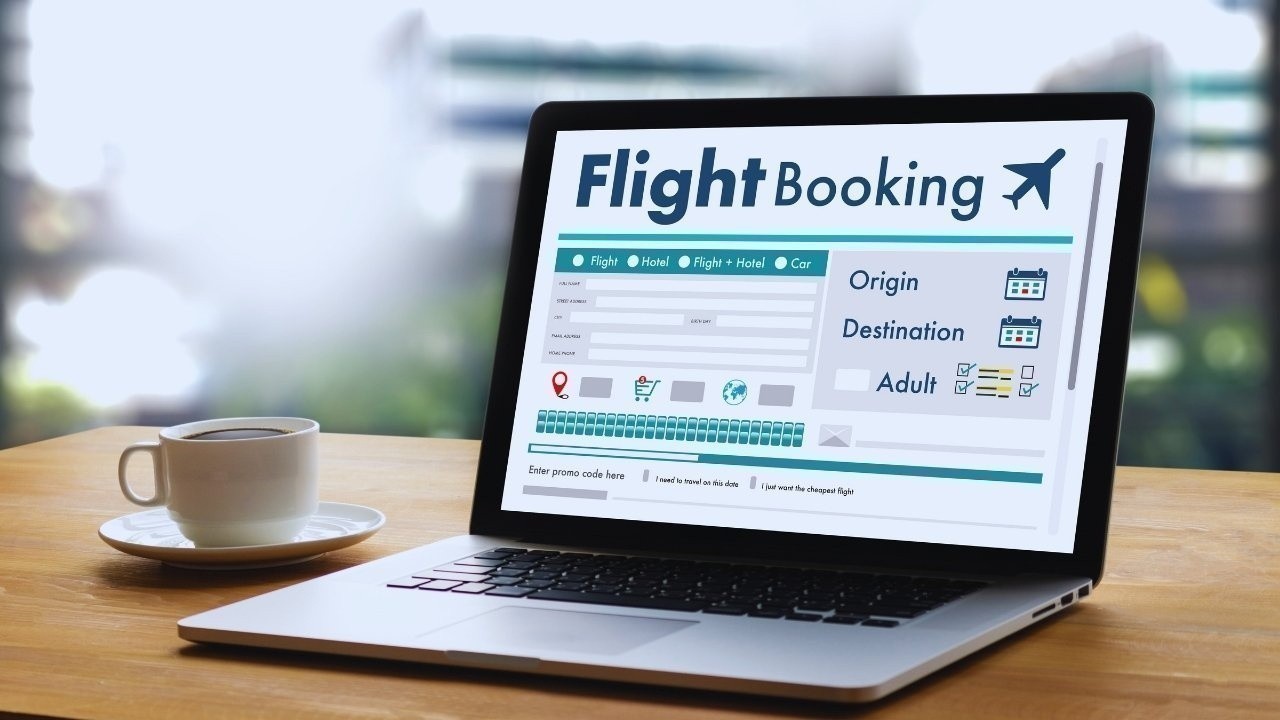
Booking flights used to be simple, but in recent years, unpredictable travel patterns, dynamic pricing algorithms, demand surges, and new airline strategies have made flight fares more volatile than ever. One day a ticket is affordable; the next, it jumps dramatically. Travellers often feel uncertain about when to book, which platform to use, or how to avoid overpaying.
Understanding how airlines price tickets today helps travellers save significantly. Smart booking doesn’t depend on luck but on knowing how pricing works, how demand fluctuates, and what patterns affect airfare. Whether you're flying domestically or internationally, having a strategy ensures you get reasonable fares without last-minute panic.
This article breaks down the most practical, updated insights into booking flights smartly—based on current travel behaviour, airline policies, and fare patterns.
Airlines use dynamic pricing, meaning fares change constantly based on demand, availability, season, booking window, historical patterns, and competitor pricing.
• Seasonal demand
• Day and time of booking
• Destination popularity
• Fuel prices
• Business travel cycles
• Weekend vs weekday travel patterns
• Holiday periods
• School vacation schedules
• Route competition
• Booking window proximity
Once you understand the logic behind these fluctuations, you can predict patterns and book strategically.
There is no universal golden rule, but current travel trends suggest the following windows work best:
30–45 days in advance
Booking too early or too late often leads to higher prices.
2–4 months in advance
Long-haul routes see sharper price jumps as the date gets closer.
3–6 months in advance
Demand-driven routes get expensive early.
Possible only on less popular routes, but unreliable in current travel patterns.
Planning within these windows increases your chances of landing balanced fares.
Flight prices vary throughout the week based on demand and corporate travel trends.
• Mid-week (Tuesday–Thursday) generally shows more stable pricing.
• Monday mornings often spike due to business travel.
• Weekends see searches but not always lower prices.
• Friday evenings sometimes show slightly lower rates as demand fluctuates.
These aren’t rigid rules but consistent patterns across most routes.
Choosing travel days wisely often matters more than when you book.
• Tuesdays
• Wednesdays
• Saturdays
These days have fewer business travellers and less weekend rush.
• Fridays and Sundays
• Mondays during peak corporate travel periods
• Days near major holidays or long weekends
Flexible dates significantly reduce your airfare.
Time of day influences pricing.
• Early morning flights
• Late-night or red-eye flights
• Mid-morning flights (peak business travel)
• Evening flights (after office hours)
Travellers who can adjust flight timing usually save more.
Some cities have multiple airports—and choosing wisely can make a big difference.
• One airport serves more budget airlines
• Secondary airports charge lower fees
• Alternate airports are less congested
• One airport has stronger airline competition
A small route adjustment often slashes fares significantly.
A rigid schedule is the biggest reason travellers overpay.
Being flexible by even one or two days can change prices by a large margin.
• Low-demand days offer cheaper fares
• Airlines reduce price when seats remain unfilled
• Weekend and weekday differences create pricing gaps
If your purpose allows date flexibility, always compare flights across multiple days.
Travel seasons heavily affect airfare.
• Summer vacations
• Festive months
• New Year period
• Long weekends
• School holidays
• Major events in destination countries
• Weeks immediately after major holidays
• Shoulder months (between peak seasons)
• Off-season months for beaches/mountains
Booking in shoulder seasons offers the best mix of comfort, crowd control, and pricing.
Certain triggers cause sudden fare hikes.
• A long weekend is near
• A festival is approaching
• Seat availability drops
• You search repeatedly on popular routes
• Travel announcements or visa changes occur
• Fuel prices rise
Recognise these moments and book before the surge hits.
Nonstop flights are convenient but costly. Multi-city or connecting routes often offer better deals.
• Booking separate legs with different airlines
• Using regional carriers for shorter segments
• Checking routes through less congested hubs
• Using nearby airports for cheaper connections
• Combining direct outbound with connecting inbound routes
Mix-and-match itineraries often outperform standard round-trip booking.
Budget airlines offer some of the cheapest fares, but only when you understand their structure.
• Cheap base fare
• Extra fees for baggage
• Paid seat selection
• Strict check-in rules
• Limited free date changes
• No free meals
Budget carriers are ideal only when you travel light and follow guidelines carefully.
Certain payment options offer benefits like discounts, cashback, or waived fees.
• Travel credit cards
• Co-branded airline cards
• Wallet-based cashback
• Bank discount periods
• EMI options during price spikes
Choosing the right payment method adds another layer of savings.
Tracking prices manually is time-consuming. Price alerts automate the process by notifying you when fares drop.
• Early warnings for price dips
• Tracking historical price behaviour
• Automated comparisons
• Alerts when prices rise
Use fare alerts for expensive or long-haul destinations.
Booking for multiple people can be tricky. Many travellers don’t realise group fares can sometimes be higher.
• Check prices individually before group booking
• Split booking into smaller segments
• Avoid booking all seats in a single transaction
• Look for group discounts only through official airline channels
Understanding how airlines distribute seat categories helps reduce group booking costs.
Seat selection often adds extra charges.
• Skip paid seat selection unless necessary
• Check-in early to get better free seat options
• Avoid unnecessary upgrades unless the difference is minimal
• Compare seat maps to avoid cramped or noisy sections
Seat strategy depends on flight duration and personal preference.
Airline pricing can include unexpected charges.
• Convenience fees
• Seat selection costs
• Baggage charges
• Meal fees
• Rescheduling penalties
• Payment gateway fees
Reading the breakdown carefully saves you from last-minute surprises.
Flight delays and cancellations are more common today.
• Flights get rescheduled
• Baggage gets delayed
• Weather disrupts your trip
• Medical emergencies occur
• You need to cancel the trip
Choosing insurance at booking time is smarter—and often cheaper.
Refundable tickets cost more but offer flexibility.
• Your schedule may change
• You're travelling for business
• You want peace of mind
• Your plan is fixed
• You want the cheapest fare
• You’re booking well in advance
Smart travellers weigh flexibility against cost before choosing.
Many travellers get caught in “price obsession,” checking airfare endlessly. This often leads to stress and confusion.
• Track fares for 3–5 days
• Decide within your budget range
• Book when the fare is reasonable—not perfect
• Avoid waiting for steep drops on high-demand routes
Good deals come from strategy, not perfectionism.
Booking flights smartly in today’s travel landscape requires understanding dynamic pricing, seasonal patterns, flexibility strategies, and the tools that help track fares. With the right approach, travellers can avoid inflated prices, reduce unpredictability, and enjoy smoother planning. Smart flight booking is a mix of timing, insight, and simplicity—knowing when to book, what to avoid, and how to adapt to modern travel patterns.
Once you master these strategies, saving money on flights becomes a consistent, reliable part of your travel routine.
This article offers general travel-planning information. Travellers should verify airline rules, seasonal policies, or fare terms before booking.

EU Urges Protection of UNIFIL After Peacekeeper Deaths
EU nations demand protection of UNIFIL forces after deadly attacks, urging restraint and warning aga

ADNOC Distribution Approves $700M Dividend Plan 2025
ADNOC Distribution reports strong 2025 growth, approves $700M dividend, and extends payout policy to
Global Markets Rally as Oil Drops Below $100 Mark
Asian markets jump sharply as oil falls below $100 amid hopes of easing Iran conflict, boosting glob

US Judge Orders Penn to Share Data in Bias Probe
A US judge ordered Penn to share employee records in an antisemitism probe, while protecting religio

California Governor Race Turns Chaotic Before Voting
California’s governor race grows chaotic as Democrats face internal divisions, voter uncertainty, an

New York City Ends TikTok Ban For Official Use Again
New York City lifts its TikTok ban, allowing agencies to post again under strict security rules to i

Iraq Qualify for World Cup After 40 Years With 2-1 Win
Iraq secured a historic World Cup spot after defeating Bolivia 2-1 in playoffs, marking their return


Bank of Baroda Faces Abu Dhabi Legal Battle over NMC Collapse
Bank of Baroda’s involvement in Abu Dhabi litigation tied to the NMC Healthcare collapse raises repu

Top Museum Openings of 2026 Set to Transform Global Tourism
From Los Angeles to Abu Dhabi and Brussels, 2026 brings major museum launches—Lucas Museum, Guggenhe

UAE Tour Highlights UAE’s Strength in Hosting Global Sports Events
Abu Dhabi Sports Council says the successful UAE Tour reflects the UAE’s leading role in hosting maj

EU Seeks Clarity from US After Supreme Court IEEPA Ruling
European Commission urges full transparency from the US on steps after Supreme Court ruling, emphasi

SpaceX Launches 53 New Satellites for Expanding Starlink Network
SpaceX launches 53 Starlink satellites in two Falcon 9 missions, breaking reuse records and expandin

RTA Awards Contract for Phase II of Hessa Street Upgrade in Dubai
Phase II of Hessa Street Development to add bridges, tunnel, and upgraded intersections, doubling ca

UAE Gold Prices Today, Monday 16 February 2026: Dubai & Abu Dhabi Updated Rates
Gold prices in UAE on 16 Feb 2026 updated: 24K around AED 599.75/gm, 22K AED 555.25/gm, and 18K AED

Over 25 Ahmedabad Schools Receive Bomb Threat Email, Authorities Investigate
More than 25 schools in Ahmedabad evacuated after bomb threat emails mentioning Khalistan. Authoriti