Post by : Anis Karim
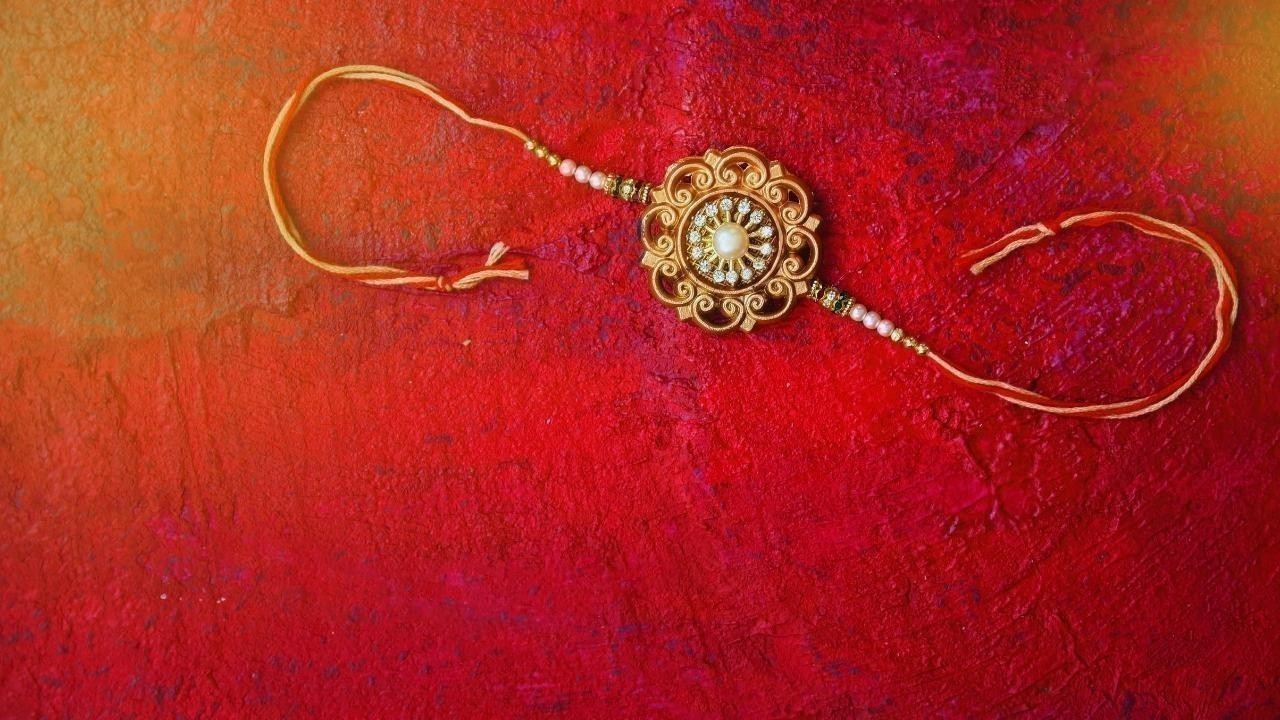
In India’s cultural landscape, few festivals capture the essence of affection and protection as beautifully as Raksha Bandhan, or simply “Rakhi.” This cherished occasion celebrates the unique bond between brothers and sisters—a relationship that is as much about shared memories and laughter as it is about responsibility and care. Each year, during the month of Shravan (July–August), sisters tie a decorated thread, or rakhi, around their brothers’ wrists. In return, brothers promise to protect them throughout their lives. But this tradition is much more than just a charming ritual. It is a story woven with history, myth, and social evolution, stretching across centuries.
The origins of Raksha Bandhan are deeply rooted in Indian history and mythology. The word “Raksha” means protection, and “Bandhan” means bond or tie. Together, they embody the spirit of safeguarding and affection. While today’s celebration is warm, modern, and often filled with chocolates and online gifts, the earliest mentions of Rakhi date back thousands of years.
Vedic and Epic Roots
In Vedic times, Raksha Bandhan was not just limited to the sibling bond. Priests would tie protective amulets on the wrists of warriors before they left for battle, invoking divine blessings for safety. In the Mahabharata, there’s a touching moment where Draupadi, wife of the Pandavas, tears a strip of her saree to bind the bleeding wrist of Lord Krishna. Moved by her gesture, Krishna vows to protect her in times of need—a promise he fulfills during the infamous disrobing scene.
Royal Stories
One of the most famous historical tales of Rakhi is about Queen Karnavati of Mewar and Emperor Humayun. Facing an attack from Bahadur Shah of Gujarat, the widowed queen sent a rakhi to Humayun, seeking his protection. Honoring the sentiment, Humayun abandoned his own military campaign to come to her aid. This episode highlights how Rakhi extended beyond blood relations and became a symbol of mutual respect and honor.
Rakhi isn’t just a cultural ritual; it holds religious connotations in different communities.
In Hinduism, Rakhi is linked with the full moon day of the Shravan month, also known as Shravan Purnima. This day is considered auspicious for worship and family gatherings.
In Jainism, it symbolizes a vow of moral responsibility and the protection of humanity.
In certain Buddhist traditions, monks and devotees tie sacred threads during the rains retreat, reflecting similar values of protection and goodwill.
These variations show that the spirit of Rakhi is universally resonant—rooted in kindness and duty rather than restricted to any single faith.
The Rakhi ceremony, though simple, is rich in meaning. On the morning of Raksha Bandhan, sisters prepare a thali (plate) with a rakhi, diya (lamp), rice grains, roli (red turmeric powder), sweets, and sometimes coconut. The ritual usually unfolds like this:
Sisters apply a tilak (vermilion mark) on the brother’s forehead.
A rakhi is tied on the brother’s right wrist while prayers for his well-being are offered.
Brothers, in return, present gifts—anything from sweets to jewelry to monetary tokens.
The day often ends with a family meal, laughter, and sharing old stories.
Over time, even cousins, close friends, and neighbors have become part of the celebration, blurring the lines of traditional roles.
One of the most beautiful aspects of Raksha Bandhan is its inclusivity. While traditionally between brothers and sisters, Rakhi has been used to forge bonds between communities, soldiers and civilians, teachers and students, and even across national boundaries.
For example, in rural parts of India, women tie rakhis to trees, pledging to protect nature. This eco-friendly twist to the festival reflects growing environmental awareness. Similarly, schoolchildren sometimes visit police stations or military camps to tie rakhis to officers, acknowledging their role as protectors.
From plain cotton threads to glittering, jewel-studded bands, rakhis have come a long way. Traditionally, rakhis were simple, handmade with red and yellow threads. But today, markets are flooded with varieties—zari work, kundan stones, cartoon-themed for kids, silver-plated, or even gold rakhis. Eco-friendly rakhis made from seeds and natural fibers are gaining popularity, allowing the sentiment to merge with sustainability.
In recent years, digital gifting platforms have also introduced “e-rakhis” where siblings can send virtual designs if they live far apart. While it may lack the physical touch, the emotional intent remains intact.
For Indians living abroad, Rakhi becomes a bridge to home. Communities organize cultural programs, potlucks, and rakhi-tying ceremonies in temples or community halls. The celebration may not always coincide perfectly with the Indian date due to time zones, but the enthusiasm remains high.
With global courier services and online marketplaces, sending rakhis overseas has become easy. Even video calls have become part of the ritual, letting siblings share the moment virtually.
Rakhi is more than a cultural event; it’s an economic booster. Weeks before the festival, markets brim with colorful threads, sweets, clothing, and gifts. Artisans, shopkeepers, and delivery services see a sharp rise in demand. In cities like Delhi, Jaipur, and Mumbai, seasonal markets known as “Rakhi Bazaars” become a hub of activity.
E-commerce giants also witness a spike in rakhi-related sales, from handcrafted designs to combo gift hampers. The festival contributes significantly to small-scale industries, especially women-led businesses that produce handmade rakhis and sweets.
In modern society, where lifestyles are busier and distances greater, Raksha Bandhan serves as a gentle reminder of the need for emotional connection. It reinforces the importance of promises and mutual care in relationships, whether between siblings, friends, or communities.
Interestingly, in urban settings, the festival is now celebrated among sisters as well, acknowledging that protection and love are not gender-specific. Some families even exchange rakhis mutually, erasing traditional one-way expectations.
Bollywood and Indian television have played a significant role in keeping Rakhi in the public eye. From emotional song sequences in films to special TV episodes airing during the season, Raksha Bandhan has become a cinematic symbol of sibling love. Many iconic movie moments—like in “Resham Ki Dori” or “Hum Saath Saath Hain”—have immortalized the emotional exchange of rakhis.
Like any age-old practice, Raksha Bandhan faces challenges in the modern era. The commercialization of the festival has sometimes overshadowed its simplicity, turning it into a gift-exchange competition. Environmentalists also caution against plastic-heavy, non-biodegradable rakhis, which contribute to waste.
Moreover, in families separated by migration or personal differences, maintaining the tradition can be challenging. Yet, the adaptability of the ritual—be it through virtual celebrations or minimalist approaches—ensures its survival.
Rakhi has endured for centuries because it taps into something universal: the need for human connection, trust, and a promise to care for one another. Whether tied to a blood brother, a friend, a soldier, or even a tree, the essence remains the same. It is a quiet yet powerful statement that relationships are worth honoring and protecting.
In the end, Raksha Bandhan is less about the thread itself and more about what it represents—a mutual acknowledgment that someone’s safety, dignity, and happiness matter to you. And in a world often divided by differences, a simple thread can sometimes be the strongest tie.
This article is intended for informational and cultural purposes only. The historical accounts are drawn from popular legends, traditions, and cultural narratives. Interpretations and practices of Raksha Bandhan may vary across communities and regions.
US Judge Orders Penn to Share Data in Bias Probe
A US judge ordered Penn to share employee records in an antisemitism probe, while protecting religio

California Governor Race Turns Chaotic Before Voting
California’s governor race grows chaotic as Democrats face internal divisions, voter uncertainty, an
New York City Ends TikTok Ban For Official Use Again
New York City lifts its TikTok ban, allowing agencies to post again under strict security rules to i
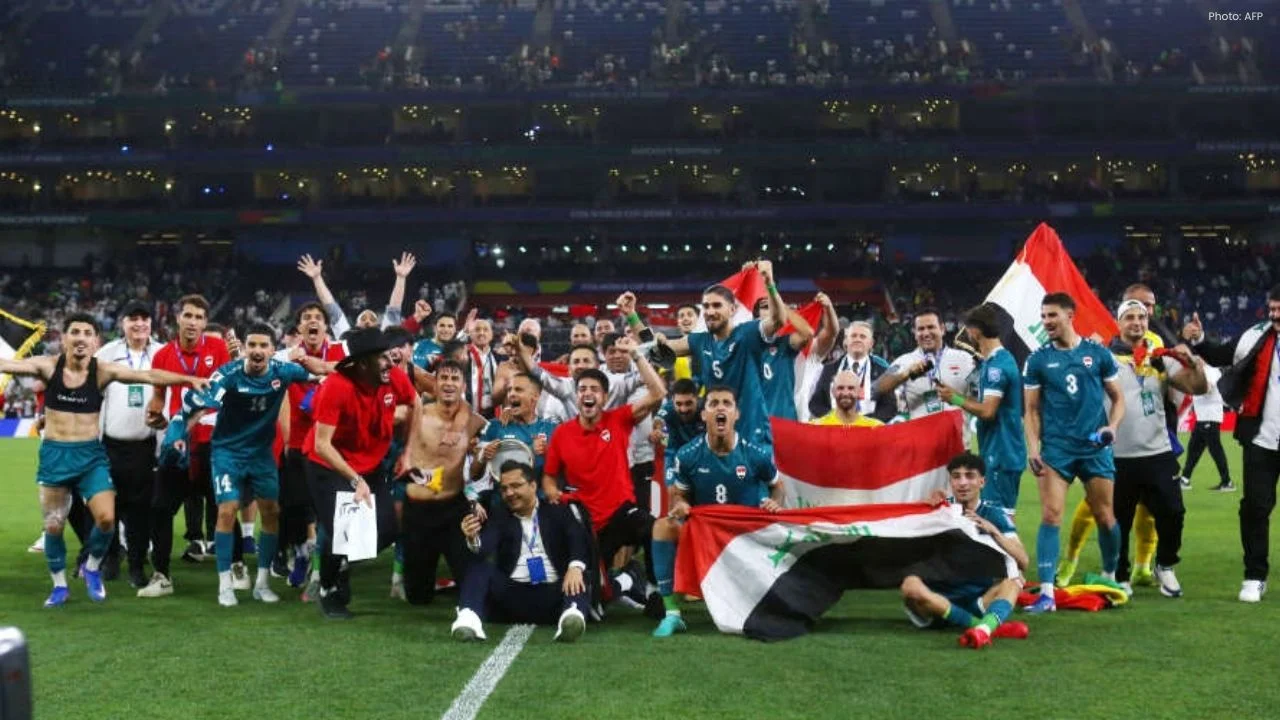
Iraq Qualify for World Cup After 40 Years With 2-1 Win
Iraq secured a historic World Cup spot after defeating Bolivia 2-1 in playoffs, marking their return
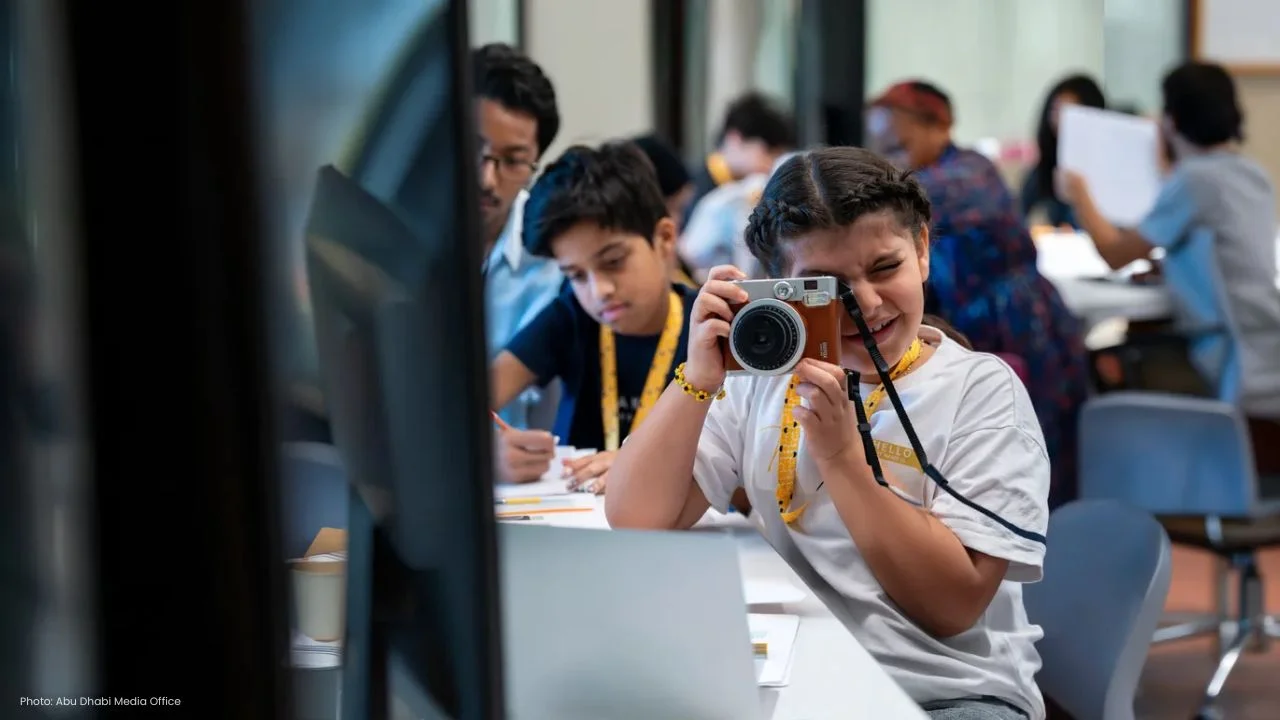
Creative Lab Hosts Spring Media Workshops for Youth
Creative Lab hosted spring workshops in Abu Dhabi, training young students in storytelling, scriptwr

China’s Strategy in Asia 2026: Threat or Opportunity for Global Trade?
Explore China’s new strategy in Asia, its impact on global trade, Belt and Road Initiative, economic
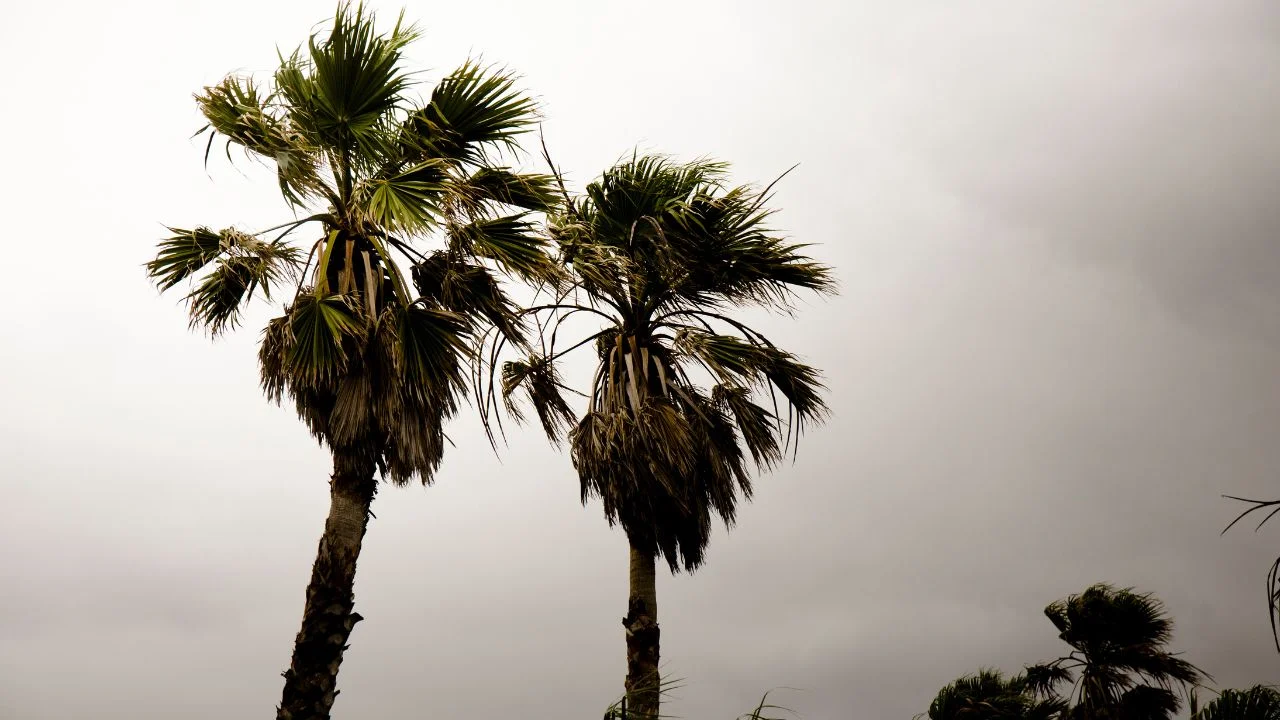
UAE Issues Alert for Rough Seas, Strong Winds Till Apr 3
UAE weather authority warns of rough seas, 40 km/h winds, and rain until April 3, with possible heav


Bank of Baroda Faces Abu Dhabi Legal Battle over NMC Collapse
Bank of Baroda’s involvement in Abu Dhabi litigation tied to the NMC Healthcare collapse raises repu
Top Museum Openings of 2026 Set to Transform Global Tourism
From Los Angeles to Abu Dhabi and Brussels, 2026 brings major museum launches—Lucas Museum, Guggenhe

UAE Tour Highlights UAE’s Strength in Hosting Global Sports Events
Abu Dhabi Sports Council says the successful UAE Tour reflects the UAE’s leading role in hosting maj

EU Seeks Clarity from US After Supreme Court IEEPA Ruling
European Commission urges full transparency from the US on steps after Supreme Court ruling, emphasi

SpaceX Launches 53 New Satellites for Expanding Starlink Network
SpaceX launches 53 Starlink satellites in two Falcon 9 missions, breaking reuse records and expandin

RTA Awards Contract for Phase II of Hessa Street Upgrade in Dubai
Phase II of Hessa Street Development to add bridges, tunnel, and upgraded intersections, doubling ca
UAE Gold Prices Today, Monday 16 February 2026: Dubai & Abu Dhabi Updated Rates
Gold prices in UAE on 16 Feb 2026 updated: 24K around AED 599.75/gm, 22K AED 555.25/gm, and 18K AED
Over 25 Ahmedabad Schools Receive Bomb Threat Email, Authorities Investigate
More than 25 schools in Ahmedabad evacuated after bomb threat emails mentioning Khalistan. Authoriti