
Post by : Bianca Qureshi
Technology is evolving at an astonishing pace, and one of the most exciting innovations is Next-Gen E-Skin. Imagine wearing a second skin that not only monitors your health but also powers itself using solar energy. This futuristic tech is no longer a distant dream—it’s becoming a reality. With self-charging capabilities, Next-Gen E-Skin is set to transform healthcare, fitness, and even robotics.
In this article, we’ll dive into what Next-Gen E-Skin is, how it works, its potential applications, and why it could be the next big thing in wearable technology.
Next-Gen E-Skin is a thin, flexible, and lightweight electronic material that mimics the properties of human skin. It can sense touch, temperature, and pressure while being powered by solar energy. The "E" stands for electronic, and the "skin" refers to its skin-like texture and functionality.
What makes this next-gen version unique is its solar-powered and self-charging capabilities. Traditional e-skins require external batteries or wired power sources, but this innovation can generate and store its own energy, making it more practical and versatile.
The core technology behind Next-Gen E-Skin combines flexible electronics, photovoltaic cells, and energy storage units. Here’s how it works:
The e-skin is embedded with ultra-thin solar cells that capture sunlight or indoor light. These cells convert light into electrical energy, allowing the e-skin to function without external power sources.
Unlike older e-skins, this next-gen version includes built-in energy storage. The captured solar energy is stored in micro-sized supercapacitors or flexible batteries, providing continuous power even in low-light conditions.

Just like human skin, Next-Gen E-Skin is embedded with sensors that detect:
Pressure and touch – Ideal for prosthetics and robotic applications.
Temperature changes – Useful for health monitoring.
Motion and strain – Beneficial for fitness tracking.
The potential of Next-Gen E-Skin spans across multiple industries, offering solutions that could enhance lives and revolutionize technology.
One of the most promising applications is in health monitoring. Next-Gen E-Skin can be used as a wearable patch to measure vital signs such as:
Heart rate and blood pressure
Body temperature
Sweat composition
Since it’s self-charging, it can continuously monitor patients without the need for frequent battery replacements, making it perfect for long-term healthcare monitoring.
In robotics, Next-Gen E-Skin can give machines a sense of touch. This is particularly valuable for robotic prosthetics, allowing users to feel sensations, temperature changes, and pressure. The self-charging feature reduces the need for external power sources, making robotic limbs more practical and reliable.
For fitness enthusiasts, Next-Gen E-Skin could be embedded in smart clothing or patches to track physical activity. Since it’s solar-powered, it could function continuously without the need for charging, making it ideal for outdoor activities.
Imagine clothing that charges your phone or provides heat during cold weather. With its solar-powered capabilities, Next-Gen E-Skin could be integrated into smart fabrics, making wearable tech both functional and fashionable.
In agriculture and environmental monitoring, Next-Gen E-Skin can be applied to surfaces to track soil moisture, temperature, and air quality, helping farmers optimize their crop yields.
The biggest advantage of Next-Gen E-Skin is its self-charging capability. It eliminates the need for external batteries, making devices lighter, more compact, and energy-efficient.
By utilizing solar energy, this technology promotes sustainability and reduces the reliance on non-renewable power sources.
With built-in energy storage and solar cells, Next-Gen E-Skin offers longer operational lifespans, making it ideal for continuous usage in healthcare, robotics, and consumer wearables.
Since it uses renewable energy, Next-Gen E-Skin could reduce electronic waste from disposable batteries, making it a more environmentally friendly and cost-effective solution.
The future of Next-Gen E-Skin looks incredibly promising. Researchers are working on improving its efficiency and durability, making it even more practical for real-world applications.
Smartphones powered by E-Skin that never need charging.
Smart medical patches for continuous health monitoring.
Enhanced robotic limbs with realistic sensory feedback.
As solar technology advances, the Next-Gen E-Skin will become more powerful, efficient, and accessible, making it a game-changer in wearable technology.
The article explores the revolutionary Next-Gen E-Skin, a solar-powered, self-charging wearable technology that mimics human skin. This cutting-edge innovation uses flexible electronics and photovoltaic cells to capture and store solar energy, eliminating the need for external power sources. The e-skin has vast applications in healthcare, robotics, fitness, and smart textiles, offering benefits like continuous health monitoring, enhanced prosthetics, and eco-friendly energy efficiency. With its sustainable and self-sustaining design, Next-Gen E-Skin is set to transform wearable tech and redefine the future of smart devices.
This article is published by DXB News Network for informational purposes only. The content is based on current technological developments and does not constitute professional or investment advice. While we strive for accuracy, emerging technologies may evolve, and certain details could become outdated. Readers are encouraged to verify information independently and consult experts before making any technology-related decisions.

Dubai Launches Commercial Driverless Taxis with Apollo Go
Dubai Taxi Company partners with Baidu’s Apollo Go to launch driverless taxis, advancing Dubai’s sma

Amelia Kerr Leads NZ to Record ODI Run Chase Against SA
Amelia Kerr’s unbeaten 179 powers New Zealand to record-breaking 348-run chase, beating South Africa
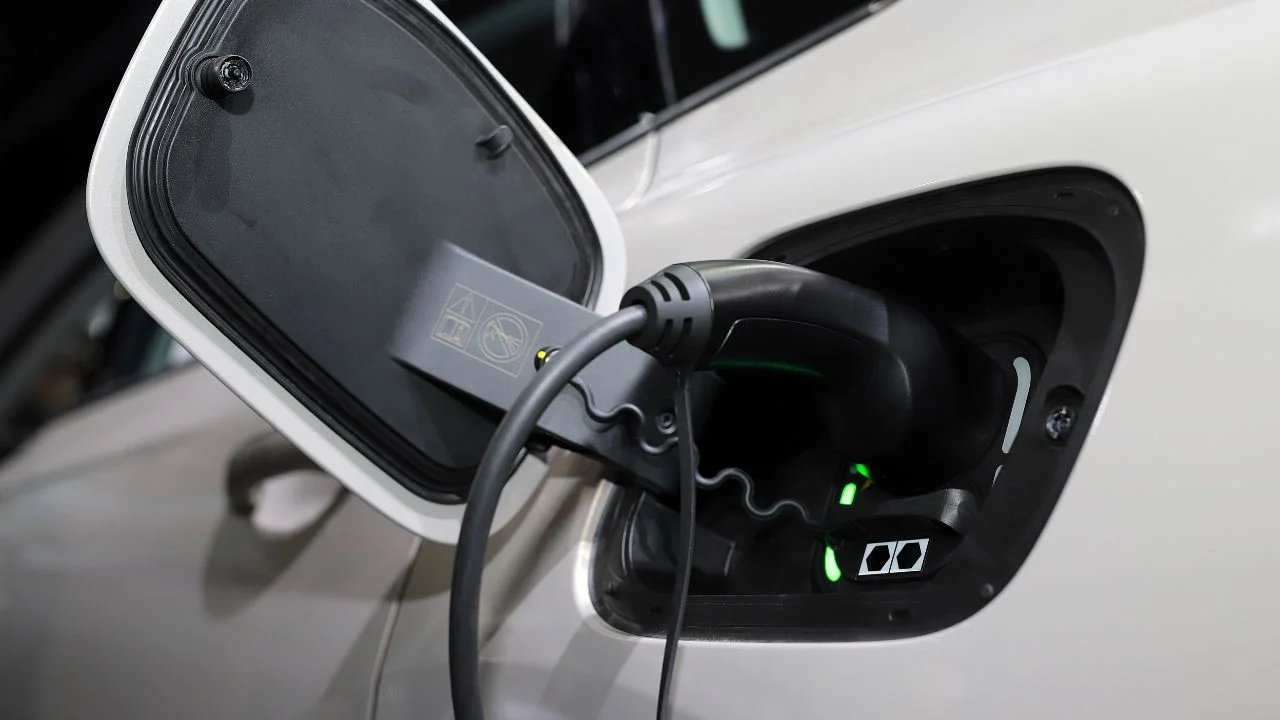
Sharjah Issues New Rules for Electric Vehicle Chargers
Sharjah’s Executive Council sets rules for EV charging stations, detailing installation, tariffs, sa

China VC Funding Hits Record on State-Driven Tech Push
China’s venture capital fundraising is set to hit a record in Q1 2026, led by state-backed investors

Russian Military Plane Crash in Crimea Kills 29 People
A Russian An-26 military plane crashed in Crimea, killing 29 onboard. Authorities suspect technical

IBPC Dubai AGM Strengthens India-UAE Economic Ties
IBPC Dubai AGM highlights growth, inclusivity, and upcoming conclaves, reinforcing India-UAE economi

EU Urges Protection of UNIFIL After Peacekeeper Deaths
EU nations demand protection of UNIFIL forces after deadly attacks, urging restraint and warning aga


Bank of Baroda Faces Abu Dhabi Legal Battle over NMC Collapse
Bank of Baroda’s involvement in Abu Dhabi litigation tied to the NMC Healthcare collapse raises repu

Top Museum Openings of 2026 Set to Transform Global Tourism
From Los Angeles to Abu Dhabi and Brussels, 2026 brings major museum launches—Lucas Museum, Guggenhe

UAE Tour Highlights UAE’s Strength in Hosting Global Sports Events
Abu Dhabi Sports Council says the successful UAE Tour reflects the UAE’s leading role in hosting maj

EU Seeks Clarity from US After Supreme Court IEEPA Ruling
European Commission urges full transparency from the US on steps after Supreme Court ruling, emphasi

SpaceX Launches 53 New Satellites for Expanding Starlink Network
SpaceX launches 53 Starlink satellites in two Falcon 9 missions, breaking reuse records and expandin

RTA Awards Contract for Phase II of Hessa Street Upgrade in Dubai
Phase II of Hessa Street Development to add bridges, tunnel, and upgraded intersections, doubling ca

UAE Gold Prices Today, Monday 16 February 2026: Dubai & Abu Dhabi Updated Rates
Gold prices in UAE on 16 Feb 2026 updated: 24K around AED 599.75/gm, 22K AED 555.25/gm, and 18K AED

Over 25 Ahmedabad Schools Receive Bomb Threat Email, Authorities Investigate
More than 25 schools in Ahmedabad evacuated after bomb threat emails mentioning Khalistan. Authoriti