Post by : Zayd Kamal
In recent years, artificial intelligence (AI) has made massive strides, pushing boundaries across various industries. One of the most intriguing and thought-provoking questions emerging in the world of technology and creativity is: Is AI capable of creating true art? Traditionally, art has been seen as a deeply human endeavor—an expression of emotion, experiences, and perspectives. But as AI continues to evolve, it’s challenging long-held beliefs about what art is and who can create it.
Artificial intelligence has already made its mark in fields like healthcare, finance, and transportation. But its growing presence in creative industries has stirred curiosity and debate. Machine learning algorithms, particularly those used in generative art, are capable of producing artwork that resembles human creations. AI can paint, compose music, and even write poetry.
Artists and technologists have collaborated to develop AI tools that assist or even take the lead in creative processes. Software programs such as DALL-E, which can generate images based on textual prompts, and OpenAI's GPT series, which writes text in human-like ways, have demonstrated the power of AI in creating artistic content. But does this mean that AI is capable of creating true art?
To answer whether AI can create "true art," we must first define what true art is. Historically, art has been subjective—what one person sees as art, another may not. For centuries, artists have used their craft to express emotions, provoke thought, and capture the human experience. Artists like Leonardo da Vinci, Van Gogh, and Picasso shaped the evolution of art, relying on their emotions, creativity, and perspectives.
However, with the rise of digital tools, some argue that art can be about the output, not necessarily the intention behind it. In this context, AI is capable of creating true art if its work evokes emotion or reflection in its audience, even if the machine doesn’t experience emotions itself.
AI uses a method called machine learning, where algorithms are trained to identify patterns in data. By processing large datasets of existing artworks, AI can learn how to replicate the styles, techniques, and structures of various artists or genres. For example, AI can generate paintings that resemble those of famous artists, such as an abstract painting in the style of Pablo Picasso or a landscape similar to a Monet.
AI art creation can also be done through neural networks, which mimic the human brain’s ability to recognize patterns and make decisions. A famous example is the work of Generative Adversarial Networks (GANs), which are trained to create highly realistic images that can resemble traditional artworks. These AI systems can even learn how to make their creations more "realistic" over time.
Several AI-generated artworks have already made waves in the art world. One notable example is “Edmond de Belamy,” a portrait created by the Paris-based art collective Obvious using a GAN. The painting made headlines when it sold for over $432,000 at auction in 2018. Critics and collectors alike were divided—was this a groundbreaking piece of art, or simply a novelty?
Another fascinating example is "Portrait of a Man" created by an AI trained on Renaissance portraits. This work sparked discussions about whether the AI was truly creating art or merely imitating human creativity.
These instances suggest that AI can produce visually impressive works, but the question remains—can AI generate meaningful or emotive art that resonates with humans?
One of the key aspects that separates human-created art from machine-generated creations is emotion. Artists draw upon personal experiences, societal issues, and deep emotions to create meaningful works. Can AI, which lacks human consciousness and emotions, replicate this depth?
AI art may mimic emotion through color choice, brushstrokes, and other visual cues, but does it truly "feel" what it conveys? Some argue that AI is capable of creating true art if it elicits an emotional response from its audience, even though the machine doesn't "feel" anything. Others, however, believe that true art requires the artist’s genuine emotional connection and intent.
The rise of AI in the art world has led to complex ethical and philosophical debates. If machines are capable of producing art, what does this mean for human artists? Can AI replace traditional artists, or will it remain a tool that complements their work? Additionally, who owns the rights to AI-created art—the programmer who designed the algorithm, the user who prompted the AI, or the AI itself?
Moreover, AI raises questions about originality and creativity. If AI is merely imitating styles and patterns based on previous data, can its creations be considered truly original? Or is AI simply recycling existing art in a new form?
As AI technology continues to evolve, its role in the art world is expected to expand. Already, artists are using AI as a tool to enhance their creativity, blending human ingenuity with machine power. AI-driven art can be a powerful medium for self-expression, enabling both professional artists and everyday creators to explore new frontiers.
Additionally, AI art could transform industries such as advertising, video game design, and digital media. The collaboration between human and machine could lead to innovative and dynamic artistic expressions that were once unimaginable.
Summary: The article explores the question, "Is AI capable of creating true art?" It discusses the rise of AI in the art world, where algorithms and machine learning are used to generate paintings, music, poetry, and other forms of creative expression. While AI has shown the ability to produce impressive works, the debate continues about whether these creations can be considered "true art." The article examines what defines true art, the emotional connection humans have with art, and the ethical and philosophical implications of AI’s role in creative fields. Ultimately, the piece emphasizes that while AI can create works that provoke emotion, the question of whether AI can genuinely experience art remains complex and unresolved.
Disclaimer: The views and opinions expressed in this article are solely those of the author and do not necessarily reflect the views or positions of the DXB News Network. The content is provided for informational purposes only, and DXB News Network does not endorse any specific technology or product mentioned in the article. Readers are encouraged to do their own research and exercise caution when forming opinions on emerging technologies.

Deadly Factory Fire in Daejeon Kills 11, Several Missing
A massive fire at an auto parts factory in Daejeon, South Korea, has killed 11 people, injured 59, a
Sanofi Opens Innovation Centre in Chengdu China
Sanofi opens its first China Innovation Centre in Chengdu, boosting R&D, clinical trials, and supply
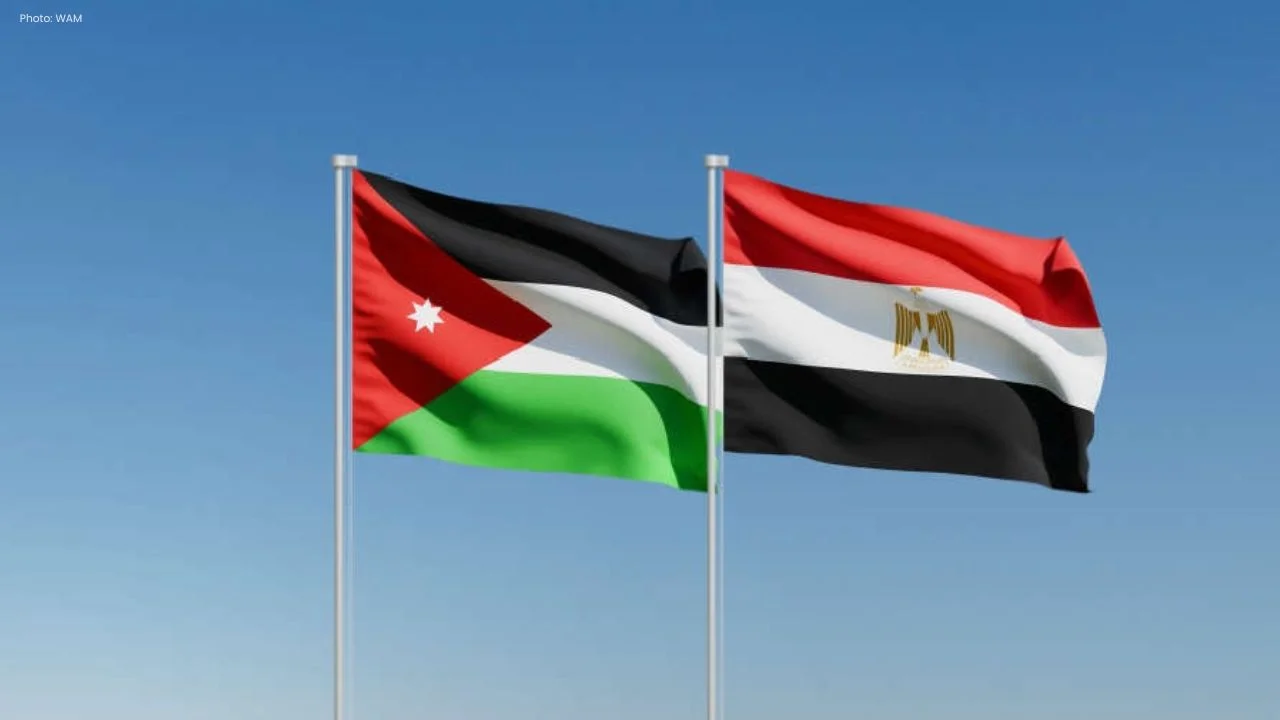
Jordan, Egypt Condemn Terror Plot Targeting UAE
Jordan and Egypt strongly condemn a terror plot targeting the UAE’s economy, reaffirming support for
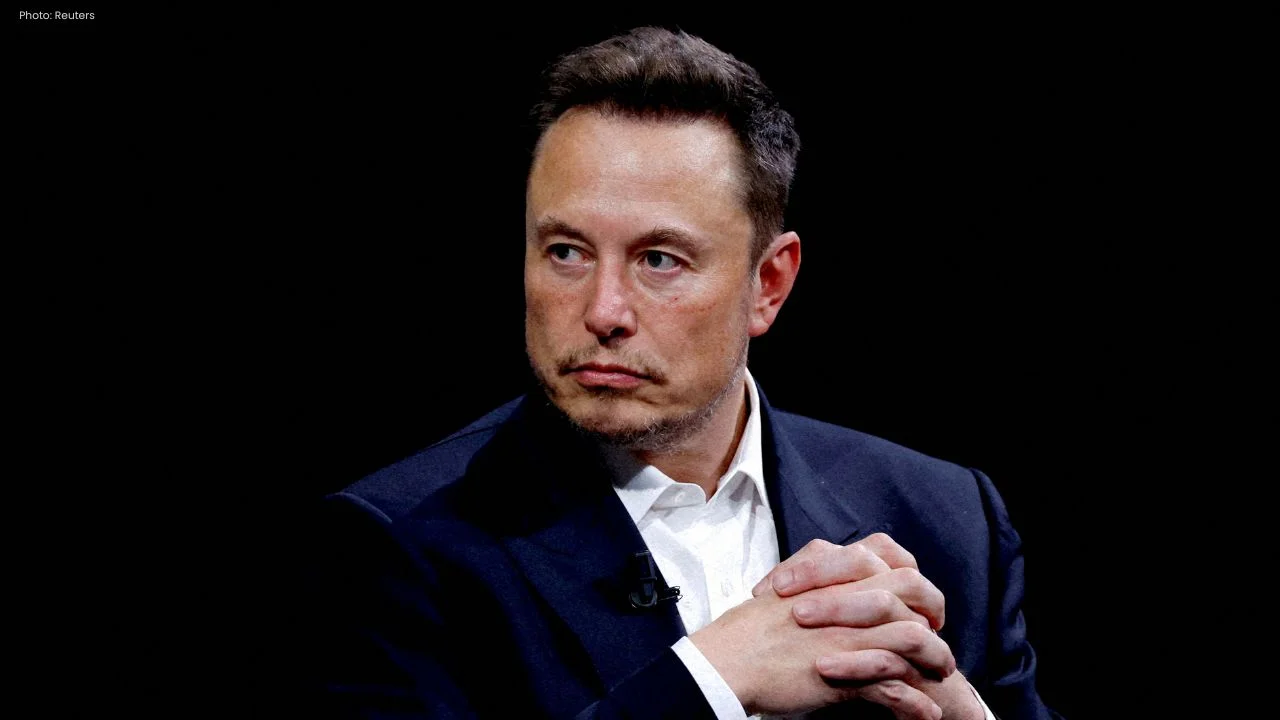
Elon Musk Found Liable in Twitter Investor Case
A US jury found Elon Musk liable for misleading Twitter investors in 2022 deal, awarding up to $2.1
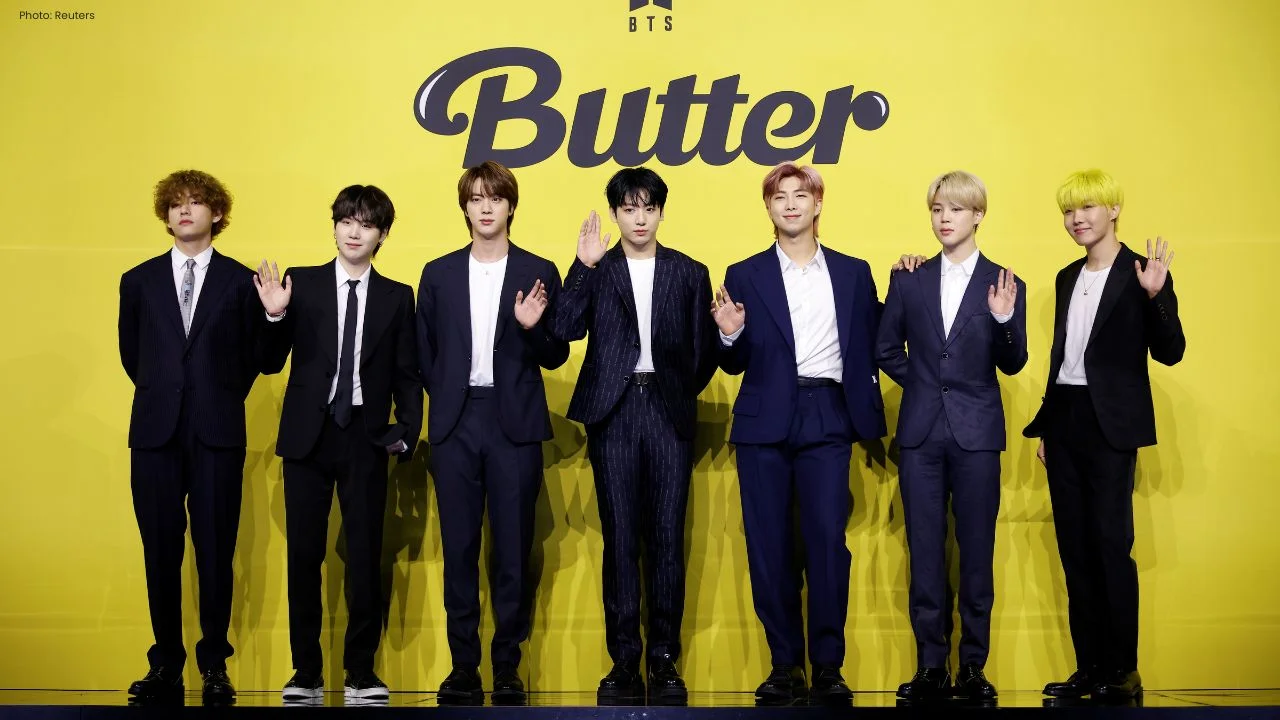
BTS Comeback Concert Draws 260K Fans in Seoul
BTS holds a mega comeback concert in Seoul with 260,000 fans, marking their first album in 3 years a
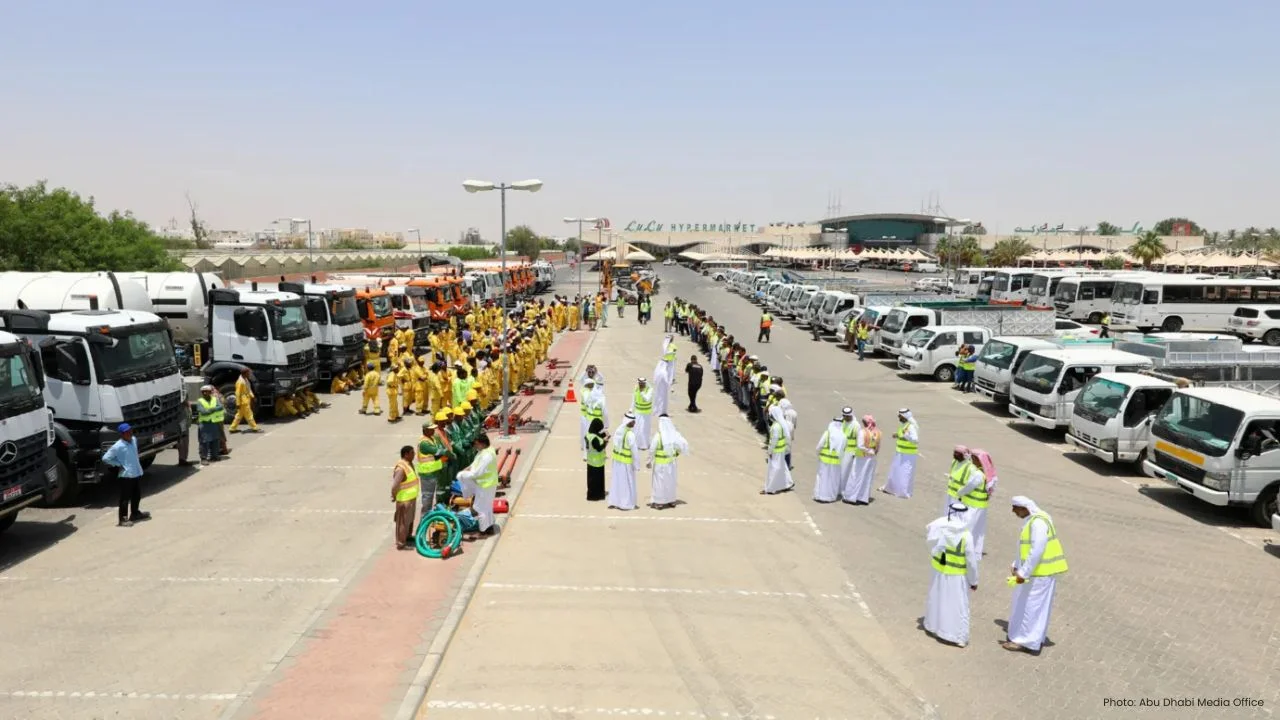
UAE DMT Prepares for Weather Alert March 21–27
Abu Dhabi’s DMT activates emergency plans, deploys teams, and urges public caution as unstable weath
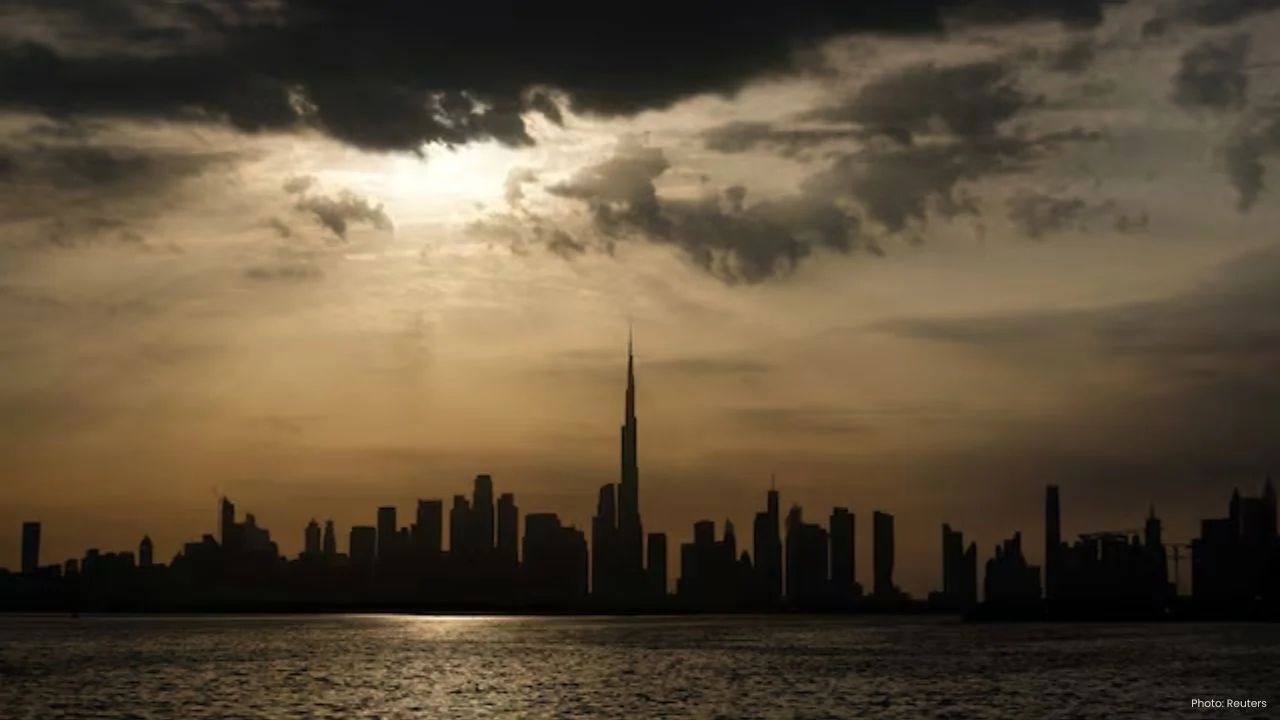
Dubai Property Market Faces War-Driven Slowdown
Dubai’s real estate market shows early slowdown as Iran war impacts investor confidence, with fallin

Bank of Baroda Faces Abu Dhabi Legal Battle over NMC Collapse
Bank of Baroda’s involvement in Abu Dhabi litigation tied to the NMC Healthcare collapse raises repu
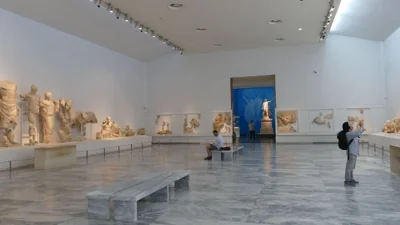
Top Museum Openings of 2026 Set to Transform Global Tourism
From Los Angeles to Abu Dhabi and Brussels, 2026 brings major museum launches—Lucas Museum, Guggenhe
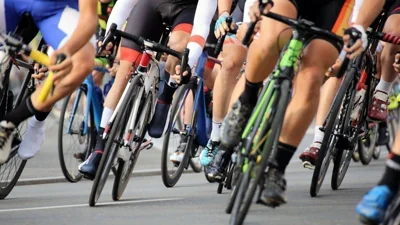
UAE Tour Highlights UAE’s Strength in Hosting Global Sports Events
Abu Dhabi Sports Council says the successful UAE Tour reflects the UAE’s leading role in hosting maj
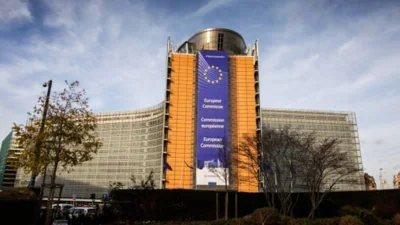
EU Seeks Clarity from US After Supreme Court IEEPA Ruling
European Commission urges full transparency from the US on steps after Supreme Court ruling, emphasi
SpaceX Launches 53 New Satellites for Expanding Starlink Network
SpaceX launches 53 Starlink satellites in two Falcon 9 missions, breaking reuse records and expandin
RTA Awards Contract for Phase II of Hessa Street Upgrade in Dubai
Phase II of Hessa Street Development to add bridges, tunnel, and upgraded intersections, doubling ca
UAE Gold Prices Today, Monday 16 February 2026: Dubai & Abu Dhabi Updated Rates
Gold prices in UAE on 16 Feb 2026 updated: 24K around AED 599.75/gm, 22K AED 555.25/gm, and 18K AED
Over 25 Ahmedabad Schools Receive Bomb Threat Email, Authorities Investigate
More than 25 schools in Ahmedabad evacuated after bomb threat emails mentioning Khalistan. Authoriti