Post by : Anis Karim
In the heart of the desert, beyond the skyscrapers and luxury, something cinematic is brewing. The United Arab Emirates, particularly Dubai, is quietly nurturing an ambitious dream — to become the Hollywood of the Middle East. While the region has long been a filming location for major international productions, it is now setting its sights on something deeper: the rise of a local, authentic Emirati film industry that resonates with global audiences while staying true to its roots.
Though Emirati cinema is relatively young, its growth has been notable. The early 2000s saw a burst of short films, primarily produced by passionate local filmmakers eager to tell stories about identity, heritage, and societal change. One of the first milestones came with City of Life (2009), directed by Ali Mostafa, which shattered stereotypes and proved that Emirati stories could sell tickets and win hearts.
Since then, a growing wave of feature-length films, documentaries, and genre experiments has emerged from the UAE. These productions not only explore Emirati life but also grapple with universal themes — love, migration, tradition vs. modernity — making them appealing to global viewers. Filmmakers like Nayla Al Khaja and Mohammed Saeed Harib are among the pioneers pushing this cinematic movement forward.
The UAE government has played a critical role in nurturing the country’s cinematic aspirations. Institutions like the Dubai Film and TV Commission (DFTC), Image Nation Abu Dhabi, and Dubai Studio City have helped create a robust infrastructure for both local and international productions.
In recent years, the introduction of incentives like tax rebates, streamlined filming permits, and co-production funds have further accelerated the industry’s growth. Image Nation’s bold move to co-produce international award-winning films such as The Help and He Named Me Malala has placed UAE’s film institutions on the global map.
These initiatives are more than economic strategies—they represent a national vision to use storytelling as soft power, portraying the UAE as culturally rich, progressive, and creatively open.
If a film city were to be built from scratch, Dubai would likely be the blueprint. Dubai Studio City offers sound stages, post-production facilities, and full-service production ecosystems. The city’s ability to blend modern facilities with natural landscapes — deserts, beaches, mountains, and urban skylines — gives it a cinematic edge.
Moreover, it’s not just the studios. Entire film festivals, educational hubs, and talent accelerators are popping up around the city. The Dubai International Film Festival (DIFF), though currently paused, played a pivotal role in building a film culture. The new META Film Festival has started filling that gap, attracting both regional and global industry players.
While international blockbusters like Mission: Impossible and Star Wars: The Force Awakens have used the UAE’s dramatic landscapes, there’s a push to promote homegrown narratives. Emirati directors are focusing on stories that reflect the complexities of Gulf identity — exploring the intersection of Bedouin traditions with 21st-century cosmopolitanism.
Films like The Worthy, Scales, and Going to Heaven have not only resonated locally but also received acclaim at major international festivals. They offer rare windows into Arab life that go beyond clichéd war-torn images often portrayed in global media.
By owning their narrative, Emirati filmmakers are building a cultural bridge, allowing the world to see the UAE as more than just a land of oil and skyscrapers.
One of the most encouraging signs of cinematic progress in Dubai is the audience. The younger generation of Emiratis and expats alike is increasingly hungry for content that reflects their language, values, and regional experience.
Local content is gaining popularity across OTT platforms, theaters, and social media. Streaming services like Netflix and StarzPlay have begun to invest in Arabic originals, recognizing the demand. This digital shift has lowered distribution barriers and empowered independent filmmakers to reach audiences directly.
Moreover, film clubs, pop-up cinemas, and university festivals are cultivating a more cine-literate public. This grassroots enthusiasm is essential for long-term sustainability — a thriving film industry is nothing without a loyal audience.
Despite the momentum, Emirati cinema faces undeniable challenges. Censorship remains a grey area, with filmmakers often having to navigate unclear boundaries around religion, politics, and social norms. This can stifle creative freedom and push some talent to create abroad.
Distribution is another hurdle. Many Emirati films struggle to secure wide theatrical releases or international sales, limiting revenue and reach. While festivals offer exposure, commercial viability remains elusive for many.
There’s also the issue of talent retention. Many young creatives pursue education and training abroad and are tempted to build careers in Hollywood or Europe. Retaining this talent requires competitive opportunities and a more vibrant, risk-taking local industry.
Recognizing the potential of cinematic diplomacy, Dubai is increasingly pursuing international co-productions. These collaborations allow Emirati filmmakers to work with seasoned global crews, access advanced technology, and gain worldwide distribution.
One striking example is The Ambush (2021), a war film co-produced with French companies and shot entirely in the UAE, which gained praise for its technical quality and emotional storytelling.
Such partnerships not only build credibility but also bring in vital know-how, which is being transferred to local crews, producers, and technicians. The goal isn’t to imitate Hollywood — it’s to create a unique Middle Eastern cinematic voice with global relevance.
Women have played a central role in shaping the new era of Emirati filmmaking. Directors like Nayla Al Khaja have not only broken gender barriers but also inspired a new generation of female creatives.
There’s a marked increase in the number of women-led scripts, production houses, and screenwriting labs in Dubai. These voices are adding depth and diversity to the cinematic landscape — highlighting issues like motherhood, generational conflict, and gender roles within Emirati society.
As the global industry moves toward inclusion, Dubai’s push for women-led cinema could offer it a unique positioning.
Several universities and academies in the UAE now offer specialized film and media programs. Institutions like SAE Institute, American University in Dubai (AUD), and NYU Abu Dhabi are producing a pipeline of trained cinematographers, editors, and screenwriters.
Workshops, mentorships, and exchange programs are helping students gain hands-on experience. Dubai is also investing in regional talent competitions and youth film labs to catch raw potential early.
This investment in education is crucial. Without skilled technical crews, no amount of funding or enthusiasm can turn ideas into cinema.
The ambition is certainly there, and so is the infrastructure. But becoming the “Hollywood of the Middle East” is about more than lights and cameras. It’s about cultivating a consistent stream of authentic, high-quality stories that can resonate globally while staying rooted in local reality.
Dubai has the money, vision, and momentum. What it now needs is patience — and the courage to tell stories that challenge, provoke, and inspire. If it stays the course, there’s little doubt: the world will be watching.
This article is a creative editorial intended for informational purposes only. It reflects trends and opinions based on publicly available sources and current events. DXB News Network does not claim affiliation with any brands, individuals, or institutions mentioned herein.

Dubai Launches Commercial Driverless Taxis with Apollo Go
Dubai Taxi Company partners with Baidu’s Apollo Go to launch driverless taxis, advancing Dubai’s sma
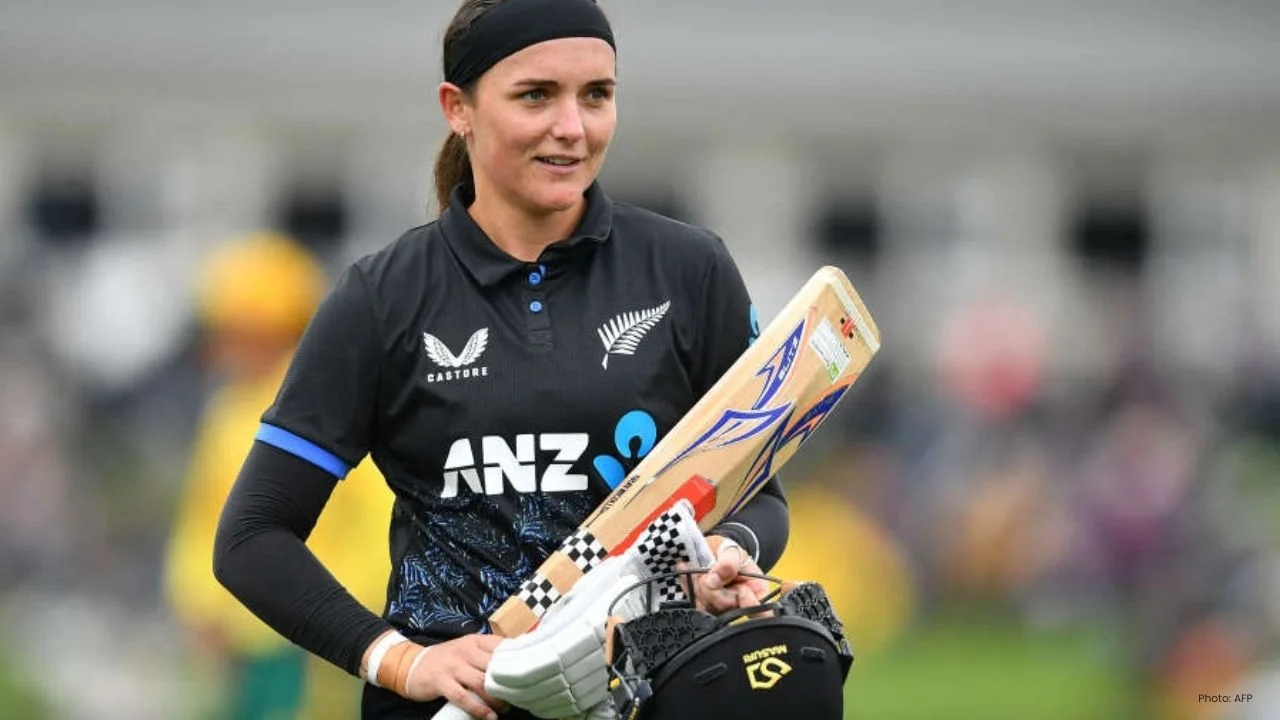
Amelia Kerr Leads NZ to Record ODI Run Chase Against SA
Amelia Kerr’s unbeaten 179 powers New Zealand to record-breaking 348-run chase, beating South Africa

Sharjah Issues New Rules for Electric Vehicle Chargers
Sharjah’s Executive Council sets rules for EV charging stations, detailing installation, tariffs, sa

China VC Funding Hits Record on State-Driven Tech Push
China’s venture capital fundraising is set to hit a record in Q1 2026, led by state-backed investors

Russian Military Plane Crash in Crimea Kills 29 People
A Russian An-26 military plane crashed in Crimea, killing 29 onboard. Authorities suspect technical
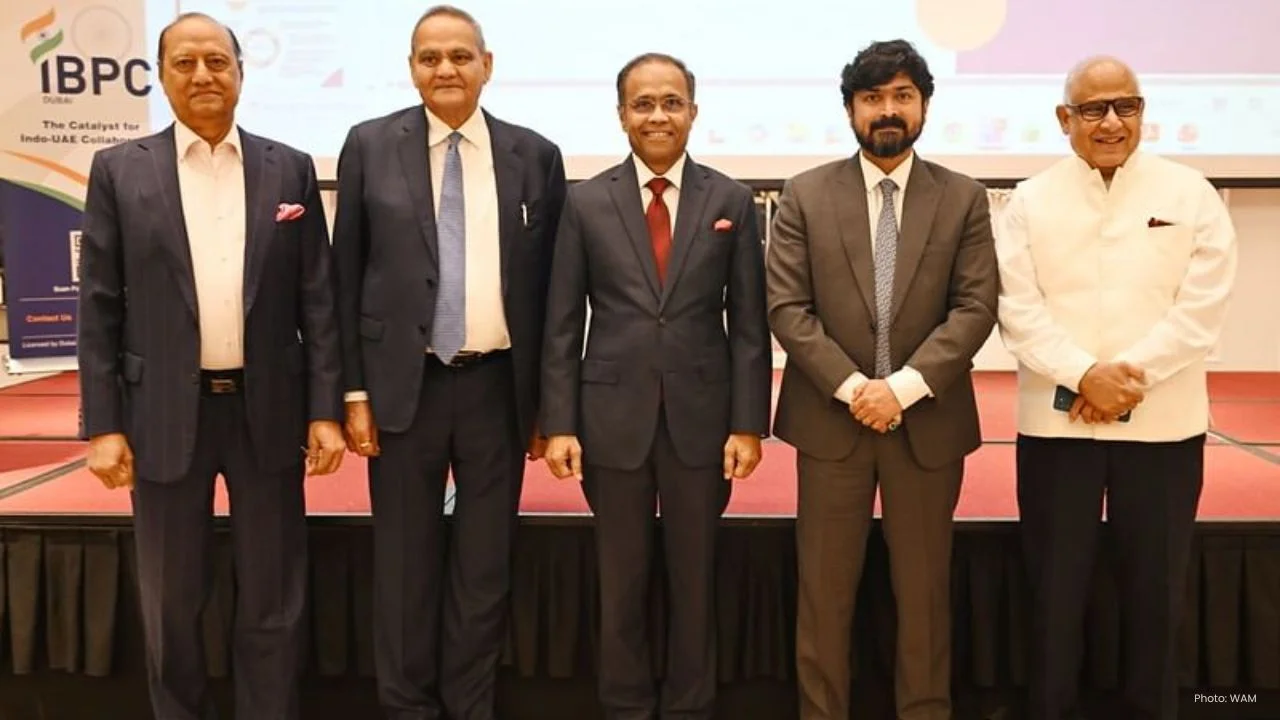
IBPC Dubai AGM Strengthens India-UAE Economic Ties
IBPC Dubai AGM highlights growth, inclusivity, and upcoming conclaves, reinforcing India-UAE economi

EU Urges Protection of UNIFIL After Peacekeeper Deaths
EU nations demand protection of UNIFIL forces after deadly attacks, urging restraint and warning aga


Bank of Baroda Faces Abu Dhabi Legal Battle over NMC Collapse
Bank of Baroda’s involvement in Abu Dhabi litigation tied to the NMC Healthcare collapse raises repu
Top Museum Openings of 2026 Set to Transform Global Tourism
From Los Angeles to Abu Dhabi and Brussels, 2026 brings major museum launches—Lucas Museum, Guggenhe

UAE Tour Highlights UAE’s Strength in Hosting Global Sports Events
Abu Dhabi Sports Council says the successful UAE Tour reflects the UAE’s leading role in hosting maj
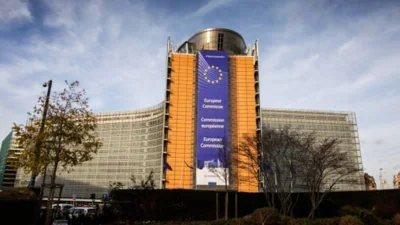
EU Seeks Clarity from US After Supreme Court IEEPA Ruling
European Commission urges full transparency from the US on steps after Supreme Court ruling, emphasi
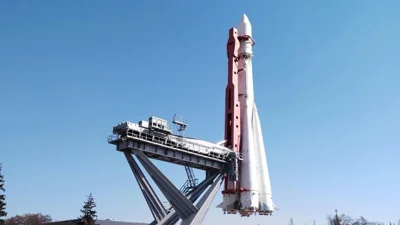
SpaceX Launches 53 New Satellites for Expanding Starlink Network
SpaceX launches 53 Starlink satellites in two Falcon 9 missions, breaking reuse records and expandin
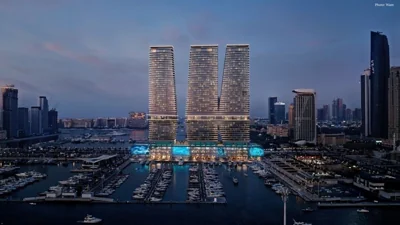
RTA Awards Contract for Phase II of Hessa Street Upgrade in Dubai
Phase II of Hessa Street Development to add bridges, tunnel, and upgraded intersections, doubling ca

UAE Gold Prices Today, Monday 16 February 2026: Dubai & Abu Dhabi Updated Rates
Gold prices in UAE on 16 Feb 2026 updated: 24K around AED 599.75/gm, 22K AED 555.25/gm, and 18K AED

Over 25 Ahmedabad Schools Receive Bomb Threat Email, Authorities Investigate
More than 25 schools in Ahmedabad evacuated after bomb threat emails mentioning Khalistan. Authoriti