Post by : Kanchan Chandel
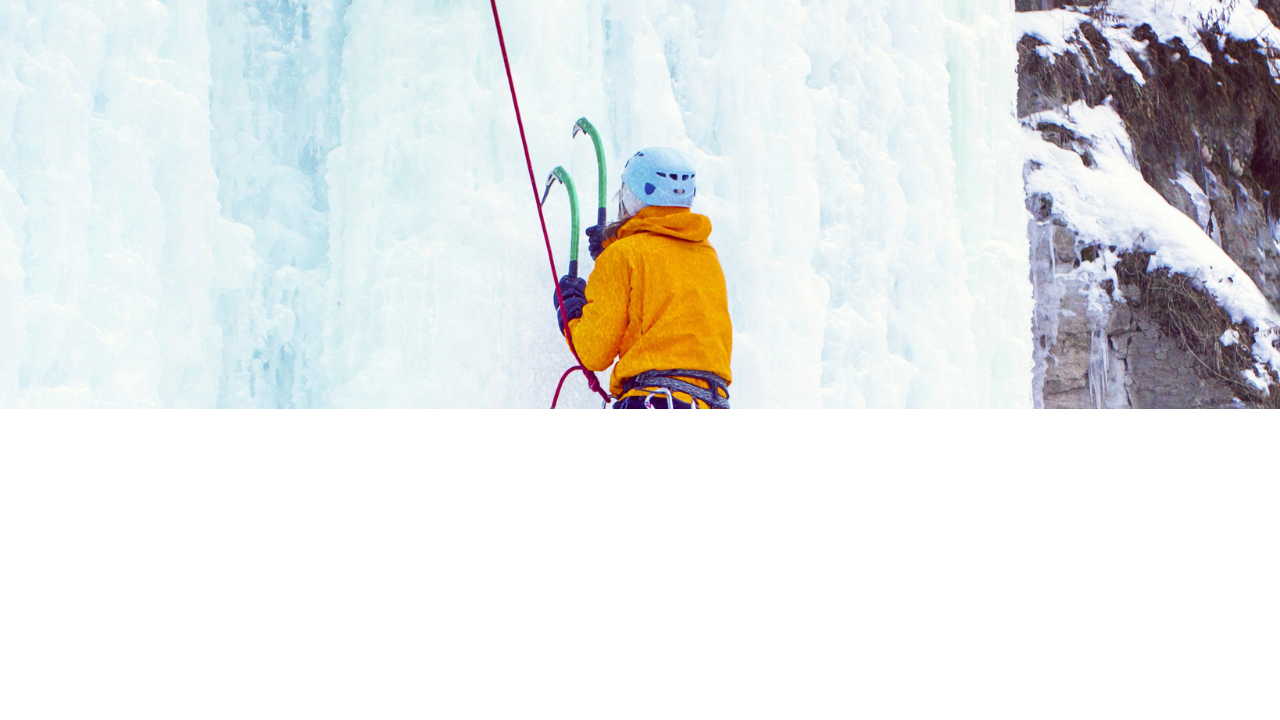
As winter's chill transforms majestic landscapes into icy wonderlands, a group of daring adventurers gears up for a unique challenge: ice climbing. This exhilarating sport, a blend of mountaineering and rock climbing, takes thrill-seekers to frozen waterfalls, icy cliffs, and glacier faces, pushing their physical and mental limits. Let’s delve into the icy depths of this captivating winter sport, exploring its history, techniques, and the allure that draws climbers to these frozen terrains.
Ice climbing has a rich history that dates back to the early days of mountaineering in the 19th century. Back then, explorers faced icy terrains while attempting to conquer towering peaks. They relied on rudimentary tools like wooden axes and hobnailed boots. Over the years, advancements in technology and techniques have transformed ice climbing into a specialized and thrilling sport. The development of modern ice axes, crampons (spiked footwear attachments), and innovative climbing methods have made the sport safer and more accessible.
Modern ice climbing requires a plethora of specialized equipment designed to ensure climbers' safety and aid their ascent. Ice axes are the primary tools used for climbing. Climbers typically use two axes, each designed for different grips and angles. Crampons, attached to the climber’s boots, provide the necessary grip on ice, featuring sharp spikes that dig into the surface. Ropes and harnesses are essential for safety, protecting climbers from falls, with various anchoring techniques used to secure the climber’s position. To safeguard against falling ice and injuries, climbers wear helmets and additional protective gear like gloves and padded clothing.
Ice climbing demands not only physical strength but also technical skill and mental fortitude. Climbers employ a range of techniques. Front pointing involves using the front points of crampons to kick into the ice, providing a firm foothold. Hooking is another technique where climbers place their ice axes into natural ice formations or pre-existing holes for stability. Tool placement is crucial, as it requires strategically placing ice axes to ensure maximum grip and minimal energy expenditure.
One of the biggest challenges in ice climbing is the unpredictable nature of ice. Unlike rock climbing, where routes remain relatively consistent, ice conditions can change rapidly due to weather fluctuations. This requires climbers to continuously assess and adapt to their environment, adding an extra layer of complexity and excitement to the sport.
The allure of ice climbing lies in its blend of beauty, danger, and the sense of accomplishment it brings. Scaling a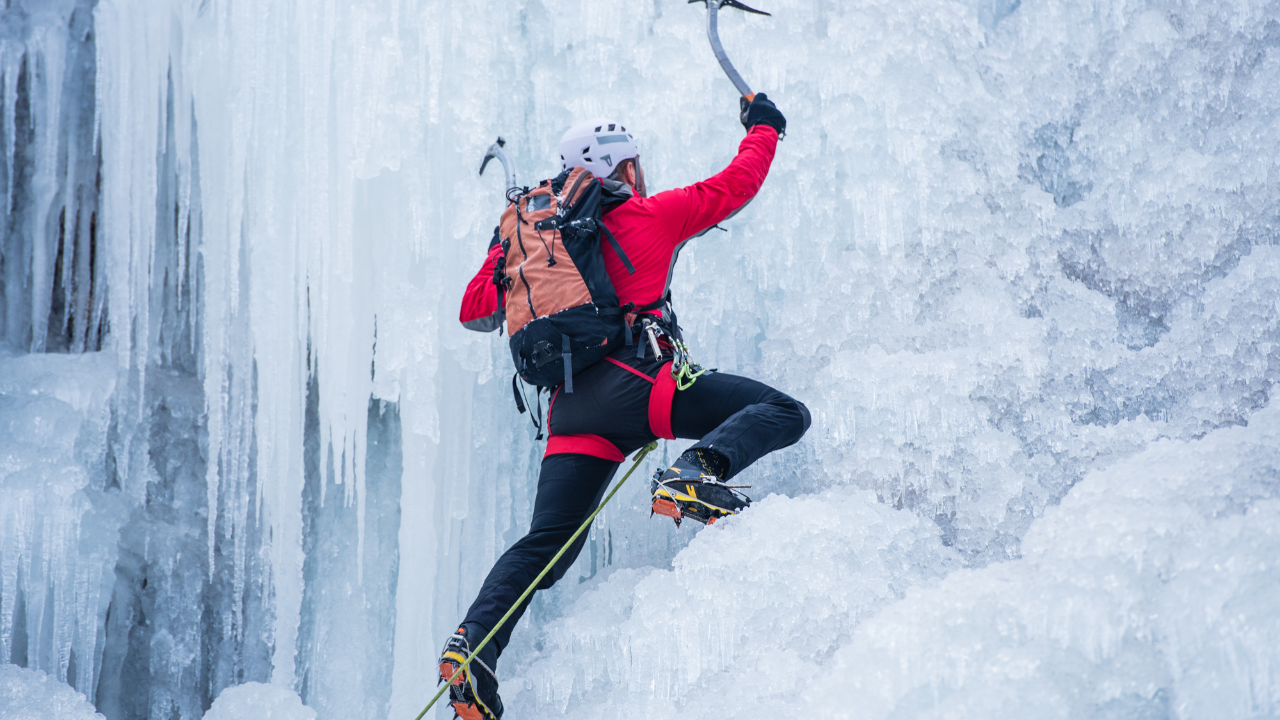 frozen waterfall or ascending an icy cliff provides unparalleled views and a profound connection with nature. The sport also fosters a strong sense of community, as climbers often rely on each other for safety and encouragement. Many climbers describe the experience as a meditative journey, where the focus on each movement and the rhythm of the ascent creates a sense of flow and mindfulness. The physical and mental challenges ice climbing presents also offer a unique way to build resilience and confidence.
As interest in extreme sports continues to grow, so does the popularity of ice climbing. Innovations in gear and techniques are making the sport safer and more accessible, attracting a new generation of climbers. Moreover, the community is increasingly aware of environmental impacts, advocating for sustainable practices to preserve the pristine landscapes that make ice climbing possible.
Ice climbing is more than just a sport; it's a testament to human determination and the desire to explore the unknown. With each ascent, climbers not only conquer the ice but also discover new facets of their own strength and perseverance. As winter casts its spell and the world freezes over, the heartbeats of ice climbers will echo through the icy canyons, a rhythmic reminder of their relentless spirit and the timeless allure of the frozen frontier.
Ice climbing, a sport that combines the daring elements of mountaineering and rock climbing, has a rich history deeply rooted in the early days of mountain exploration. The origins of ice climbing can be traced back to the late 19th and early 20th centuries, a period marked by the Golden Age of Alpinism, when adventurous mountaineers sought to conquer the highest and most treacherous peaks in the Alps.
In the early days, ice climbing was more of a necessity than a sport. Climbers faced icy terrains and needed to navigate through frozen sections to reach mountain summits. They used rudimentary tools, such as wooden ice axes and hobnailed boots, which were far from the sophisticated gear we see today. These early adventurers relied heavily on their ingenuity and determination.
One of the pioneering figures in ice climbing was Oscar Eckenstein, an English mountaineer who, in the late 1800s, began developing techniques and equipment specifically for climbing on ice. He introduced a shorter, more manageable ice axe and made improvements to crampons, enhancing their functionality and making them more effective on steep, icy slopes. Eckenstein's innovations laid the groundwork for the evolution of ice climbing as a distinct discipline within mountaineering.
The mid-20th century saw significant advancements in ice climbing equipment and techniques. During this period, climbers began to refine their approach, and specialized gear became more widely available. One notable development was the introduction of front-point crampons, which featured forward-facing spikes that allowed climbers to kick into the ice and gain a secure foothold. This innovation revolutionized ice climbing by providing climbers with better stability and control.
Simultaneously, the design of ice axes evolved, with the introduction of curved shafts and interchangeable picks, making them more versatile and efficient. These improvements enabled climbers to tackle steeper and more challenging ice formations. Additionally, the development of nylon ropes and better harness systems enhanced safety, allowing climbers to push the limits of what was possible.
By the 1970s and 1980s, ice climbing had emerged as a recognized and popular sport in its own right. Climbing enthusiasts began to explore frozen waterfalls, icy cliffs, and glacier faces, seeking new challenges and adventures. This period also saw the establishment of ice climbing competitions, which helped to further popularize the sport and foster a sense of community among climbers.
One of the key figures in modern ice climbing is Jeff Lowe, an American climber who made significant contributions to the sport. Lowe was known for his pioneering ascents and innovative techniques, including mixed climbing, which involves climbing on both ice and rock. His achievements and vision helped to elevate ice climbing to new heights and inspired a new generation of climbers.
Today, ice climbing continues to evolve, with ongoing advancements in gear and techniques. Modern ice climbers benefit from lightweight and durable equipment, including specialized ice screws for anchoring and improved clothing materials that provide better insulation and flexibility. The sport has also become more accessible, with climbing gyms offering ice climbing walls and courses for beginners.
Moreover, ice climbing has spread beyond its traditional strongholds in the Alps and North America, with climbers exploring icy terrains in regions such as Iceland, Canada, and the Himalayas. The global appeal of ice climbing is a testament to its enduring allure and the spirit of adventure that drives climbers to face the challenges of frozen landscapes.
In summary, the origins and evolution of ice climbing reflect a journey of innovation, determination, and a relentless pursuit of adventure. From the early mountaineers who braved icy peaks with rudimentary tools to the modern climbers equipped with cutting-edge gear, the sport has come a long way. Yet, the essence of ice climbing remains unchanged: a thrilling dance with nature, where climbers test their limits and discover the raw beauty of the frozen world.
Ice climbing is a thrilling blend of adventure and skill, but it's also a sport that demands the right equipment. The gear used by ice climbers is specifically designed to handle the harsh and icy conditions they face. Let's take a closer look at the essential tools that make this heart-pounding activity possible.
At the heart of every ice climber's toolkit are ice axes. These aren't your ordinary axes but specialized tools crafted for climbing. Ice axes come in pairs, with each designed to serve a distinct purpose. One is often curved to provide better grip and swing, allowing climbers to hook securely into the ice. The other, straighter and sometimes shorter, helps with balance and support. The sharp, serrated edges of the axes bite into the ice, making them indispensable for maintaining stability and progressing upward.
Crampons are another crucial piece of gear for ice climbers. These metal spikes attach to the bottom of climbing boots, providing the grip needed to scale slippery, vertical ice surfaces. Modern crampons are adjustable, fitting various boot sizes and designed with different spike configurations to match specific climbing conditions. The front points are particularly important for "front pointing," a technique where climbers kick their toes into the ice to create footholds.
Safety is paramount in ice climbing, and ropes and harnesses play a vital role in protecting climbers from falls. Climbing ropes are typically made of dynamic materials that can stretch to absorb the shock of a fall. Harnesses, worn around the waist and legs, secure the climber to the rope. Together, they form a lifeline that can mean the difference between a thrilling adventure an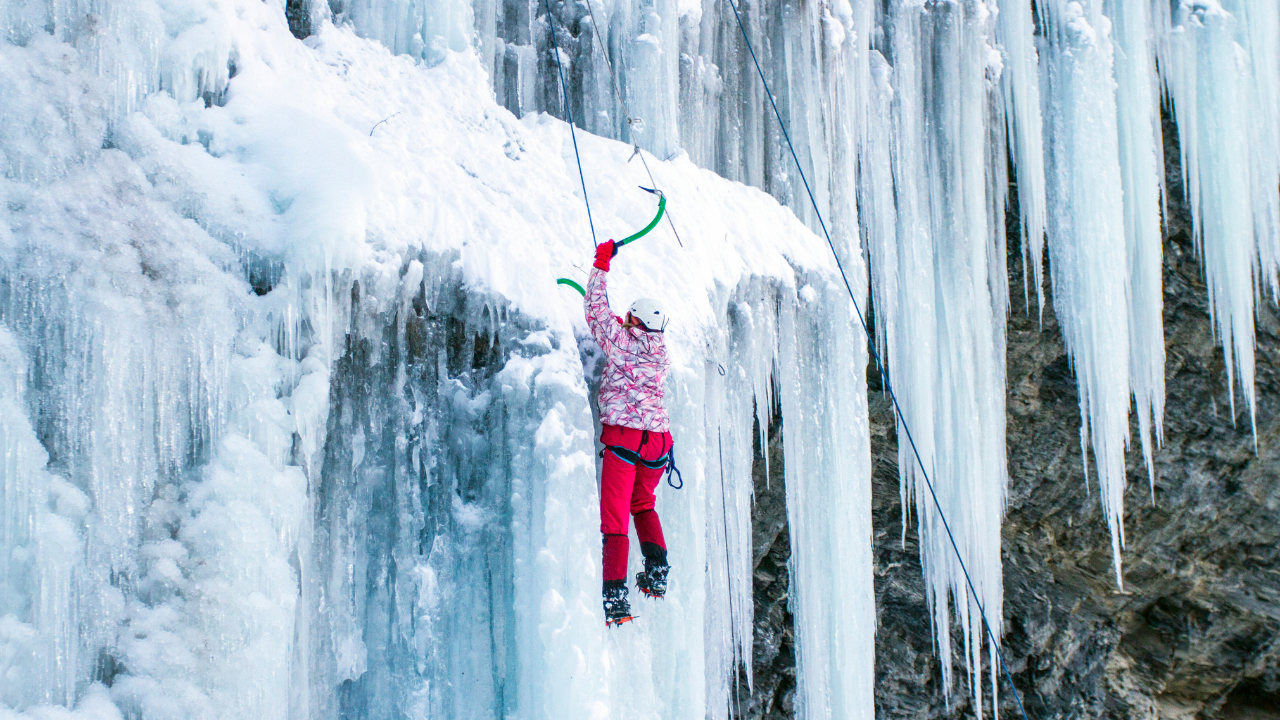 d a dangerous accident. Climbers use various knots and anchoring techniques to ensure they remain securely attached to the ice face.
Falling ice, sharp tools, and the harsh environment make helmets essential for ice climbers. These helmets are designed to withstand impacts and protect the climber's head from injury. Additionally, climbers wear a variety of protective clothing to shield against the cold and moisture. Layering is key, with moisture-wicking base layers, insulating mid-layers, and waterproof outer shells providing warmth and protection. Gloves are also crucial, offering dexterity while keeping hands warm and dry.
Ice screws are tubular, screw-like devices that climbers insert into the ice to create secure anchor points. Made from strong, lightweight metal, these screws have sharp threads that allow them to bite deeply into the ice. Climbers attach ropes to these screws to safeguard against falls, creating a series of secure points as they ascend.
Carabiners and quickdraws are essential for connecting various pieces of gear and creating a secure climbing system. Carabiners are metal loops with spring-loaded gates, used to clip the climbing rope to anchors, ice screws, and other equipment. Quickdraws consist of two carabiners connected by a short, durable sling, allowing climbers to clip into protection points quickly and efficiently.
Ice climbing is an intricate dance between climber and ice, a demanding sport that combines physical prowess, technical skill, and mental toughness. The challenges are numerous, and mastering the techniques requires dedication and practice. Let's explore these techniques and the unique challenges that make ice climbing a compelling adventure.
One of the foundational techniques in ice climbing is front pointing. This method involves using the front points of your crampons to kick into the ice, creating secure footholds. It's a skill that demands precision and strength, as poorly placed kicks can lead to unstable footing and increased fatigue. Climbers must maintain a rhythm, balancing the force of their kicks to avoid over-exerting themselves while ensuring each step is firm and reliable.
Hooking is another essential technique, where climbers use the pick of their ice axe to hook onto natural features of the ice, such as bulges or pre-existing holes. This method requires a keen eye to identify suitable spots and the ability to gauge the ice's strength. Effective hooking can conserve energy and provide critical stability, especially on vertical or overhanging ice.
Strategic tool placement is key to efficient ice climbing. Climbers must place their ice axes in a way that maximizes grip and minimizes the effort needed to pull themselves up. This involves analyzing the ice's texture and density, as well as maintaining a steady pace to avoid unnecessary swings. Proper tool placement not only ensures a secure hold but also helps in maintaining a smooth and rhythmic ascent.
The V-thread, or Abalakov thread, is a crucial technique for creating anchors in ice. Climbers use ice screws to bore two intersecting holes into the ice, forming a V-shape. A loop of cord is threaded through these holes to create a secure anchor point. This technique is especially important for descending or belaying and requires precision and practice to execute safely.
Ice climbing is fraught with challenges, primarily due to the unpredictable nature of ice. Unlike rock, which remains relatively stable, ice conditions can vary dramatically within short distances or change rapidly with weather fluctuations.
One of the most significant challenges is dealing with unstable ice. Ice can be brittle, layered, or riddled with air pockets, making it difficult to secure tools and crampons. Climbers must continuously assess the ice's condition, tapping it with their axes to listen for hollow sounds and visually inspecting it for cracks and weaknesses.
Weather plays a critical role in ice climbing, both as an ally and a foe. Cold temperatures are necessary to maintain the ice, but extreme cold can make it brittle and prone to breaking. Conversely, warmer temperatures can cause ice to become soft and slushy, increasing the risk of falls. Climbers must be prepared for sudden weather changes and adjust their strategies accordingly.
Ice climbing tests physical and mental endurance to the limit. Physically, climbers need strong core muscles, powerful legs, and exceptional upper body strength to maintain their position and advance upward. Mentally, the sport requires intense focus and the ability to stay calm under pressure. Fear and fatigue can cloud judgment, making it crucial for climbers to maintain a clear mind and make sound decisions.
The reliability of equipment is another challenge. Ice screws, ropes, and harnesses must be meticulously maintained and checked regularly. Even the smallest equipment failure can have severe consequences. Climbers need to have a deep understanding of their gear, knowing its limitations and how to use it effectively in different situations.
Ice climbing isn't just about conquering icy heights; it's a dance with danger, a flirtation with fear, and a communion with nature's most formidable elements. Imagine standing at the base of a towering frozen waterfall, the crisp air tingling with anticipation, the ice shimmering like diamonds in the sunlight. For climbers, this isn't just a challenge; it's an invitation to push past their limits, to test their courage and skill against nature's icy grip.
The allure of ice climbing lies in its raw, untamed beauty. It's about immersing oneself in a world where every crack and crevice tells a story of frozen conquests and fleeting moments of triumph. The thrill of sinking your ice axe into a sheer ice wall, the adrenaline rush as you ascend higher and higher, the sense of accomplishment as you reach the summit—it's an intoxicating blend of adrenaline and euphoria.
But it's not just about the climb itself; it's about the journey. Ice climbers forge deep connections with their surroundings, developing a profound respect for the rugged landscapes they navigate. They learn to read the ice like a seasoned explorer, deciphering its ever-changing patterns and nuances. Each climb becomes a symphony of movement and precision, a delicate balance between strength and finesse.
And then there's the camaraderie—the shared bond that forms among climbers as they face the challenges of the ice together. It's about trust and solidarity, about knowing that someone has your back when you're dangling from a frozen precipice. Whether you're belaying a partner or cheering them on from below, there's a sense of kinship that transcends words—a silent understanding born of shared passion and shared risk.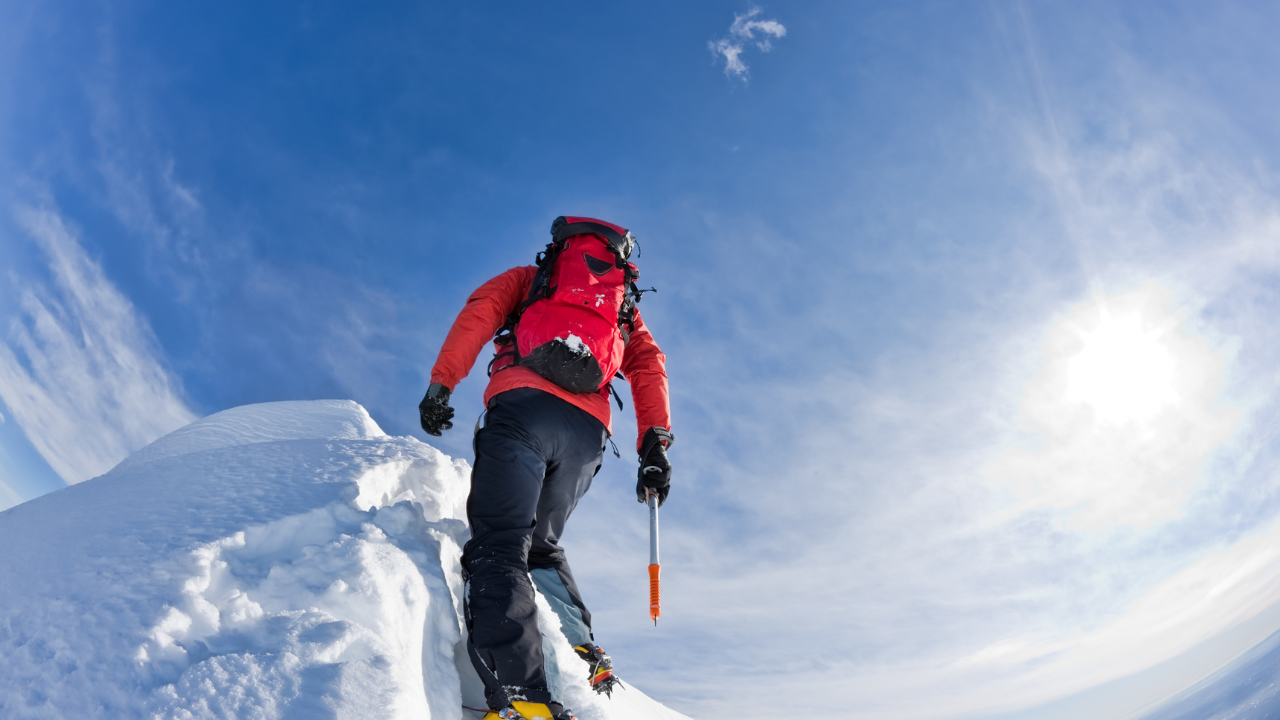
But perhaps most importantly, ice climbing is a journey of self-discovery. It's about confronting your fears head-on, about pushing past the boundaries of what you thought possible. With each climb, you learn something new about yourself—about your strengths, your weaknesses, and the depths of your resilience. And in the end, it's not just about reaching the summit; it's about the person you become along the way.
So why do climbers take the plunge? Because for them, ice climbing isn't just a sport; it's a way of life. It's about embracing the unknown, embracing the challenge, and embracing the sheer exhilaration of standing on top of the world, with nothing but ice and sky stretching out before you. And for those who dare to answer the call of the ice, the rewards are as endless as the frozen horizons that beckon them onward.
The future of ice climbing promises to be as dynamic and captivating as the sport itself. As technology continues to advance, we can expect to see innovative gear and equipment that enhance safety and performance on the ice. Imagine lightweight yet incredibly durable ice axes designed with cutting-edge materials, or crampons with adjustable configurations for optimal traction on varying ice surfaces.
Moreover, with the rise of climate change awareness, there's a growing emphasis on sustainable practices within the ice climbing community. Climbers are increasingly mindful of their environmental impact, advocating for responsible climbing practices and supporting initiatives to preserve fragile ice formations and ecosystems. This includes minimizing carbon footprints, reducing waste, and participating in conservation efforts to protect the pristine beauty of ice climbing destinations.
Additionally, as the sport gains popularity, we can anticipate a surge in accessible training programs and resources for newcomers. From indoor ice climbing gyms equipped with simulated ice walls to online tutorials and workshops led by seasoned climbers, aspiring enthusiasts will have ample opportunities to learn the ropes and develop their skills in a safe and supportive environment.
But perhaps the most exciting aspect of the future of ice climbing is the exploration of new frontiers. As climbers continue to push the boundaries of what's possible, we may witness daring ascents of previously uncharted ice formations and remote glacial peaks. With advances in expedition technology and communication, these expeditions will not only inspire awe but also foster a deeper appreciation for the raw beauty and untamed wilderness of our planet's icy realms.
The future of ice climbing is poised to be a thrilling blend of innovation, conservation, and exploration. With a steadfast commitment to sustainability, accessibility, and adventure, ice climbers will continue to push the limits of human potential while forging a deeper connection with the frozen landscapes that beckon them onward. So gear up, brave souls, for the icy heights await – and the journey ahead promises to be nothing short of extraordinary.
"Scaling the Heights: The Thrilling World of Ice Climbing" takes readers on an exhilarating journey into the captivating realm of ice climbing. From its rich history rooted in mountaineering to the evolution of techniques and gear, the article explores the challenges and allure of this daring sport. Techniques like front pointing and hooking, along with the unpredictable nature of ice, present climbers with both physical and mental tests. However, the rewards are immense, with breathtaking views and a deep sense of accomplishment awaiting those who dare to take on the frozen heights.
Looking to the future, the article highlights advancements in technology and a growing focus on sustainability within the ice climbing community. With accessible training programs and the potential for exploration in new frontiers, the future of ice climbing promises endless opportunities for adventure and discovery.
Readers are advised that ice climbing is an inherently risky activity that requires proper training, experience, and equipment. While the article aims to provide insight into the world of ice climbing, individuals should always prioritize safety and consult with experienced climbers or professionals before attempting any climbs. The DXB News Network encourages responsible outdoor recreation and respects the natural environments in which these activities take place.

Iran Issues Warnings as US Plans Naval Blockade
Iran cautions that Gulf ports face threats as the US readies a blockade, escalating tensions and jeo

Kuala Lumpur Pays Tribute to Adibah Amin
Kuala Lumpur honors Adibah Amin as RM100,000 raised for her medical care during legacy book launch e
Lane Closures Initiated on Highway 417 This Summer
Expect delays on Highway 417 as lane closures start for summer construction in Ottawa, affecting tra

Tragic Fatality as SkyTrain Strikes Man in Vancouver
A man was fatally injured by a SkyTrain in Vancouver, a police investigation indicates the tragedy i

New Setbacks in Gaza Ceasefire as Israeli Fire Claims Three Lives
Tensions soar as Israeli forces kill three Palestinians, jeopardizing Gaza ceasefire negotiations an

Singapore Prohibits Gaza Symbols at Public Gathering
Organisers at Hong Lim Park's Speakers’ Corner are warned against any displays related to the Israel

Trump Hits Back at Pope Leo XIV Over Iran Remarks
Trump's social media attack on Pope Leo XIV highlights rising tensions over Iran and foreign policy


Actual Cost of Living in Dubai for a Family : Rent, School Fees & Monthly Expenses
Discover the real cost of living in Dubai for a small family in 2026, including rent, school fees, g

Asha Bhosle Legacy (1933–2026): Iconic Songs, Life Story & 8 Decades of Indian Music
Explore the legendary journey of Asha Bhosle, her timeless songs, struggles, achievements, and impac

What Are Some High-Income Skills I Can Learn From Home?
Learn high-income skills from home like writing, digital marketing, and design to start earning onli

What Happens If You Skip Breakfast Every Day? The Silent Damage Your Body Feels
Skipping breakfast daily? Discover how it affects your energy, mood, metabolism, and eating habits i

Asha Bhosle: The Untold Life Story of India’s Most Versatile Voice and Her Final Goodbye
Discover the complete life story of Asha Bhosle, her struggles, career, personal journey, and legacy

Wired vs Wireless Charging: Which Is Better for Speed and Battery Health?
Wired vs wireless charging explained. Learn which is faster, safer for battery life, and better for

Sent Email by Mistake? Easy Ways to Unsend or Fix It Fast
Sent an email by mistake? Learn how to unsend, recall, or fix emails quickly with simple tips to pre

Foods You Should Avoid in Summer to Stay Safe in the Heat
Avoid harmful foods in summer heat. Learn what not to eat to stay cool, hydrated, and healthy with s