Post by : Sam Jeet Rahman
In today’s digital world, wearable technology has become more than just a fitness trend — it’s a revolution in how we track, understand, and improve our health and well-being. From smartwatches and fitness bands to ECG monitors and sleep trackers, wearable devices are helping people take control of their health like never before. Whether it’s monitoring heart rate, blood oxygen, stress, or sleep quality, wearable health tech is changing the way individuals and healthcare providers approach wellness.
The idea of wearable devices isn’t new — pedometers and heart rate monitors have existed for decades. But thanks to advances in sensors, AI, and real-time data analytics, wearables have evolved into powerful health management tools.
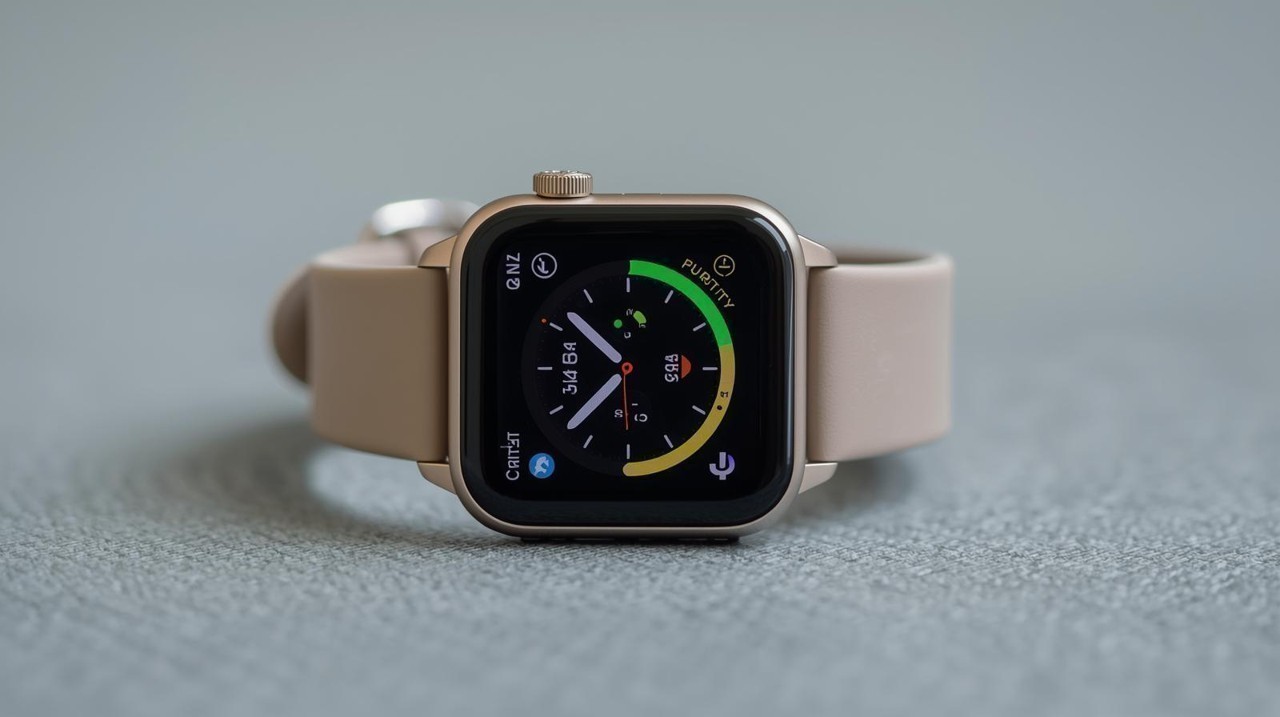
Modern wearables like Apple Watch, Fitbit, Garmin, and Oura Ring do more than count steps — they can detect irregular heart rhythms, monitor blood oxygen saturation (SpO2), track stress levels, and even predict sleep cycles with remarkable accuracy.
According to market research, the global wearable health device market is expected to exceed $150 billion by 2028, as more people adopt technology-driven wellness habits.
One of the biggest advantages of wearable technology is real-time monitoring. You no longer need to wait for a doctor’s appointment to know how your heart or sleep is performing.
Devices continuously measure vital signs such as:
Heart rate (HR) and heart rate variability (HRV)
Steps taken and calories burned
Oxygen saturation (SpO2)
Sleep duration and quality
Skin temperature
Electrocardiogram (ECG)
This continuous feedback helps users make instant adjustments — for example, slowing down during a workout or increasing hydration if stress levels rise.
Wearable tech has gone beyond simple fitness tracking. It’s now being used as an early warning system for serious health conditions.
For instance:
The Apple Watch’s ECG feature has detected irregular heartbeats (atrial fibrillation) in many users, prompting timely medical attention.
Devices like Fitbit Sense and Withings ScanWatch can help identify stress, fatigue, or respiratory issues.
Continuous blood oxygen and heart monitoring have become crucial for people managing asthma, COPD, and sleep apnea.
By catching subtle changes early, wearables can prevent health emergencies and reduce hospital visits.
Wearables are excellent motivational tools. They transform wellness into a game-like experience — rewarding users with badges, reminders, and goals.
Studies show that people who use wearables are more likely to meet daily activity goals, eat better, and get enough rest. The instant feedback loop keeps them accountable and encourages long-term healthy behavior.
Example habits wearables promote:
Standing or moving every hour
Getting at least 7–8 hours of quality sleep
Hitting step or workout targets
Practicing mindfulness and stress reduction
Artificial intelligence (AI) plays a major role in wearable technology. AI algorithms analyze your daily data patterns to provide personalized insights — such as when you perform best, your stress triggers, or how your diet affects sleep.
For example, WHOOP and Oura use AI-driven insights to help athletes and professionals optimize recovery, performance, and sleep schedules.
In healthcare, AI-powered wearables can even predict health risks by spotting trends that humans might overlook — such as consistent drops in HRV or sudden changes in oxygen saturation.
Wearable data is increasingly being integrated into telemedicine and clinical care. Many hospitals and clinics now allow patients to sync wearable data directly with electronic health records (EHRs).
This enables doctors to monitor:
Post-surgery recovery
Chronic disease management (like diabetes or hypertension)
Remote patient care
It also helps healthcare professionals deliver data-driven recommendations rather than one-time assessments.
Modern wearables aren’t just for physical fitness — they’re also advancing mental health awareness. Devices like Fitbit Sense and Samsung Galaxy Watch now measure electrodermal activity (EDA) to detect stress.
They also encourage users to practice mindfulness and guided breathing exercises to reduce anxiety. Over time, tracking mood patterns helps users identify what triggers stress and how to manage it better.
The next generation of wearables will go far beyond wristbands. Future innovations include:
Smart clothing that monitors heart rate, temperature, and posture.
Non-invasive glucose monitors for diabetic users.
Implantable wearables for continuous organ monitoring.
AI-driven predictive analytics for early disease prevention.
As 5G technology and IoT (Internet of Things) expand, wearables will become more connected, accurate, and accessible — empowering users to live healthier, more informed lives.
While wearable health tech is revolutionary, it also raises data privacy concerns. Sensitive health data must be securely encrypted and protected. Users should be aware of what data their devices collect and how it’s shared.
Choosing brands with transparent privacy policies and HIPAA-compliant data storage can help safeguard personal health information.
Wearable technology is transforming healthcare from a reactive system to a proactive, data-driven experience. By enabling people to track, understand, and improve their health in real time, wearables are bridging the gap between lifestyle and medicine.
Whether you’re an athlete optimizing performance, a patient managing chronic conditions, or someone just looking to live healthier — wearable health tech offers the tools and insights to make informed decisions about your well-being.
In short: The future of health isn’t in hospitals — it’s already on your wrist.

Dubai Launches Commercial Driverless Taxis with Apollo Go
Dubai Taxi Company partners with Baidu’s Apollo Go to launch driverless taxis, advancing Dubai’s sma

Amelia Kerr Leads NZ to Record ODI Run Chase Against SA
Amelia Kerr’s unbeaten 179 powers New Zealand to record-breaking 348-run chase, beating South Africa
Sharjah Issues New Rules for Electric Vehicle Chargers
Sharjah’s Executive Council sets rules for EV charging stations, detailing installation, tariffs, sa
China VC Funding Hits Record on State-Driven Tech Push
China’s venture capital fundraising is set to hit a record in Q1 2026, led by state-backed investors

Russian Military Plane Crash in Crimea Kills 29 People
A Russian An-26 military plane crashed in Crimea, killing 29 onboard. Authorities suspect technical

IBPC Dubai AGM Strengthens India-UAE Economic Ties
IBPC Dubai AGM highlights growth, inclusivity, and upcoming conclaves, reinforcing India-UAE economi

EU Urges Protection of UNIFIL After Peacekeeper Deaths
EU nations demand protection of UNIFIL forces after deadly attacks, urging restraint and warning aga


Bank of Baroda Faces Abu Dhabi Legal Battle over NMC Collapse
Bank of Baroda’s involvement in Abu Dhabi litigation tied to the NMC Healthcare collapse raises repu

Top Museum Openings of 2026 Set to Transform Global Tourism
From Los Angeles to Abu Dhabi and Brussels, 2026 brings major museum launches—Lucas Museum, Guggenhe

UAE Tour Highlights UAE’s Strength in Hosting Global Sports Events
Abu Dhabi Sports Council says the successful UAE Tour reflects the UAE’s leading role in hosting maj

EU Seeks Clarity from US After Supreme Court IEEPA Ruling
European Commission urges full transparency from the US on steps after Supreme Court ruling, emphasi

SpaceX Launches 53 New Satellites for Expanding Starlink Network
SpaceX launches 53 Starlink satellites in two Falcon 9 missions, breaking reuse records and expandin

RTA Awards Contract for Phase II of Hessa Street Upgrade in Dubai
Phase II of Hessa Street Development to add bridges, tunnel, and upgraded intersections, doubling ca

UAE Gold Prices Today, Monday 16 February 2026: Dubai & Abu Dhabi Updated Rates
Gold prices in UAE on 16 Feb 2026 updated: 24K around AED 599.75/gm, 22K AED 555.25/gm, and 18K AED

Over 25 Ahmedabad Schools Receive Bomb Threat Email, Authorities Investigate
More than 25 schools in Ahmedabad evacuated after bomb threat emails mentioning Khalistan. Authoriti