Post by : Sam Jeet Rahman
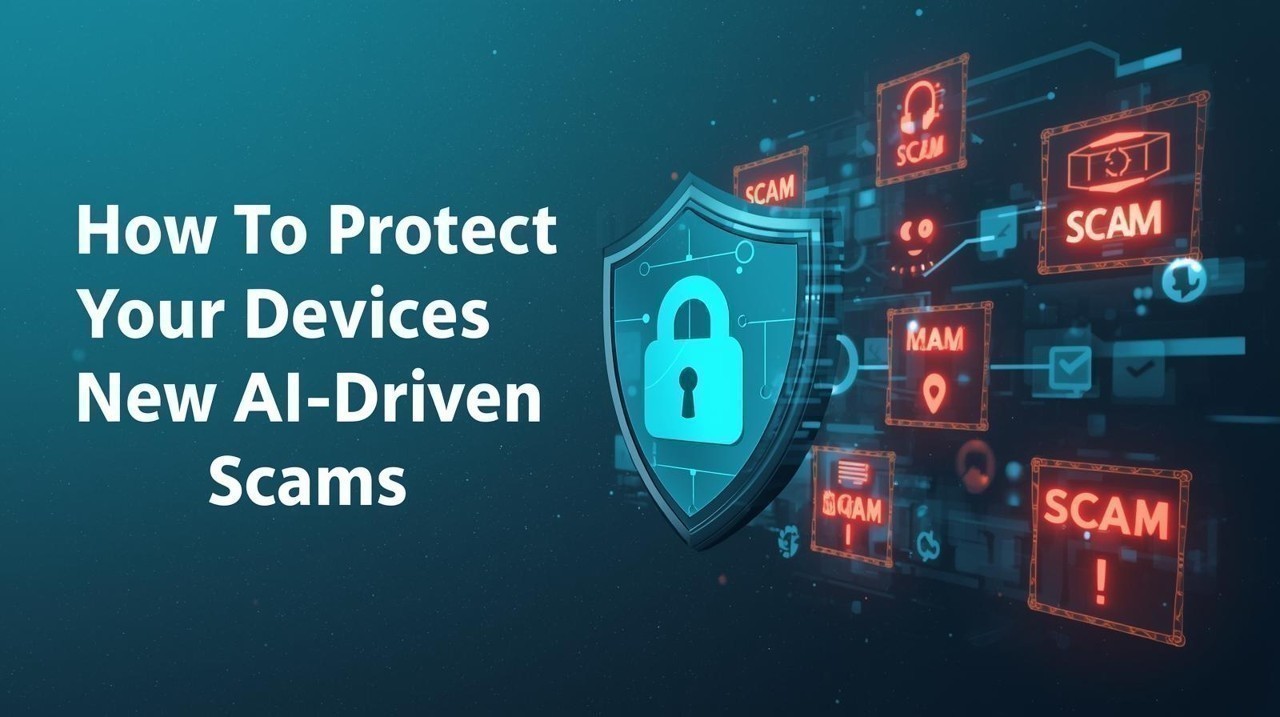
As cybercriminals adopt advanced AI tools, digital threats are becoming smarter, faster, and harder to detect. From deepfake fraud to AI-generated phishing emails, scammers now use intelligent systems to mimic real conversations, steal personal information, and break into unprotected devices. This makes it essential for every user—students, professionals, business owners, and families—to strengthen their cybersecurity habits. Understanding how AI-driven scams operate is the first step toward preventing financial loss, identity theft, and long-term digital damage.
Modern phishing scams no longer contain obvious spelling or grammar errors. AI now generates highly convincing emails, texts, and WhatsApp messages that look legitimate. These messages may pretend to be from banks, delivery firms, government agencies, or even your employer. Because they sound natural and personalized, many users click harmful links without realizing that they are interacting with an AI-generated scam.
Cybercriminals can now clone voices or create deepfake videos using just a few seconds of audio or footage. This allows scammers to impersonate relatives, colleagues, or company executives. These attacks often trick victims into sharing OTPs, transferring money, or revealing confidential information. Devices become vulnerable when users download malicious attachments or follow fraudulent instructions.
Traditional malware follows predictable patterns, but AI malware can now evade antivirus detection, modify its behavior, and target device weaknesses dynamically. Once inside a system, it can steal passwords, monitor keystrokes, or access stored files. Because it changes shape frequently, older security tools may not detect it early enough.
AI tools help hackers scan public networks and target devices with weak protection. When users connect to open Wi-Fi at airports, malls, cafés, or hotels, their phones and laptops become vulnerable to man-in-the-middle attacks, where scammers intercept data and plant spyware.
System updates are not just feature improvements—many include critical security patches that fix vulnerabilities. AI-powered malware often looks for outdated software because it is easier to exploit. Always update:
Operating systems
Browsers
Banking apps
Messaging apps
Antivirus tools
Many users reuse the same password across multiple platforms. This makes it easy for AI bots to perform credential stuffing attacks, breaking into all accounts with one leaked password. Use:
Complex combinations of letters, numbers, and symbols
Different passwords for every service
A reputable password manager for safe storage
Even if scammers crack your password, MFA adds a second layer of protection. Authentication apps like Google Authenticator or Microsoft Authenticator are safer than SMS OTPs, which can be intercepted through SIM swap scams.
Use reputable antivirus tools that include AI-based threat detection. These systems identify unusual patterns and block threats before they execute. Ensure your device has:
Real-time monitoring
Firewall protection
Anti-ransomware features
Anti-phishing filters
This dramatically reduces the risk of AI malware penetration.
Avoid clicking on unknown links sent via email, social apps, or SMS. AI-generated messages often look legitimate, but one careless click can allow spyware to enter your device. Always verify links by checking official websites or contacting the sender through a different, trusted channel.
Hackers often exploit open connectivity options. Keeping Bluetooth, hotspot, and Wi-Fi off when unused reduces opportunities for remote access attacks, especially in public places.
Free networks are breeding grounds for sophisticated attacks. If you must connect, avoid:
Online banking
Shopping transactions
Entering passwords
Accessing work accounts
A VPN adds encryption, making it harder for hackers to intercept your data.
Most modern laptops and smartphones include built-in encryption. Enabling this ensures that even if your device is lost or hacked, the data inside remains unreadable without the correct authentication. This protects files, messages, and stored passwords.
Some apps automatically download media or run scripts in the background. Disable these settings to prevent malicious auto-download attacks.
Backups protect you from ransomware and device lockouts. Use cloud services or external drives, but ensure they are secure and encrypted. If malware strikes, you can recover your data without paying a ransom.
Deepfake voice scams are rising. Always verify unexpected requests for money, documents, or OTPs—even if the voice sounds familiar. Call the person back on their official number before responding.
Scams often target children, elderly users, and busy professionals. Create awareness about AI-driven fraud methods to ensure everyone in the household follows safe digital habits.
This article offers general information on cybersecurity and AI-driven scam prevention. It should not be considered technical, legal, or professional cybersecurity advice. Users should consult certified experts for advanced digital protection or device-specific concerns.

Dubai Launches Commercial Driverless Taxis with Apollo Go
Dubai Taxi Company partners with Baidu’s Apollo Go to launch driverless taxis, advancing Dubai’s sma

Amelia Kerr Leads NZ to Record ODI Run Chase Against SA
Amelia Kerr’s unbeaten 179 powers New Zealand to record-breaking 348-run chase, beating South Africa

Sharjah Issues New Rules for Electric Vehicle Chargers
Sharjah’s Executive Council sets rules for EV charging stations, detailing installation, tariffs, sa

China VC Funding Hits Record on State-Driven Tech Push
China’s venture capital fundraising is set to hit a record in Q1 2026, led by state-backed investors

Russian Military Plane Crash in Crimea Kills 29 People
A Russian An-26 military plane crashed in Crimea, killing 29 onboard. Authorities suspect technical

IBPC Dubai AGM Strengthens India-UAE Economic Ties
IBPC Dubai AGM highlights growth, inclusivity, and upcoming conclaves, reinforcing India-UAE economi

EU Urges Protection of UNIFIL After Peacekeeper Deaths
EU nations demand protection of UNIFIL forces after deadly attacks, urging restraint and warning aga


Bank of Baroda Faces Abu Dhabi Legal Battle over NMC Collapse
Bank of Baroda’s involvement in Abu Dhabi litigation tied to the NMC Healthcare collapse raises repu

Top Museum Openings of 2026 Set to Transform Global Tourism
From Los Angeles to Abu Dhabi and Brussels, 2026 brings major museum launches—Lucas Museum, Guggenhe

UAE Tour Highlights UAE’s Strength in Hosting Global Sports Events
Abu Dhabi Sports Council says the successful UAE Tour reflects the UAE’s leading role in hosting maj
EU Seeks Clarity from US After Supreme Court IEEPA Ruling
European Commission urges full transparency from the US on steps after Supreme Court ruling, emphasi

SpaceX Launches 53 New Satellites for Expanding Starlink Network
SpaceX launches 53 Starlink satellites in two Falcon 9 missions, breaking reuse records and expandin

RTA Awards Contract for Phase II of Hessa Street Upgrade in Dubai
Phase II of Hessa Street Development to add bridges, tunnel, and upgraded intersections, doubling ca

UAE Gold Prices Today, Monday 16 February 2026: Dubai & Abu Dhabi Updated Rates
Gold prices in UAE on 16 Feb 2026 updated: 24K around AED 599.75/gm, 22K AED 555.25/gm, and 18K AED

Over 25 Ahmedabad Schools Receive Bomb Threat Email, Authorities Investigate
More than 25 schools in Ahmedabad evacuated after bomb threat emails mentioning Khalistan. Authoriti