Post by : Anis Karim
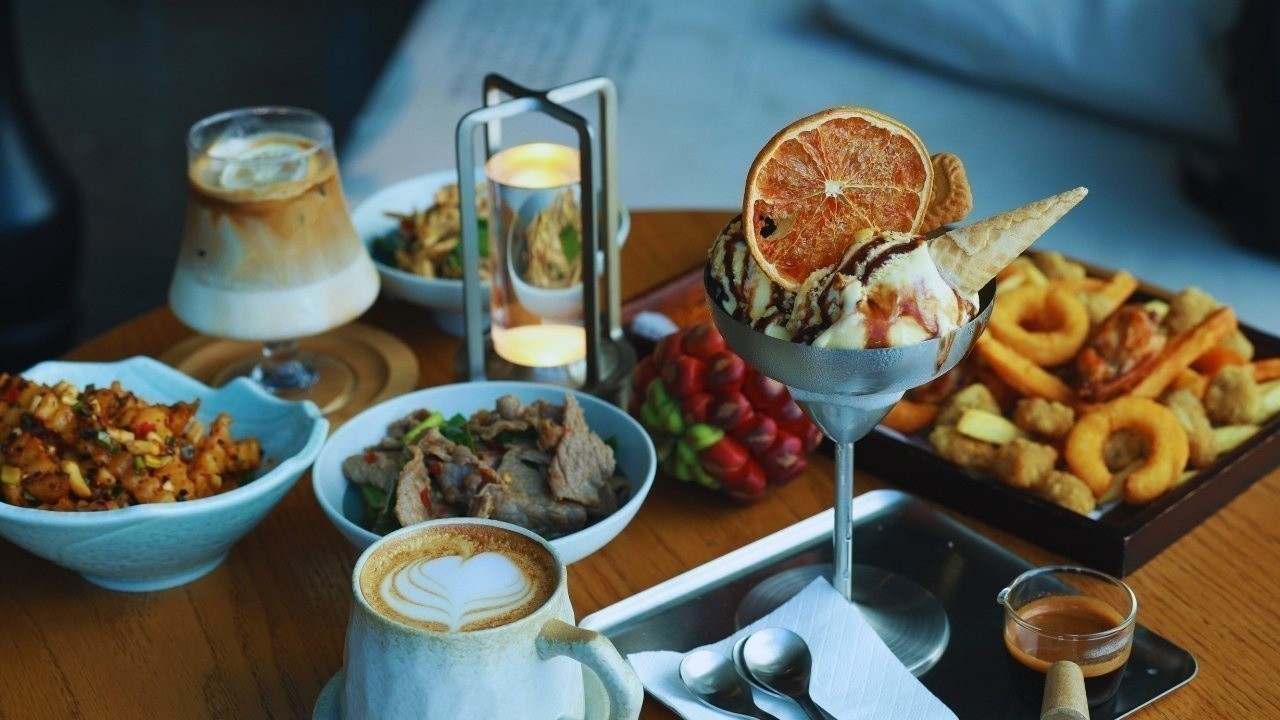
Brunch, once a leisurely weekend affair associated with late mornings, long conversations and indulgent spreads, has grown far beyond its original purpose. In 2025, brunch is no longer confined to weekends or special outings. It has turned into an everyday routine, finding its place on weekday tables, café menus and even remote-work schedules.
This transformation didn’t happen overnight. It arose from changing lifestyles, evolving work cultures, flexible routines and a growing appreciation for slow, balanced meals. What was once a luxury is now a part of daily life across major cities, suburbs and even small towns around the world.
The global brunch culture reflects a shift in how people view food, rest, connection and productivity. It’s less about timing and more about intention—creating a moment in the day that feels comforting, refreshing and meaningful.
For years, breakfast was the rushed meal of the day. People grabbed coffee, a banana, a sandwich or skipped it entirely. But lifestyle habits changed during the pandemic and continued evolving afterward. With more people working from home or following hybrid schedules, mornings became less frantic. This allowed room for a relaxed, late-morning meal that blended the best of breakfast and lunch.
Brunch stepped into that space effortlessly. Instead of two smaller meals, many workers now choose one satisfying mid-morning meal that fuels longer stretches of productivity. This allowed people to slow down and savor food without compromising time.
Global surveys show that mid-morning meals have become a preferred eating pattern across Asia, the Middle East, Europe and North America. It fits into diversified work hours, flexible lifestyles and wellness-centric routines.
One of the strongest forces behind daily brunch culture is the widespread adoption of hybrid work. People no longer commute five days a week. This has reshaped morning routines entirely. Without rigid commutes or fixed office timings, many individuals settle into a comfortable rhythm—wake up, clear small tasks and then enjoy brunch.
This new timing suits the modern workforce. They feel more energized, more productive and less rushed. Brunch becomes a structured break that divides the morning, reducing the mental fatigue associated with working continuously from home.
Cafés and restaurants across the world have adjusted accordingly. Menus have expanded, operational hours have shifted and brunch dishes are now offered every day. What was once weekend-exclusive is now an everyday timeline.
Brunch has also become a social ritual. With hectic schedules and widespread time constraints, lunch outings and long dinners feel increasingly impractical during weekdays. People prefer short, relaxed meetings that don’t disrupt their routines.
Brunch fits perfectly into this social pattern. Friends meet before work, colleagues bond over weekday meals and families enjoy mid-morning gatherings without having to commit to elaborate planning.
Globally, cafés have noticed a rise in weekday brunch reservations and walk-ins. Many have introduced special brunch combos, wellness-forward menus and culturally inspired plates to cater to the growing demand.
Another reason brunch has become a worldwide routine is its adaptability. Unlike traditional meals bound by cultural rules, brunch embraces experimentation. It merges flavours from across regions—Asian, European, Middle Eastern, American, African and Latin influences come together in creative, vibrant dishes.
This has encouraged people to try new foods at home and experiment with ingredients they didn’t previously use. Global food trends—such as avocado toasts, bao buns, shakshuka, mochi pancakes, smoothie bowls, miso scrambled eggs, hummus platters and kimchi omelettes—have become common brunch staples.
Brunch’s openness to fusion makes it a truly global phenomenon.
Wellness is a major global priority, and brunch has evolved to fit this. Instead of heavy foods and oversized portions, many people now prefer cleaner, nutritious meals that still feel indulgent.
Smoothie bowls, nut-butter toast, chia puddings, protein pancakes, whole-grain wraps and low-oil skillet meals dominate weekday brunch plates. Fresh herbs, seasonal produce and minimally processed ingredients are preferred.
Even restaurants worldwide are shifting toward balanced brunch menus—offering vegan, high-protein, gluten-free and Mediterranean-inspired options.
Brunch has become the ideal meal for those who want nourishing food without sacrificing taste.
Coffee culture is deeply interlinked with global brunch culture. Specialty coffee, cold brews, matcha lattes, herbal infusions and wellness drinks such as turmeric lattes or ginger tonics have become everyday comforts.
People now pair brunch with thoughtfully crafted beverages, turning the meal into a relaxing mid-morning ritual. This beverage-led expansion is particularly noticeable in major global cities such as London, Sydney, Singapore, New York, Dubai, Seoul and Toronto, where cafés draw crowds throughout the week.
Beverage-driven brunch routines are also rising at home, with many people investing in small brewing tools to enjoy café-style drinks during weekday breaks.
Social media has had a massive impact on the global brunch movement. Platforms showcase easy brunch recipes, plating ideas, healthy bowls and airfryer inventions. This encourages home cooks to try new dishes, even on weekdays.
Airfryers, blenders, mini griddles and compact skillets make brunch easy to prepare quickly. People can create elaborate-looking but simple meals in minutes. These tools have expanded what brunch looks like globally and made it more accessible.
This cultural shift has made brunch something both practical and aesthetic—a moment of creativity and nourishment combined.
In a world where stress, burnout and digital fatigue are widespread, brunch has quietly become a small act of self-care. It offers a break from work, a slow moment during busy days and a comforting meal that feels refreshing.
People treat brunch as a micro-ritual. Preparing a bowl of warm oatmeal topped with fruits, cooking eggs with herbs or fixing a wholesome sandwich becomes a grounding activity. It brings balance to chaotic schedules.
Across the world, individuals describe brunch as a comforting anchor—something that makes their day feel organized and pleasant.
Globally, cafés are reshaping their menus and ambience to support weekday brunch culture. They offer:
extended morning hours
all-day brunch menus
crossover dishes that fit breakfast and lunch
nutritious, portion-controlled options
relaxed seating for remote workers
Many cafés now serve as informal coworking spaces. People bring laptops, sip coffee, enjoy brunch and complete tasks in a calm environment.
This merging of food and work culture is transforming the hospitality landscape worldwide.
Remote workers, freelancers and gig-economy professionals form a large part of the new brunch community. For them, brunch provides structure to the day. It breaks monotony and creates a familiar pause in otherwise flexible schedules.
Globally, remote workers use brunch time to reset mentally—sometimes stepping outside for fresh air, sometimes preparing a meal that energizes them, sometimes visiting a café for a change of scenery.
This pattern has become so widespread that brunch is now recognized as an essential part of remote work routines.
Brunch looks different depending on where you go. The core idea is similar—a late morning meal—but the dishes and customs vary.
In Japan, weekday brunch often includes tamago dishes, rice bowls and miso-based plates.
In the Middle East, hummus, labneh, warm breads and eggs dominate brunch tables.
In Europe, pastries, cheeses, egg dishes and artisanal breads are common.
In South America, brunch may include arepas, beans, fruits and coffee.
In Southeast Asia, brunch features noodles, soups, eggs and tropical fruits.
This cultural variation demonstrates that brunch is more than a trend—it’s an adaptable global rhythm.
A surprising factor behind brunch’s global rise is affordability. While restaurant brunches can be costly, homemade brunch meals are simple and budget-friendly. Eggs, bread, vegetables, grains and fruits form the base of most brunch dishes.
People realized they could create brunch-style meals at home without high expenses. The combination of affordability and creativity helped brunch become an everyday practice.
Brunch is the perfect meal for using leftovers intelligently. Leftover vegetables become omelette fillings. Extra rice becomes stir-fried brunch bowls. Stale bread becomes French toast or skillet croutons. A handful of herbs or leftover sauces revive simple dishes.
This helps households reduce waste and maximize ingredients—one reason brunch aligns with modern sustainability goals.
Brunch is not just about food—it is about how it makes people feel. The relaxed pace, warm dishes and comforting flavors create a positive emotional experience. It lifts mood, boosts energy and creates a sense of ease.
In many places, brunch has become part of mental wellbeing routines—a small daily reward that resets the day.
The global brunch culture shows no signs of slowing down. Instead, it will continue evolving with lifestyle trends. Future brunch habits may include:
more plant-forward dishes
functional foods focused on gut health
protein-rich plates for busy workers
cultural fusion recipes
healthier beverage pairings
small meal portions that fit flexible schedules
Brunch is no longer just a weekend indulgence. It is a modern lifestyle marker—a reflection of how the world eats, works and balances its days.
As lives become more fluid, brunch provides a steady moment of calm, nourishment and creativity.
This article is for general lifestyle reading. It does not offer dietary, medical or professional guidance. Readers should adjust meals and habits according to their own routines and needs.

Dubai Launches Commercial Driverless Taxis with Apollo Go
Dubai Taxi Company partners with Baidu’s Apollo Go to launch driverless taxis, advancing Dubai’s sma

Amelia Kerr Leads NZ to Record ODI Run Chase Against SA
Amelia Kerr’s unbeaten 179 powers New Zealand to record-breaking 348-run chase, beating South Africa

Sharjah Issues New Rules for Electric Vehicle Chargers
Sharjah’s Executive Council sets rules for EV charging stations, detailing installation, tariffs, sa

China VC Funding Hits Record on State-Driven Tech Push
China’s venture capital fundraising is set to hit a record in Q1 2026, led by state-backed investors

Russian Military Plane Crash in Crimea Kills 29 People
A Russian An-26 military plane crashed in Crimea, killing 29 onboard. Authorities suspect technical

IBPC Dubai AGM Strengthens India-UAE Economic Ties
IBPC Dubai AGM highlights growth, inclusivity, and upcoming conclaves, reinforcing India-UAE economi

EU Urges Protection of UNIFIL After Peacekeeper Deaths
EU nations demand protection of UNIFIL forces after deadly attacks, urging restraint and warning aga


Bank of Baroda Faces Abu Dhabi Legal Battle over NMC Collapse
Bank of Baroda’s involvement in Abu Dhabi litigation tied to the NMC Healthcare collapse raises repu
Top Museum Openings of 2026 Set to Transform Global Tourism
From Los Angeles to Abu Dhabi and Brussels, 2026 brings major museum launches—Lucas Museum, Guggenhe

UAE Tour Highlights UAE’s Strength in Hosting Global Sports Events
Abu Dhabi Sports Council says the successful UAE Tour reflects the UAE’s leading role in hosting maj
EU Seeks Clarity from US After Supreme Court IEEPA Ruling
European Commission urges full transparency from the US on steps after Supreme Court ruling, emphasi

SpaceX Launches 53 New Satellites for Expanding Starlink Network
SpaceX launches 53 Starlink satellites in two Falcon 9 missions, breaking reuse records and expandin

RTA Awards Contract for Phase II of Hessa Street Upgrade in Dubai
Phase II of Hessa Street Development to add bridges, tunnel, and upgraded intersections, doubling ca

UAE Gold Prices Today, Monday 16 February 2026: Dubai & Abu Dhabi Updated Rates
Gold prices in UAE on 16 Feb 2026 updated: 24K around AED 599.75/gm, 22K AED 555.25/gm, and 18K AED

Over 25 Ahmedabad Schools Receive Bomb Threat Email, Authorities Investigate
More than 25 schools in Ahmedabad evacuated after bomb threat emails mentioning Khalistan. Authoriti